REVIEW · MEXICO CITY
Mexico City: Queer Mexican History
Book on GetYourGuide →Operated by Mannu · Bookable on GetYourGuide
A queer way to read Mexico City starts here. This walking tour links LGBTQ+ stories to the sights of the Centro Histórico, then brings you into the present with contemporary queer artists and activists.
Two things I really like: the route is built around iconic places you already want to see, and the guide uses that setting to spotlight LGBTQ+ presence in Mexico’s broader story. I also appreciate the small-group feel (up to 10 people), which makes it easier to ask questions and actually follow the threads of the tour.
One possible drawback: while the scheduled duration is 150 minutes, the pacing can feel shorter on some departures, so don’t treat it like a long, slow wander. If you’re the type who hates tight timings, keep that in mind.
In This Review
- Quick hits before you go
- A queer lens for Mexico City’s Centro Histórico
- Alameda Central meet-up: easy start, small-group focus
- From Alameda Central to Hemiciclo a Juárez and the Palace of Fine Arts
- Francisco I. Madero and the Zócalo: why scale matters
- Templo Mayor Museum stop: layering Mexico’s timelines
- Art and activism you can actually see in the city
- The walk plan: timing, route flow, and what to prepare
- Price and value: why $30 can be a good deal
- Who should book this tour, and who might not love it
- Should you book Mexico City: Queer Mexican History?
- FAQ
- Where does the tour start?
- How long is the walking tour?
- How many people are in the group?
- What language is the guide?
- What should I bring?
- Where does the tour finish?
Quick hits before you go
- Alameda Central start with a colorful-umbrella guide so you can spot your group fast
- Hemiciclo a Juárez as the first big historical stop that sets the tone
- Francisco I. Madero to Zócalo for a change in scale and atmosphere
- Templo Mayor Museum for a history-layering moment at the end of the loop
- Contemporary queer artists and activists show up as more than background color
- Finish at La Casa de las Sirenas near the Metropolitan Cathedral area
A queer lens for Mexico City’s Centro Histórico
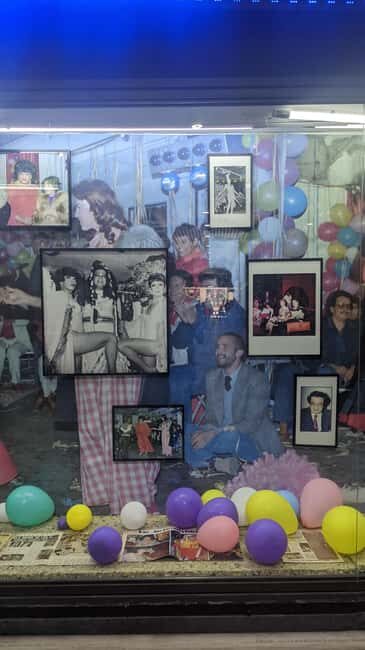
If you’re visiting Mexico City, the Centro Histórico is the part you can’t really skip. It’s where the city’s most famous plazas and monuments sit close together, and you can walk between eras in minutes. This tour adds a missing layer: it asks you to notice how LGBTQ+ life is part of Mexico’s history, not something separate or “later.”
What makes it different from a standard “walk and look” tour is the focus. You’re not just hearing general background about the neighborhood. You’re specifically moving from landmark to landmark with the goal of remembering important queer people in Mexican history, then connecting that past to today through contemporary queer artists and activists.
That structure matters. In a place like the Centro, the sights can blur together fast. Here, the guide’s narrative gives each stop a job to do, so you leave with clearer memories instead of a vague list of buildings.
You can also read our reviews of more city tours in Mexico City



Alameda Central meet-up: easy start, small-group focus
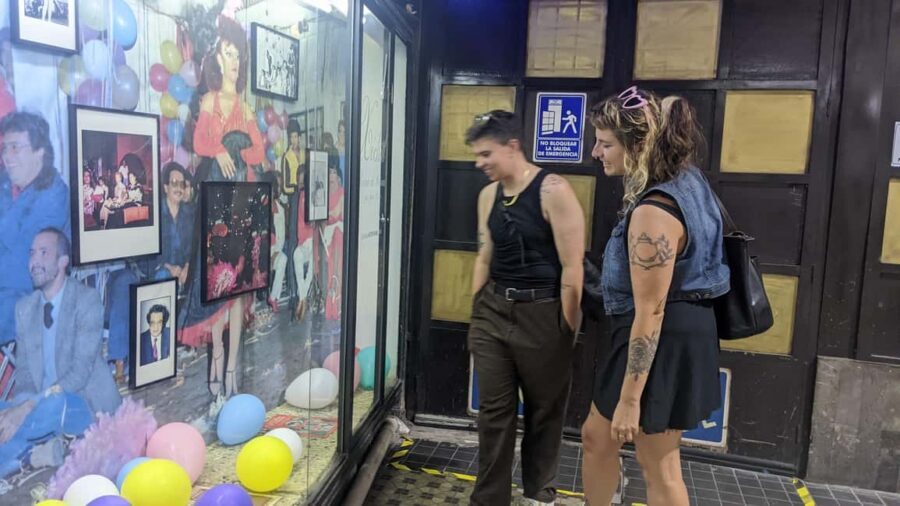
You begin at Alameda Central Park, right at the corner of Hidalgo Av. and Dr. Mora St. Your guide meets you holding a colorful umbrella, then gives a short introduction before you head toward the first sights. That umbrella detail sounds small, but it’s honestly one of the best parts for a city where meeting points can get confusing.
The tour is a small group limited to 10 participants, and that changes the whole vibe. You’ll likely spend more time talking and reacting instead of just following a crowd. Guides for this experience include Ada Narcissa and Mannu (the name also appears as Manu in one account), and the descriptions of their style emphasize warmth and clarity, plus a mix of serious and human moments rather than textbook delivery.
Language options are English and French, so you’re not stuck with a rushed summary. And because you’re starting in a park, you get a slightly calmer opening than if you began right in traffic or at a busy subway entrance.
From Alameda Central to Hemiciclo a Juárez and the Palace of Fine Arts
After the intro, the first stretch takes you along Parque Alameda Central, and you’ll reach the first official stop at Hemiciclo a Juárez. This is where the tour’s “why we’re here” theme kicks in. Instead of saving the context for later, the guide starts the historical thread early, so the rest of the route feels like a continuation, not a random sightseeing checklist.
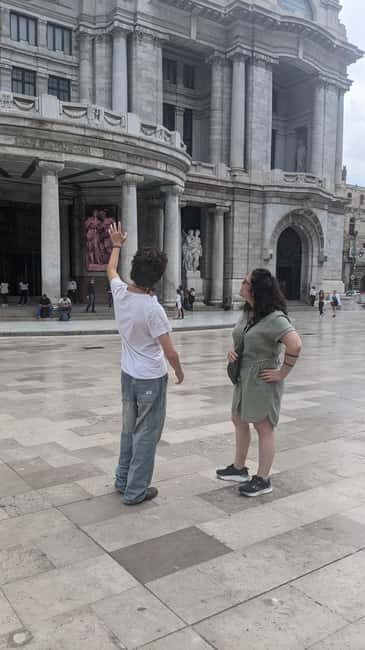
From there, you continue through the historic core, including time near the Palace of Fine Arts. The tour includes a short sightseeing window here, which is useful even if you’ve already seen photos. In real life, the Palace’s presence is hard to ignore. More importantly, it gives you a visual contrast: you’re moving between grand, recognizable landmarks while the guide keeps tying the conversation back to queer Mexican history and what it means today.
Potential snag: this portion is still part of a walking plan, so if you want long photo stops, you might have to move quickly or be selective about which angles you prioritize.
Francisco I. Madero and the Zócalo: why scale matters
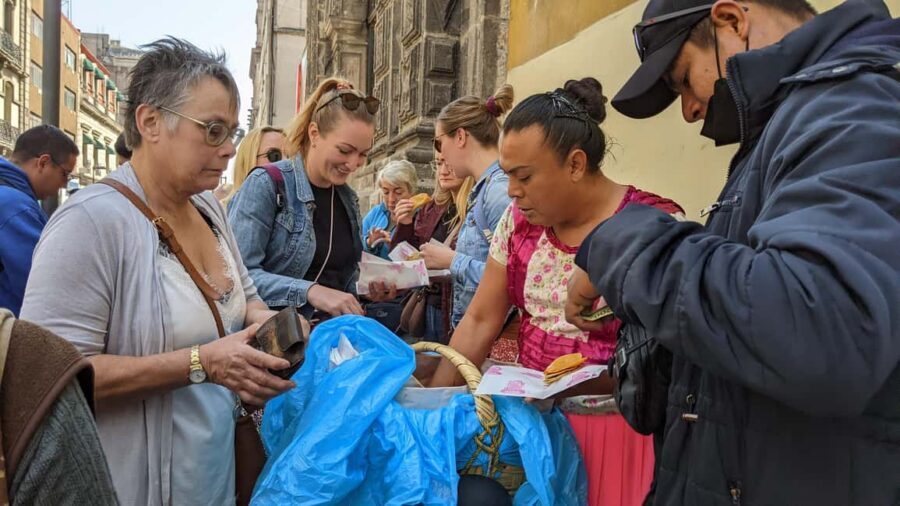
Once you head onto Av. Francisco I. Madero, the city opens up. The tour walks you all the way toward Zócalo / Plaza de Constitución. This is one of those stretches where you can feel the difference between a quieter plaza and the magnetic center of Mexico City.
The value of stopping at the Zócalo area during a queer history tour is simple: this is where people pass through from every direction. A story about identity, visibility, and belonging lands differently when it’s framed by a public square people actually use every day.
Also, because the tour is moving with a guide’s narrative, you’re less likely to get “lost in the scenery.” You’ll have a clearer checklist in your head: watch what the guide highlights, connect it back to the theme of queer Mexican history, and keep an eye out for what shifts as you move from one stop to the next.
If you’re sensitive to crowds, the Centro can be busy, especially near major squares. The small group helps, but you’ll still be in the middle of the city’s energy.
Templo Mayor Museum stop: layering Mexico’s timelines
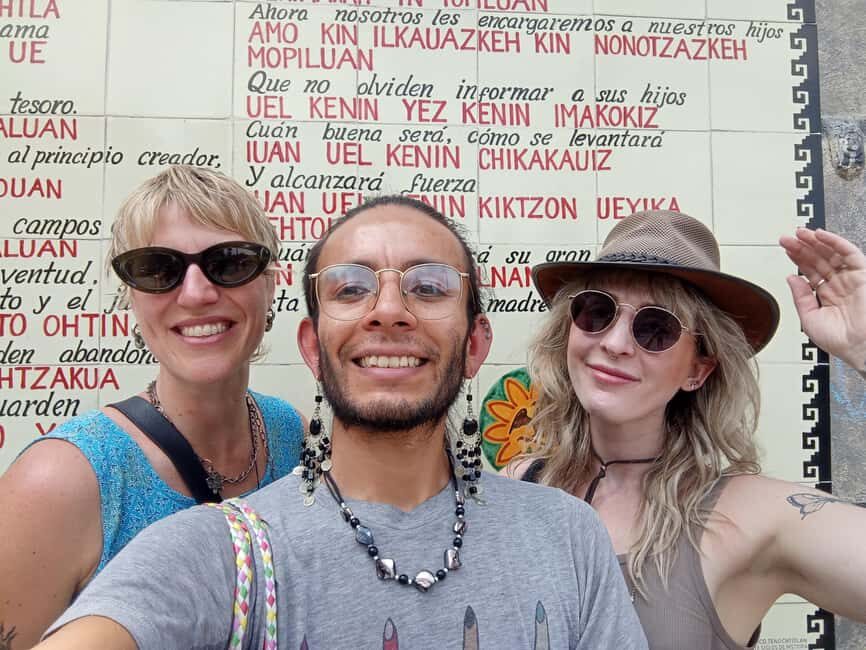
The itinerary brings you to Templo Mayor Museum for more sightseeing time. You can think of this as the tour’s “history on history” moment. Even if you’re not spending deep time inside the museum spaces, the stop matters because it shifts your attention from street-level landmarks to a more grounded sense of how layered Mexican history really is.
The guide’s goal here is still the same: you’re meant to connect queer presence to the broader story of Mexico, while also remembering key queer people from history and linking that to contemporary queer artists and activists.
A practical note: museum areas often mean slightly more uneven walking surfaces and more standing while viewing. If your feet are already tired, take quick rests when you can. You’ll have a finish point shortly after, and you’ll want to save your energy.
You can also read our reviews of more historical tours in Mexico City






Art and activism you can actually see in the city
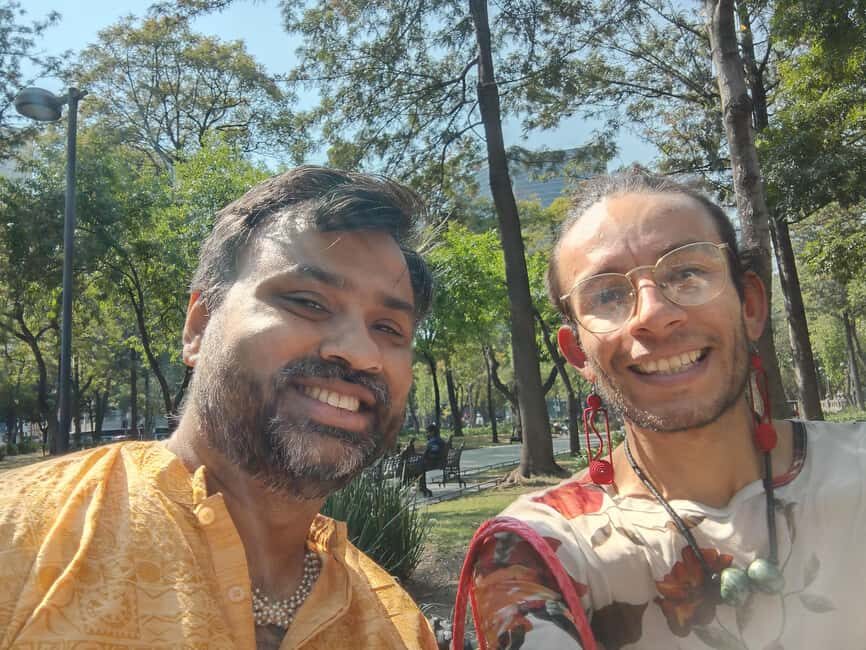
One of the tour’s strengths is that it doesn’t treat LGBTQ+ history like a finished chapter. It also points you toward contemporary queer artists and activists. That’s important because it helps you avoid a common trap: seeing queer history only as something that happened “back then,” with no visible continuation in the present.
As you move through the Centro, pay attention to what the guide draws your eye to. Look for how today’s queer culture shows up around you, even when you’re focused on big monuments. When a guide mentions contemporary creators, it’s not just name-dropping. It gives you a bridge between the past and what you might notice after the tour ends.
By the time you reach the finish near Templo Mayor / Metropolitan Cathedral, you should feel like you understand the city more clearly, not just that you’ve learned new facts.
The walk plan: timing, route flow, and what to prepare
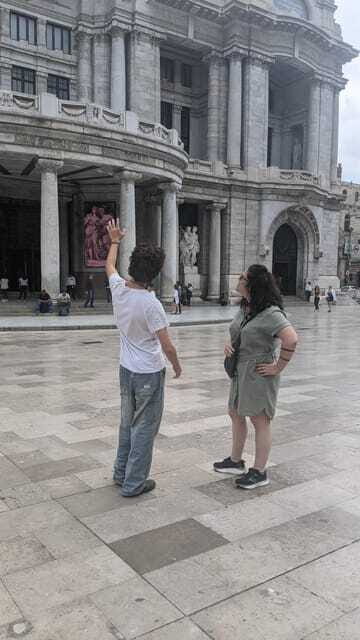
This experience is listed as 150 minutes and it’s primarily on foot. There’s also a short on-foot segment early on (about 5 minutes), then longer walking time through the sights. That’s enough time to cover a meaningful loop, but it’s not long enough to wander slowly.
My practical advice to you is to plan like a walker, not a casual museum visitor:
- have a small lunch before you start
- wear comfortable shoes you can keep moving in
- bring water
- use sunscreen
- consider an umbrella, since the tour guidance specifically suggests one
Weather in Mexico City can surprise you, and the tour is designed with that in mind. If you’re going in the rainy season, the umbrella recommendation is the difference between enjoying the walk and rushing through it.
Also check the “not suitable for children under 11” note. This is a history-and-walking format, and the pace works better for adults or older teens.
Price and value: why $30 can be a good deal
At $30 per person for a 150-minute small-group walking tour, this can be good value if you like guided context. You’re paying for three things you can’t easily replicate on your own without extra research: a focused narrative, timing through the Centro, and the ability to ask questions in real time.
Would you save money by doing a self-guided walk? Possibly. But you’d also lose the thread that ties queer Mexican history to specific places across the route, plus the bridge to contemporary queer artists and activists.
One thing to keep realistic: with historical walking tours, the best value comes when you show up mentally ready to listen and walk. If you only want photos, you’ll feel like it’s too structured. If you like stories and connection between stops, the price starts to make a lot more sense.
Who should book this tour, and who might not love it
This is a strong fit if you:
- want to see the Centro Histórico in a more meaningful way
- enjoy guided walking tours where stops connect to a theme
- want an angle on queer Mexican history that includes both past and present
It may not be the best fit if you:
- hate walking for long stretches and want a slower pace
- are traveling with young kids (it’s not suitable for children under 11)
- depend on strict timing, since one account notes the experience ran shorter than expected on at least one departure
Should you book Mexico City: Queer Mexican History?
I’d book it if you’re planning to spend time in the Centro anyway. The route hits high-demand areas—Alameda Central, the walk toward Zócalo, and the Templo Mayor Museum region—so you’re not paying for random stops. You’re paying to understand what you’re seeing through a queer Mexican history lens.
I’d skip it if you only want a light stroll, because this is built as a narrated walking experience with real structure. And if you’re very sensitive to time, I’d choose your expectations carefully: the posted duration is 150 minutes, but pacing can vary.
If you want a first step toward learning more about queer presence in Mexico’s story, this tour gives you a solid start in about two and a half hours, without you needing to build the research yourself.
FAQ
Where does the tour start?
It starts at Alameda Central Park, at the corner of Hidalgo Av. and Dr. Mora St. The guide is holding a colorful umbrella.
How long is the walking tour?
The tour duration is listed as 150 minutes.
How many people are in the group?
The group is limited to a small group of up to 10 participants.
What language is the guide?
The guide is offered in English and French.
What should I bring?
Bring comfortable shoes, water, sunscreen, and an umbrella. A small lunch is also recommended.
Where does the tour finish?
The tour finishes behind the Metropolitan Cathedral, near Templo Mayor, at La Casa de las Sirenas.