REVIEW · MEXICO CITY
Soumaya Museum: the Master of Mexican and Western Art
Book on Viator →Operated by GM International Travel · Bookable on Viator
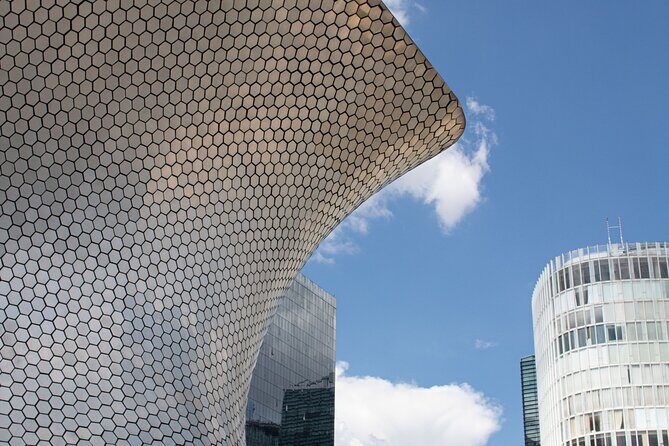
Six floors, one smart art story. The Soumaya Museum tour turns a huge building into a clear route, with six themed rooms that connect Western and Mexican art in a way that feels doable. You also get a bilingual guide in English, so you can ask questions without guessing what you are looking at.
I especially like the structure: you move floor by floor through ideas like modernity, myth, European masters, and Mexican art across centuries. Another plus is the small group size (max 15), which keeps the pace human and the explanations easy to follow. One consideration: there is no food stop and the visit is mostly an inside walking tour, so wear comfortable shoes and plan your meals around it.
In This Review
- Key Highlights Worth Knowing
- Soumaya Museum’s Six-Floor Plan: How This Tour Keeps You Oriented
- Room 1: Modernity and Techné (Art and Craft) on Floor One
- Room 2: Myths and Allegories, From the Visible to the Invisible
- Room 3: Old European and New Spain Masters
- Room 4: From Romanticism to the Avant-Garde
- Room 5: 20 Centuries of Art in Mexico
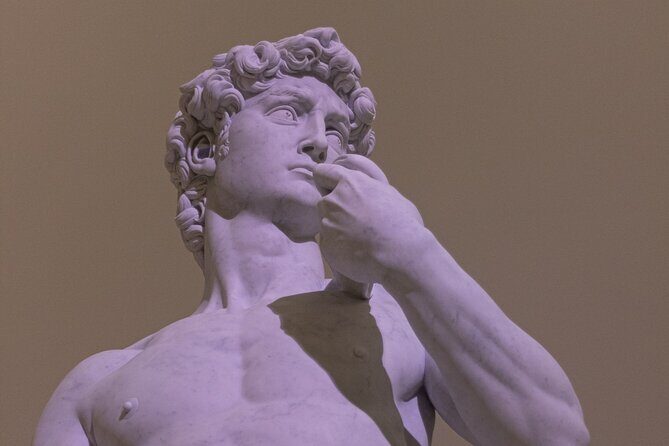
- Room 6: Julián and Linda Slim and the Rodin Era
- Price and Value: Paying $53.68 for a Guided, Ticket-Included Route
- Meeting Point and Practical Tips for Your Day at Museo Soumaya
- Who This Soumaya Tour Fits Best
- Should You Book This Museo Soumaya Tour?
- FAQ
- Where does the Museo Soumaya tour start?
- How long is the tour?
- How much does the tour cost?
- What languages are available?
- Is the museum admission ticket included?
- Is transportation or food included?
- What is the maximum group size?
- Is there free cancellation, and how far in advance do I need to cancel?
Key Highlights Worth Knowing
- Six themed rooms make the museum readable instead of random wandering
- Bilingual guidance in English helps you understand what matters without the guesswork
- A focused 2 hours 30 minutes fits a tight Mexico City schedule
- Admission is included with the tour price, so you do not pay extra at the door
- Small group limit (15) keeps questions from getting lost
- Room-by-room art eras cover both Mexican and Western traditions
Soumaya Museum’s Six-Floor Plan: How This Tour Keeps You Oriented
The best part of this experience is the rhythm. You are not just buying entry and hoping for the best. You get a guide-led walk through all six floors, with each level organized around a theme, so the art history actually forms a story you can hold onto.
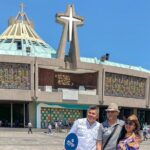
The tour runs about 2 hours 30 minutes, which is long enough to feel like you saw a lot, but short enough that you will not feel cooked by the end. You start and end at the same meeting point at Museo Soumaya on Blvd. Miguel de Cervantes Saavedra, Granada, Miguel Hidalgo, 11529 Ciudad de México.
Logistics are also fairly straightforward. You get a mobile ticket, and the museum is described as near public transportation, which helps if you are mixing this with other Mexico City plans. You should still build in time to get to the meeting point and settle in, especially if you tend to take photo breaks the moment you see something interesting.
You can also read our reviews of more museum experiences in Mexico City


Room 1: Modernity and Techné (Art and Craft) on Floor One
This first room sets the tone with Modernity: ars and techné. In plain terms, it is about how art and technique move together—how new ideas and new methods show up in what artists make.
I like starting here because it gives you a lens before the museum throws more styles at you. Even if you are not a die-hard art person, “how the craft works” is a human way to enter a collection. It is also a good mental warm-up before you start jumping across centuries.
What to watch for: look for the contrast between clean design and hands-on detail. You are aiming to spot how the idea of modern life affects form, materials, and style. If you enjoy art that explains itself through technique, this room is likely to feel especially rewarding.
A possible drawback at this stage is energy. If you rush in, you can miss the structure the guide is trying to give you. Take the first few minutes slowly so the rest of the six floors makes more sense.
Room 2: Myths and Allegories, From the Visible to the Invisible
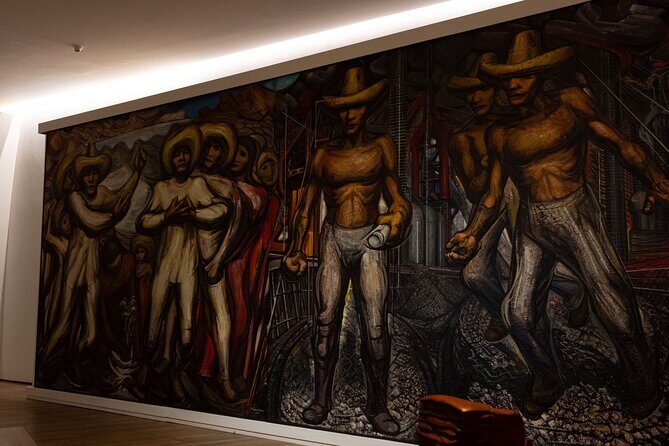
Room two goes right into symbolism with Myths and allegories: from the visible to the invisible. This is where the museum shifts from “what do you see?” to “what is the story underneath?”
I find allegory tough when I am alone, because I often end up staring at the surface and calling it a day. With a guide, you get help connecting symbols to meaning, so you are not stuck translating alone in your head.
This room is also a great reminder that Western art traditions often talk in codes. Myth and allegory show up as figures, gestures, objects, and scenes that can carry more than one layer. You will likely get more out of it if you slow down and let yourself notice details instead of just scanning for famous names.
If you like art that feels like a puzzle, this is one of the floors you will remember. If you prefer strictly literal scenes, you may still enjoy it—just be ready for interpretation, not just identification.
Room 3: Old European and New Spain Masters
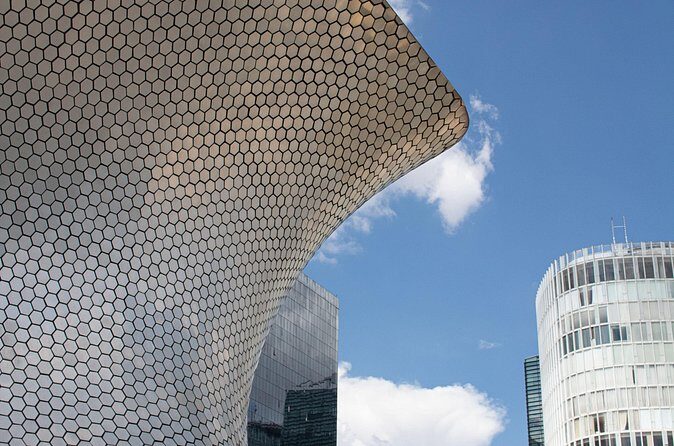
Then comes Room 3: Old European and New Spain Masters. This level is useful if you want the “root” of many later styles. You get a sense of how European traditions meet local realities in New Spain.
I like this room for context. Even if you are more interested in Mexican art, understanding what Europe brought—and how it changed—can sharpen your eye for the differences. This is the kind of floor that helps you stop thinking of art as isolated islands.
Look for how themes and painting approaches travel across time and place. You are not only matching artist names. You are tracing influence: what carries over, what gets adapted, and what becomes something new.
One consideration: this room can feel dense if you are trying to take in every single work at once. The guide’s job is to help you prioritize. Let the explanations set your pace instead of trying to “finish” the room like a checklist.
Room 4: From Romanticism to the Avant-Garde
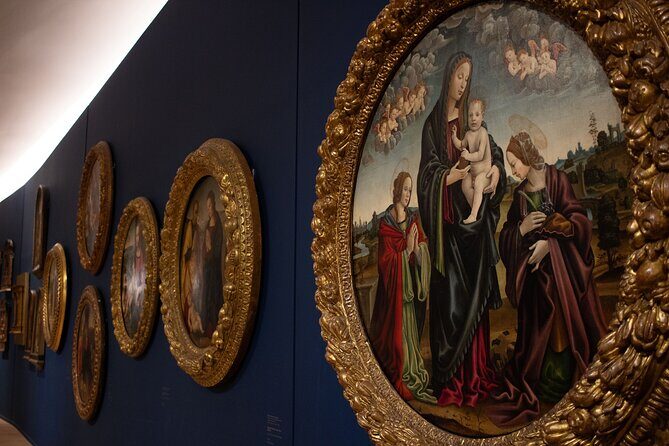
Room four spans From Romanticism to the Avant-garde. That is a big jump in just one title, and it matters because Romanticism often emphasizes emotion and drama, while avant-garde work pushes form, perspective, and rules.
This room is where the tour’s structure starts to feel like magic. Without guidance, it is easy to get stuck comparing styles like they are separate sports. With a guide, you can see the transitions: how artists move from expressing feelings in familiar ways to experimenting with what art can even be.
If you enjoy seeing art “change its mind,” you will like this floor. It is also a strong stop for people who think they do not know art terms. The thematic path helps you learn the language by using it.
Tip from how the tour is described: use this room to test your focus. If you want one clear takeaway, pick one transition—how a concept evolves from Romanticism toward avant-garde—and let everything else orbit that idea.




Room 5: 20 Centuries of Art in Mexico
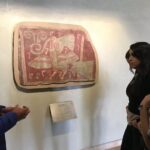
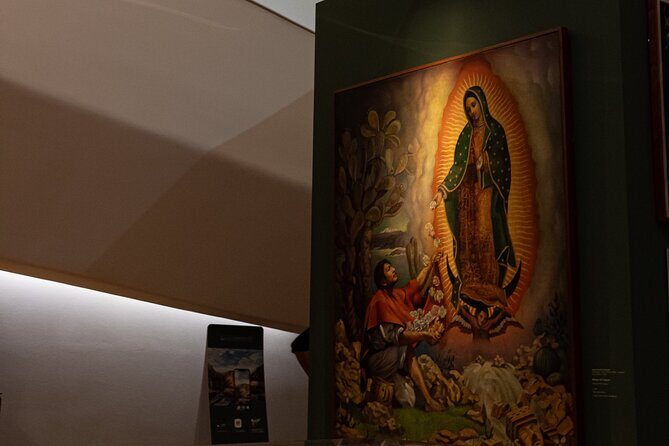
Next is Room 5: 20 centuries of art in Mexico. This is the floor that most directly centers Mexican art, and it gives you a long view instead of a handful of isolated masterpieces.
I like long-view rooms because they help you stop treating history like a set of disconnected facts. You begin to see art as a living conversation across eras. Even if you only catch a few threads, the overall sweep makes the museum feel less like a warehouse and more like a timeline.
What you should do here is simple: focus on how styles, themes, and subjects shift over time. Try not to get stuck on one work. Think in patterns.
Because it covers a wide span, this room can be the most tiring if you wander too far off the guide’s route. Let the tour pace you. In a good guide-led format, the goal is not to “see everything.” It is to see enough to understand what you are seeing.
Room 6: Julián and Linda Slim and the Rodin Era
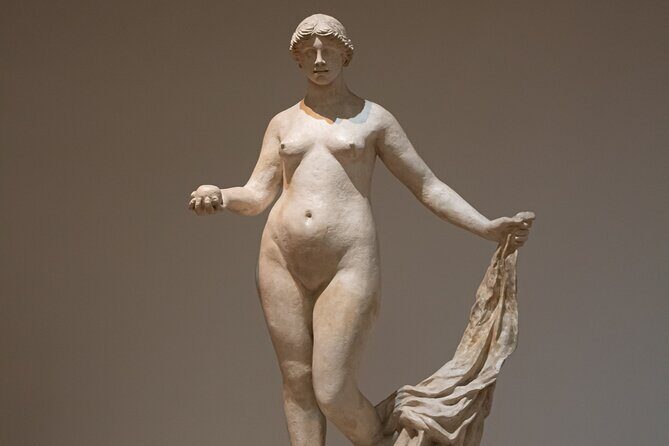
Finally, Room 6: Julián and Linda Slim. The Rodin era. This floor has a spotlight feel, especially if you have any interest in sculptors and the way museums shape what you notice.
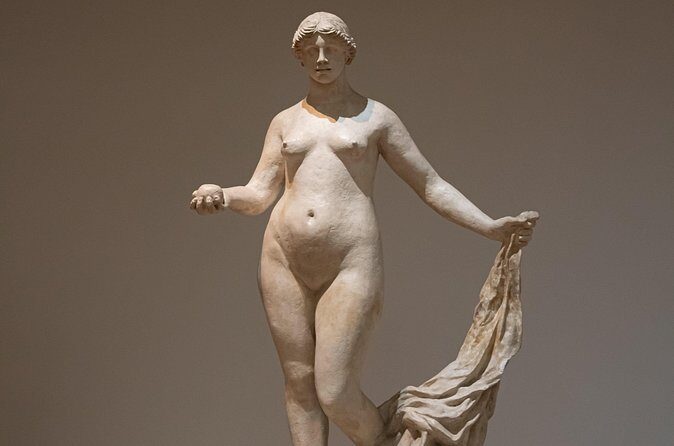
The guide-led approach helps here too. Names can mean a lot, but the real value is the connections. When the visit lands on Rodin and the “era” around him, you tend to start looking at form differently—what movement looks like in sculpture, how surface and silhouette create drama.
I also appreciate that the museum organizes this last room with a named focus. It gives you a satisfying arc: you went from broad themes and periods to a specific highlight. It is like reaching the section you actually came for, without losing the context that came before.
Based on the way guides are described in standout experiences, guides such as Jesus and José tend to keep this kind of “big-name” material from turning into a lecture. They connect artist by artist and floor by floor so it stays organized and not overwhelming.
Price and Value: Paying $53.68 for a Guided, Ticket-Included Route
At $53.68 per person, this is not the kind of museum experience you do on a whim. The value is in what you get packaged together.
First, admission is included with the experience. That matters because museum entries can add up quickly when you plan multiple stops. Second, you get a bilingual guide and a timed route through all six floors. For many people, that alone is the difference between feeling informed and just feeling tired.
Third, the group size cap of 15 travelers is meaningful. Smaller groups generally mean explanations land better and you can actually ask a question without waiting your turn until the art has cooled down.
One thing to keep in mind: there is no food or transportation included. The ticket value does not cover meals, so plan a snack or meal before or after. If you are traveling across Mexico City that day, factor in transit time and hydration.
Meeting Point and Practical Tips for Your Day at Museo Soumaya
You meet at Museo Soumaya, Blvd. Miguel de Cervantes Saavedra, Granada, Miguel Hidalgo, 11529 Ciudad de México, CDMX, Mexico, and the tour ends back at the meeting point. That makes timing easier if you are trying to connect this stop with dinner or another activity.
You will also want to treat the day like a museum day, not a quick photo stop. The tour is about 2 hours 30 minutes and spans six floors, so you will be walking and looking more than standing still.
A small practical note: because you receive a mobile ticket, bring your phone charged and ready. If your phone battery is always on its last bar, toss a charger into your day bag. It sounds boring, but museum logistics are easier when you do not hunt for a signal while you are at the entrance.
It is also smart to book ahead. The tour is described as commonly booked about 17 days in advance, which suggests demand. If you are visiting during a busy season or on a tight schedule, reserve sooner rather than later.
Who This Soumaya Tour Fits Best
This is the kind of tour that works well for people who want structure. If you like learning as you walk, and you would rather understand what you are seeing than simply collect photos, you will likely enjoy it.
It can also suit couples and solo visitors because the group is kept to a small size. That means you tend to get a more personal feel while still keeping things efficient.
If you are on a shorter Mexico City trip and want to maximize one major museum, this format helps you see a lot without getting lost in too many options. And since English is offered and the guide is bilingual, it can be a comfortable choice if you speak English but want a guide who can also handle Spanish explanations smoothly.
Should You Book This Museo Soumaya Tour?
Book it if you want a guided path through the museum’s six floors with clear themes, and you care about understanding the art rather than just looking at it. The ticket included detail and the small group size make the price feel more reasonable than it would for a basic entry-only ticket.
Skip it or consider self-guided time if you need long silent time in galleries. This tour is structured, and it is designed to move at a guided pace. Also plan for no food included, so you do not end up hungry and distracted halfway through the art.
If your goal is to leave Museo Soumaya with a sense of how modernity, myth, European influence, and Mexican art history connect, this tour is an efficient way to get there.
FAQ
Where does the Museo Soumaya tour start?
It starts at Museo Soumaya, Blvd. Miguel de Cervantes Saavedra, Granada, Miguel Hidalgo, 11529 Ciudad de México, CDMX, Mexico.
How long is the tour?
The tour duration is about 2 hours 30 minutes.
How much does the tour cost?
The price is $53.68 per person.
What languages are available?
The tour is offered in English, and it includes a bilingual guide.
Is the museum admission ticket included?
Yes. Admission Ticket Free is listed as part of the experience.
Is transportation or food included?
No. Food or transportation is not included.
What is the maximum group size?
The maximum is 15 travelers.
Is there free cancellation, and how far in advance do I need to cancel?
Free cancellation is available. You can cancel up to 24 hours in advance for a full refund, and changes made less than 24 hours before the start time are not accepted.