REVIEW · MEXICO CITY
Mexico City Private Guided Tour – Best Rated
Book on Viator →Operated by Free Tour Mexico City · Bookable on Viator
Two hours in Mexico City goes fast. This private guided route is interesting because it strings together art, architecture, and ancient legends in one walk, from Palacio de Bellas Artes to an Aztec ruin. I also like the free-and-included admissions at key stops, so you’re not constantly asking what costs extra, and you actually get to spend time looking.
The main drawback is simple: the stops are short, so you won’t have time for slow, sit-down museum wandering at every location. If you prefer to linger, you may need to plan a return trip after the tour ends.
In This Review
- Key Highlights You’ll Feel Right Away
- A 2-Hour Private Walk Through Mexico City’s Core
- Starting at Palacio de Bellas Artes and Getting the Big Picture
- Palacio de Bellas Artes to Torre Latino: Art Meets Earthquake Survival
- Palacio Postal: A Working Icon Made of Marble and Gold
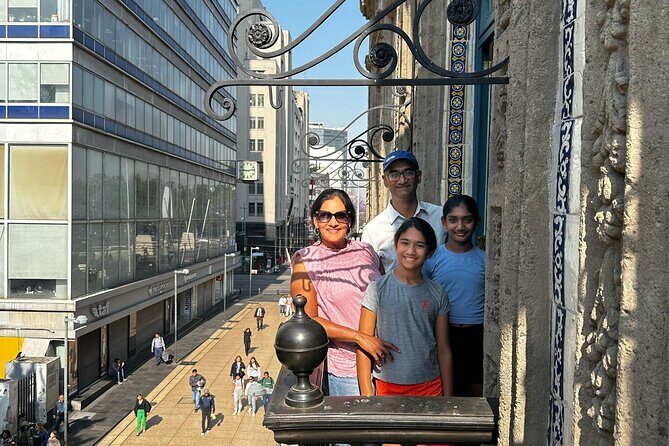
- Plaza Tolsa and El Caballito: A Classic Mexico City Balcony on the City
- Palacio de Minería: Built in 1797 and Still Doing Something Historic
- House of Tiles: Blue-and-White Facade, Then Murals and Sculptures Inside
- Pastelería Ideal: Learn the Baking Story, Then Try Something
- Templo Mayor Museum: An Aztec Ruin Right in the City Center
- Zócalo: The Centerpiece Square You’ll Keep Seeing on Your Map
- Mexico City Metropolitan Cathedral: The Most Important Church and Its Stories
- Price and Value: Why $39 Can Work Well Here
- Pace, Timing, and Who This Tour Suits Best
- Should You Book This Mexico City Private Guided Tour?
- FAQ
- How long is the Mexico City private guided tour?
- Where does the tour start, and where does it end?
- Is this tour private or shared?
- What language is the tour offered in?
- Are admission tickets included?
- Is private transportation included?
- Can I cancel for free?
Key Highlights You’ll Feel Right Away
Ten major historic stops packed into a tight 2-hour loop
Most admissions are free or included, which helps the $39 price make sense
Private group format means your guide can answer your questions as you go
Guides use context to turn buildings into stories, not just photos
WhatsApp support helps you confirm and stay on track from booking to meet-up
A route that balances Mexico City layers: 18th-century, earthquake history, and Aztec remains
A 2-Hour Private Walk Through Mexico City’s Core
This tour is built for people who want the center of Mexico City to make sense quickly. You start at Palacio de Bellas Artes and work your way through the surrounding historic area, hitting monuments that feel connected—art museum next to earthquake history, then a working postal hall, then plazas, then major landmarks of the old city.
I like the private setup because it keeps the pace more flexible. Your guide can slow down for the parts you care about, and you can ask follow-up questions while you’re standing in front of the real thing, not trying to remember everything later.
And because it’s in English, it works well if you want cultural context without the language stress.
You can also read our reviews of more guided tours in Mexico City


Starting at Palacio de Bellas Artes and Getting the Big Picture
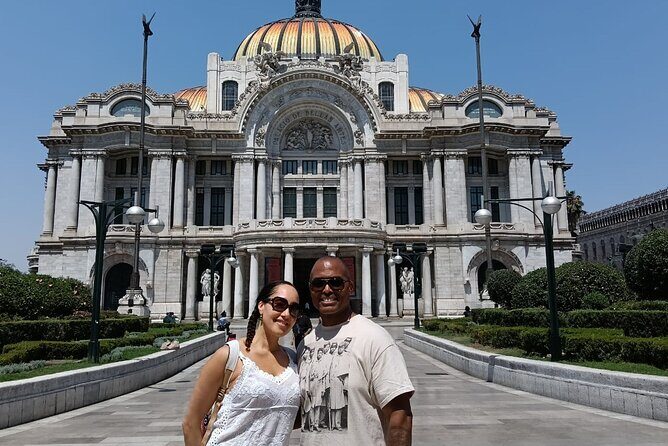
Palacio de Bellas Artes is where you get your bearings fast. The guide starts with an introduction to the city and the tour, then connects the palace to the country’s art world and the story behind the building.
What makes this stop valuable is not just the exterior. You get the kind of context that makes later stops click. When your guide explains what you’re looking for—style, purpose, and why the building matters—you’ll spot meaning in the next places instead of treating them like random photo spots.
One practical tip: wear shoes you trust. This area is very walkable, but you’ll be moving through several sites in a short window.
Palacio de Bellas Artes to Torre Latino: Art Meets Earthquake Survival
Next you head to Mirador Torre Latino. This is a landmark with real historical weight. The tower is described as the tallest building in Latin America when it first rose, and now it’s known for surviving three major earthquakes.
That earthquake-survival story is a good reminder that Mexico City is not a museum only. It’s a living metropolis where buildings have to endure, and your guide’s background helps you read the city as something resilient rather than frozen in time.
Admission here is listed as free, so you’re not forced to make a pay-or-pass decision before you even know what you want to see. Still, keep expectations realistic: this is a brief stop, so treat it as a viewpoint-and-photo moment with context, not a long observation session.
Palacio Postal: A Working Icon Made of Marble and Gold
Palacio Postal is often one of those places that feels more impressive than the time you get there. The standout details are the Italian marble and the gold decorations, and the best part is that it’s still working today.
That matters. A historic building that still functions changes how you experience it. You’re not just looking at a preserved object; you’re seeing daily life inside something designed for grandeur.
It’s also an easy win for your tour because the admission is free. That means you can focus on the building itself rather than logistics or extra purchases. Plan on a quick look around—enough to appreciate materials and design, but not enough to treat it like a full indoor tour.
Plaza Tolsa and El Caballito: A Classic Mexico City Balcony on the City
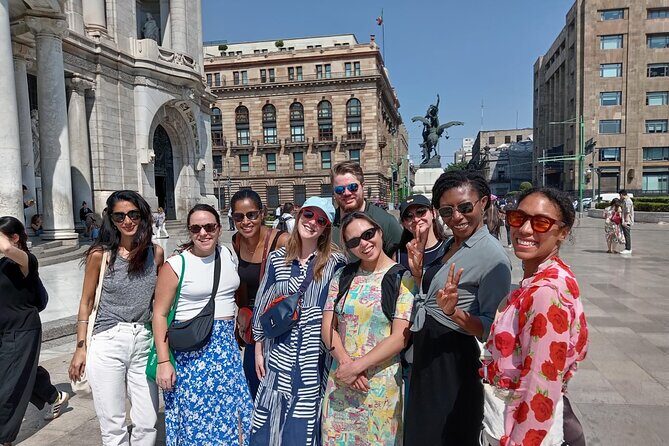
Plaza Tolsa gives you a break from interiors and brings you back to the open-city feel. This square sits near the National Art Museum and features the statue of El Caballito, Charles IV, in a dramatic pose that overlooks the city.
This stop works as a reset. You move from museum-like spaces into a viewpoint moment where you can reorient, take in the streets around you, and let your guide connect what you’re seeing to the larger historic-center layout.
Admission is listed as free, and that makes Plaza Tolsa a smart use of time. Even if you only spend a short stretch here, it helps the tour feel like a real walk through a district—not a checklist.
You can also read our reviews of more city tours in Mexico City




Palacio de Minería: Built in 1797 and Still Doing Something Historic
Palacio de Minería is a compact stop, but it carries a lot of age. The building dates to 1797 and is located in the historic center. Originally, it was used as a mining school, which gives it a totally different feel from the art and religious stops coming later.
This is one of the best places on the route to notice how Mexico City’s priorities have shifted over time. Early on, the focus is on education and industry. Later, the focus swings toward culture, faith, and monumental civic spaces.
You’ll have a short visit here (5 minutes on the plan), and the admission is included. That combination—short time plus included entry—suggests you’re meant to catch the highlights without turning the tour into a marathon.
House of Tiles: Blue-and-White Facade, Then Murals and Sculptures Inside
House of Tiles leans heavily into visual details. The building is known for its ornate facade covered in blue and white tiles. Inside, the décor includes murals, frescoes, and sculptures.
What I love about this stop for first-time visitors is how it trains your eye. The facade gives you a clear visual identity from the street. Then the interior art shifts the experience from decorative to story-driven—ideal if you like to connect what you see outside to what’s waiting inside.
The admission is included and the visit is about 15 minutes. That’s enough time to get the tile design in your head, then actually notice the kind of artwork placed throughout the building, without rushing through everything.
Pastelería Ideal: Learn the Baking Story, Then Try Something
Pastelería Ideal is where the tour turns from architecture into everyday culture. This is described as a historical pastry shop where you can learn the history of Mexican baking goods and also try them.
It’s a small stop, about 10 minutes, but it’s one of the most memorable kinds of breaks. Food is a fast way to understand a city’s culture, and a guided history helps you taste with context instead of guessing.
Admission is included, which is a relief because food stops can otherwise turn into surprise costs. Just remember the time window: you’re meant to sample and move on, not settle in for a full meal.
Templo Mayor Museum: An Aztec Ruin Right in the City Center
Museo del Templo Mayor is a major pivot point in the tour’s story. Here you’re looking at a real Aztec ruin in the middle of the city, and the guide discusses ancient civilizations of Mexico.
This stop changes the meaning of everything you saw before. Instead of thinking of Mexico City’s center as only colonial-era buildings and church domes, you start recognizing how layers of history overlap in the same streets.
It’s also quick (about 5 minutes) and admission is free. So treat it like a focused moment: notice what’s preserved and listen closely to the guide’s framing. If you want more time here, this is exactly the type of place you’d want to return to on your own for a slower, deeper look.
Zócalo: The Centerpiece Square You’ll Keep Seeing on Your Map
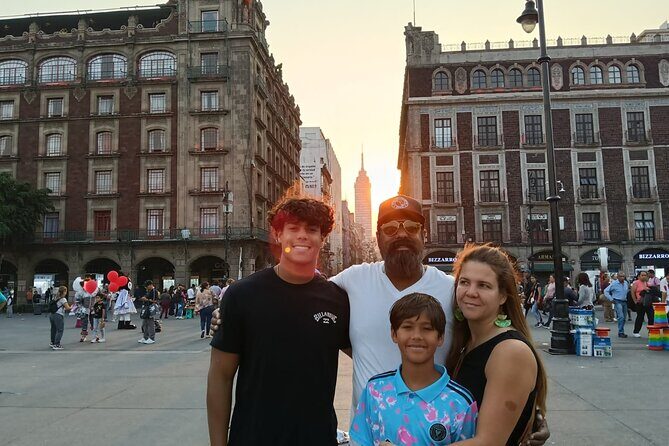
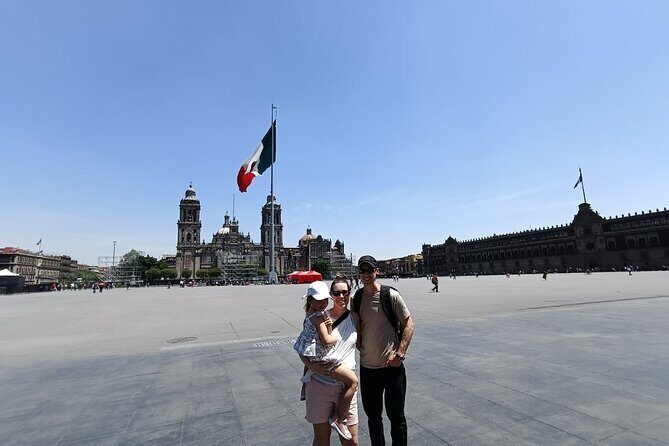
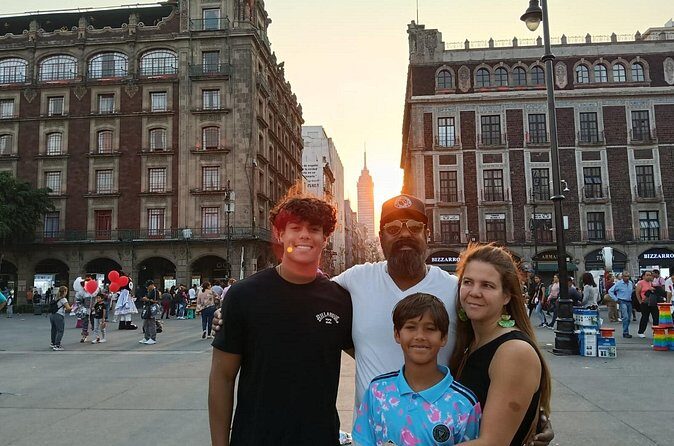
Then you arrive at Zócalo, described as the biggest square in this hemisphere and the second biggest in the world. It’s the center of the center of Mexico City, and it functions like the city’s heart.
Even if you’re not a square person, Zócalo does something important for trip planning. It gives you a visual reference point. After seeing it, you’ll understand the geography of the historic center faster when you explore later.
The stop is about 20 minutes and admission is free. That’s enough time to take photos, feel the scale, and connect the surrounding buildings to the story the guide has been building.
Mexico City Metropolitan Cathedral: The Most Important Church and Its Stories
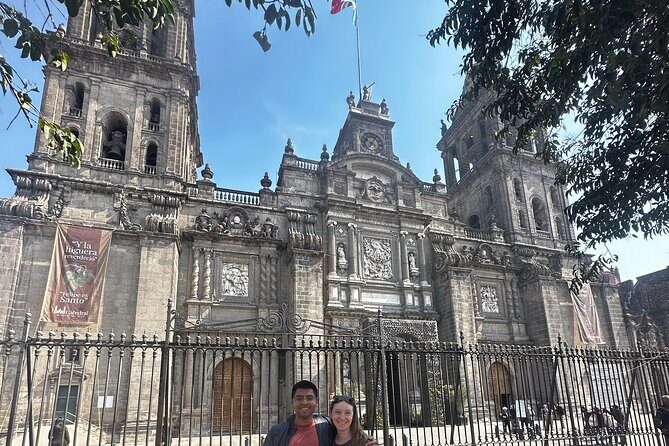
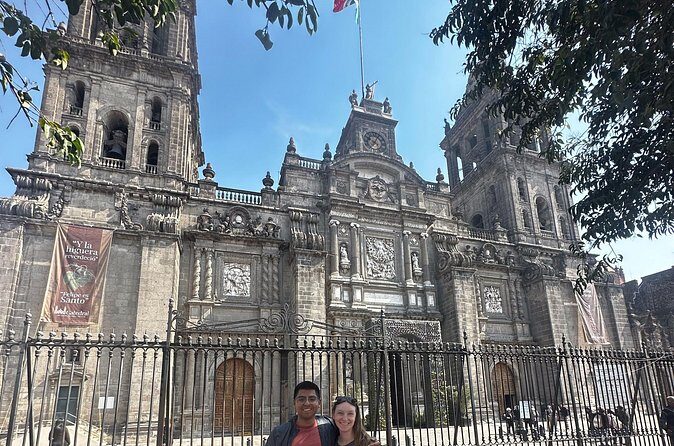
From the open square, you step into the biggest spiritual landmark on the route: Mexico City Metropolitan Cathedral. It’s described as the most important church in the country, with tons of stories to tell.
This is where your guide’s ability to explain matters. A cathedral can be impressive even if you don’t know the details. But with a guide providing context, you’ll start seeing why certain elements matter and what the building represents.
The planned time here is about 20 minutes and admission is free. That’s a good window for a careful look and for your guide to point out the layers of meaning. If the cathedral is a top priority for you, you might want to stay in the area a bit after the tour ends so you can revisit when things calm down.
Price and Value: Why $39 Can Work Well Here
At $39 per person for about 2 hours, the real value comes from what’s included. You get a professional tour guide, plus support via WhatsApp from the moment you book. You also get the benefits of a private tour for your group only, which helps if your questions go beyond basic facts.
Then there’s the admission mix. Several stops are listed as free, while others have admission included. That combination reduces decision fatigue and helps your money go toward guided time rather than extra tickets at every corner.
Group discounts are also mentioned, which is a plus if you’re traveling with friends or family. And the tour uses a mobile ticket, which usually means less hassle on the day.
Just keep one value rule in mind: this is a “high-impact highlights” style tour. You’ll see a lot, but you won’t fully exhaust each site. If your travel style is slow and museum-heavy, consider pairing this with one or two longer standalone visits afterward.
Pace, Timing, and Who This Tour Suits Best
The biggest thing you’re paying for here is focus. The route hits major anchors around the historic center, and the guide keeps the story moving between stops. The downside is that some places get only 5 to 10 minutes, so you’ll want to listen closely and decide fast what you want to photograph or explore.
This is a great match if:
- You’re short on time and want the center of Mexico City organized in your head
- You like guided context more than wandering alone
- You’re traveling as a small group and want a private experience
It’s also a good pick if you’re traveling with a little one, since the route is packed with landmarks but avoids long, tiring museum sessions.
A couple of guide strengths come through in the experience description and feedback. I’ve learned that guides like Carolina focus on detailed context, Alejandro provides strong historical and cultural framing, and Jesus can tailor the tour based on group feedback.
Should You Book This Mexico City Private Guided Tour?
Yes, if you want a fast, well-guided overview of Mexico City’s historic center with strong value from free and included admissions. For $39 and about two hours, you get a route that connects art, earthquake survival, working historic spaces, and Aztec remains, all with English guidance and WhatsApp support.
Skip it—or add time for follow-ups—if you hate short stops or you want deep museum time at every building. The tour is designed to help you choose what to see more of next, not to replace longer individual visits.
If your plan is to explore the city afterward on your own, this is one of the best ways to get your bearings without getting lost in the sheer number of impressive sights.
FAQ
How long is the Mexico City private guided tour?
The tour lasts about 2 hours.
Where does the tour start, and where does it end?
It starts at Palacio de Bellas Artes on Av. Juárez S/N in the Centro Histórico area, and it ends back at the meeting point.
Is this tour private or shared?
This is a private tour/activity. Only your group participates.
What language is the tour offered in?
The tour is offered in English.
Are admission tickets included?
Some stops list free admission, and others list admission as included (including entries like Palacio de Mineria, House of Tiles, and Pastelería Ideal).
Is private transportation included?
No, private transportation is not included.
Can I cancel for free?
Yes. Free cancellation is available up to 24 hours in advance for a full refund. If you cancel less than 24 hours before the start time, the amount paid will not be refunded.