REVIEW · MEXICO CITY
Mexico City: Hop-on Hop-off Bus Tour
Book on GetYourGuide →Operated by JULIA TRAVEL · Bookable on GetYourGuide
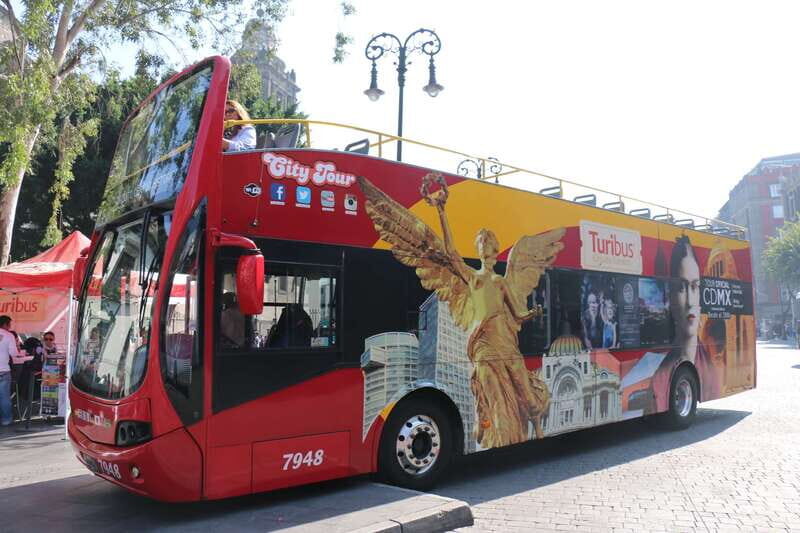
Mexico City can feel huge fast, but this hop-on hop-off tour gives you a simple plan. I like that you can switch between 4 routes and stay flexible all day. I also like the multilingual digital audio system, so you’re not stuck guessing what you’re seeing from the top deck.
The main thing to watch is comfort for long days: the buses are open-top double deckers with no restrooms, and the audio experience can be uneven depending on where you sit and which channel you’re on.
In This Review
- Key Things I’d Focus On Before You Ride
- Why a Hop-On Hop-Off Bus Works for Mexico City
- Routes at a Glance: Historic Downtown, Polanco, South, Basilica
- Historic Downtown Route: Zócalo to Reforma to the Museum Zone
- Polanco Route: Architecture, Design, and Shopping Stops
- South Route via Coyoacán: Frida Kahlo, UNAM, Markets, and Old Neighborhood Feel
- Basilica Route: Guadalupe and Garibaldi with a Time-Spanning Narrative
- Audio Guide Reality Check: Volume, Channels, and Headset Tips
- Practical Tips That Make or Break the Day
- Should You Book This Turibus Hop-On Hop-Off Bus Tour?
- FAQ
- How long is the Turibus Mexico City hop-on hop-off tour?
- Can I switch between the different routes on one ticket?
- Is the audio guide included, and what languages are offered?
- Do the buses have restrooms?
- Are the buses wheelchair accessible?
- What should I bring to hear the audio clearly?
Key Things I’d Focus On Before You Ride
- 4 routes on one ticket/bracelet so you can remix your day without paying again
- Historic Downtown connects the Zócalo area with major Reforma landmarks and museum zones
- Audio in many languages, plus a kids audio channel
- Open-top double-decker views are great, but the sun and metal seats can be brutal
- Traffic affects timing, so treat the schedule as a helpful guide, not a stopwatch
Why a Hop-On Hop-Off Bus Works for Mexico City
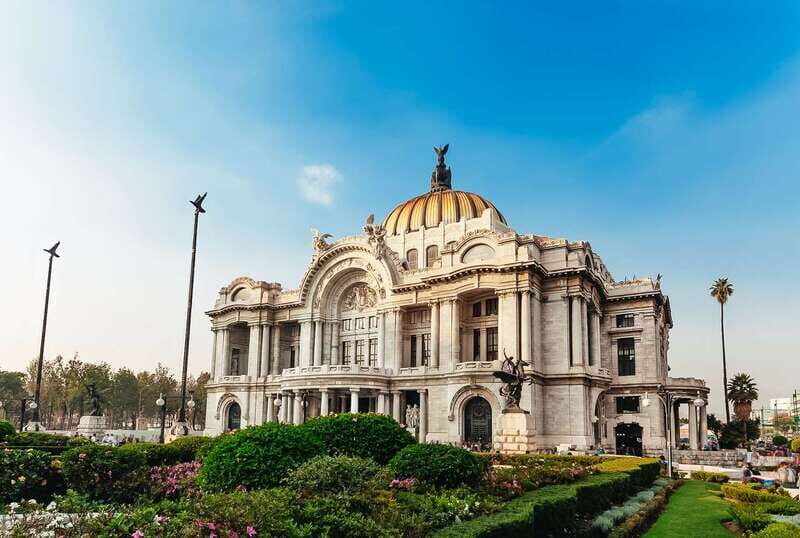
Mexico City is the kind of place where you want to see a lot but still breathe. This tour is built for that. Instead of committing to one fixed guided route, you ride, listen, and get off only when something clicks.
The value is the big draw. At about $21 per person, you’re buying both sightseeing and transportation. That matters here because taxis and ride-hailing can add up quickly, especially when you want to crisscross neighborhoods. With the hop-on hop-off format, you can use the bus like a moving base and then spend your time on foot where it’s worth it.
I’d also call out the “low stress” feel. You’re not wrestling with maps all day. You just pick a stop, then plan your walk around what’s nearby.
You can also read our reviews of more city tours in Mexico City

Routes at a Glance: Historic Downtown, Polanco, South, Basilica

One ticket covers 1 or 2 days, and one bracelet unlocks all routes and stops. That’s how you end up with a plan that actually fits your energy level.
Here are your four options, each with a different personality:
- Historic Downtown Route (runs daily 9:00 am–7:00 pm; about every 30 minutes)
Designed to hit Mexico City’s heavy-hitters: the Zócalo area, Reforma-area icons, and major museum zones.
- Polanco Route (starts from Auditorio; scheduled departures through the day)
Built for modern architecture vibes and shopping-focused stretches.
- South Route (daily 11:00 am–7:00 pm; about every 1 to 1.5 hours)
The “old Mexico meets artsy neighborhoods” option, with stops that make Coyoacán easy.
- Basilica Route (from Zócalo; scheduled departures through the day)
A religious-and-historical route that’s especially useful if you’re prioritizing Guadalupe.
In practice, this lets you do something like: start with the Downtown circuit for orientation, then spend your second day picking the route that matches your interests.
Historic Downtown Route: Zócalo to Reforma to the Museum Zone
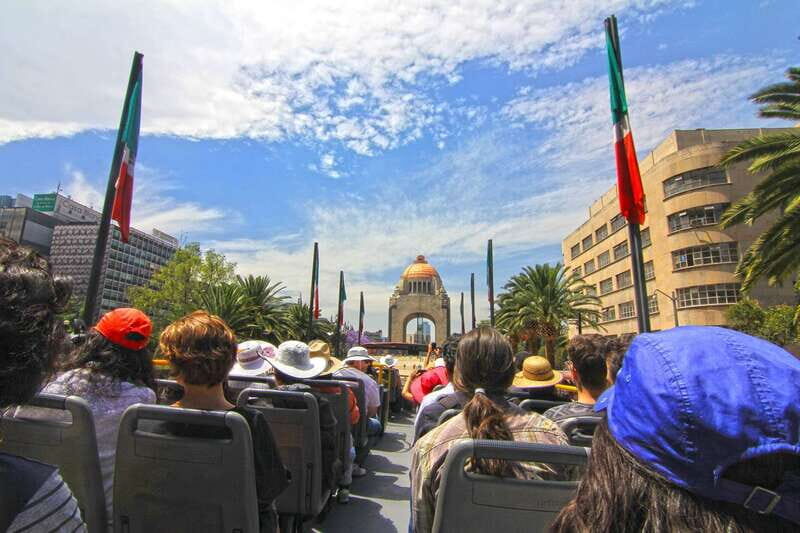
If you only have a day, this is usually the one you’ll want first. It’s the route that strings together the most recognizable parts of the city, plus enough museum stops to keep it interesting when you’re tired of walking.
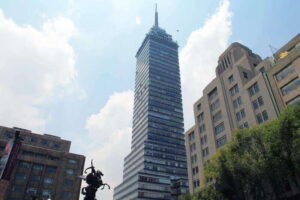
On this circuit, you’ll see stops including Auditorio, Museo del Arte Moderno, Condesa, Cibeles (Plaza Madrid), and Monumento a la Independencia. Then you roll into the core landmark stretch: Glorieta a Colón, Hemiciclo a Juárez, and the big draw, Zócalo.
What makes this route practical is that it creates multiple “mini plans” along the way. Here’s how you can use it:
- Use Zócalo as your walking anchor. It’s the city’s key activity center, and it’s a natural place to pause and explore at your own pace.
- Plan a museum detour using stops like Museo Franz Mayer or the Museo de Cera y Ripley’s stop if you want something lighter.
- If you want the grand scale of Mexico City’s monuments, spend time around Reforma stops like Reforma-Insurgentes and Monumento a la Revolución.
The route also reaches Museo de San Carlos and heads toward Museo de Antropología, which is a huge museum payoff if you have the stamina. You’re essentially moving through eras—pre-Hispanic influence, colonial-era context, and modern city structure—without having to coordinate separate transport.
One note: because it’s a busy corridor, you may lose some time to congestion. That’s not a tour flaw; it’s Mexico City traffic. Still, it affects how long your on-foot plans will last.
Polanco Route: Architecture, Design, and Shopping Stops
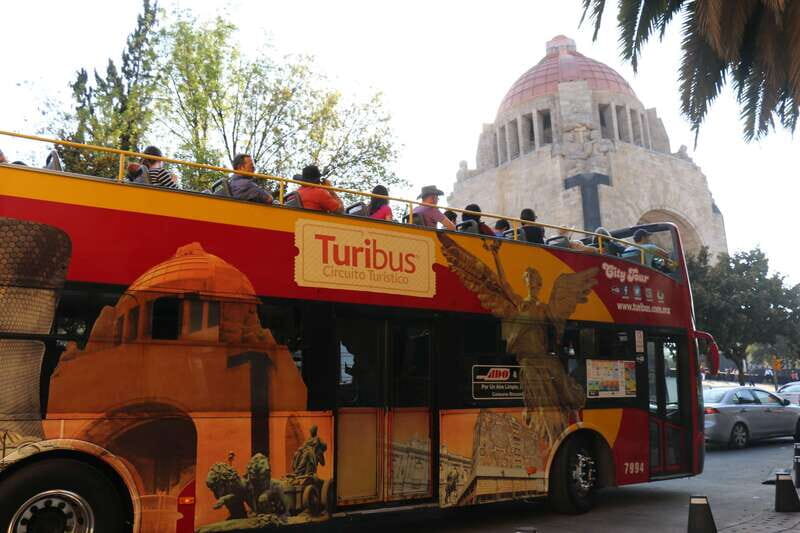
If you want “Mexico City, but sleek,” the Polanco route is the one. The stops listed here are all about modern style and upscale areas—starting from Auditorio, then moving through Arquímedes Campos Elíseos and Masarik/Moliere.
You’ll also get key stops like Centro Comercial Antara and Museo Soumaya. This route is built for people who want a quick way to see Polanco’s layout without paying for multiple rides.
What’s especially useful is how it pairs “walk and window shop” with “sit and look.” Even if you don’t shop, you can use the bus as a visual map of where the best blocks are. And if you do museum time, Museo Soumaya is the kind of stop that’s worth treating as a real visit, not just a photo stop.
A downside to know: Polanco is popular. Expect crowds at the famous stops, especially when schedules line up with other attractions.
South Route via Coyoacán: Frida Kahlo, UNAM, Markets, and Old Neighborhood Feel

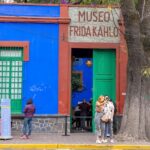
This is the route with the most “neighborhood magic per mile.” It includes stops tied to Coyoacán’s personality and artsy-meets-local daily life—like Museo Frida Kahlo, Centro Histórico Coyoacán, and Centro Cultural San Ángel.
You’ll also see Mercado Roma and Mercado Roma Coyoacán, which is a real cue that this isn’t just sightseeing-only. It’s built for food and people-watching breaks. Other notable stops include Rectoría de la UNAM, Estadio de C.U, and Jardín botánico, so you can mix city views with calmer, greener interludes.
Here’s the practical reality: this route can take time because getting across the city can be slow. I’d plan it like this:
- If you’re going to Museo Frida Kahlo, try to get going early in your day.
- If traffic hits, shorten your on-foot plan so you’re not stuck rushing to catch the next bus.
There are also stops like Plaza Oasis Coyoacán, KidZania Cuicuilco, and Centro Comercial Perisur, which can be helpful if you want options for breaks, snacks, or indoor time.
This route is also ideal if you want a break from pure monuments. It gives you textures: markets, historic streets, and the feeling of a district with its own rhythm.




Basilica Route: Guadalupe and Garibaldi with a Time-Spanning Narrative
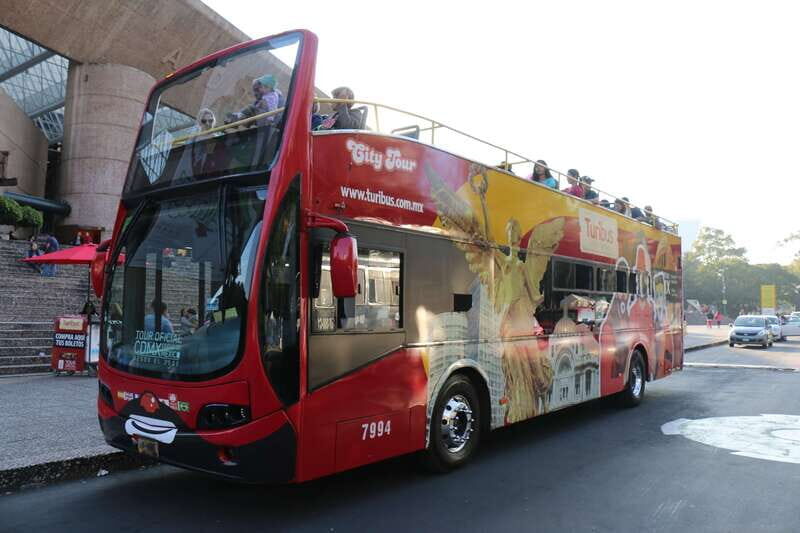
If your trip has one must-see religious stop, this route is built for it. The Basilica Route runs from Zócalo (with scheduled departures throughout the day) and includes Garibaldi, Basílica de Guadalupe, and Palacio de los Condes de Miravalle.
The value here is focus. Instead of scattering your time across too many areas, this circuit concentrates on the corridor tied to Guadalupe. If Basílica de Guadalupe is on your list, this is a smart way to structure the day.
It also helps you learn as you ride. The tour’s audio is designed to connect pre-Hispanic, colonial, and modern layers of the capital. Even if you only stop for a portion of the route, you get context that makes the visit feel more meaningful.
One caution: Guadalupe and Garibaldi areas can be busy. I’d expect crowds and allow extra time for transfers and walking.
Audio Guide Reality Check: Volume, Channels, and Headset Tips
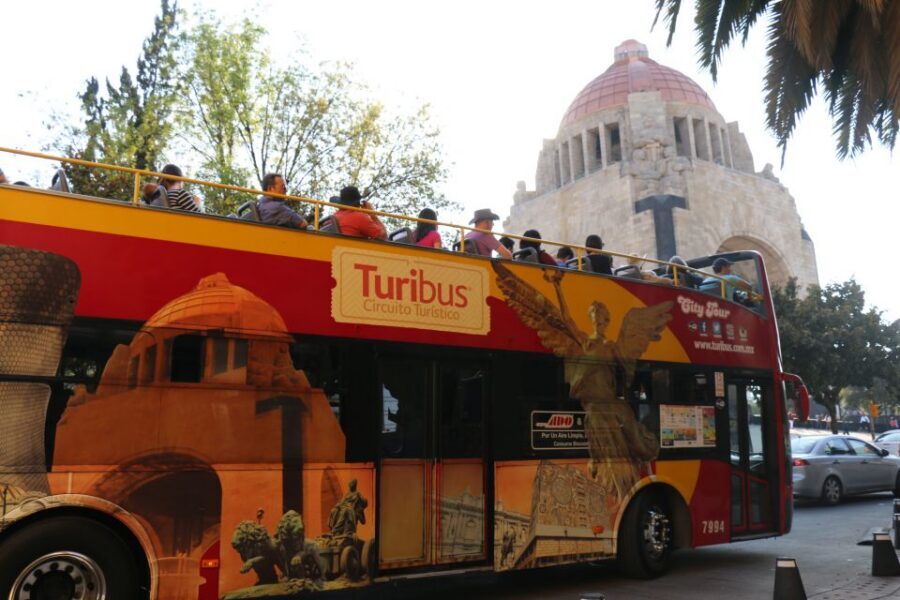
The audio guide is a big reason this tour feels smarter than random bus rides. You get a multilingual digital system, and there’s a special audio channel for kids.
But the experience can vary based on how you listen:
- The overhead announcement can be Spanish only, so you’ll rely on the audio channel for other languages.
- Several riders noted that the Spanish audio can be loud, sometimes overpowering the English channel through headsets.
- If you’re sitting near the bus speaker area, you may struggle to hear the English playback clearly.
You’ll want to do one simple thing: bring your own earphones. Even when the tour provides audio gear, some buses may have limited compatibility (like missing earphone jacks). If your headset options are limited, make sure you can plug in and hear the channel you selected.
Also, keep expectations realistic with timing. In some cases, the audio narration may cut off before it finishes. So if something grabs your attention, use it as a cue to get off and read signs on the ground.
Practical Tips That Make or Break the Day
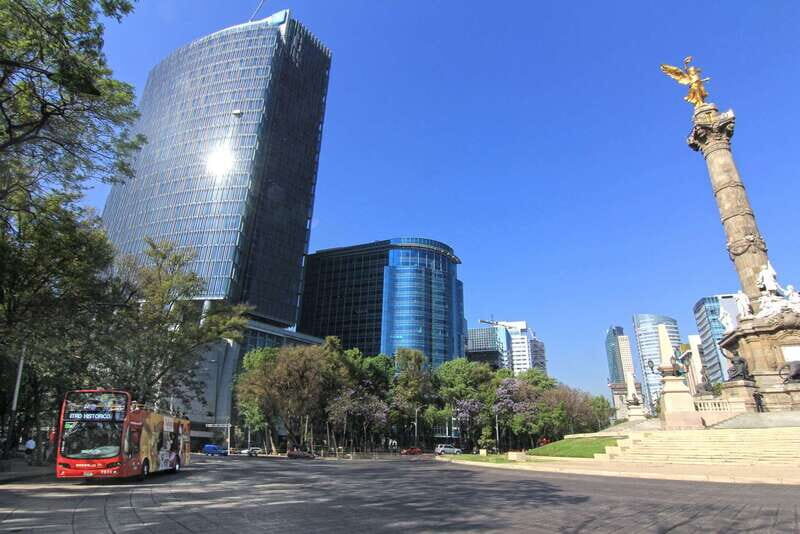
Here are the small decisions that save you time and comfort:
- Top deck = great views, not great heat. In warmer months, the metal seats can get painfully hot. Morning and early evening rides tend to feel much more pleasant.
- No restrooms onboard. Plan quick breaks at stops where you actually plan to walk inside or explore.
- Traffic will change your rhythm. Even with planned frequencies (like the Downtown route’s roughly every 30 minutes), congestion can extend waits and travel time.
- Plan your route order. A good strategy is to do the longest “time risk” parts earlier. For example, the South route can take longer because of crossing travel time, so front-load it if you can.
- Expect small stop-name mismatches. Some stop points may not be exactly at the spot you imagine from the name, so give yourself a few extra minutes to find the nearest pickup.
For staff help, I found it’s worth asking questions on the spot. I’ve seen positive mentions of guides such as Lillie and Ellie, and also Cristian and Diane, and a guide named Estefania. When you’re trying to line up your transfers, a quick question to the team can save you stress.
Also, don’t assume the hours match what an app might show. One common issue is that the Historic route is often run 9:00 am to 7:00 pm, even if you see a longer window in an interface.
Should You Book This Turibus Hop-On Hop-Off Bus Tour?
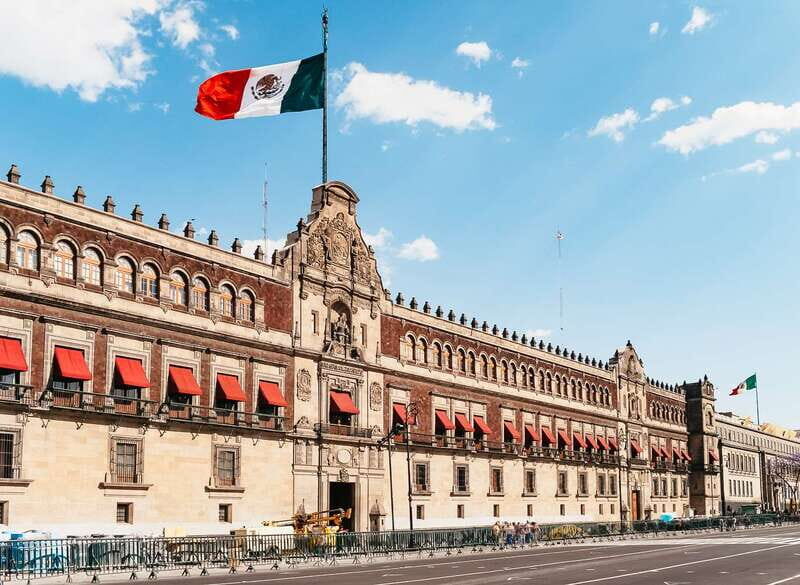
Yes—if your goal is smart coverage with flexibility. This is a strong choice for first-timers who want to see major neighborhoods, grab a quick orientation, and then return on foot (or by museum ticket) to what matters most. The 4-route system is the real win.
Book it especially if:
- You have 1 to 2 days and want a structured but flexible plan.
- You like audio-guided context while you ride.
- You’re okay building your day around stop locations and bus frequency.
Skip it (or at least adjust your expectations) if:
- You need guaranteed quiet audio—because the Spanish channel and announcements can be loud.
- You hate open-top heat or you’ll need frequent restroom access.
- You want a purely guided, off-the-bus walking experience instead of a transport-first sightseeing format.
If you’re practical about timing, bring your own earphones, and plan for the afternoon sun, this tour delivers a lot of Mexico City for the price.
FAQ
How long is the Turibus Mexico City hop-on hop-off tour?
The ticket is valid for 1 or 2 days, and the Downtown and other routes operate within set daily hours (for example, the Historic Downtown Route runs daily 9:00 am to 7:00 pm).
Can I switch between the different routes on one ticket?
Yes. You get a single bracelet that works for all routes and stops, so you can hop on and off and switch circuits during your ticket validity.
Is the audio guide included, and what languages are offered?
The tour includes a multilingual digital audio system. Languages listed include Spanish, English, German, French, Italian, Chinese, Japanese, Portuguese, and Russian, plus a separate audio channel for kids.
Do the buses have restrooms?
No. The buses are open-top double-decker and do not have restrooms.
Are the buses wheelchair accessible?
Yes. The tour is listed as wheelchair accessible.
What should I bring to hear the audio clearly?
Bring your own earphones/headphones. Some buses may have limited headset compatibility, and the Spanish announcement can be loud compared to other language channels, making your own headset a helpful backup.