REVIEW · MEXICO CITY
Trekking Through The Volcanoes
Book on Viator →Operated by México Travesías · Bookable on Viator
A volcano hike that beats city noise fast. What I like most is the small-group pace and the fact that lunch is built into the day. One thing to plan for: this is altitude hiking, so it can feel tougher than the trail looks, especially uphill.
You’ll get picked up in Condesa (Av. Vicente Suárez 38) at 7:00am and driven about two hours toward Iztaccíhuatl–Popocatépetl National Park. Then you’re off on a route that targets big viewpoints without turning the whole day into a bus tour.
In This Review
- Quick hits before you go
- Why this volcano trek feels different from a standard day tour
- Getting to the mountains: a morning pickup that matters
- The route that targets viewpoints: Paso de Cortés, Altzomoni, and Amalacaxco
- How hard is it really? Altitude plus distance options
- What you actually carry: poles, a backpack, and safety gear
- Lunch in a traditional market: more than a token sandwich
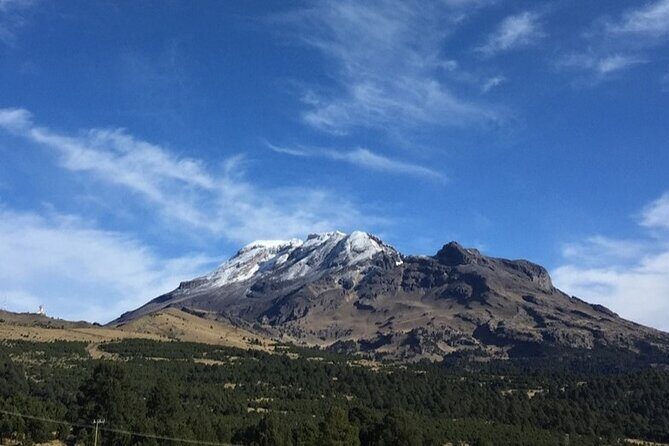
- Views you’re paying for: forests, ice-touched terrain, and Popocatépetl activity
- What to pack (based on how this trip actually feels)
- Who this volcano trek is best for
- How guides can change your experience (and what to watch for)
- Pricing and value: what $133.34 buys you in real terms
- Should you book this trek? My straight answer
- FAQ
- What time does the tour start?
- How long is the trek?
- What’s included in the price besides the guide?
- What food and drinks do I get during the day?
- Do I need to bring trekking poles or a backpack?
- Is there a choice of hiking distance?
- How big are the groups?
- Is this tour good for beginners?
- What should I pack for weather and temperature?
Quick hits before you go
- Max 13 travelers keeps this feeling more like a guided hike than a cattle-call.
- Paso de Cortés → Cerro Altzomoni → Amalacaxco is a classic viewpoint loop with multiple changes in scenery.
- Trekking poles + a packed daypack (snacks, water, and your lunch) means you’re not scrambling for gear.
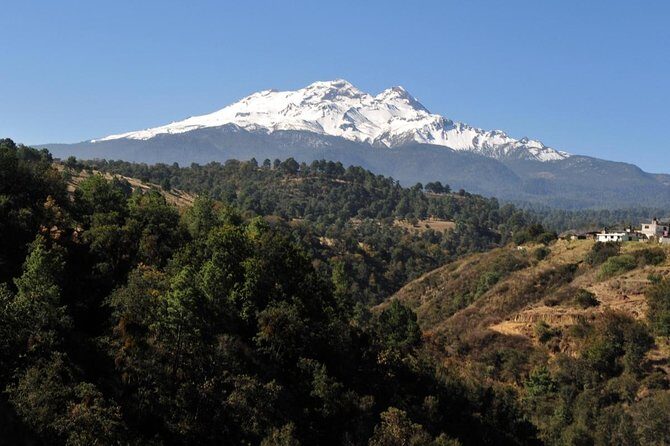
- Fumaroles and glaciated peaks are part of what makes the Popocatépetl side so compelling on clear mornings.
- Road time at the end can be the least fun part for some people, since it’s not trail-only the whole way back.
Why this volcano trek feels different from a standard day tour
This isn’t just a drive-and-look-at-a-view kind of outing. You’re actually moving through the park between two of Mexico’s most famous volcanoes, with frequent chances to stop, breathe (carefully), and take in what’s around you.
The best value here is how practical it is for a half-day commitment of effort. You’re paying for a guided outing that covers transportation, gear, safety equipment, and food. That lets you focus on one job: hiking steadily enough to enjoy the views, not just survive the steep parts.
You can also read our reviews of more hiking tours in Mexico City
Getting to the mountains: a morning pickup that matters
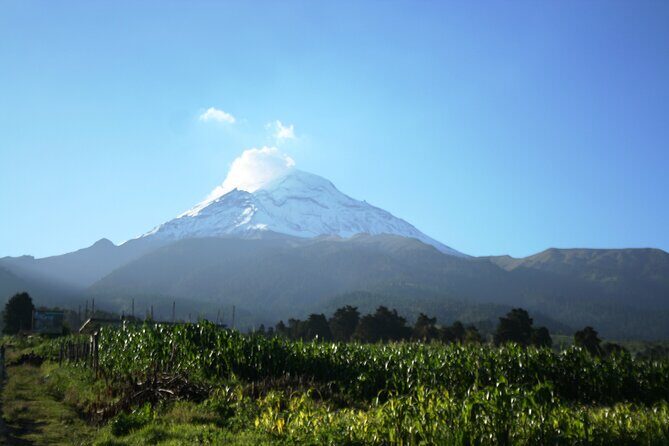
Your day starts early at 7:00am, picked up at Av. Vicente Suárez 38, Colonia Condesa. That early start is a gift. You get more likely weather and better light for photos before the sky turns into a hazy afternoon.
The drive is about two hours each way, and the roads can be winding. If you get car sick, you’ll want to plan ahead—one person even flagged that sitting toward the front can help. There are also restroom stops during the drive, but the key thing is this: the hiking portion doesn’t come with trail facilities, so you’ll want to be ready before you park the van.
The route that targets viewpoints: Paso de Cortés, Altzomoni, and Amalacaxco
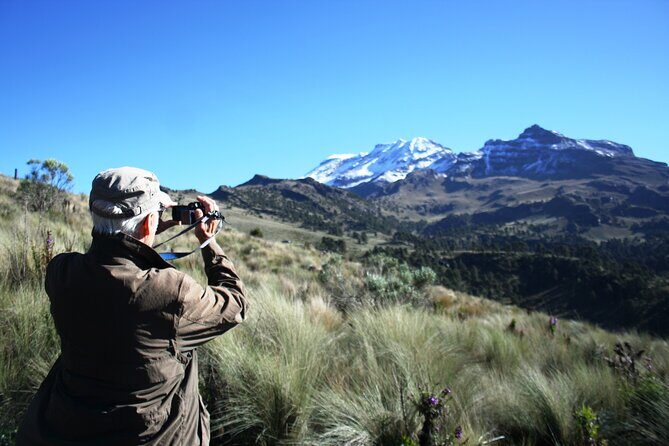
The hike begins at Paso de Cortés, where you’ll walk through forested sections with Iztaccíhuatl in front of you. This is the first “feel the altitude” moment: cool air, thinner lungs, and footing that can shift from easy dirt to rockier ground.
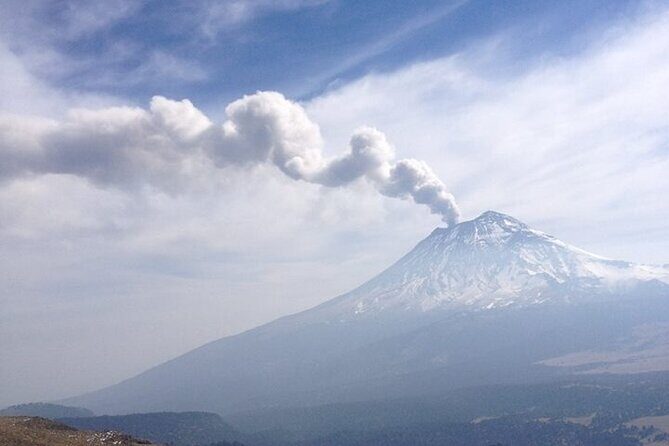
Next you’ll climb toward Cerro Altzomoni for an impressive look toward Popocatépetl, including fumaroles when conditions allow. Even if you’ve seen volcanoes in photos, seeing those active details up close hits differently.
Then comes the descent toward the Amalacaxco ravine, where the air cools, the terrain changes, and you can spot more of the park’s variety—flora up close, and sometimes fauna if you’re lucky and quiet. The loop idea is smart because it keeps you from repeating the exact same path back.
Finally, you return toward Paso de Cortés to finish the trekking portion.
One practical downside: the end of the day can include some walking on a road rather than pure trail. People who felt that sting often said the first stretch was fantastic, and the last part wasn’t as fun.
How hard is it really? Altitude plus distance options
This is a strenuous day for many people, even when the trail itself isn’t technical. The biggest factor is altitude. You’re operating around high elevation—one guide-and-group account pegged it around 13,000 feet, and other notes referenced starting around 3,600m. That means you can do everything “right” and still feel winded uphill.
The experience tends to match an intermediate hiking day:
- You’ll be walking several hours, with steeper climbs and long stretches.
- Expect slick spots at times, depending on conditions.
- One strong hint: in addition to fitness, think about how you handle breathing at altitude.
There’s also an option some hikers referenced between about 9km and 13km. If you want a shorter day with less time in the thin air, pick the shorter route. If you want the bigger payoff and longer walking time, the longer loop is where many people said the experience really clicked.
Pacing matters. Guides in this program (including people named Bernardo, Carlos, Alan, and Sergio) are described as attentive to the group and willing to check in and adjust breaks. That can make a huge difference when you’re trying to avoid pushing too hard too early.
What you actually carry: poles, a backpack, and safety gear
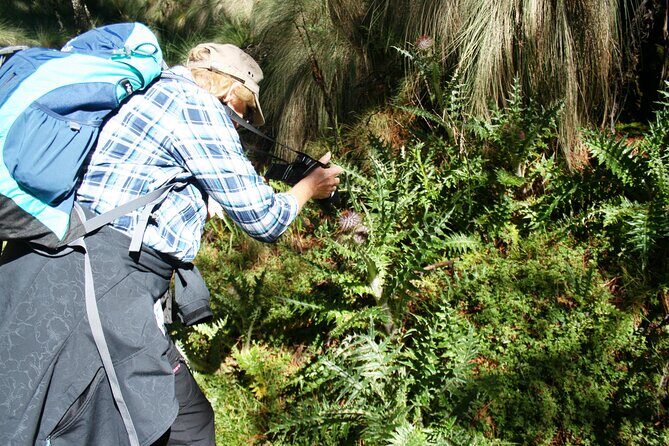
You don’t need to show up with trekking poles or a loaded backpack. The tour provides:
- Trekking poles
- A backpack with your lunch and snacks
- Guides who carry security equipment
That last point matters. It doesn’t turn the day into an extreme expedition, but it does add a layer of confidence for a volcano environment where you don’t want to improvise.
In your provided pack you can expect a mix of:
- 1 liter of water
- 600ml energy drink
- Chocolate energy bar
- Peanuts and fruit snack
And the plan includes a proper meal stop after the hike.
If you’re the kind of hiker who likes to feel prepared, still consider packing your own extras: a warm layer, sunscreen, and something for wind. But you won’t be stuck carrying everything from scratch.

Lunch in a traditional market: more than a token sandwich
Lunch is included, and it’s not just one bland wrap. You’ll stop for food in a traditional market, and the menu style described is very Mexico City–appropriate: tacos and quesadillas at local spots.
There are also additional snack components carried during the hike, so you can take bites before you’re starving. One person even described the roadside food afterward as a satisfying finish around the early afternoon.
The value here is timing. You’re not waiting until you’re exhausted and then trying to eat something fast. You’ll likely get fed when you’re still mobile enough to enjoy it, which makes the whole day feel more like a real outing and less like a workout with a meal tacked on.
Views you’re paying for: forests, ice-touched terrain, and Popocatépetl activity
This hike hits a variety of mountain scenes in one morning-to-afternoon stretch:
- forest walking early on
- viewpoint climbs where you’re rewarded with big volcano lines
- fumarole areas around Popocatépetl, when visibility cooperates
- ravine scenery with changes in plants and terrain
You might also get glaciated-peak views in the mix. One hiker talked about seeing water features with icicles in colder conditions, which is a reminder that temperatures can swing fast even when the sun looks friendly.
Weather can make or break the photo quality. The tour expects good conditions, and if weather shuts things down, you’ll be offered an alternative date or a refund. That’s not a small detail—volcano views are the product.
What to pack (based on how this trip actually feels)
Even though the tour supplies poles and a lunch pack, you’ll want to be comfortable in layers. What people reported:
- Start cool and climb into warmer temps
- Wind can pick up
- Morning can feel cold enough to require a warm jacket or fleece
- By the end, some hikers were down to lighter layers
Also consider these practical tips that came up in real hiking notes:
- Bring a hat and sunglasses
- If you’re sensitive to dust/ash, you may want something to cover your mouth and nose
- If you get carsick easily, plan for the winding drive
- There’s no trail facility setup, so bathroom access on the drive matters; bringing some cash was specifically advised by at least one hiker
Who this volcano trek is best for
This is a great fit if:
- You want to get out of Mexico City quickly and experience the volcano belt on foot
- You like guided hiking with a small group and frequent stops
- You’re comfortable at altitude or at least ready to take it slow
- You want practical gear and food handled for you
It might be less ideal if:
- You want an easy stroll with minimal exertion
- You hate any chance of a road-walking segment at the end
- You’re expecting nonstop talking from the guide. Some guides are very chatty and informative, while others are more quiet and question-driven.
How guides can change your experience (and what to watch for)
One of the strengths of this tour is the range of guidance styles people experienced, from very interactive guides who explain flora, fauna, and the geography of what you’re seeing to others who stayed quieter and focused on pace and safety.
Either way, the guide role is clear: keep the group together, manage altitude pacing, and make sure you’re not pushing beyond what makes sense. Names you’ll see associated with strong days include Bernardo, Carlos, Alan, Sergio, and Alberto. When the guide is talkative, the park becomes even more interesting because you’re not just looking—you’re learning why these slopes look the way they do.
If you want more commentary, bring curiosity with you. Asking questions at the viewpoints is an easy way to get the extra context you’re hoping for.
Pricing and value: what $133.34 buys you in real terms
At $133.34 per person, you’re not just paying for a hike. You’re buying a bundle:
- round-trip transportation
- guide support (small group)
- trekking poles and backpack
- included lunch and substantial snack supply
- security equipment carried by the guides
You can sometimes piece together cheaper trips by arranging transport and bringing your own food, but you’d be doing more work and assuming more risk around gear and timing. Here, you’re paying for a well-organized day that’s designed to run smoothly from pickup at 7:00am back to the starting area.
For many hikers, the biggest value is the reduction in logistics. In this kind of environment, comfort and readiness count.
Should you book this trek? My straight answer
Book it if you want a guided, small-group hike between two volcanoes, with included lunch and provided gear, and you’re okay with altitude being the real boss of the day. The viewpoint-focused route—Paso de Cortés, Cerro Altzomoni, and down toward Amalacaxco—works well for people who want variety without spending days planning.
Skip it or adjust expectations if you’re seeking an easy walking level. Also be aware that the end of the day can include some road walking, and not every guide will be equally chatty.
If you’re in decent shape, go early, dress in layers, and take the first climbs slow, this is one of the more rewarding ways to feel Mexico City’s nearby mountains without feeling like you’re doing everything on your own.
FAQ
What time does the tour start?
It starts at 7:00am. You’re picked up at Av. Vicente Suárez 38, Colonia Condesa.
How long is the trek?
The duration is listed as about 9 hours (approx.), including transportation time.
What’s included in the price besides the guide?
Private transportation is included, along with trekking poles and a backpack. Lunch is included, and guides carry security equipment.
What food and drinks do I get during the day?
Your backpack includes 1 liter of water, 600ml of energy drink, a chocolate energy bar, peanuts, and fruit snacks. Lunch includes tacos and quesadillas eaten in a traditional market.
Do I need to bring trekking poles or a backpack?
No. Trekking poles and a backpack are provided as part of the tour.
Is there a choice of hiking distance?
Some participants described a choice between about 9km and 13km. Your exact route length depends on how the day is run.
How big are the groups?
This experience caps group size at a maximum of 13 travelers, for a more personal hike.
Is this tour good for beginners?
The tour says most travelers can participate, but it’s still an altitude hiking day with steep uphill segments at times. Good physical fitness and comfortable hiking on uneven ground will help.
What should I pack for weather and temperature?
Bring layers. It can be cool in the morning and warmer later. A warm jacket or fleece is helpful, and hikers also mention items like a hat and sunglasses.