REVIEW · MEXICO CITY
Mexico City: Templo Mayor Skip-the-Line Entry Ticket
Book on GetYourGuide →Operated by Amigo Tours LATAM · Bookable on GetYourGuide
The Aztecs are waiting inside Mexico City. With skip-the-line access to the Templo Mayor museum, you can walk straight to the temple ruins area and start exploring without the usual ticket chaos. I also like that your entry is handled via turnstiles, so you don’t linger at the ticket office.
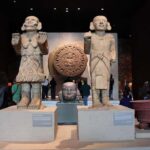
I love the museum’s structure: 8 rooms that walk you through Mexica religious life through the gods they honored. You’ll notice the layout split by theme, with the south rooms tied to Huitzilopochtli and the north rooms tied to Tlaloc.
One consideration: this is entry only with no guide included, so you’ll rely on the signage and your own curiosity. Also, at least one visitor flagged that bringing a water bottle can be an issue, even if it’s in a backpack.
In This Review
- Key things that make this ticket worth your time
- Skip-the-Line Entry at Templo Mayor: What You Actually Gain
- Where the Museum Fits: The Mexica Heart of Tenochtitlan
- The 8 Museum Rooms: Your Walk Through Mexica Gods
- South Rooms and Huitzilopochtli: Solar Power and War
- North Rooms and Tlaloc: Rain, Water, and Survival
- Up to 7,000 Objects: Why the Museum Works With the Ruins
- How to Pace a 1-Day Visit Without Rushing
- Entry-Only Means You’ll Self-Guide (So Use This Trick)
- Water Bottles, QR Codes, and Other Real-World Friction
- Ticket Price and Value: Is $29 Reasonable Here?
- Who This Works Best For (And Who Might Want Another Option)
- Booking and Using Your Ticket Without Stress
- Should You Book This Templo Mayor Skip-the-Line Ticket?
- FAQ
- Where is this experience located?
- How long does the activity take?
- What does the ticket include?
- Is a guide included?
- Do I need to meet someone at the entrance?
- Do I queue at the ticket office?
- How will I receive my tickets?
- How many rooms are in the museum?
- Which gods are featured in the rooms?
- What booking options are available?
Key things that make this ticket worth your time
- Skip-the-line turnstile entry: you go in through a separate entrance rather than queuing at the ticket office.
- 8 rooms inside the museum: you’re not just looking at ruins from outside the fence.
- God-focused room layout: south rooms connect to Huitzilopochtli, north rooms to Tlaloc.
- Artifacts in the right setting: the museum houses up to 7,000 objects designed to complement the archaeological zone.
- Self-paced visit within 1 day: pick a starting time, then explore at your own pace.
Skip-the-Line Entry at Templo Mayor: What You Actually Gain
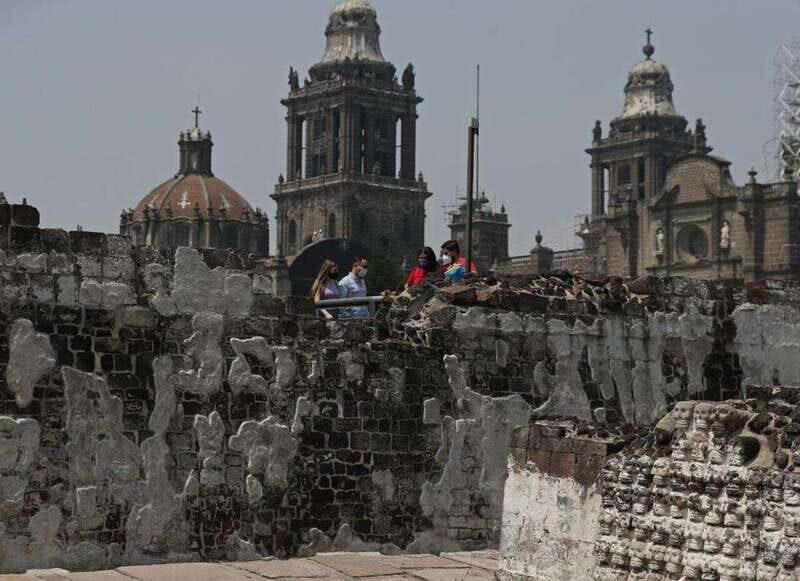
Templo Mayor is the kind of place where time matters. If you get stuck waiting at the wrong moment, the whole visit starts to feel like a commute instead of a journey back to Tenochtitlan.
This ticket gives you skip-the-line access and directs you through turnstiles. That means you’re aiming to enter quickly and begin exploring as soon as you arrive, using the separate entrance rather than hovering near the ticket counter. For many people, that alone is the difference between seeing the museum rooms calmly versus rushing the last sections.
The other practical win: the ticket isn’t tied to a meet-up with a person. Your entry info comes to you electronically (email or WhatsApp), so you’re not hunting for a group leader on arrival.
A few more Mexico City tours and experiences worth a look



Where the Museum Fits: The Mexica Heart of Tenochtitlan
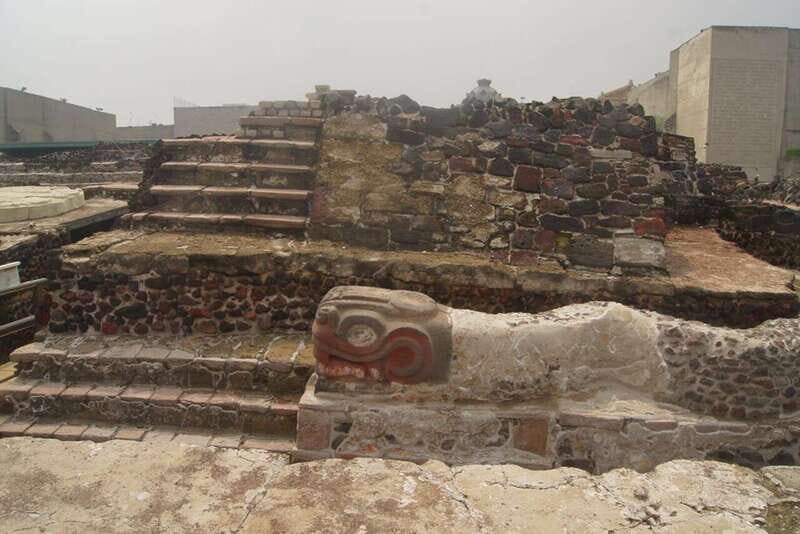
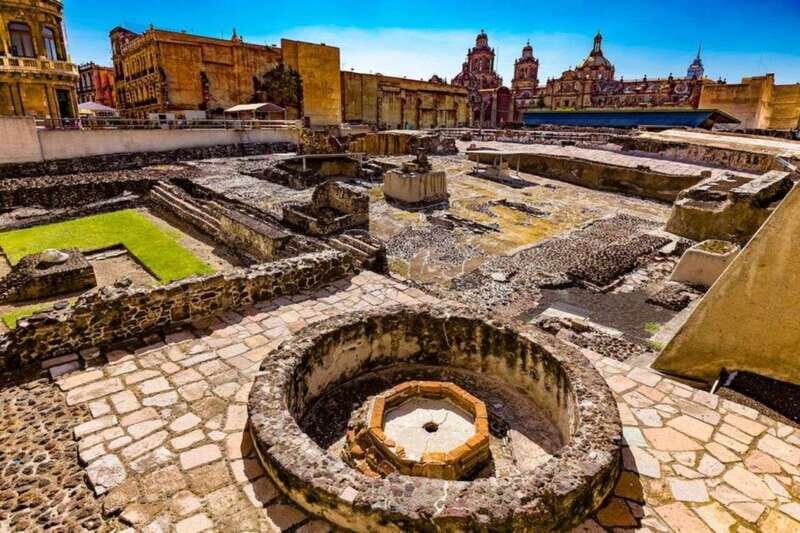
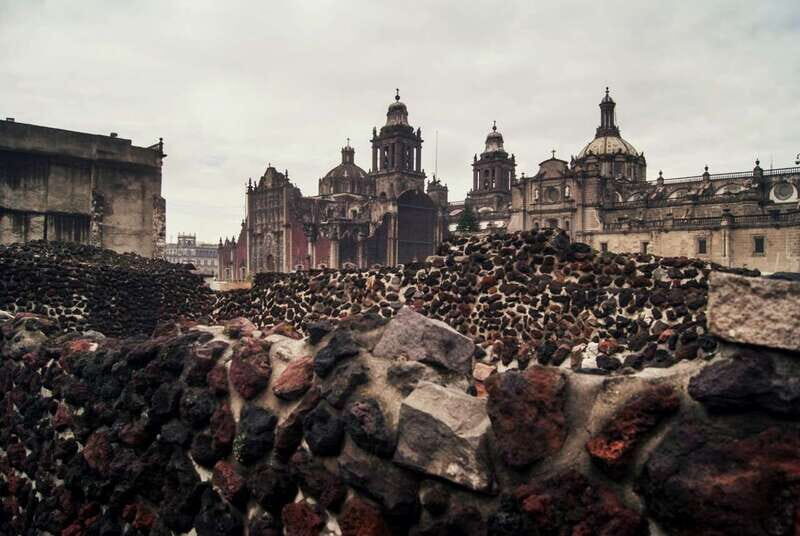
What makes Templo Mayor special is that it’s not a generic “Aztec-themed” museum stop. You’re visiting a major Mexica religious site, centered on the temple complex in Tenochtitlan.
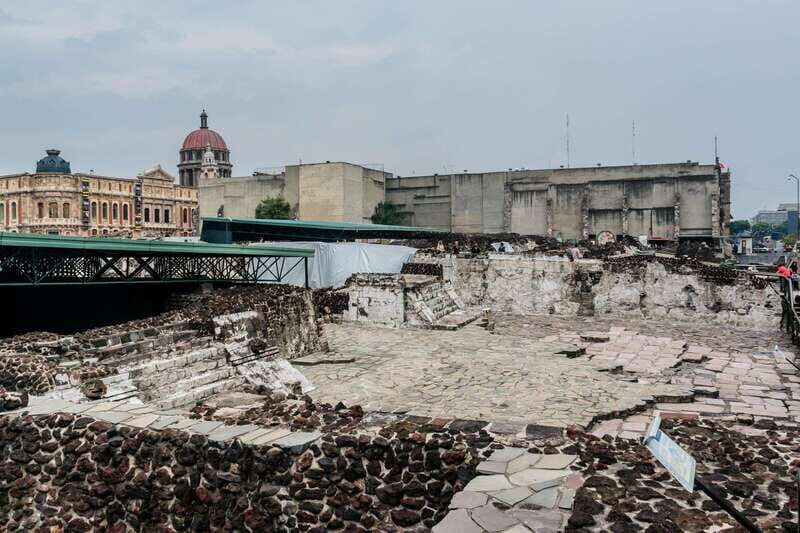
As you move through the experience, you’re looking at vestiges of the original Templo Mayor and the museum display that surrounds them. The temple setting was the center of Mexica religious life and also a symbol of what the Aztecs achieved in conflict and power. That framing matters because it turns the ruins and artifacts into a story, not just a pile of old stones.
The layout also reflects how the Mexica thought about the divine. The experience is organized around temples dedicated to different gods, so you walk through a space that mirrors the religious logic of the place.
The 8 Museum Rooms: Your Walk Through Mexica Gods
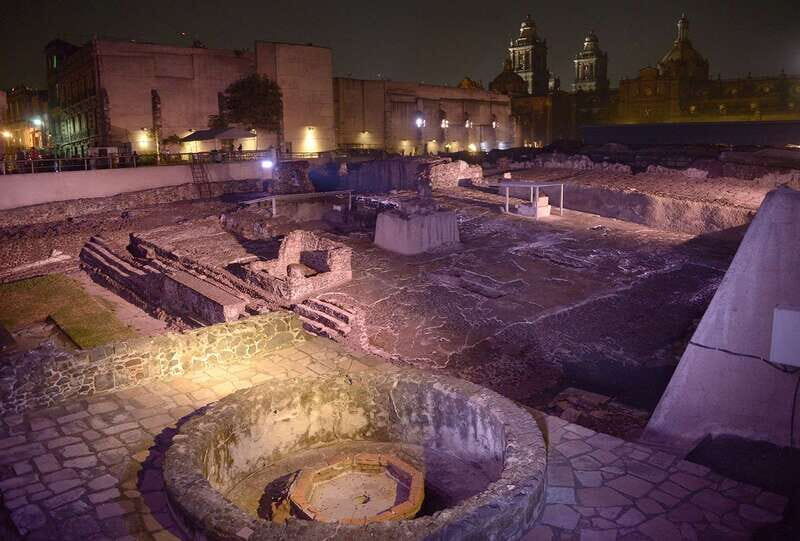
Inside the museum portion, the big idea is that you explore through 8 rooms. Each room supports a themed understanding of the Mexica world—who mattered, what they represented, and how belief shaped the temple complex.
The room split is especially useful when you plan your pacing. The south rooms connect to Huitzilopochtli, described as the Solar God of War. The north rooms connect to Tlaloc, the God of Rain. That north/south structure gives you a clear mental map, so you’re not wandering and guessing what you’re looking at.
If you like museums where the physical space does part of the teaching, this format is satisfying. You don’t have to be an expert to follow the logic. You just have to slow down enough to read what each room is trying to explain.
South Rooms and Huitzilopochtli: Solar Power and War
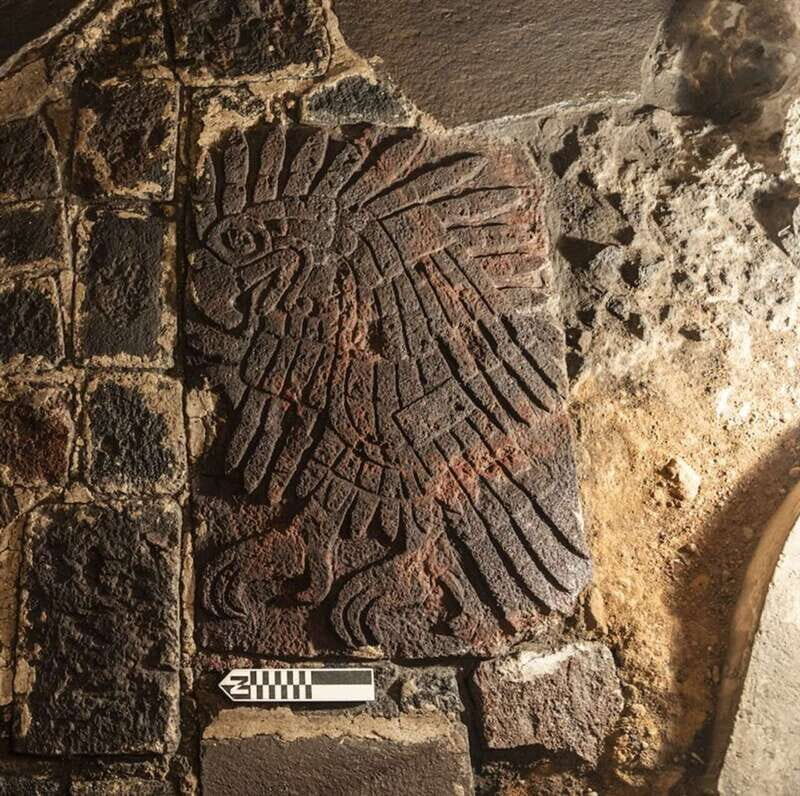
The Huitzilopochtli side is where the museum leans into the idea of war as a sacred force. The information provided ties Huitzilopochtli to the Solar God of War, which is a useful lens for interpreting what you see.
Even if you don’t know the details going in, you’ll probably notice the theme through how the museum organizes objects and context. This is one of the reasons the ticket is more valuable than a quick photo-stop outside the fence: the museum setup helps you connect artifacts to the broader temple meaning.
Take your time here if you like “religion-to-objects” connections. The most rewarding part is when you stop thinking of it as random old ceremonial material and start viewing it as part of a system—belief, power, and temple practice.
North Rooms and Tlaloc: Rain, Water, and Survival
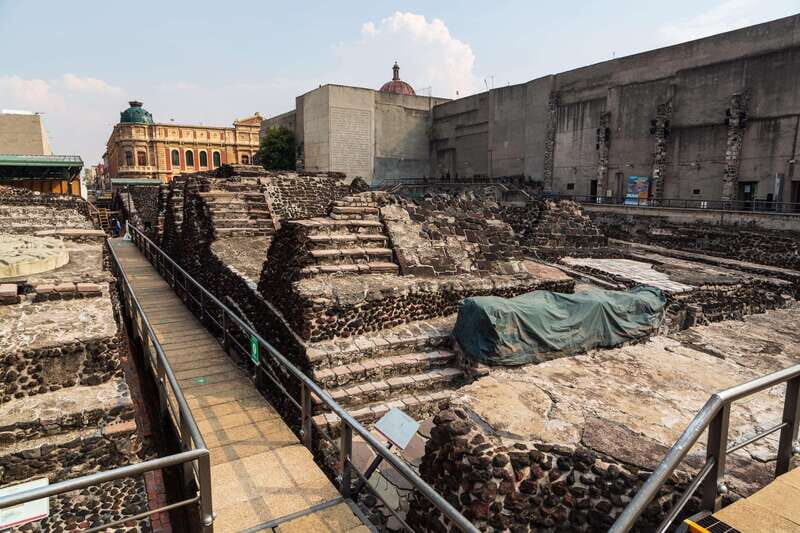
On the north side, the emphasis shifts to Tlaloc, the God of Rain. That change in theme isn’t just a label; it’s a different angle on why a temple complex like Templo Mayor mattered in daily life.
Rain is tied to survival, food, and the conditions that make a city possible. So even though this is a museum, you can think about it as a message encoded into architecture and ritual space. The museum’s organization helps you keep that mental connection as you move from room to room.
I like this part because it balances the war-focused material. Together, the Huitzilopochtli and Tlaloc rooms reflect how different forces—conflict and nature—were both treated as connected to the sacred.
You can also read our reviews of more city tours in Mexico City




Up to 7,000 Objects: Why the Museum Works With the Ruins
This isn’t just a museum with a few artifacts sprinkled in. The Museo del Templo Mayor holds an impressive collection of up to 7 thousand objects.
The key practical thing for you: many museum pieces are presented in a way meant to complement the archaeological zone. That means the artifacts aren’t floating in a vacuum. The design goal is to help you understand what was found and why it belonged in this location.
If you’re the type who loves “how they found it” and “why it matters,” this scale is worth it. It can also overwhelm you if you rush, so the smart move is to pick a room goal—like focusing on Huitzilopochtli first, then Tlaloc—rather than trying to absorb everything at once.
How to Pace a 1-Day Visit Without Rushing
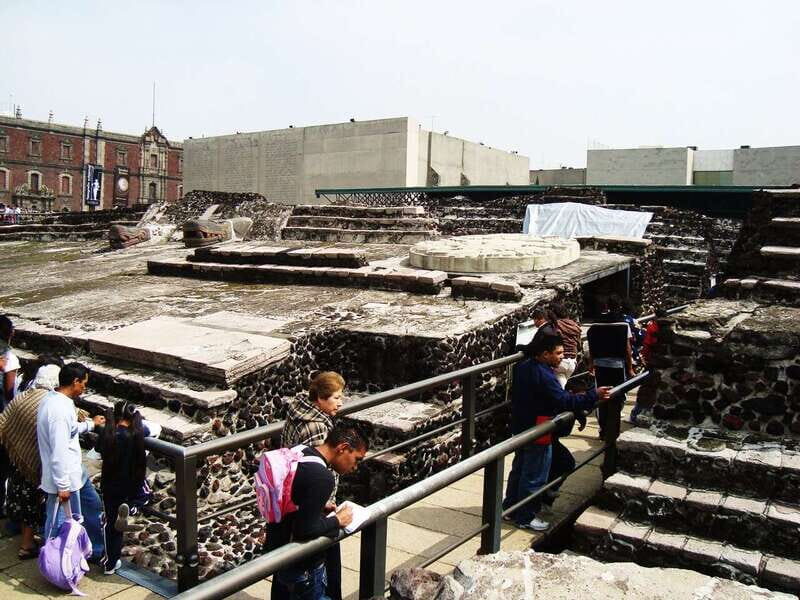
The ticket is valid for 1 day, and there are starting times when you book. That scheduling matters because Templo Mayor sits in the middle of a busy Mexico City area, and your best experience comes when you’re not squeezing it between two stressful things.
I suggest you treat this as a museum visit with a temple setting, not as a quick stop. Plan enough time to read the room framing and then circle back to look closely at the objects you’re most interested in.
A simple pacing approach:
- Start with one theme side (south/Huitzilopochtli or north/Tlaloc) so your brain has a storyline.
- After you finish that side, do the other side without skipping the introductory room context.
- Leave time at the end to re-check any artifacts that pulled you in during the first pass.
If you’re tempted to speed-run, remember you can’t “unsee” how the museum is arranged by god. Slow down and let that structure do the work.
Entry-Only Means You’ll Self-Guide (So Use This Trick)
No guide is included with this ticket. That’s not automatically a downside, but it does change what you should expect from the experience.
If you love museum signage, you’ll do fine. If you prefer someone narrating the meaning beat by beat, you might feel like you’re missing a layer. One visitor even said an audio guide would have made the experience better, which lines up with what entry-only usually means: you’re the guide.
My workaround is simple: before you enter a new room, pause for 30 seconds and identify the room’s god focus. Then as you look at artifacts, tie what you’re seeing back to that focus. It turns a self-guided visit into something guided by your own questions.
And since the ticket is skip-the-line, you gain time at the front end. Use it to get your bearings fast, instead of spending that time on logistics.
Water Bottles, QR Codes, and Other Real-World Friction
Even with a smooth setup, a museum visit can hit small snags. The most useful things to watch for are the ones people actually ran into.
One visitor said they weren’t allowed to bring a water bottle inside, even stored in a backpack. Rules like that can vary by site policy on the day you go, so plan to travel light and check what’s permitted before you arrive.
Another review mentioned a QR code download problem with INAH and a need to repurchase at the end. That’s not something you can fix once you’re standing there, so I’d be practical: save your ticket info in more than one way (a screenshot and the app/email/WhatsApp message) so you’re not stuck if the link won’t load.
Finally, one booking showed as closed for that date. You can’t control that outcome, but you can reduce the odds of wasted effort by checking the site status before you head over.
Ticket Price and Value: Is $29 Reasonable Here?
At $29 per person, you’re paying for three things: skip-the-line entry, access to the museum spaces inside the temple setting, and the chance to see the full room structure rather than only the exterior viewpoint.
Is it a “cheap” ticket? Not really. But it can be good value if you want the museum content and not just a photo stop. The museum’s scale—up to 7,000 objects—and the fact that the rooms are organized by god-focused themes are where the money tends to justify itself.
The biggest value driver is time. Skip-the-line entry helps you start immediately and protects your energy. In a city where you might have limited hours, saving that waiting time often turns a decent visit into a great one.
If you’re the type who hates long museum reading (and you want only ruins outside), then $29 may feel steep. But if you like artifacts, context, and a clear themed layout, it’s a fair price.
Who This Works Best For (And Who Might Want Another Option)
This ticket fits best if you:
- Want to see the temple setting and the museum rooms, not just what’s visible from outside.
- Like museum structure with a clear storyline (the south/north Huitzilopochtli/Tlaloc split helps a lot).
- Enjoy context—how artifacts connect to the archaeological zone.
It may feel less ideal if you:
- Strongly prefer a live guide for explanations.
- Get irritated by rules around entry items like liquids.
- Are easily thrown off by digital ticket access issues and don’t have a backup way to pull up your QR info.
For most people, the self-guided nature is manageable. The key is going in with curiosity and giving the rooms a real chance.
Booking and Using Your Ticket Without Stress
Your tickets are sent to you via email or WhatsApp before the date. That’s convenient because it reduces the chance you’ll show up empty-handed.
On arrival, follow the instructions for separate entrance and go through turnstiles. A skip-the-line ticket is only “skip-the-line” if you use the correct entry path, so don’t default to standing where everyone else is queuing.
If anything looks off with your voucher, you can contact tickets at [email protected]. It’s the kind of safety net that’s worth having saved on your phone before you go.
Should You Book This Templo Mayor Skip-the-Line Ticket?
I think you should book if you want the full experience: the museum rooms inside the Templo Mayor setting, organized across 8 rooms, with a god-focused layout and access to a collection described as up to 7,000 objects.
If you’re on a time crunch, the skip-the-line setup helps you avoid a wasted chunk of your day. If you’re a self-guided museum person, the entry-only format won’t hold you back—just plan to use the signage and give yourself time to read.
If you hate self-guided anything, or you’re worried about QR access, you might want a guided alternative. But for curious, practical travelers who want to understand the Mexica temple world rather than just see it from afar, this ticket is a smart buy.
FAQ
Where is this experience located?
It’s in the Greater Mexico City area in Mexico, centered on Templo Mayor.
How long does the activity take?
The experience is listed as lasting 1 day.
What does the ticket include?
The ticket includes skip-the-line entrance.
Is a guide included?
No. A guide is not included.
Do I need to meet someone at the entrance?
No meeting is required. The skip-the-line ticket is sent to you by email or WhatsApp before your date.
Do I queue at the ticket office?
No. This is a skip-the-line ticket, and you must not queue at the ticket office. You go through turnstiles.
How will I receive my tickets?
You receive the entrance ticket by email or WhatsApp before the date.
How many rooms are in the museum?
The museum visit includes 8 rooms.
Which gods are featured in the rooms?
The south rooms are dedicated to Huitzilopochtli, and the north rooms are dedicated to Tlaloc.
What booking options are available?
There is free cancellation up to 24 hours in advance for a full refund, and you can reserve now and pay later (pay nothing today).