REVIEW · ZIHUATANEJO
Baby Sea Turtle Releasing Sightseeing Tour with Luis de la Maza
Book on Viator →Operated by Luis de la Maza Ixtapa Zihuatanejo tours · Bookable on Viator
A baby turtle has a way of changing your whole mood. This tour takes you from Zihuatanejo into the quiet reach of Juluchuca, where you learn sea turtle basics and then help hatchlings start their first run to the ocean. I especially love the hands-on release part and the fact that you’re not just watching—you’re learning why the work matters.
Two things really land for me: the in-the-field guidance (you get a clear explanation of the turtle life cycle and the predators that threaten them), and the remote-beach setting that makes the moment feel real, not staged. The tour starts at 2:00 pm and runs about 3 hours 30 minutes, including travel, so you’re committing to an actual outing, not a quick photo stop.
One consideration: this is a rustic conservation experience, so expect a longer ride and a less “tour bus comfortable” vibe than you’d get on fancy day trips.
In This Review
- Key highlights at a glance
- Why Juluchuca Beach Is the Star of This Sea Turtle Tour
- Hotel Pickup and the Ride South to the Turtle Program
- The 20-Minute Lesson: Turtle Life Cycle, Species, and Predators
- Nest Finds: Seeing an Egg and Then Waiting for Hatchlings
- The Release Moment: Wet Sand, 25 Feet, and the Race to the Ocean
- The Conservation Side You Can Actually Feel
- Group Size, Timing, and the Reality Check on Comfort
- Price and Value: What $65.75 Really Buys
- What to Bring and How to Prep Like a Pro
- Who This Tour Suits Best (and Who Might Skip It)
- Should You Book the Baby Sea Turtle Release Tour With Luis de la Maza?
- FAQ
- What time does the Baby Sea Turtle Releasing Tour start in Zihuatanejo?
- How long is the tour?
- Is hotel pickup included?
- Is the tour offered in English?
- What’s included in the price, and is dinner included?
- How many people are in the group?
Key highlights at a glance
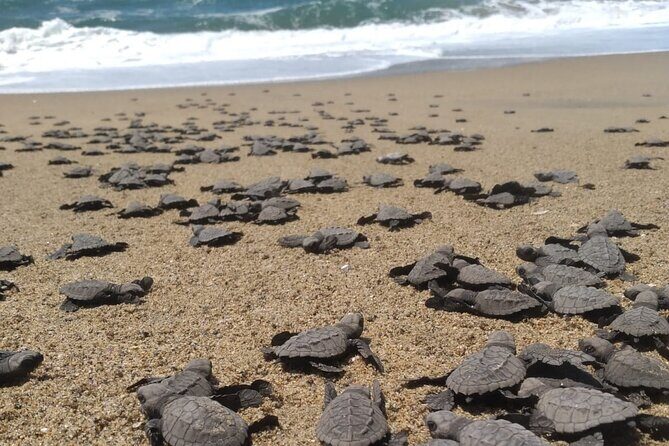
- Remote Juluchuca beach: designed to keep nesting calmer and quieter for mama turtles
- A real life-cycle lesson: the 3 turtle types that nest here, plus predators on land and at sea
- Nest-to-surf participation: you witness hatching and help guide hatchlings about 25 feet to wet sand
- Short time window with hatchlings: they stay in a container for about 10–20 minutes before release
- Small-group feel: capped at 30 travelers with hotel pickup
- Conservation-linked experience: you learn what human protection changes for survival odds
Why Juluchuca Beach Is the Star of This Sea Turtle Tour
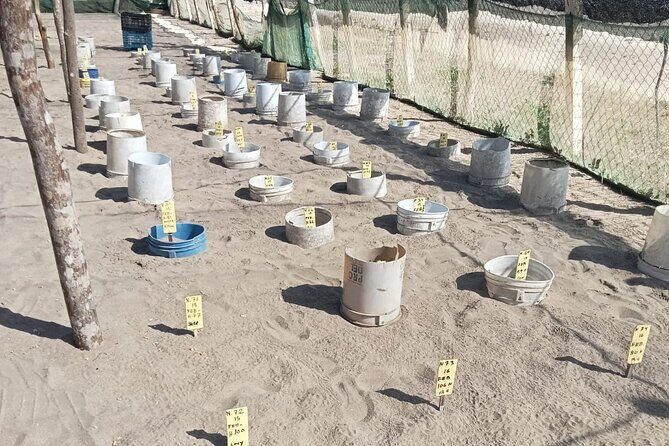
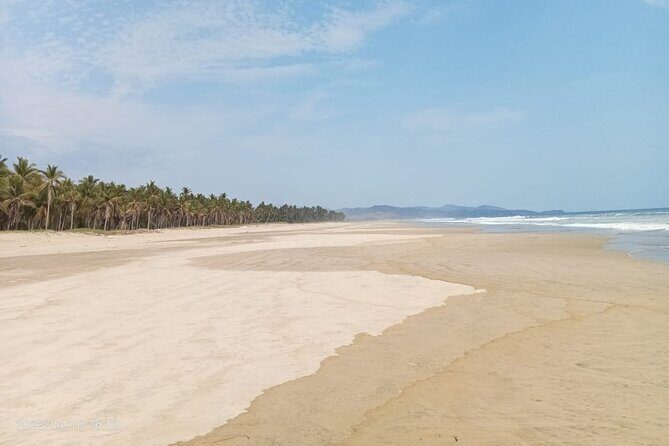
If you’re hoping for a “beach day,” this isn’t that. What makes Juluchuca special is quiet. The area is described as a long, secluded stretch—far from the louder tourist zones—which matters because mama turtles look for safe, low-disturbance places to lay eggs. On this tour, that setting isn’t just pretty. It’s part of the story.
You’ll also get a sense of local rhythm beyond the coastline. On the way in, you travel through town toward the rural community of Juluchuca, which is known for coconut macaron production. It’s a small but memorable reminder that the turtle story isn’t separated from daily life here.
And the beach itself is the reason the conservation effort works better than it does in busy areas. You’ll see that when the group lands: it feels like a working habitat, not a theme-park backdrop.
You can also read our reviews of more tours and experiences in Zihuatanejo.



Hotel Pickup and the Ride South to the Turtle Program
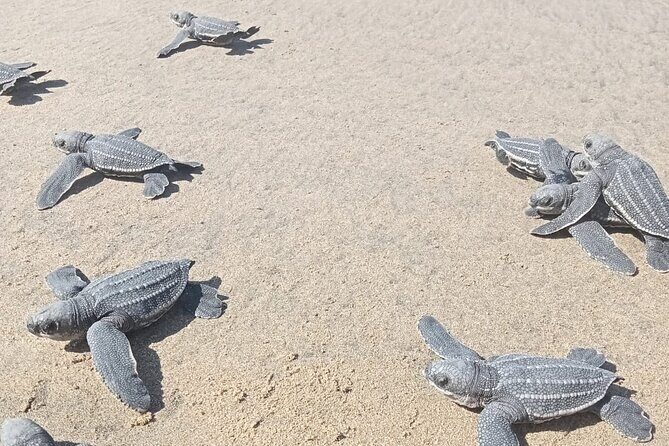
The tour starts at 2:00 pm with pickup from your hotel lobby. You’ll want to be ready about five minutes before the scheduled time, since the guide checks names at the pickup point so you’re with the correct group.
This portion of the experience matters more than people expect. You’re heading away from the main tourist stretch, into rural roads and beach-adjacent areas. Even though the itinerary is only 3 hours 30 minutes long (including travel), the drive sets the pace: you have time to settle in, and the guide can lay groundwork before you’re standing in sand near the hatchery operation.
Also, the ride is in an air-conditioned vehicle, which is a genuine quality-of-life upgrade in this part of Mexico. The tour is capped at 30 travelers, so the bus/van experience stays fairly manageable.
One more practical note: you’ll be leaving later in the day than many excursions. That’s not a bad thing. It often works well for families and couples who want a slower morning and still get a real afternoon field experience.
The 20-Minute Lesson: Turtle Life Cycle, Species, and Predators

Before the first hatchling ever hits the sand, you get orientation. You’ll spend about 20 minutes learning the turtle life cycle and the specific kinds of sea turtles that come ashore to nest in this region.
What I like about this part is that it explains the danger at every stage. You’ll hear about predators that take adult turtles and eggs before they ever reach the ocean. Then you’ll also get the less comforting side: hazards that continue once the hatchlings are at sea.
This “whole story” approach is what turns a cute moment into something meaningful. It helps you understand why people don’t just want turtles around—they want the species to survive the fragile window when they’re most vulnerable.
And since your guide is operating in English for this tour, you’re not stuck piecing things together from gestures. You’ll understand what you’re seeing in real time.
Nest Finds: Seeing an Egg and Then Waiting for Hatchlings
After the lesson, the experience becomes tactile.
First, the group selects a nest that was found the day before. The process is careful: you remove a little sand, the egg is shown, and then the nest is covered again. That sequence is important. It keeps the demonstration grounded in conservation practice, not spectacle.
Next, you’ll move to a different nest that’s hatching. This is the moment people remember—the instant you see hatchlings come up to the surface.
From there, you’ll shift from “watching nature” to “helping nature.” All hatchlings are placed into a small container and held there for about 10 to 20 minutes. The goal is timing. The tour waits until the turtles are active and ready to go.
In practical terms, this means you’re not rushing the release just to satisfy a schedule. It’s a short holding period with a clear purpose, and you’ll feel the group become focused as that window passes.
Some groups also report getting a closer role in handling hatchlings briefly and doing photos right before release. If that’s part of your outing, it’s handled as part of the conservation routine—not something random. Either way, expect a sense of responsibility as you’re brought to the moment.
The Release Moment: Wet Sand, 25 Feet, and the Race to the Ocean
The release is the heart of the tour, and the details are specific.
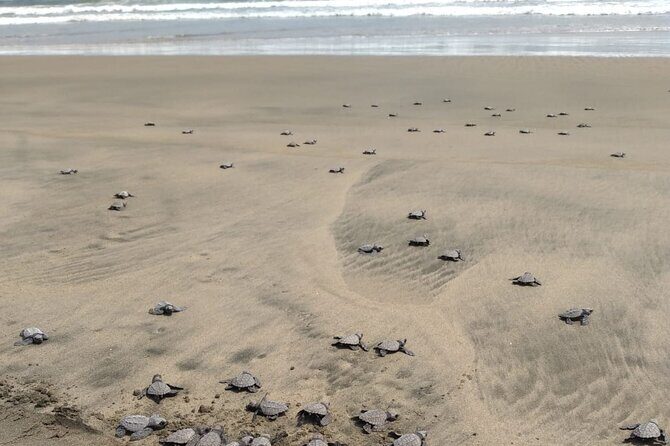
Once the hatchlings are ready, you take them to wet sand about 25 feet away from the ocean. The guide places them on the sand, and as soon as they’re set down, they run.
The tour then stays with the process. You wait until all hatchlings make it into the water. That part is surprisingly emotional. You’re not just imagining survival—you’re watching the first steps unfold under your eyes.
A big part of why this works: hatchlings face extremely low odds without protection. The guides and caretakers emphasize that human intervention helps improve outcomes at a critical time—especially when predators and beach disturbances would otherwise interrupt survival.
This is also where the conservation becomes more than a slogan. When you see how quickly the hatchlings move once they’re positioned correctly, you understand what the caretakers are trying to protect: not the hatchlings’ cuteness, but their chances.






The Conservation Side You Can Actually Feel
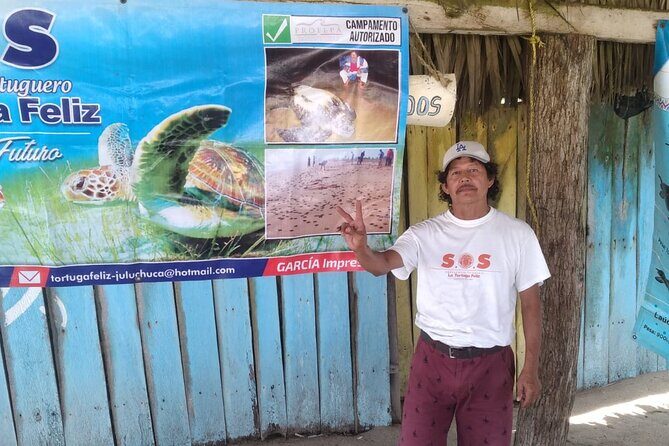
This isn’t presented as a generic “eco tour.” You’re connecting with a local conservation effort aimed at protecting adult turtles, nests, and baby turtles along a long stretch of beach used for nesting.
In the background of the release, you meet the people doing the daily work—caretakers who patrol the beaches, monitor nests, and help manage hatchling survival. Several names come up in guides and turtle-team roles during different runs, including local staff such as Balta and Freddy, plus caretakers referenced with names like Balthazar in some groups. You’ll also hear about the coalition sometimes called La Tortuga Feliz, associated with Happy Turtle conservation work.
The way this feels on the ground is simple: you’re not watching conservation from a distance. You’re standing close enough to understand what the team is doing and why.
And there’s a hopeful angle in the explanations, too. You may hear that these efforts are helping populations recover, which is the difference between learning about wildlife and learning about a living conservation outcome.
Group Size, Timing, and the Reality Check on Comfort
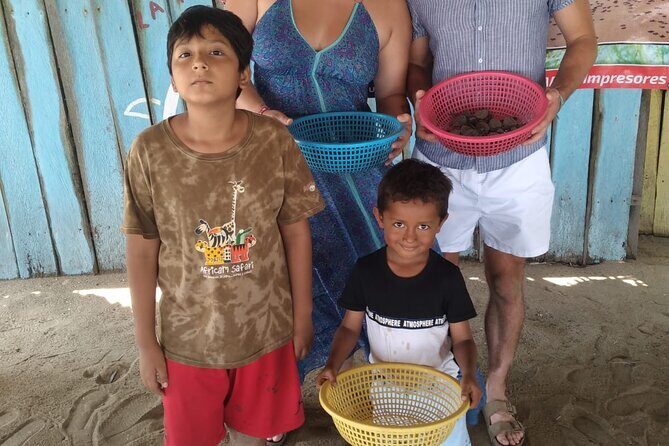
The tour caps at 30 travelers, which helps keep the release area from turning into a chaotic crowd scene. Still, the experience is active and outdoors, so your comfort will depend on the conditions that day.
Expect:
- A structured lesson before the nests are addressed
- A careful, slow rhythm during nest inspection and hatching
- Waiting time while hatchlings are active in the container
- Time spent on sand during the release
Also, some groups describe an ATV ride for the final run to the beach area. That isn’t spelled out in the basic tour description you’ll receive, but it has appeared as part of recent experiences. If your group does take an ATV or do a bumpy transfer on the way to the beach, plan for a more rugged ride than a standard city excursion.
This is a good tour for people who can handle rustic settings. If you need polished facilities and a totally cushioned day, you might find the vibe more “field trip with a purpose” than “resort excursion.”
Price and Value: What $65.75 Really Buys
At $65.75 per person, this is not the cheapest thing you can do in the Zihuatanejo area—but it’s also not priced like a luxury wildlife show.
What you’re paying for is not just transportation to a beach. You’re paying for:
- Guided interpretation in English
- Time spent on conservation-focused nest procedures
- Access to a specific nesting-and-hatching moment
- The release participation with trained caretakers handling the routine
There’s also an authenticity factor. Some people get surprised because they expect a bigger “tour-only” program and find the experience concentrated in the center’s work. If that’s what you want—lots of extra sightseeing stops and cultural add-ons—this might feel narrow. But if you want a direct encounter with a meaningful conservation moment, the pricing starts to make sense fast.
One traveler caution that’s worth considering: since much of the “tour” time is travel and field time, you may feel like it’s more of a shuttle-plus-experience than a multi-stop city-style tour. I’d frame it as this: the cost is mostly for the hatchling access and guided conservation lesson, not for a long list of attractions.
What to Bring and How to Prep Like a Pro
The tour runs outdoors, on sand, and in variable weather. Good planning helps you enjoy the experience more.
Bring:
- Sun protection (hat/sunscreen), since you’ll be outside for a while
- Comfortable footwear you don’t mind getting a little dirty
- Light layers in case the late-afternoon air cools off
- Water (you’re not doing a dinner-included meal plan)
Since hatchling work can mean you’re closer to sand and wind, it’s smart to keep your phone and belongings secure.
If you’re sensitive to motion or bumps (especially if your group transfers via ATV), wear shoes that stay put and keep your posture ready for a rougher section.
Who This Tour Suits Best (and Who Might Skip It)
This tour fits best if you want a hands-on conservation experience that feels real and local. It’s especially strong for:
- Couples who like “one memorable moment” vacations
- Families with kids who can handle a longer field day and want to see wildlife up close
- Anyone who cares about sea turtles beyond photos
It may not be ideal if:
- You want a full day of varied sightseeing stops and entertainment
- You need polished comfort and lots of indoor time
- You’re expecting an experience that feels like a premium theme outing
Also, the tour requires good weather. If weather shifts, the operator may offer a different date or a full refund, so keep your schedule flexible if you can.
Should You Book the Baby Sea Turtle Release Tour With Luis de la Maza?
Yes—if your top priority is a genuine sea turtle conservation moment, this is a strong choice.
Book it if you:
- Want to learn the life cycle and species that nest here
- Prefer a smaller, capped group outing
- Want to experience the release process with trained guidance
- Appreciate rustic, real-world conservation work more than polished extras
Consider skipping or swapping to something else if:
- You want more “touristy” stops and less field time
- Long rural transfers and outdoor sand-based activities sound like misery
- You need a guaranteed extra meal plan (dinner is not included)
Bottom line: Juluchuca’s quiet beach + a focused turtle lesson + the wet-sand release is a combo that’s hard to top. If that sounds like your kind of vacation day, you’ll likely leave with more than photos—you’ll leave with a better understanding of what it takes to keep sea turtles alive.
FAQ
What time does the Baby Sea Turtle Releasing Tour start in Zihuatanejo?
The tour starts at 2:00 pm. Plan to be ready about 5 minutes before pickup time.
How long is the tour?
The duration is approximately 3 hours 30 minutes, including travel time.
Is hotel pickup included?
Yes. Pickup is offered, and the guide will pick you up from your hotel lobby and mention your name so you know you’re going with the right tour guide.
Is the tour offered in English?
Yes, it’s offered in English.
What’s included in the price, and is dinner included?
The price includes an air-conditioned vehicle, tour guide service, and all fees and taxes. Dinner is not included.
How many people are in the group?
This tour has a maximum of 30 travelers.