REVIEW · MEXICO CITY
Mexico City: Guided Volcano Trek with Lunch
Book on GetYourGuide →Operated by Travesías México · Bookable on GetYourGuide
CDMX has a way of grabbing all your time. This day trip breaks the spell with real mountain air and volcano views.
I love that this hike is built around two very different volcano angles: first the lower routes near Paso de Cortés, then higher ground toward Cerro Altzomoni for big Popocatépetl sightlines. A second thing I like: the day stays social but not crowded, with a small group capped at 13 and guides that keep the pace realistic for changing altitude.
The one drawback to plan for is altitude. Even when the trail isn’t technically hard, you’ll feel it—so take it slow, dress for cold mornings, and don’t go in expecting a flat, easy stroll.
In This Review
- Key things that make this trek worth your time
- Escaping Mexico City: getting from city noise to park air
- Paso de Cortés: your first volcano warm-up
- The main hike: trekking with Popocatépetl in your sights
- Cerro Altzomoni and fumarole views: the science-meets-wonder stop
- Amalacaxco Ravine: where the trail gets quieter and greener
- The route back: re-finding Paso de Cortés and resetting for lunch
- Lunch at the market: why this is more than a meal break
- Price and value: what $105 buys you in the real world
- How hard is it, really? altitude is the main boss
- What to bring (and what people forget)
- Who this tour fits best (and who should skip it)
- Should you book this guided volcano trek?
- FAQ
- Where do I meet the tour?
- How long is the guided volcano trek?
- What’s the group size?
- What languages are the guides?
- Is transportation included?
- What’s included in the price?
- Is alcohol included?
- What should I bring for the hike?
- Who is the tour not suitable for?
- Can I cancel for a refund or pay later?
Key things that make this trek worth your time
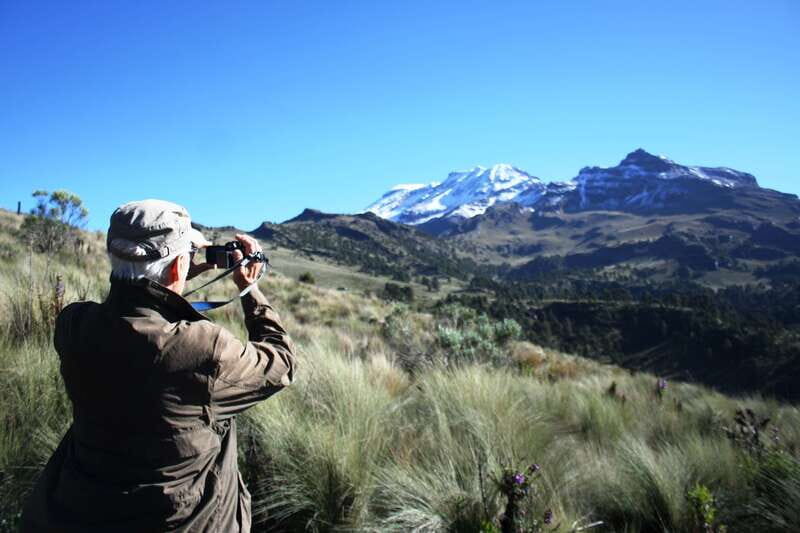
- Cerro Altzomoni views aimed at Popocatépetl’s activity, including fumaroles when weather cooperates
- Paso de Cortés start that puts you right into the national park feel fast
- Amalacaxco Ravine walking for native plants, birds, and quieter moments off the main road
- Market lunch built into the route so you’re eating local without detouring all day
- Small-group pacing (13 max) with safety gear and rucksack rental included
Escaping Mexico City: getting from city noise to park air
The best part of this tour starts before you even hit the trail. You’ll meet at México Travesías in front of the Michoacan Market, then head out from Mexico City toward the Iztaccíhuatl–Popocatépetl National Park area in Puebla State.
The total day runs about 9 hours, which is just long enough to feel like you left the city behind but not so long that you dread the return. Transportation is included, and the tour also covers entrance fees, so you’re not trying to figure out paperwork while hungry and cold.
A practical tip: start the day thinking “layers.” Mornings up high can feel sharp, and you’ll want that jacket early. Reviews also hint that the van conditions can vary (some people noted no air-conditioning), so plan for comfort by bringing water and dressing accordingly.
You can also read our reviews of more guided tours in Mexico City

Paso de Cortés: your first volcano warm-up
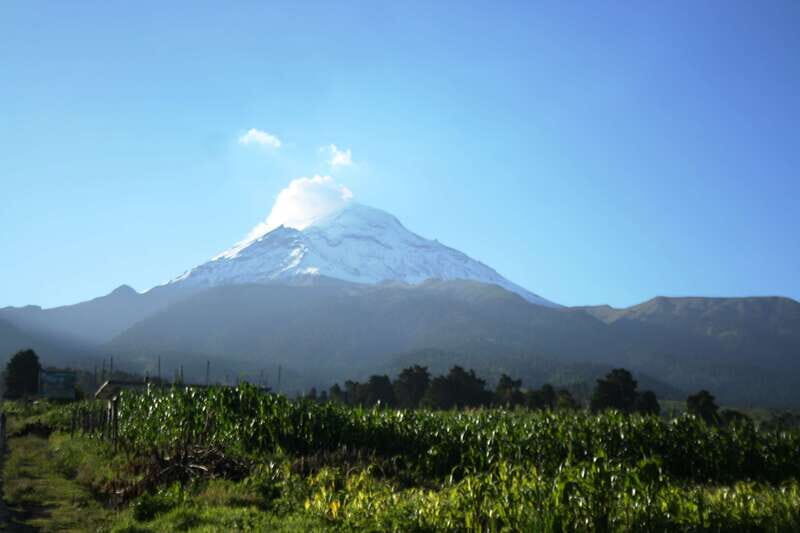
Your first walking segment begins at Paso de Cortés, which is a smart choice for a first-time volcano trek. You ease in through the lower parts of the park rather than launching immediately at the hardest grade.
This matters because altitude is sneaky. Several hikers describe the route as not overly technical, but the elevation still adds work. By starting lower and spending time getting your breath under control, you can enjoy the views instead of just grinding through.
From here, your guide talks about the volcanoes—where they sit in the landscape, how they’re related, and what’s been happening over time. That background turns the “wow, mountains” moment into something you can actually name and understand, even if your Spanish is limited and you’re relying on the English option.
The main hike: trekking with Popocatépetl in your sights
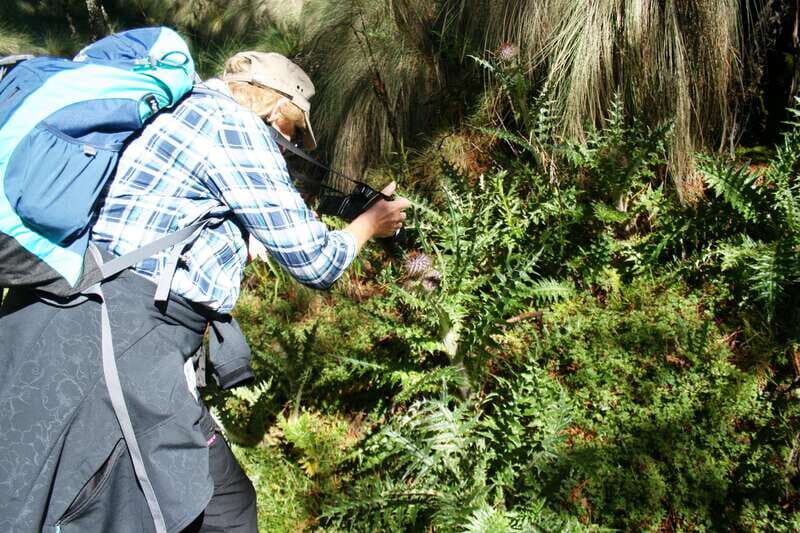
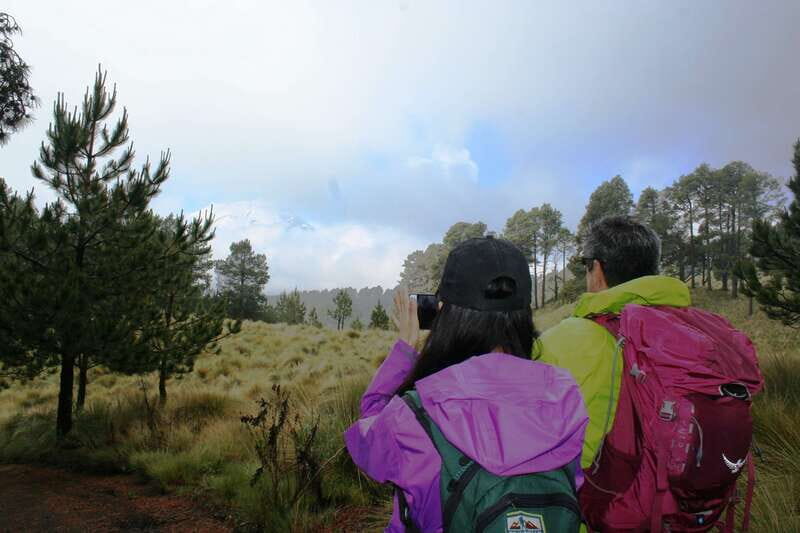
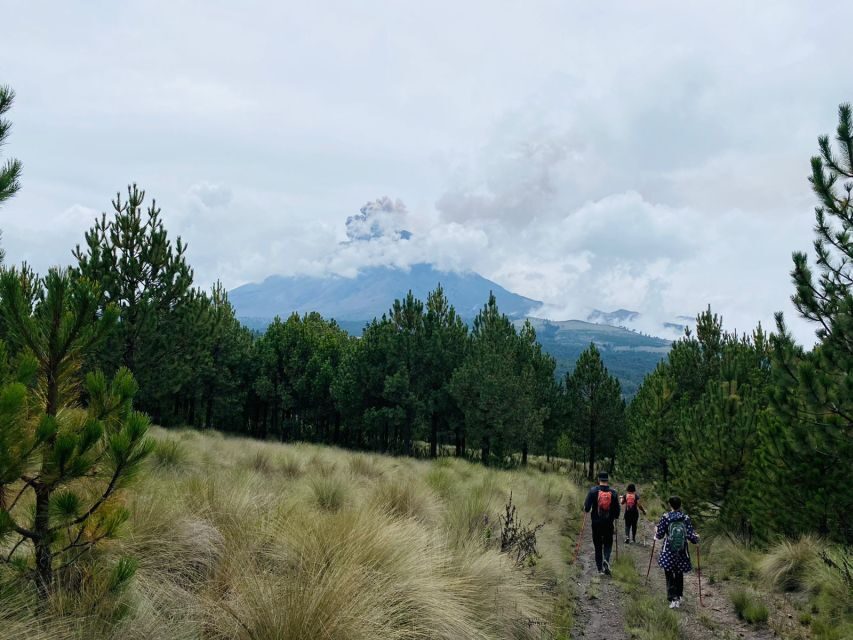
As you move through the wilderness sections, the tour is basically a long string of vantage points—some open, some more sheltered—each one offering a different view of Iztaccíhuatl and Popocatépetl.
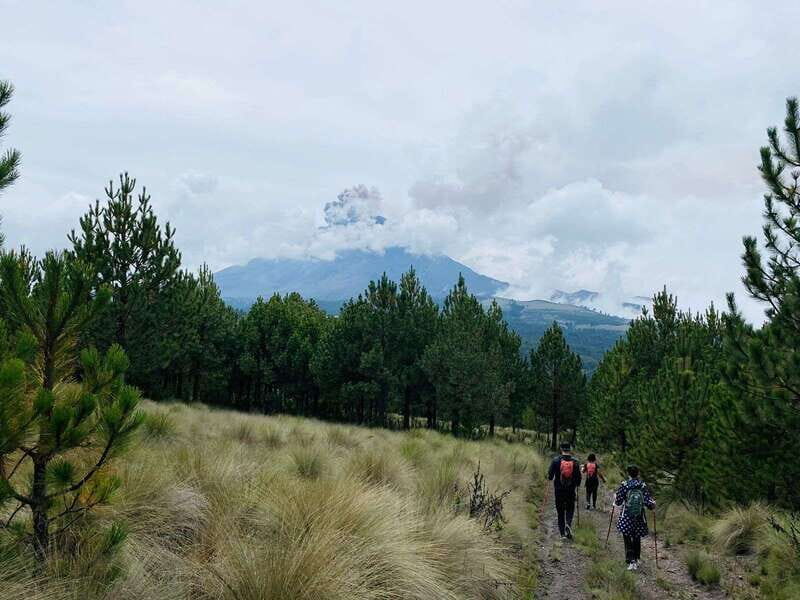
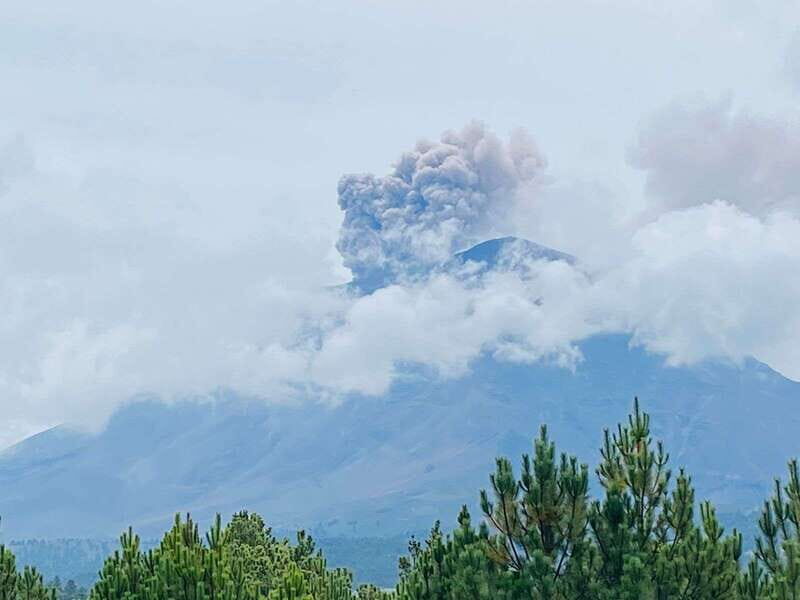
The route up toward Cerro Altzomoni is a highlight because it’s aimed at seeing Popocatépetl more clearly. People have specifically mentioned spotting Popocatépetl with smoke or ash clouds on certain days, which is exactly the kind of rare “right place, right time” moment you hope for on a volcano trip.
Two things I’d pay attention to while hiking:
- Your pace. Guides are part of why this works—names that show up include Alan, Juan, Bernardo, Carlos, Albert, and Cesar. The common theme is steady encouragement and break-taking that helps people manage altitude.
- Your weather window. If clouds roll in, you might still enjoy the hike, but volcano views can get blocked. One person even said the weather made the scenery feel extra mysterious, which is a reminder that you can still have a great day even when the volcano “show” is muted.
Cerro Altzomoni and fumarole views: the science-meets-wonder stop
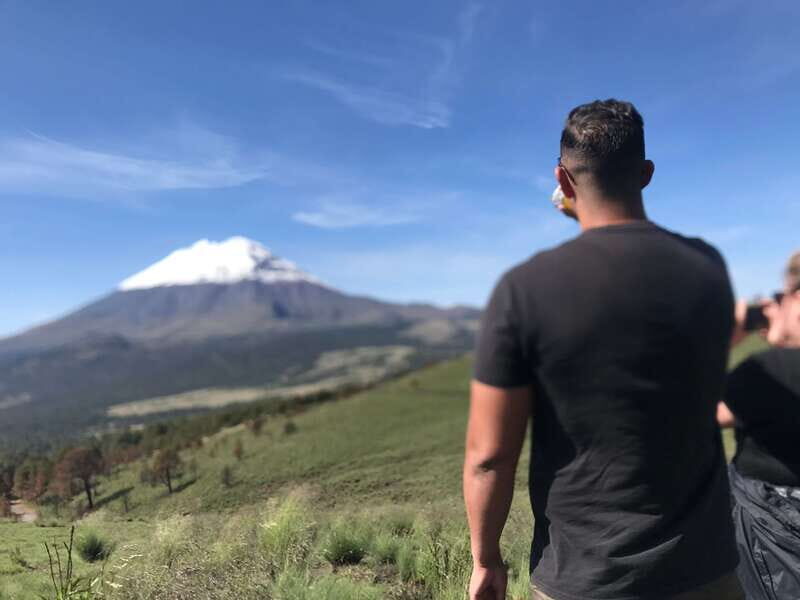
Cerro Altzomoni is where the experience shifts from hiking to “watch and learn.” This is the point where the guide brings you close enough—visually—to marvel at Popocatépetl and its fumarole.
It’s not just sightseeing. You’re hearing explanations about volcanic history and activity, and that turns what could be a quick photo stop into a real learning moment. It’s also a good place to slow down and let your body adjust if you’re feeling the altitude.
If you’re the type who likes structure, this part feels especially satisfying: the hike gets you there, and then the view gives your brain something to hold onto while you catch your breath.
Amalacaxco Ravine: where the trail gets quieter and greener
After the higher viewpoint segment, you descend toward the Amalacaxco Ravine. This is a valuable shift because it changes the “volcano focus” into “nature details.”
This part of the hike is where you’re more likely to notice native flora and fauna. People mention pointing out plants like succulents and even vegetation details along the way. That kind of attention is a big reason guided hikes beat solo walking in a huge park—you get context for what you’re seeing.
You also tend to feel the temperature soften a bit as you drop. Descents can be tougher on knees, but the ravine setting also gives you more visual variety than straight-up or straight-down trail sections.
You can also read our reviews of more city tours in Mexico City

The route back: re-finding Paso de Cortés and resetting for lunch

Eventually you return toward Paso de Cortés, which is where you feel the day “click” into its final phase: you’re done with the big climb, you’ve soaked up the main views, and now you can focus on finishing strong.
This is also a good time to refill your energy. Lunch is included, and it’s served at a traditional market stop along the return route. Because the food is built into the schedule, you don’t lose time searching for something open and good near a random roadside turn.
One small note: lunch quality seems to depend on the specific stop and timing. Most people describe the market meal as excellent, but one person felt the restaurant portion wasn’t great. In other words, it’s not a restaurant review mission—but it usually hits the right note for a day in the mountains.
Lunch at the market: why this is more than a meal break
Lunch is included and it’s one of the reasons this trip feels like “a full day” rather than just a hike with a payoff at the end.
Expect traditional market food—people have mentioned tacos and quesadillas, and one guide-arranged stop included a traditional Mexican coffee (café de olla) alongside food. Others praised the lunch arrangement as great, local, and well-earned after the walk.
If you’re watching your budget, this part matters. At $105, lunch being included helps keep the real cost closer to what you’ll actually spend that day. You’re paying for transport, guides, entrance fees, safety gear, and the meal—not just for the right to walk uphill.
Alcoholic drinks are not included, so you can still plan a soda or water without surprise charges.
Price and value: what $105 buys you in the real world
At $105 per person for a 9-hour guided outing, you’re paying for more than the hike. You’re getting:
- round-trip transportation
- qualified guides in English or Spanish
- entrance fees
- rucksack rental
- safety equipment plus accident insurance
- lunch (market-style)
The value shows up in the “friction savings.” Without this kind of guide-led structure, you’d spend time figuring out timing, park access, and where to eat. Here, those pieces are handled, and the small group size (13 max) keeps the hike from turning into a stampede.
Is it expensive? If you’re thinking “I only want a short walk,” maybe. But if you want a real volcano day—views, learning, logistics covered—this is a strong deal for what’s included.
How hard is it, really? altitude is the main boss
The trail is often described as doable for average fitness, but you’ll still work. People repeatedly mention two realities:
1) the altitude makes the hike feel harder than the technical difficulty
2) pacing matters, especially if you haven’t acclimated
Starting elevation can be high. One hiker described starting around 12,000 ft and climbing roughly 1,000 ft total, with a route around 7–8 miles. Others mention longer walking distances like ~13 km and taking about 7 hours for the hike depending on the route chosen.
So here’s my practical take: treat this as a hike with a workout component. You don’t need mountaineering gear, but you do need the basics—good shoes, a jacket, and the willingness to slow down when your body asks for it.
If you can, give yourself a bit of time in Mexico City before doing this. One caution from hikers is not to schedule a big altitude hike too soon after arrival.
What to bring (and what people forget)
The tour provides rucksack rental and safety equipment, so you don’t need to show up with everything. But you should bring the basics listed by the operator:
- hiking shoes
- sunscreen
- jacket
- comfortable clothes
- gloves
I’d also add two common-sense extras based on what usually matters on these days (without inventing new tour requirements): bring water you’re comfortable with, and plan for cold early hours by wearing layers you can shed later.
And if you’re worried about carrying weight, notice that some guides have been very flexible—one person said a guide carried their rucksack when they needed help. That kind of support is exactly why a guided, small-group setup feels safer than DIY.
Who this tour fits best (and who should skip it)
This is a great choice if you want a nature escape from Mexico City and you care about learning while you walk. It suits people who like volcano views, open-air hiking, and getting out of the city for a full day.
It’s less suitable if you’re listed as not appropriate for the activity:
- pregnant women
- people with back problems
- people with mobility impairments
- people with heart problems
- people with haemophilia
That’s not the place to “power through.” Altitude and uneven terrain make this a “choose safety first” kind of outing.
Should you book this guided volcano trek?
Yes, I’d book it if you want a structured, small-group volcano day with real inclusion: transportation, guides, entrance fees, safety gear, and lunch are all handled. The Cerro Altzomoni segment is the kind of stop that makes a volcano itinerary feel worth it—especially when Popocatépetl is visible with smoke or fumarole activity.
I’d think twice if you’re highly altitude-sensitive or you don’t handle cold mornings well. Also, if your main goal is perfect volcano visibility only, weather can interfere. Still, the hike itself stays a solid nature experience, even when the view is partly clouded.
If you’re deciding last-minute: this is a day tour that rewards preparation—good shoes, layers, and a slow pace—and the payoff is a rare chance to see two iconic volcanoes close to Mexico City.
FAQ
Where do I meet the tour?
Meet at México Travesías in front of the Michoacan Market.
How long is the guided volcano trek?
The duration is 9 hours.
What’s the group size?
The group is limited to 13 participants.
What languages are the guides?
The tour guide is available in English and Spanish.
Is transportation included?
Yes. Transportation is included.
What’s included in the price?
Included: transportation, qualified guides, entrance fees, rucksack rental, safety equipment, lunch, and accident insurance.
Is alcohol included?
No. Alcoholic drinks are not included.
What should I bring for the hike?
Bring hiking shoes, sunscreen, a jacket, comfortable clothes, and gloves.
Who is the tour not suitable for?
It’s not suitable for pregnant women, people with back problems, people with mobility impairments, people with heart problems, or people with haemophilia.
Can I cancel for a refund or pay later?
You can cancel up to 24 hours in advance for a full refund, and you can reserve now and pay later.