REVIEW · MEXICO CITY
Guided Tour in Teotihuacan with Cave Breakfast and Transportation
Book on Viator →Operated by Paradise in the Sky · Bookable on Viator
A cave breakfast before the pyramids changes everything. I like this tour because it strings together cave breakfast with hands-on Teotihuacán crafts, then tops it off with a guided visit that can include the Pyramid of the Moon climb. I’m also a fan of the priority-style flow: you get a certified bilingual guide and included entry, which usually means less waiting and more time for the sights.
One thing to keep in mind: the day includes artisan stops and tastings, and those can feel sales-heavy if you hate shopping. Also, the actual time inside the archaeological zone is relatively short, so you’ll want to come with a short list of what you most want to see.
In This Review
- Quick hits: what’s special about this Teotihuacán day trip
- Why this Teotihuacán tour works better than “just a drive and photos”
- Getting from CDMX: pickup points and real-world timing
- Cave breakfast in Teotihuacán country: the moment that makes the day feel special
- Obsidian, maguey, and drink tastings: small stops with big context
- The Teotihuacán guided tour: Sun, Moon, Quetzalcoatl, murals, and the climb
- Chocolate-making at Villa Tlaloc: a cool-down with real flavor
- Shopping stops and tourist-trap pressure: how to keep this day fun (not stressful)
- Price and value: what you’re paying for (and what you might feel is overpriced)
- Who should book this Teotihuacán experience?
- Should you book this Teotihuacán tour or not?
- FAQ
- How long is the Teotihuacán guided tour?
- Does the price include transportation from Mexico City?
- Where does the tour meet if I’m not getting hotel pickup?
- Are entry tickets to Teotihuacán included?
- What happens during the breakfast stop?
- Is the Pyramid of the Moon climb included?
- Are drinks included?
- Is chocolate-making included?
- Are tips included?
- Is this a private tour or a group tour?
Quick hits: what’s special about this Teotihuacán day trip
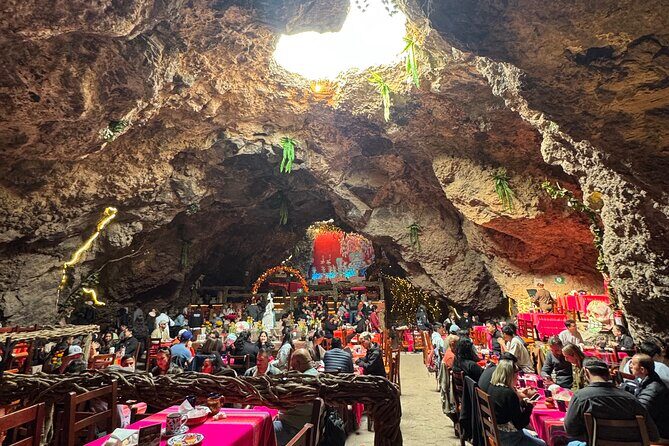
- Cave breakfast (or a terrace option): you eat in a natural cave or at a view-focused terrace with pyramids nearby.
- Included guide + entry: you don’t pay extra for admission, and you get a bilingual guide to explain what you’re looking at.
- Obsidian and maguey-focused workshop stops: you learn how local plants and minerals connect to ancient life.
- Drink tastings with a story: pulque, tequila, mezcal, and other regional sips show up during the cultural stops.
- Moon Pyramid climb is part of the plan: expect steep steps and bring a steady head for heights.
- Chocolate-making at the end: you’ll learn to make your own chocolate before heading back to CDMX.
Why this Teotihuacán tour works better than “just a drive and photos”
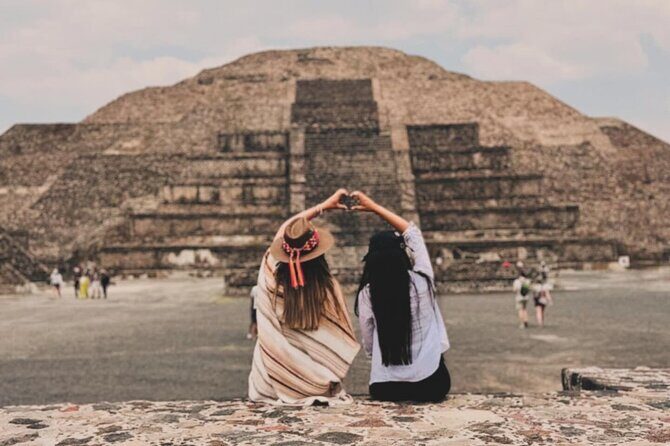
Teotihuacán is one of those places where the ruins look instantly impressive, but they become ten times better when someone explains how the city was laid out and why specific temples mattered. This tour leans into that. You’re not only getting the big moments (Sun and Moon pyramids), but also the supporting stops that help the site make sense—obsidian, regional drinks, and a cacao workshop.
I also appreciate how the day is structured to reduce downtime. Round-trip air-conditioned transportation is included, entrance tickets are built into the schedule, and the guide is there to keep moving. In plain terms: you spend your time on Teotihuacán, not at check-in lines or trying to decode everything on your own.
That said, it’s still a multi-stop day. If your ideal Teotihuacán visit is laser-focused on the archaeology with zero detours, this might feel like more stops than you expected. Think of it as a day built for culture and experiences, not a pure express route.
You can also read our reviews of more guided tours in Mexico City

Getting from CDMX: pickup points and real-world timing
You have two different “start” options depending on how your pickup is handled. Many people meet at the Angel of Independence area (Av. P.º de la Reforma 342, Piso 27), and others are picked up directly at their hotel or Airbnb.
Here’s what I’d do to avoid the common headaches:
- Confirm your pickup address early (especially if your hotel is outside the usual pickup range).
- Plan to be ready a bit before the stated time. The driver is described as arriving about 10 minutes before pickup.
- Know that traffic and late arrivals can shift the order of stops.
Some reviews describe being late for pickup and then seeing the itinerary rearranged, plus a longer day than the advertised 5–6 hours. It doesn’t mean the pyramids aren’t worth it. It just means you should mentally prepare for a schedule that can flex.
If you want the smoothest day, you’ll benefit from clear communication and a flexible mindset. Bring water, wear comfortable shoes, and don’t treat this like a tight timed appointment.
Cave breakfast in Teotihuacán country: the moment that makes the day feel special
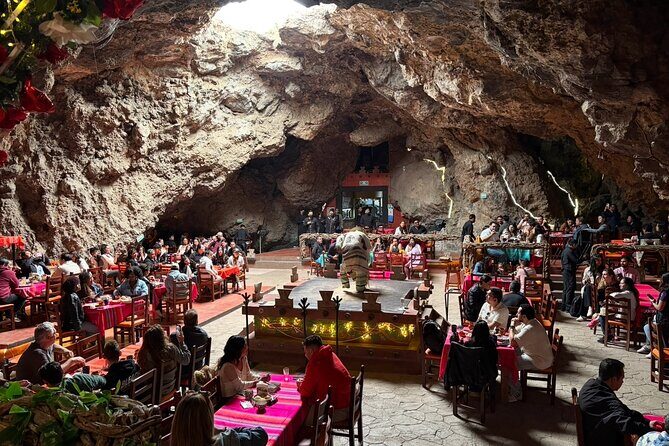
The first major highlight is breakfast—either in a natural cave or on a terrace with views of the monuments (based on what’s available on your day). This is not just a gimmick. Eating in a cave changes the vibe instantly. It feels local, not like a generic tourist café.
The menu is described as traditional Mexican cuisine, with things like enchiladas showing up in people’s reports, plus drinks such as fresh orange juice and coffee de olla. Expect that the cave restaurant runs like a well-oiled operation: you’re fed, you’re moving, and you’re not meant to linger forever.
Two practical notes:
- Caves can feel cool, so bring something light if you run chilly.
- Dietary flexibility isn’t spelled out. If you’re vegetarian or gluten-free, plan to message ahead and don’t assume every dish can be swapped.
When breakfast happens after transportation time from CDMX, the day starts moving fast. If you’re the type who needs a slow breakfast to function, you’ll want to eat what’s offered quickly and then settle in for the rest of the program.
Obsidian, maguey, and drink tastings: small stops with big context

After breakfast, the tour shifts into cultural mode. You visit an artisan cooperative and art-galley-style stop where you learn about local plants and minerals—especially maguey and obsidian.
What makes these stops valuable is the framing. Instead of treating Teotihuacán history like a list of facts, you’re shown the practical side: maguey’s role (including the fact that alcoholic drinks can come from it), and why obsidian mattered in the ancient world. You also get a tasting portion where regional drinks like pulque, tequila, and mezcal may appear.
These moments are also where you may feel the “sales energy.” Some people report pushy shopping pressure at artisan compounds and souvenir stores. The tour itself is described as including cultural explanation and certified purchases, but that doesn’t stop individuals from trying to persuade you.
My advice:
- Treat tastings as experiences, not mandatory purchases.
- Decide your souvenir budget before you get approached.
- If you’re curious, ask what’s included in any sample pricing before you agree to anything.
One review mentions extra charges for certain alcohol shots when the tastings were assumed to be fully included. That’s your clue to ask one simple question: Is this sample free or extra?
The Teotihuacán guided tour: Sun, Moon, Quetzalcoatl, murals, and the climb
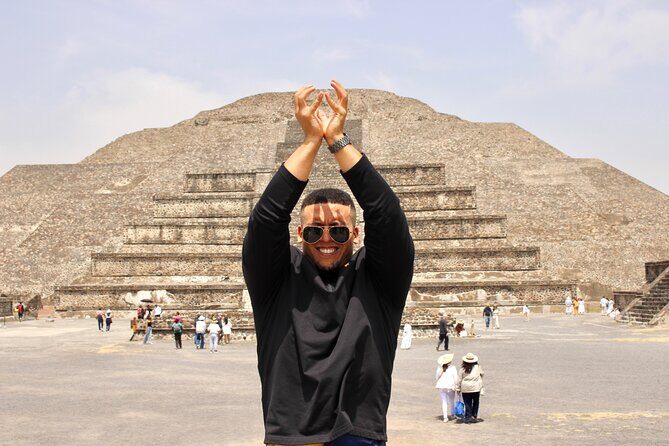
This is the centerpiece. Your guided time inside the archaeological zone is described as about 60 to 90 minutes, and the schedule also includes return travel time. That means you get the big hits, but it’s not an all-day deep exploration.
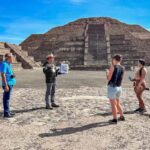
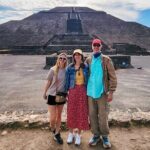
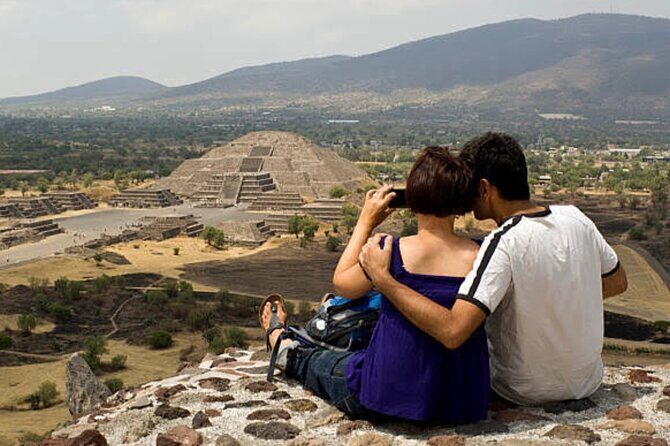
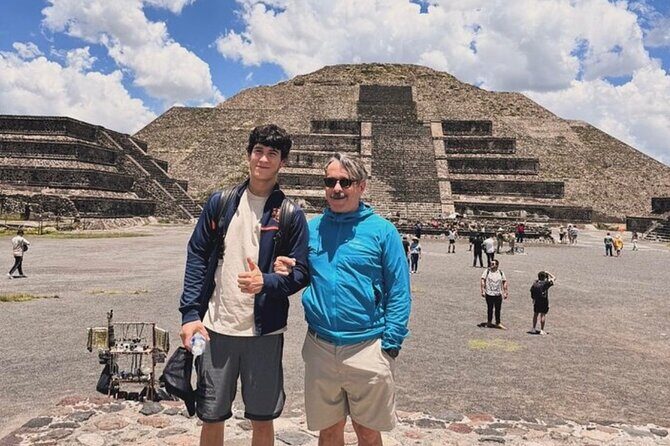
Expect the route to focus on the most important areas: the Pyramid of the Sun, the Pyramid of the Moon (with climbing planned), the Temple of Quetzalcoatl, and places connected to murals and key visual markers.
About the Pyramid of the Moon climb: recent info shared in reviews says you can climb to the second tier, which may involve roughly 47 steep steps. It’s steep, and at least one account notes there aren’t railings—just ropes in the middle. If you fear heights, you’ll want to plan your pace and take breaks.
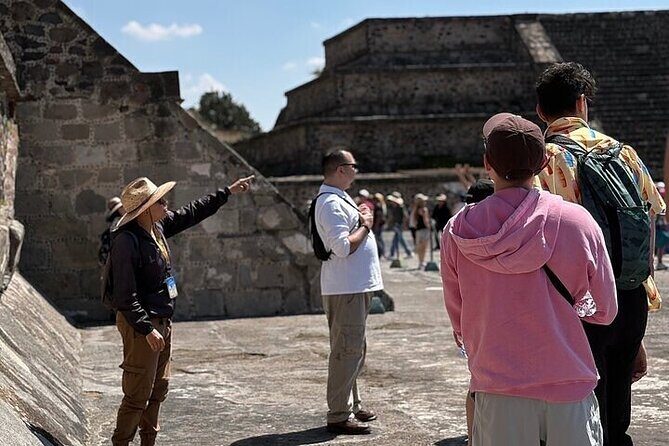
You’ll also get guidance on how to look at what you’re seeing—layout, symbolism, and what the temples likely represented. This is where the guide matters. People mention guides such as Salma and Abel (and others like Marco, Hugo, and Alex in different roles) helping them connect what they’re looking at to the bigger picture.
Two practical tips that will make the site easier:
- Use sunscreen and bring water; there’s limited shade.
- If heat is intense, the guide may shorten the route to keep people comfortable.
If you want lots of smaller structures and a long ramble through every corner, you might feel this is short. If you want the highlights explained by a real human, it’s a strong format.


Chocolate-making at Villa Tlaloc: a cool-down with real flavor
After the pyramids, you finish with a cacao workshop. This is one of the most satisfying endings on the day, because it’s interactive and practical. You’re taught how to make your own chocolate, and the workshop setting is described as a good place to cool down.
Some people mention using a mortar and pestle, tasting cacao directly, and learning how different chocolate varieties compare. You might also get samples of chocolate drinks and chocolate-related products.
This is also where extra tasting costs can pop up. Tastings of drinks may be included, but some reviews mention that additional hot chocolate or stronger alcohol shots were charged separately. Again: ask before you sip and assume the price if it isn’t clearly stated.
If you buy chocolate, buy it for the right reason: to remember the process, not to panic-buy at the first counter. Your day ends with a workshop, then transportation back to Mexico City.
Shopping stops and tourist-trap pressure: how to keep this day fun (not stressful)
Let’s be honest: the itinerary includes cooperative and shop-style stops—obsidian/mineral teaching points, artisan gallery moments, and cacao/drink-related purchasing areas. That’s part of how this tour funds its included experiences.
The difference between a good day and a frustrating one is your expectations and your boundaries.
Here’s how to protect your time and money:
- Decide what you want to buy before you start. A small agave-themed souvenir or a few chocolate bars is plenty.
- Don’t accept random “lectures” that feel unrelated to the main plan. If your schedule slips, ask politely how it affects the time at the pyramids.
- If someone pressures you to buy or tip during a stop, you can calmly say no. Nothing requires your wallet to open.
- Keep small cash, but don’t hand it over just because someone talks fast.
A couple of reviews call out shopping compounds happening before the pyramids and feeling like a detour. Others say the day became a grind of upsells. You can’t always control what happens at each stop, but you can control your spending and your patience.
Also, if you’re traveling with kids, keep an eye on the pacing. This is described as suitable for whole families, but the combination of walking, heat, and shops can wear out younger travelers.
Price and value: what you’re paying for (and what you might feel is overpriced)
We don’t have a price tag here, but you can still judge value by what’s included. This tour packages:
- round-trip air-conditioned transport
- included admission tickets
- a certified bilingual guide
- cave breakfast (or terrace option)
- drink tastings
- obsidian and cultural workshop stops
- a guided archaeological tour
- a cacao-making workshop
Compared to cheap “bus to pyramids” tours, this feels like you’re paying for structure: guide time, included entry, and hands-on workshops. Compared to the fastest express tours, you’re paying for extras.
So the value question becomes simple:
- If you want more than photos—if you enjoy crafts, food, and explanations—this likely feels worth it.
- If you only want the pyramids with minimal detours, you might feel the money goes partly to stops that are easy to skip on your own.
Who should book this Teotihuacán experience?
Book it if you want a guided highlight day with real food moments and workshops. It’s especially good for:
- first-time visitors who want the story behind the temples
- travelers who like tastings and small cultural stops
- families who can handle a brisk schedule and enjoy interactive activities
- anyone who prefers hotel pickup over hunting down a meeting point
Consider another option if you:
- hate shopping pressure and long shop-style stops
- need very specific dietary accommodations (vegetarian/gluten-free aren’t clearly guaranteed)
- want a long, unbroken stay in the archaeological zone with minimal time constraints
- can’t handle steep climbs or heights (the Moon climb is steep and exposed)
Should you book this Teotihuacán tour or not?
I’d book this when you want Teotihuacán to feel like a full day of sensory culture: cave breakfast, mineral and drink explanations, guided pyramids, then chocolate-making. The included guide time and priority entry are the backbone of the value.
Before you commit, do two things to make it smoother:
- Ask what stops are included versus optional tasting add-ons (especially alcohol shots and any hot chocolate pricing).
- Set your shopping rules in your head—how much you’ll spend, and what you’ll say no to.
If you show up flexible and focused on the highlights, this tour can feel like a well-run day. If you want a bare-bones express route, you may feel the detours more than the pyramids.
FAQ
How long is the Teotihuacán guided tour?
The tour is scheduled for about 5 to 6 hours.
Does the price include transportation from Mexico City?
Yes. Round-trip transport from your accommodation in Mexico City is included, using an air-conditioned vehicle.
Where does the tour meet if I’m not getting hotel pickup?
The meeting point listed is the Angel of Independence area (Av. P.º de la Reforma 342, Piso 27). The tour also states pickup can be arranged at hotels or Airbnb locations if you provide the address.
Are entry tickets to Teotihuacán included?
Yes. Admission tickets are included, and the tour notes priority-style entry without rows.
What happens during the breakfast stop?
You have traditional Mexican cuisine either at a terrace with views of the monuments or in a natural cave.
Is the Pyramid of the Moon climb included?
Yes. The plan includes climbing the Pyramid of the Moon as part of the guided archaeological visit.
Are drinks included?
A drink tasting is included during the cultural stops, with regional options like pulque, tequila, and mezcal mentioned.
Is chocolate-making included?
Yes. You end with a cacao workshop where you learn to make chocolate.
Are tips included?
No. Tips are not included.
Is this a private tour or a group tour?
It’s private. Only your group participates.