REVIEW · MEXICO CITY
Walking Tour of the Historic Center of Mexico City
Book on Viator →Operated by Kactus Free Walking Tour · Bookable on Viator
Mexico City can feel like a living museum. This 3-hour historic-center walking tour connects the city’s pre-Hispanic roots and colonial power in one tight loop, with storytelling you can follow site by site. I especially like the way guides (from Fer to Luis, for example) keep the pace friendly for real people and not just fast walkers, using practical tips like when to hop over crosswalks and where to find shade.
One watch-out: expect lots of walking with limited chances to sit, and the cobblestones and elevation can slow you down.
What I really like, though, is that you don’t just peek at landmarks—you get into two places that change how you see the city. The Museo Vivo del Muralismo (with major Diego Rivera murals) and the Ventana Arqueológica turn history from theory into something you can stand in front of. If you want purely inside access at every stop, this tour is more of an overview than a full museum day, since some big buildings are mostly seen from the outside.
In This Review
- Key highlights at a glance
- Getting Oriented Fast in Mexico City’s Historic Center
- Zócalo: The Square That Explains Everything
- Catedral Metropolitana Outside: Baroque Meets Neoclassical
- Templo Mayor Area: Mexica Sacred Geography in Plain View
- Museo Vivo del Muralismo: Diego Rivera’s Murals as Social History
- Santo Domingo Plaza and Plaza Tolsa: Power, Trade, and Daily Life
- Ventana Arqueológica: A Hidden Past Under a Street
- Bellas Artes, Postal Palace, and the House of Tiles
- Practical Stuff That Makes This Tour Work
- Who Should Book This Historic Center Walk?
- Should You Book Kactus Free Walking Tour’s Historic Center Walk?
- FAQ
- How long is the Historic Center walking tour?
- Where does the tour start and end?
- Is the tour offered in English?
- Are admission tickets included for all stops?
- What group size is this tour limited to?
- What happens if the weather is bad?
Key highlights at a glance
- Small group (max 10): easier questions, smoother pacing, less waiting around.
- Two included interiors: Museo Vivo del Muralismo and Ventana Arqueológica.
- Mexica + colonial in one circuit: Zócalo, Templo Mayor area, and viceroyalty-era plazas.
- Diego Rivera murals in context: art, politics, daily life, and trade-era themes.
- Photo-worthy grand architecture: Bellas Artes, Palacio Postal area, and the House of Tiles.
Getting Oriented Fast in Mexico City’s Historic Center
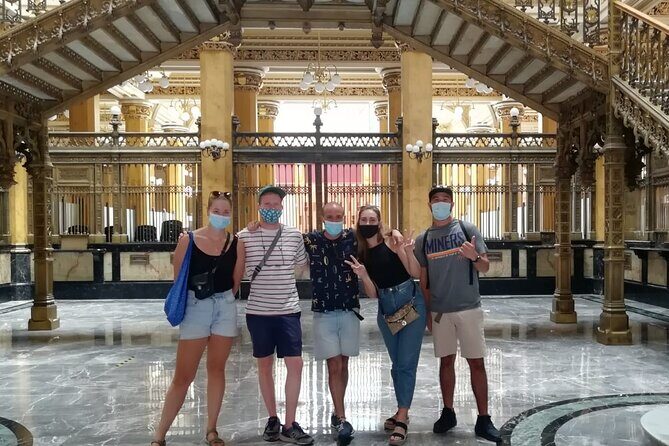
You start at Plaza de la Constitución (the Zócalo). That’s smart, because the whole Centro Histórico radiates from here, and a walking route anchored in the main square helps you learn the city’s logic quickly. The tour lasts about 3 hours, and the small group size (up to 10 people) keeps it from turning into a stampede.
Pacing matters on this route. Even when the weather is good, you’ll still cover ground on uneven streets. The guides I saw praised in real life—like Fer and Luis—often act like local navigators: they slow down for crossings, point out where shade is available, and make time for short needs like a bathroom stop if the group allows it.
You’ll also get a mobile ticket, which cuts down on fumbling with paper. And since the meeting area is in the center, you’re usually not far from public transportation if you’re coming in from elsewhere in CDMX.
You can also read our reviews of more walking tours in Mexico City



Zócalo: The Square That Explains Everything
Stop one is the Zócalo, Mexico City’s big central living room. From here you can frame the National Palace on one side, the Supreme Court of Justice nearby, and the daily pulse of silversmith shops and street life around the edges.
What I like most at the Zócalo is how quickly it teaches you that Mexico City isn’t one story—it’s layers. You’ll hear how the square became a symbol of state power, and how the surrounding streets carry on that role while the city grew into the huge metropolis it is today.
Practical tip: the Zócalo can be crowded and noisy. Take a breath, look up for architectural details, and don’t get stuck trying to read every sign—this is the place to get your bearings.
Catedral Metropolitana Outside: Baroque Meets Neoclassical
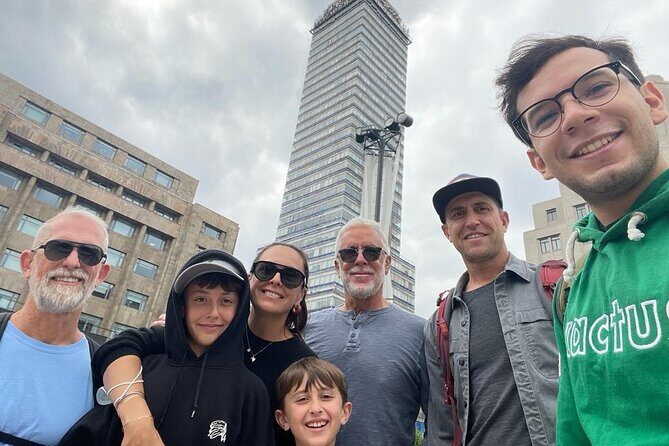
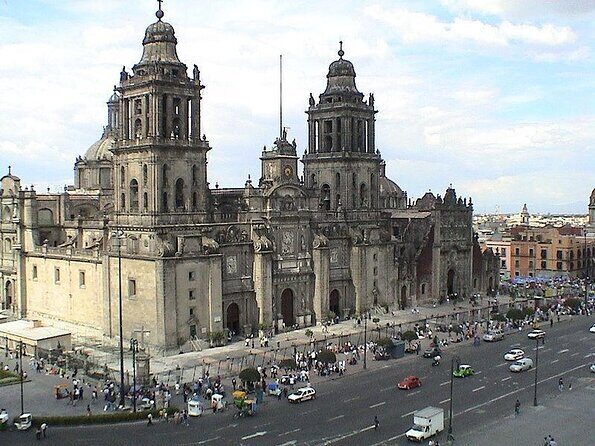
Next, you’ll stand by Catedral Metropolitana and get the background from the outside—construction history, origins, and the mix of Baroque and neoclassical architecture. Even without going inside, this stop is useful because it shows how colonial-era design tried to project authority.
A good way to watch here: compare the cathedral’s massing and lines with what you’ll see later in the palaces and civic buildings. That mental comparison makes the route click—pre-Hispanic sacred space gave way to colonial and church-centered power, and you can feel that shift as you walk.
This stop’s ticket isn’t included. So if your plan is to go inside, budget extra time and tickets on your own. If you just want the story and the exterior impact, you’ll be fine.
Templo Mayor Area: Mexica Sacred Geography in Plain View
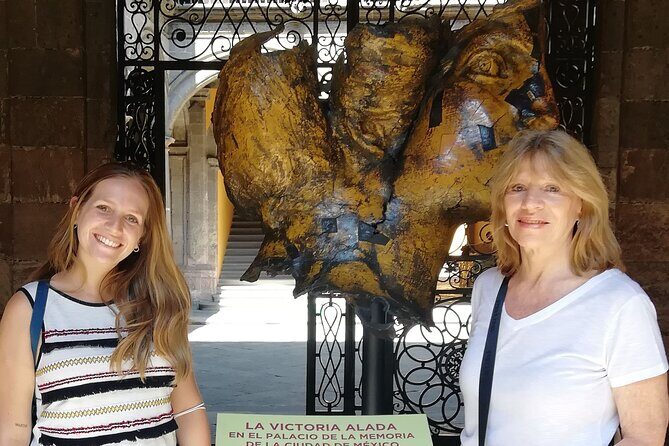
Then comes one of the most meaningful moments on the route: the outside archaeological ruins connected with Templo Mayor, dedicated to the god of rain and the god of the sun. This is where the tour earns its name as more than a skyline walk.
What makes Templo Mayor special is the idea of sacred geography. You’re not only seeing a ruin; you’re getting a clearer sense of how the Mexica structured space—how the city’s layout mirrored cosmology. If you’ve ever wondered why the Centro doesn’t feel random, this helps answer it.
Even if you’ve seen pictures before, there’s something different about standing near a site where the city’s earlier world literally sits beneath later streets. It gives you a physical reference point for the rest of the walk.
Museo Vivo del Muralismo: Diego Rivera’s Murals as Social History
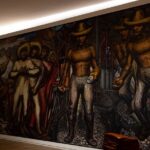
This is one of the strongest stops—and it’s also included. You’ll enter the Ministry of Education building to visit Museo Vivo del Muralismo, where a significant portion of Diego Rivera’s murals can be found (the tour frames it as about a third of his mural work).
This stop works because it explains the murals like they’re a living argument, not just art. You’ll learn how the paintings touch festivals and traditions, social struggle, trade, and politics in the early 20th century. In other words, you see how Rivera used big public walls to tell stories about power, labor, and national identity.
A detail worth planning around: this is not a fast “look for 10 minutes and leave” stop. Some guides even make room to pause in the building’s court area so you can take in more of the mural environment. Even if you only stick to the main viewing, you’ll come away with a clearer sense of how murals became a kind of public news.
You can also read our reviews of more city tours in Mexico City


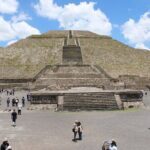


Santo Domingo Plaza and Plaza Tolsa: Power, Trade, and Daily Life
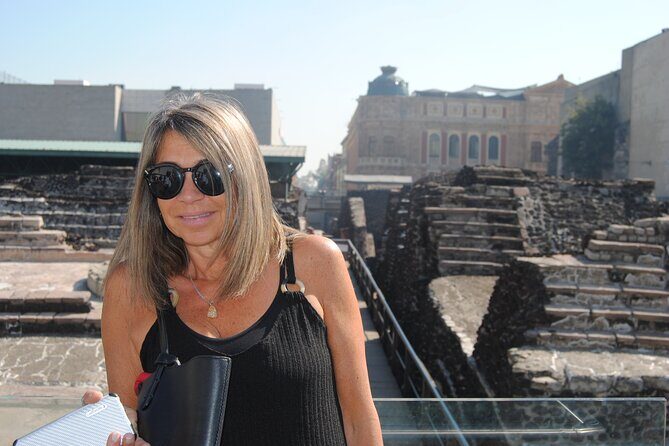
After the mural museum, you move through two plazas that feel like open-air history books.
First is Plaza de Santo Domingo, where the tour frames the square as a witness to major events of the viceroyalty of New Spain. You’ll hear how it ties to the trade of spices and products with Asia, the Holy Inquisition, and even attempts by France to conquer Mexico. The point isn’t to memorize dates. It’s to see how international forces and local power struggles all rubbed shoulders in the same streets.
Then you head to Plaza Tolsa—a practical break. This is where the tour slows down to let you rest in the shadows and talk through broader themes: indigenous languages, Day of the Dead traditions, music, politics, and gastronomy. The value here is that the guide turns architecture into everyday culture, so you’re not stuck thinking history only happened in buildings.
In Plaza Tolsa you’ll also spot iconic visuals, including the equestrian statue of Charles IV, nicknamed the little horse. The tour also points out exterior views linked to the National Museum of Art and the Mining Palace, which helps you see the Centro as a network of institutions rather than isolated monuments.
Ventana Arqueológica: A Hidden Past Under a Street
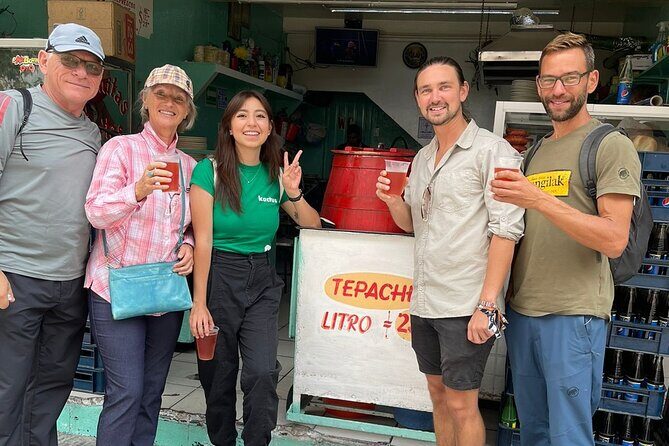
Next is Ventana Arqueológica, also included. The concept is brilliant: you get a glimpse of the past under a street, and you learn how these remains were discovered and what they reveal. The stop is short, but it changes the way you walk afterward—suddenly you notice that many Centro buildings hide earlier layers.
This is a great example of why a guided walk beats solo sightseeing. Without context, you might pass this kind of site thinking it’s just another plaque. With the tour’s explanation, it feels like a window into the city’s continued reshaping.
For photos, aim for a steady view and take a minute to look both at what’s exposed and what surrounds it. That contrast helps you understand how much has been covered, reused, or built over through time.
Bellas Artes, Postal Palace, and the House of Tiles
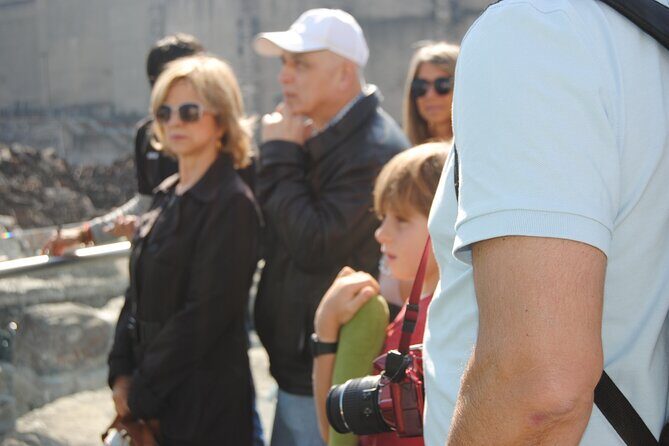
You finish strong with some of Mexico City’s most recognizable visuals.
Palacio de Bellas Artes is a must-see on many first-timer lists, and the tour treats it that way. You’ll take in both the exterior and the inside viewpoint focus (depending on what’s open at the time) and hear why the building dazzles people at a glance. This is where the walk shifts from “history lessons” to “wow, this city knows how to stage art.”
Then there’s Palacio Postal. The ticket isn’t included, so you’ll likely focus on what you can see from the tour experience—its exterior presence and why such a grand palace mattered economically and politically. It’s still valuable even without interior access because it tells you the Centro wasn’t only sacred and bureaucratic; it was also about communication, commerce, and modern systems.
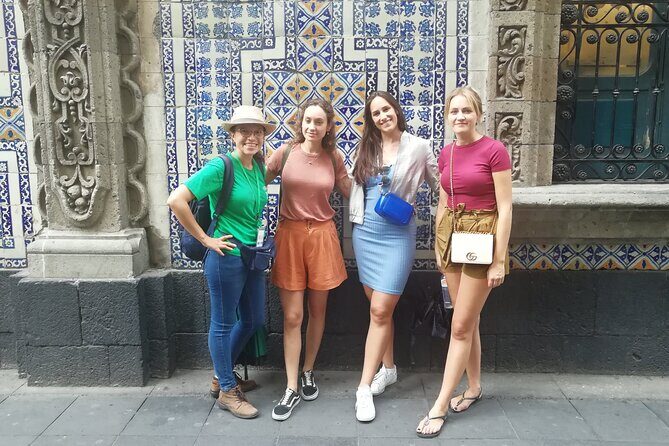
Finally, you reach the House of Tiles (Casa de los Azulejos), famous for its tilework and one of the most photographed icons in the area. This last stop is ideal if you want a clean finish line for your photos: bright surfaces, instantly recognizable design, and a “you made it” moment at the end of your walk.
Practical Stuff That Makes This Tour Work
This is a walking route in Centro Histórico, so your comfort choices matter.
- Wear shoes with grip. Streets can be uneven, and you’ll be on your feet for a few hours.
- Bring sun protection. Even on an otherwise nice day, this route can mean bright exposure between shaded breaks.
- Plan for a slower group pace if you need it. The tour is designed for a small group, but the city’s streets still set the pace.
- Use the shade breaks. Plaza Tolsa is one built-in pause, and good guides also help you find other moments of relief.
If you’re traveling with mobility limits, this tour can still work for you, but you’ll want to be honest with yourself about how long you can stand and walk. Some people have trouble with cobblestones, and that can slow the whole group down.
Also, since this is in the center, you’ll have good options for snacks and water nearby. The tour doesn’t include food or sweets, so I suggest you bring a bottle and keep a small snack in your day bag.
Who Should Book This Historic Center Walk?
I’d book this if:
- You’re in Mexico City for the first time and want a fast, organized way to understand the Centro Histórico.
- You like your history tied to real places—especially the connection between Mexica roots and colonial architecture.
- You want Diego Rivera murals, but you don’t want a full-day museum plan.
- You prefer small-group attention. Maximum 10 travelers means questions actually get answered.
I’d think twice if:
- You want long interior time in every major attraction. Some places are mostly outside views and not ticket-included.
- You can’t handle sustained walking on uneven streets and don’t want to adapt your pace.
Should You Book Kactus Free Walking Tour’s Historic Center Walk?
Yes, if your goal is to get your bearings fast and leave with a clearer mental map of CDMX’s layers—pre-Hispanic, colonial, and modern. The combo of Templo Mayor area context, Museo Vivo del Muralismo, and Ventana Arqueológica is the backbone of the value: you don’t just see famous buildings; you understand why the city looks the way it does.
Book it especially if you enjoy guides who tell stories with structure and real local color. If you bring good shoes, a bit of patience for walking, and a willingness to be outside most of the time, this is a strong first-day-or-first-two-days type of experience.
FAQ
How long is the Historic Center walking tour?
It’s about 3 hours.
Where does the tour start and end?
It starts at Plaza de la Constitución and ends near the side of Palacio de Bellas Artes and the House of Tiles.
Is the tour offered in English?
Yes, it’s offered in English.
Are admission tickets included for all stops?
No. Tickets are included for Museo Vivo del Muralismo and Ventana Arqueológica. The cathedral and Palacio Postal are not included, and several other stops are free.
What group size is this tour limited to?
The tour has a maximum of 10 travelers.
What happens if the weather is bad?
The experience requires good weather. If it’s canceled due to poor weather, you’ll be offered a different date or a full refund.