REVIEW · CABO SAN LUCAS
SMALL GROUP Whale Watch | Cabo San Lucas | Biologist | FREE Pics
Book on Viator →Operated by Whale Watch Cabo · Bookable on Viator
Cabo whales come with a biology lesson. This small-group cruise (max 12) goes out in search of humpbacks and other marine life, led by a marine biologist who helps you spot what matters. I love the small-group vibe and the biologist-led explanations that turn sighting time into real learning.
Second, I like the practical extras: your crew takes free tour photos during the trip, and there’s a whale sightings guarantee in the peak season (Dec 15 to Apr 15) if you don’t see whales. When conditions are right, you can even hear humpback “song” through a hydrophone, which adds a whole new layer to what you’re seeing.
One thing to plan around: this is weather dependent. If the sea is rough, the ride can feel bouncy, and seasickness prevention matters (especially if you’re prone).
In This Review
- Key Points at a Glance
- Marine Biologist Whales, Small Boat Cabo Style
- Boarding at Whale Watch CaboPlaza Bonita and What You’ll Notice First
- El Arco Photos, Lovers Beach Pass-By, and Pelican Rock in a Protected Area
- What can feel tricky here
- Where the Whale Search Happens: Sea of Cortez or Pacific Ocean
- The hydrophone moment
- The 2.5-Hour Rhythm: What It Feels Like Minute to Minute
- Free Photos and the Extra Care That Makes Whale Viewing Better
- Price and Value: Is $109 Worth It in Cabo?
- Comfort, Seasickness, and What to Bring for a Smooth Ride
- Who Should Book This Whale Watch (and Who Might Want a Different Plan)
- Should You Book Whale Watch Cabo? My Practical Take
- FAQ
- How many people are on the whale watch?
- Who leads the tour?
- What wildlife can I expect to see?
- Is there a chance to hear whale sounds?
- Are photos included?
- Is bottled water included?
- Where do I meet and where does it end?
- What is the duration of the tour?
- What if the weather is bad?
- What if I don’t see whales?
Key Points at a Glance
- Small boat, max 12 people for better views and more Q&A time
- Marine biologist on board focused on whale behavior and conservation
- Free onboard photo service so you’re not stuck with empty memory cards
- Hydrophone whale sounds can happen when the ocean cooperates
- Whale sightings guarantee (Dec 15–Apr 15) includes a free second tour if no whales are spotted
Marine Biologist Whales, Small Boat Cabo Style
Cabo San Lucas is famous for its views, but this tour’s real payoff is how it reframes the whole trip: you’re not just chasing whales. You’re learning the “why” behind what you see, from migration and communication to how boats should behave around wildlife.
The small-group size (12 max) changes the feel fast. On a crowded boat, you spend time craning your neck and hoping the person in front steps aside. Here, it’s easier to actually talk with the guide, ask questions while you’re watching, and keep track of what the captain is doing to find the best area.
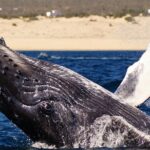
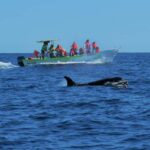
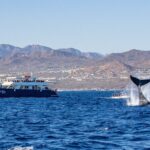
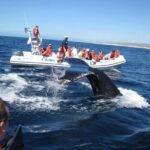
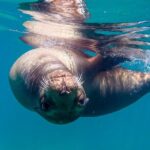
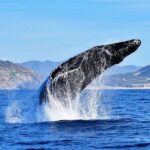
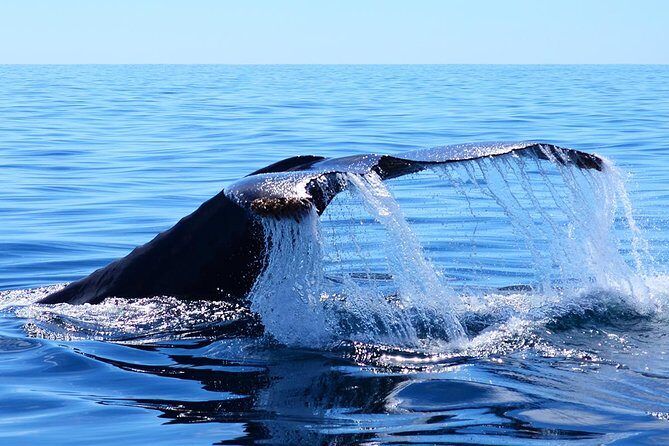
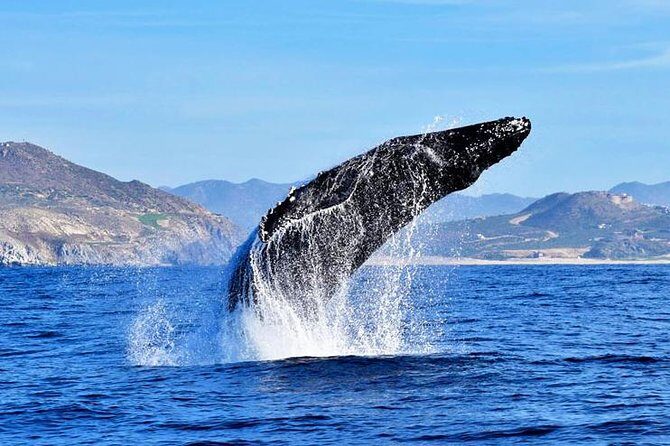
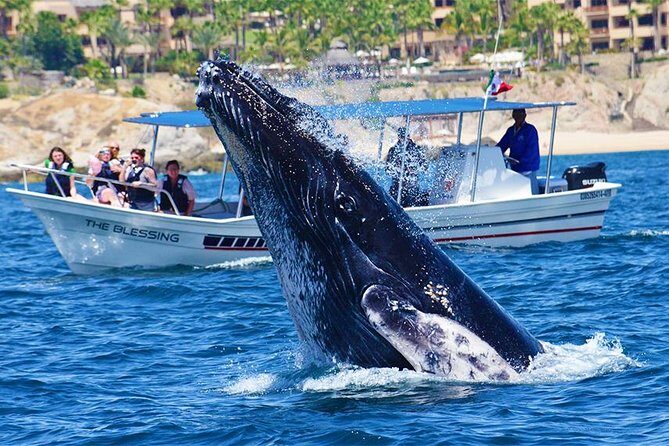
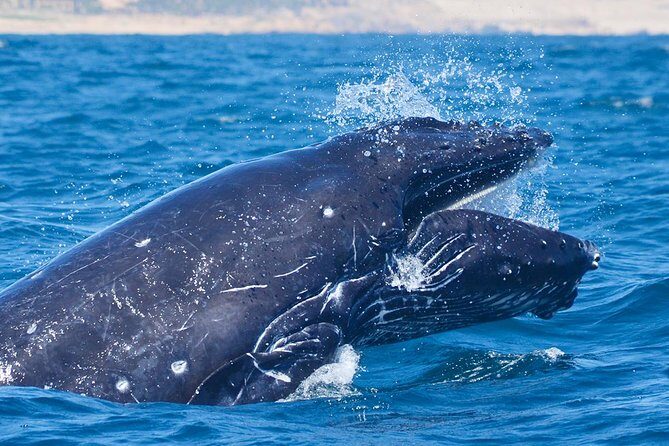
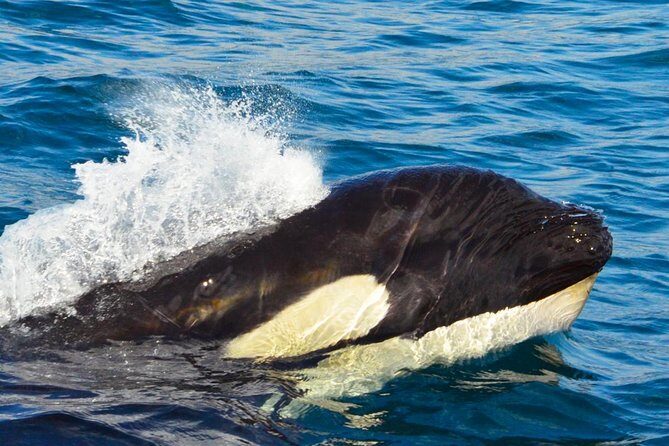
And yes, it’s still fun. Expect classic humpback moments like tail fin slaps and breaching splashes, plus the calmer, “right there in the water column” sightings that can feel almost surreal. Guests also describe humpbacks swimming close under the boat at times, along with dolphins, sea lions, and sea turtles.
You can also read our reviews of more whale watching tours in Cabo San Lucas
Boarding at Whale Watch CaboPlaza Bonita and What You’ll Notice First
Your meeting point is Whale Watch CaboPlaza Bonita, Blvd. Paseo de la Marina 17, Centro, Marina, Cabo San Lucas, B.C.S. You’ll return to the same spot at the end.
A few practical details help you settle in quickly:
- Restroom on board, which is a big quality-of-life win on a 2.5-hour outing.
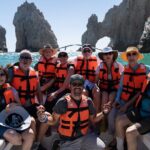
- All sizes life jackets, so you don’t have to hunt for the right fit.
- Mobile ticket for check-in, and the tour is offered in English.
- Transportation isn’t included, so you’ll want a ride or plan your walk/taxi to the marina.
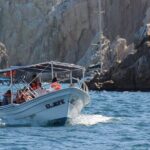
The boats are designed for real wildlife viewing. That shows in how staff position you and how they talk about staying respectful, especially when whales are actively feeding, traveling, or socializing.
El Arco Photos, Lovers Beach Pass-By, and Pelican Rock in a Protected Area
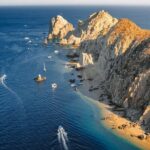
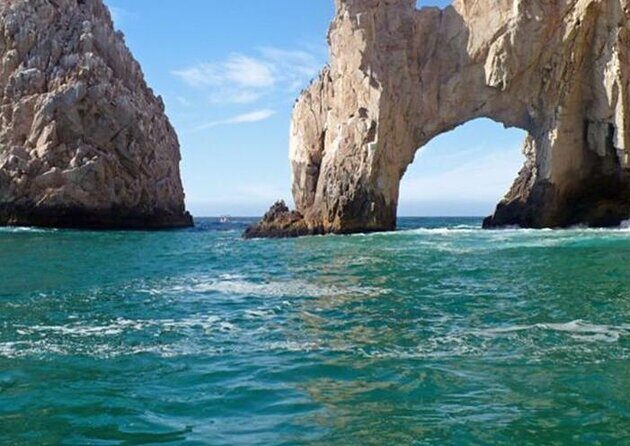
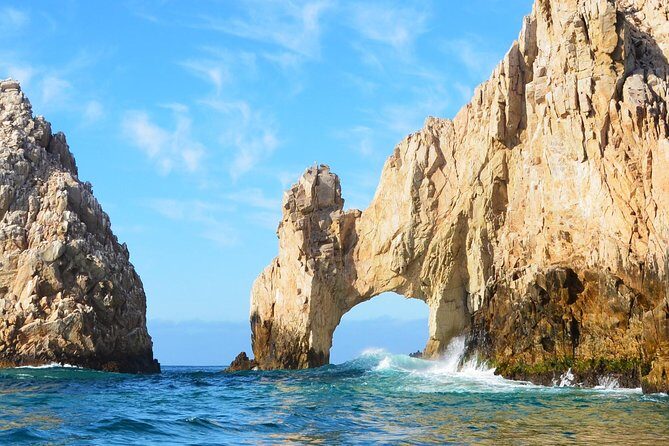
The first stop is El Arco de Cabo San Lucas, the iconic sea arch everyone recognizes. You’ll get a short window (about 5 minutes) to take photos from the boat. This isn’t meant to be a sightseeing crawl. It’s a quick, scenic start that sets the tone for the cruise.
Then you head out and pass by Lovers Beach. It’s more than a postcard name here. From the water, you can see how the shoreline folds into the bay, and it helps you understand why this area is so productive for marine life.
Next comes Pelican Rock, a small rock formation inside the marine protected area of the Bay of Cabo San Lucas. This matters because protected-water rules tend to create better wildlife behavior and more consistent viewing opportunities. Even if you don’t spot whales instantly, this stop keeps you anchored to the “nature” story instead of just the “landmark” story.
What can feel tricky here
If you’re hoping for a long photo stop on the arch, this isn’t that. The arch stop is brief on purpose, because the main goal is what happens once you leave the bay.
Where the Whale Search Happens: Sea of Cortez or Pacific Ocean
After the bay section, the captain heads either into the Sea of Cortez or out into the Pacific Ocean, depending on conditions. That choice is a big deal, because the whale-friendly areas you can reach—and how smooth the ride is—varies day to day.
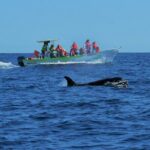
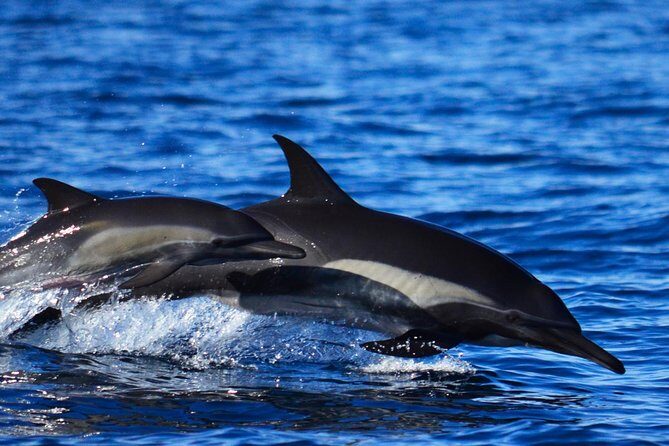
Most trips focus on humpback whales, but you might also encounter other marine life like dolphins, sea lions, turtles, and in some cases grey whales. Guests also describe sightings including sperm whales, so the ocean can surprise you beyond the main target.
A theme from the experience is “go where the animals are, not where the crowds are.” You’ll often hear that this crew takes the extra mile to not disturb whales. Translation for you: you’re more likely to get longer, calmer viewing moments instead of constant repositioning that scares wildlife off.




The hydrophone moment
When conditions allow, you can hear humpback whales via a hydrophone. Reviews mention the audio comes through a submerged recorder, and that the sounds can be so clear it feels like the whales are talking right there in the water column. Even if the whales aren’t breaching, this part can still be the emotional highlight of the day.
The 2.5-Hour Rhythm: What It Feels Like Minute to Minute
Think of this tour as two phases:
1) Bay landmarks and protected-water scenery (short, scenic, and efficient)
2) Open-water whale search (where the main action happens)
Once you’re out, time usually shifts from “Where are they?” to “Watch what they do.” That’s where a marine biologist earns their keep. A good onboard naturalist helps you read behavior:
- how whales surface and travel
- what feeding looks like from a boat
- why movement patterns matter more than just counting spouts
Some guests highlight guides like Victoria and Oscar, and one review mentions Josephine explaining humpback behavior and the importance of observation rather than interaction. Another guest noted Payo, described as a veterinarian specializing in marine biology, bringing both friendliness and strong science into the conversation.
Even when you catch only one or two big moments, the biologist layer makes the encounter feel complete, not like a random “we saw whales” checkbox.
Free Photos and the Extra Care That Makes Whale Viewing Better
Let’s talk about the photo side, because it affects your day more than you’d think.
On this tour, your guide takes photos during the cruise, and you get them for free. That means:
- you’re not constantly juggling a phone/camera while scanning for whales
- your crew can focus on finding whales while still capturing key moments
- you leave with actual “proof” shots, not just shaky clips
Guests describe photo quality as strong, and some mention photos arriving by email a day later or within a few days. Either way, the value is clear: you pay for a guided experience and still get the media you’ll want later.
There’s also an unglamorous but important detail: responsible positioning. Reviews repeatedly mention the captain puts the boat in great sightlines but stays careful not to get too close. That’s a good sign. It usually means more whale time, better behavior, and a tour that doesn’t feel like a stunt.
Price and Value: Is $109 Worth It in Cabo?
At $109 per person, this whale watch sits in the “mid” range for Cabo cruises. The question isn’t only price. It’s what’s included and how that changes your odds.
Here’s where the value comes from:
- Small group (max 12): you’re paying for space and attention, not just a seat.
- Marine biologist lead: you get science and context, not only a lookout role.
- Free onboard photos: that’s a real add-on cost you avoid.
- Whale sightings guarantee in peak season (Dec 15–Apr 15): if whales don’t show, you can get a free second tour.
On top of that, there’s a sustainability angle. Bottled water isn’t included, and they try to avoid single-use plastic. That choice may mean you’ll want to plan a refill strategy on your own.
What’s not included is transportation, so your total cost depends on how you get to the marina. If you’re already staying near Cabo’s marina area, this is easier to make “good value” fast.
Comfort, Seasickness, and What to Bring for a Smooth Ride
Most travelers can participate, and you’ll be provided life jackets. But your comfort will depend heavily on sea conditions, and Cabo can have days that feel lively.
One guest specifically advised that women can be more prone to seasickness and suggested taking prevention early, since the crew reportedly had extra meds on board in at least one case. Even if you don’t need meds, it’s smart to plan for it.
For what to bring, keep it simple:
- a light layer for wind once you’re out
- sunglasses or a cap (sun glare off the water is real)
- seasickness prevention if you’ve ever needed it before
Also remember: you may not get whales every single day, even with a search. The whale sightings guarantee helps protect you in the peak season, but the best mindset is to treat this as a wildlife-focused cruise, not a “whales only” product.
Who Should Book This Whale Watch (and Who Might Want a Different Plan)
This tour is a strong fit if you:
- want a calmer boat experience with room to see and talk
- like your fun wrapped in education, with a marine biologist leading the story
- care about conservation-style viewing (watching without crowding)
- want photos taken for you without extra cost
It may be less ideal if you:
- hate any motion on the water and haven’t handled it well in the past
- are expecting a long land-based sightseeing day with multiple stops
- need transportation from your hotel included in the price (this one doesn’t include it)
If you’re traveling with kids, the small-group feel can make it easier to keep attention on what’s happening. Guests also mention seeing whales and marine life with children onboard, with life jackets provided for different sizes.
Should You Book Whale Watch Cabo? My Practical Take
I’d book this if you’re in Cabo during Dec 15–Apr 15 and you want the best blend of wildlife, education, and thoughtful operations. The combo of a marine biologist, small group, free photos, and the whale sightings guarantee gives you more than just a standard tour. It gives you a stronger chance of walking away with both great sightings and real understanding.
If you’re visiting outside that peak whale window, it’s still a solid choice for marine wildlife viewing, but you’ll want to be honest with yourself about weather and sea conditions. Pack for motion, keep expectations flexible, and bring curiosity. The ocean does the schedule here.
FAQ
How many people are on the whale watch?
The tour has a maximum of 12 travelers.
Who leads the tour?
A marine biologist leads the whale watching experience. The tour is offered in English.
What wildlife can I expect to see?
You will mostly look for humpback whales. You may also see other marine life such as dolphins, sea lions, sea turtles, and in some cases grey whales and other whales.
Is there a chance to hear whale sounds?
When conditions allow, you can hear humpback whales via a hydrophone.
Are photos included?
Yes. The guide takes photos during the tour, and you receive the photos for free.
Is bottled water included?
No. The company tries to avoid single-use plastic bottles, so bottled water is not included.
Where do I meet and where does it end?
You meet at Whale Watch CaboPlaza Bonita on Blvd. Paseo de la Marina 17 in Centro, Marina, Cabo San Lucas. The activity ends back at the same meeting point.
What is the duration of the tour?
The tour is about 2 hours 30 minutes.
What if the weather is bad?
This experience requires good weather. If it’s canceled due to poor weather, you’ll be offered a different date or a full refund.
What if I don’t see whales?
There is a whale sightings guarantee in the period Dec 15 to Apr 15. If you don’t see whales, you’ll receive a free second tour.