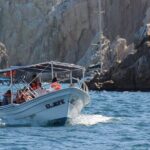
REVIEW · CABO SAN LUCAS
ZODIAC Whale Watch Tour | Cabo San Lucas | Biologist | FREE Pics
Book on Viator →Operated by Whale Watch Cabo · Bookable on Viator
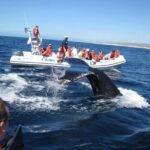
Whales, but with room to breathe. This Cabo San Lucas zodiac tour feels more personal thanks to a max group of 10 and a marine biologist onboard (you may see names like Oscar or Josephine listed on past tours). I also love that the crew takes FREE photos during the trip, so you can actually watch instead of constantly filming. The main drawback to plan around is practical: there’s no restroom on board, and bottled water isn’t included.
What makes this outing worth a look is the mix of small-group boat handling and a clear focus on responsible viewing. You’ll also get a real shot at hearing humpbacks through a hydrophone (when conditions allow), plus the company runs with a whale sighting guarantee and even offers a free return if you don’t see whales during the seasonal window.
Here’s the best part: the trip isn’t just “go look.” You’ll pass famous Cabo landmarks, learn what you’re seeing from the biologist on duty, and then the captain searches for whales at the pace that keeps everyone safer and calmer at sea.
In This Review
- Key things I’d bet on with this whale watch
- A max-10 zodiac in Cabo: why it matters more than you think
- Marine biologist onboard: what you’ll learn as the whales surface
- How the 2.5 hours flow: El Arco, Lovers Beach, Pelican Rock, then the whale search
- Stop 1: El Arco de Cabo San Lucas
- Stop 2: Playa de los Amantes
- Stop 3: Pelican Rock
- Then: the captain searches for whales
- The hydrophone: when whale songs are on the menu
- Free photos and the phone-down strategy
- What you can realistically see (beyond humpbacks)
- Price and value: is $109 reasonable for this experience?
- Who this tour fits (and who might want to think twice)
- Should you book Whale Watch Cabo?
- FAQ
- Is this tour offered in English?
- Do they guarantee whale sightings?
- Will I be able to hear humpback whale songs?
- What amenities are not included on the boat?
- What are the age and weight limits?
- Where does the tour meet?
Key things I’d bet on with this whale watch
- Max-10 small group on a zodiac means you’re not fighting for sightlines.
- Marine biologist guidance onboard (names like Oscar, Josephine, Victoria, Giselle) turns sightings into learning moments.
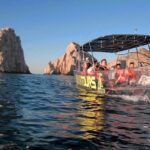
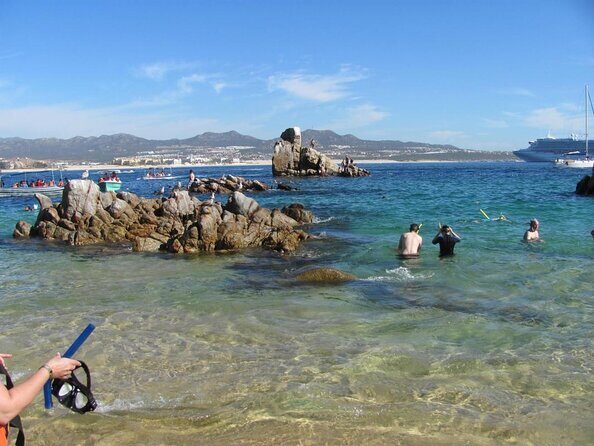
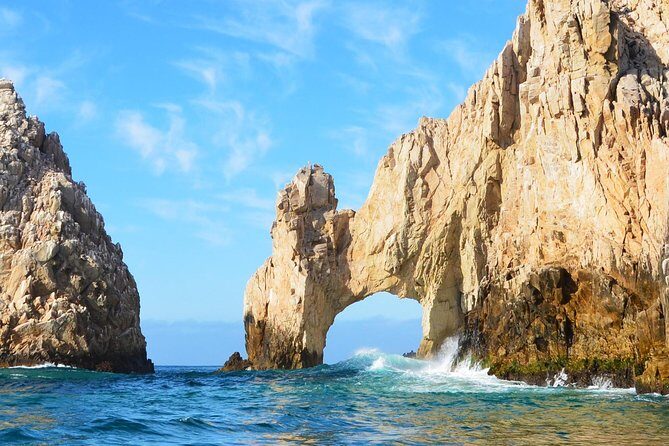
- Landmark route first as you pass El Arco, Playa de los Amantes, and Pelican Rock.
- Hydrophone listening for humpback songs, conditions permitting.
- FREE photos included, taken by the guide during the tour.
- Responsible viewing approach is emphasized, with a 100% whale sighting guarantee and free return in season (Dec 15–Apr 15).
A max-10 zodiac in Cabo: why it matters more than you think
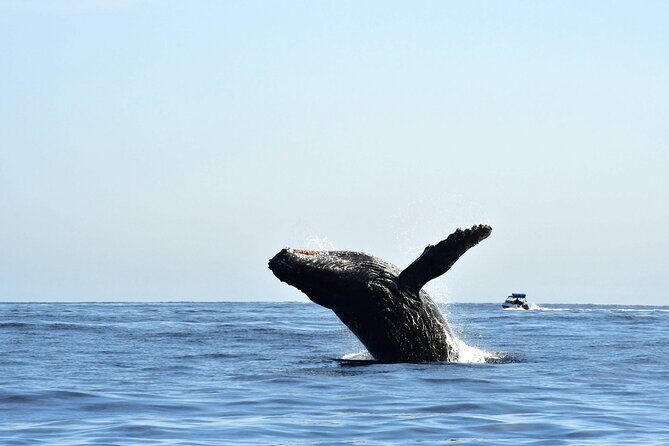
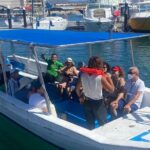
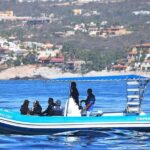
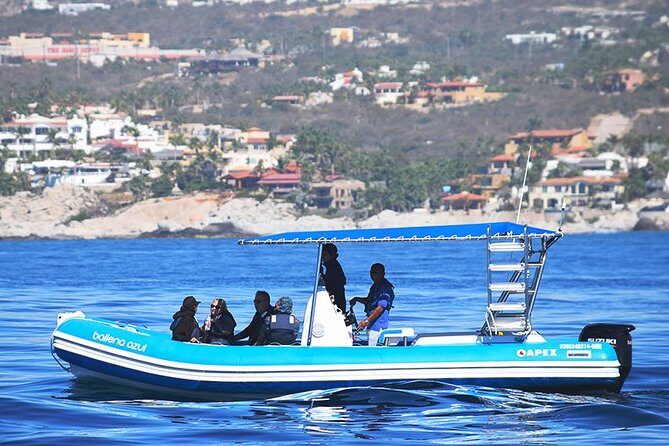
Cabo whale watching can get crowded fast. This is designed to avoid that feeling. Your boat stays small, with a maximum of 10 travelers, and that changes the whole vibe. Fewer people means less jostling when whales surface, and it’s easier for the crew to reposition the zodiac so you’re seeing behavior, not just a distant spout.
The zodiac setup also helps in Cabo’s bay traffic. Zodiacs are built for maneuverability, which matters when you’re trying to keep a respectful viewing distance while still getting a good view. In past experiences, the crews have been praised for navigating around other boats and keeping people calm while the hunt is on.
One more reason this small format is good value: you’re paying for time on the water and instruction. When the group is bigger, you tend to get rushed. When the group is small, the biologist can actually answer real questions.
You can also read our reviews of more whale watching tours in Cabo San Lucas
Marine biologist onboard: what you’ll learn as the whales surface
This tour isn’t just a boat ride with a guide pointing at water. It’s explicitly biologist-led, and that’s the difference between seeing whales and understanding what you’re seeing.
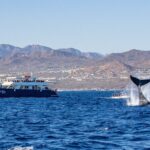
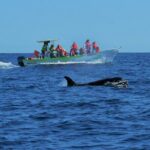
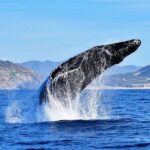
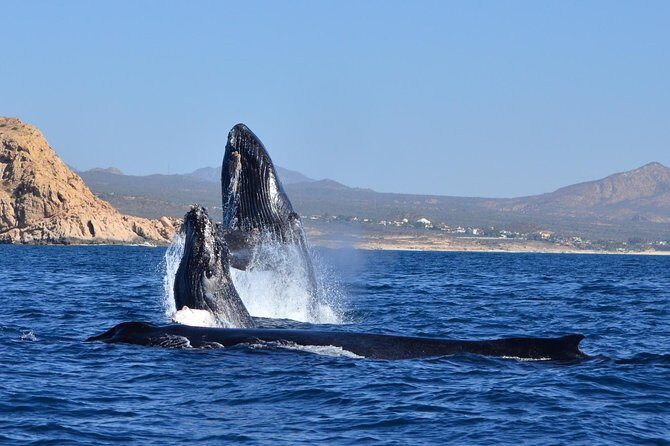
Expect explanations tied to humpback whale behavior. If humpbacks are active, you’ll likely hear about what you’re watching as it happens—breaches, tail movements, and the way moms and calves behave during encounters. Past tours also highlighted a “teaching opportunity” approach, with staff using the moment to explain whale activity and how to watch without disturbing them.
The tour also includes a listening component. There’s a hydrophone onboard to pick up humpback calls and singing when conditions permit. People often expect sighting photos. The hydrophone adds a second layer: sound. Even when the singing doesn’t come through that day, the crew may use recordings to explain what those calls typically mean.
And yes, you’ll hear biology, not just whale trivia. The staff is there to help you recognize species and understand why the captain is searching where they are.
How the 2.5 hours flow: El Arco, Lovers Beach, Pelican Rock, then the whale search
Your trip is about 2 hours 30 minutes. It moves quickly, but not randomly. Cabo viewers often want a classic “first, see the scenery” start, and that’s built into the route.
Stop 1: El Arco de Cabo San Lucas
El Arco is the postcard moment for a reason. You’ll pass it early, so you get a dramatic Cabo viewpoint before your attention switches fully to wildlife. It’s also a mental warm-up: once you’ve seen the Arch, you’re ready for the shift from landmark photos to whale-spotting focus.
A small caution: if you’re expecting this stop to replace whale time, don’t. This is really about setting the stage and getting out into the bay.
Stop 2: Playa de los Amantes
Playa de los Amantes (Lovers Beach) is another stop that gives you context for Cabo’s coastline. It helps you orient yourself so you’re not just staring at the water with zero frame of reference.
If the sea is a bit choppy, this portion can feel like your “settle in” phase. The good news: it’s before the captain starts actively searching.




Stop 3: Pelican Rock
Pelican Rock rounds out the route as the boat heads toward the best chances for whale encounters. It’s a nice point where you can look around, check for birds and marine life, and get ready for the hunt to become the main event.
The practical upside here is that you’re not stuck waiting in one place. The crew keeps the trip moving and uses the time to position you for better viewing later.
Then: the captain searches for whales
After the scenic passes, the guide and captain go into whale-spotting mode. That’s where the “responsible and non-invasive” approach shows up in real time: the crew focuses on observation and keeps distance. The zodiac format also means they can follow sightings efficiently without turning the whole experience into a chaotic race.
The hydrophone: when whale songs are on the menu
Hearing whales changes the whole outing. The tour includes a hydrophone, but it’s not guaranteed in every condition. If the water and acoustics cooperate, you can pick up humpback calls through the microphone setup.
When it works, it’s oddly emotional for something that sounds like a science experiment. Even on days when singing isn’t clear, the biologist often uses recordings to explain what you might have heard—so you still walk away with more than just a visual memory.
If your main goal is “I want the singing,” plan your expectations like this:
- You’re not buying a concert ticket.
- You are buying the chance to listen if conditions allow.
- Either way, the guide uses whale behavior education to make the experience meaningful.
Free photos and the phone-down strategy
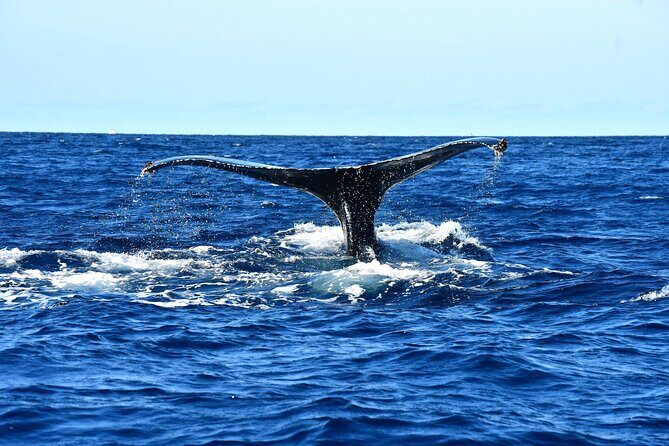
This tour is unusually generous about photos. Your guide takes pictures during the ride, and you get them for FREE. That might sound like a small perk until you realize it changes how you experience the whale watching.
When you’re not holding your phone up constantly, you actually notice details: the timing between surfacing, how whales move relative to the boat, and the “story” of a pod rather than just the moments you can capture on a screen.
A practical tip: if you care about video, bring your phone. But don’t feel obligated to film everything. Many people are happiest when they let the guide handle the best close-up shots and keep their own device for the “extra” moments.
Also note what’s not included on board: there’s no WiFi and no bottled water. The operator also says they avoid single-use plastic bottles, which is a good sign they’re thinking about waste reduction, not just optics.
What you can realistically see (beyond humpbacks)
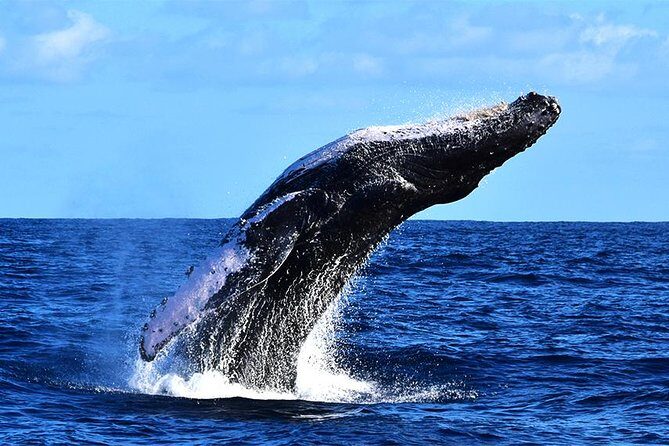
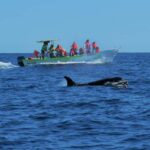
Humpback whales are the big target here, and the tour is built around that. The most common species listed include:
- Humpback whales
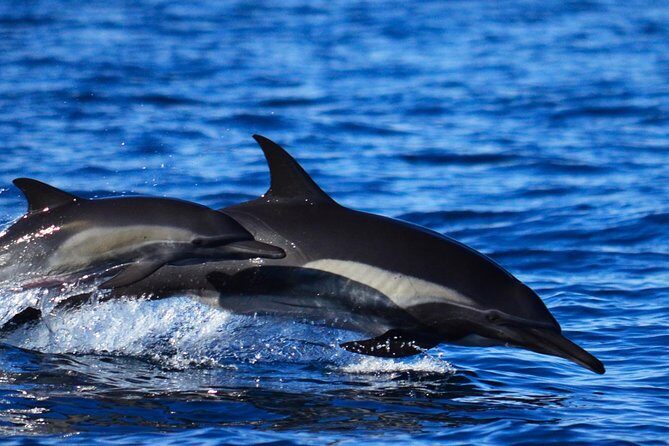
- Common dolphins
- Bottlenose dolphins
- Olive Ridley sea turtles
- Mobula rays
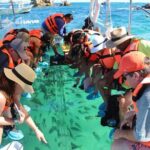
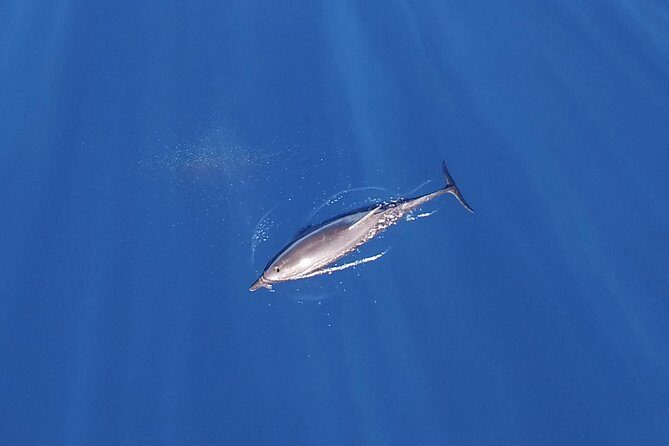
That said, marine encounters in Cabo can surprise you. Some past outings reported additional sightings like sea lions and even grey whales. So while your best bet is humpbacks, the day can include other marine life once the captain finds active waters.
The key is what the crew does after a sighting: they spend time watching behavior. You’re not just getting a quick “there they are” and leaving. On good days, the time on the water with whales can be long enough that you see multiple surfaces and different kinds of behavior.
Price and value: is $109 reasonable for this experience?
At $109 per person, you’re paying for three things at once:
1) A small-group zodiac ride
2) A biologist-led education component
3) Included photos taken during the tour
If whale watching were only about getting on a boat, you could probably find cheaper options. But many bargain trips are built for capacity, not for a calm, learning-focused experience. Here, the max group size and on-board biology do real work for your day.
Then you add the photo value. Free, high-quality digital images reduce the “cost” of not being able to capture everything yourself. It’s not just convenience. It’s about giving you a better experience while you’re there.
Is it pricey? It’s not the cheapest whale watch in Cabo. But for what you get—small group, biologist guidance, whale focus, and included photos—it often pencils out as solid value, especially if you’re traveling for a single highlight activity.
Who this tour fits (and who might want to think twice)
This whale watch is a strong match if you want:
- A small group rather than a crowd
- Marine biology explanations tied to real sightings
- A more relaxed whale-viewing style that focuses on not disturbing wildlife
- A trip where photos are handled by the crew, not by you trying to multitask
It may be less ideal if you’re traveling with accessibility needs around boat amenities. The tour data is clear about what’s missing: no restroom on board, no WiFi, and no bottled water.
Also check the hard limits:
- Minimum age: 8 years old
- Weight limit: 300 lbs
- Max travelers: 10
And if you’re the type who gets very seasick, you’ll want to consider how you usually handle small boats. The tour description doesn’t spell out stability details beyond calling the boats small and eco-friendly, so you’ll have to rely on your own comfort level with zodiacs.
Should you book Whale Watch Cabo?
If you’re deciding between whale watch options in Cabo, I’d lean toward booking this one if your priorities are close, respectful viewing with a biologist, plus the practical perk of free photos. The tour is built around a strong “try to find whales” effort, including a 100% whale sighting guarantee, and in the Dec 15–Apr 15 window, you can come back for free if you don’t see whales.
The “should you book” answer gets even simpler if you hate crowds. The max-10 format is the kind of detail that changes your whole day, from how you watch to how comfortable you feel during the ride.
If you’re picky about amenities, plan like an adult adult: use the restroom before you go, and bring your own strategy for hydration (since bottled water isn’t included). For most people, those are easy trade-offs for a small-group, biologist-led whale watch that stays focused on the animals, not the noise.
FAQ
Is this tour offered in English?
Yes. The tour is offered in English, and you’ll receive a confirmation at the time of booking. It also uses a mobile ticket.
Do they guarantee whale sightings?
Yes. The tour lists a 100% whale sighting guarantee. Also, if you don’t see whales during Dec 15 to Apr 15, the tour offers a free second tour.
Will I be able to hear humpback whale songs?
They include a hydrophone to listen to humpback whales singing, but it’s noted as conditions permitting.
What amenities are not included on the boat?
There’s no restroom on board, and no WiFi on board. Bottled water is not included, and the company notes it avoids single-use plastic bottles.
What are the age and weight limits?
The minimum age is 8 years old, and the weight limit is 300 lbs.
Where does the tour meet?
Meet at Whale Watch CaboPlaza Bonita, Blvd. Paseo de la Marina 17, Centro, Marina, 23450 Cabo San Lucas, B.C.S., Mexico. The activity ends back at the same meeting point.