REVIEW · CABO SAN LUCAS
Humpback Whales in Cabo San Lucas
Book on Viator →Operated by Cabo Trek · Bookable on Viator
Humpback whales off Cabo can feel shockingly close. This 2.5-hour boat trip mixes famous Cabo scenery with real whale time, led by a marine biologist onboard and kept to a small group. You also get options for morning departures (08:00 or 11:00) when the ocean tends to be calmer.
I especially like the marine-biologist guidance. Guides such as Maria, Andrea, and Vanu are described as genuinely excited and strong at turning whale behavior into easy-to-understand info. I also like the small-group setup: on a typical outing, you’re capped around 10–12 people per boat, which helps you hear explanations and reduces the crowd pressure.
One thing to consider: it’s still an ocean boat ride, and a rougher moment shows up in a minority of experiences. If you’re prone to seasickness, plan your departure wisely and consider bringing motion medication.
In This Review
- Key things to know before you go
- Humpback whales in Cabo: why this tour works
- Morning timing matters: choosing 08:00 or 11:00 for calmer seas
- Cabo scenery first: the Arch, the sea lions, and the first water stop
- Pacific or Sea of Cortez: how the captain aims for whale time
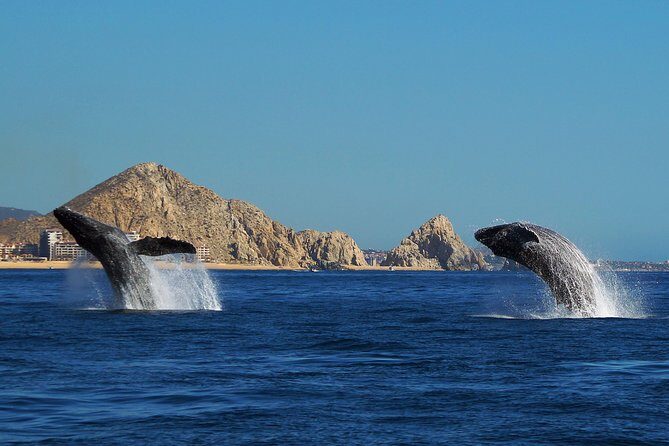
- What humpback whales can look like when you’re close
- Small-group focus: better hearing, better angles, better respect
- Value check: what $99 buys you in Cabo whale country
- What to do before you board: eat, plan motion, and bring a camera plan
- Who this tour is best for (and who should think twice)
- Should you book this Cabo humpback whale tour?
- FAQ
- How much does the Cabo San Lucas humpback whale tour cost?
- How long is the tour?
- Where is the meeting point?
- How many people are on the boat?
- What wildlife can I expect to see?
- Is the tour in English, and is there a marine biologist onboard?
- Do I get to see El Arco and the sea lions?
- What’s included in the ticket price, and what isn’t?
- What if the tour is canceled due to weather, or I need to cancel?
Key things to know before you go
- Marine biologist onboard: you get explanations while you’re actually out there, not just a quick lecture at the dock
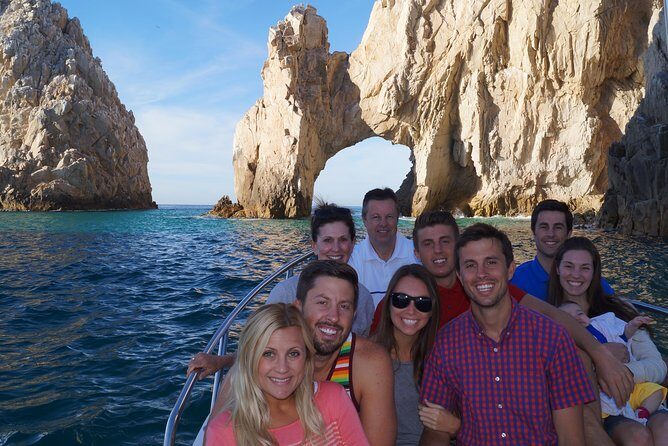
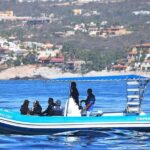
- Small-group boats: typically 10–12 on board, with a maximum of 16 travelers overall
- Calmer departures in the morning: 08:00 or 11:00 are specifically suggested for steadier seas
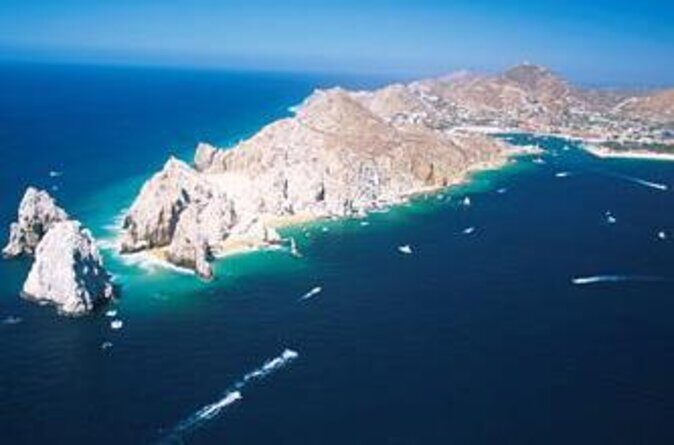
- You start with Cabo highlights: the Arch area and the sea lion colony come early
- Whale hunting is flexible: the captain heads to the Pacific or the Sea of Cortez based on weather conditions
Humpback whales in Cabo: why this tour works
Cabo San Lucas is a great place to see whales, but not every tour is built the same way. What I like about this one is that it doesn’t treat whale-watching as a drive-by activity. Your trip is set up so you can spend a real chunk of time looking for humpbacks, while also enjoying the iconic water sights right from the start.
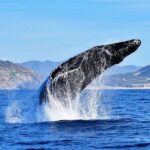
The onboard marine biologist is a big part of the value. Instead of guessing what you’re looking at, you get context for behavior and timing. People mention moments like humpbacks breaching, whales staying close and active, and even intimate interactions such as a mother humpback and calf spending long stretches near the boat.
And because the group stays small, the experience tends to feel more personal. You’re not fighting for a view, and the guide can read the room—where people are focusing, what questions are coming up, and how to keep things moving at a good pace.
You can also read our reviews of more whale watching tours in Cabo San Lucas
Morning timing matters: choosing 08:00 or 11:00 for calmer seas
If you’re even a little sensitive to motion, this detail is worth circling. The tour specifically suggests choosing the early morning departures at 08:00 or 11:00 for calmer oceans. Morning glass is not guaranteed, but the guidance is practical: steadier seas make everyone happier, especially kids and older adults.
There’s also a simple logic to it. The first time the boat has to move away from the dock and into open water can be where people feel it most. If the ocean is already calmer, you get a smoother start and a better chance of enjoying the explanations (and snapping photos without wrestling a rolling deck).
A note from experience-style advice: if you know you get seasick, plan ahead. One review recommendation was to take Dramamine. I’d treat that as a sensible “better safe than sorry” move if you’re prone to nausea.
Cabo scenery first: the Arch, the sea lions, and the first water stop
You begin at the CaboTrek Hotel Tesoro area (Blvd. Paseo de la Marina 20-Local A, Centro). After check-in, you head to the boats and get underway with a quick visual warm-up.
The tour starts with Cabo San Lucas Beach, then moves into the postcard moments:
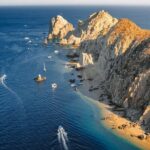
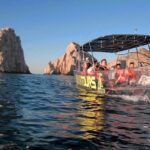
- El Arco de Cabo San Lucas: This is the signature rock formation that looks like it’s always been part of the world’s brochure.
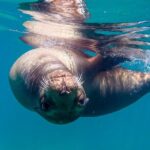
- Sea lion colony: You’ll see the animals around the area tied to the Arch experience.
This “scenery first” approach makes sense. Even if whale sighting luck is a little slower than you’d hope, you’re not sitting on the dock wondering if you picked the wrong tour. You’re already getting Cabo’s most recognizable marine-life vibe, and it’s a great setup for kids too. It also helps you get your camera settings dialed in before the deeper whale search starts.
A small drawback: because the first part is sightseeing, you’ll want to mentally shift gears when it’s time to focus on whales. The best whale-watching moments tend to happen once the captain turns attention to locating humpbacks and stays patient with the process.
Pacific or Sea of Cortez: how the captain aims for whale time
After the initial Cabo sights, the boat heads out to look for whales. Here’s a key detail: the captain chooses either the Pacific or the Sea of Cortez depending on weather conditions and guidance from the crew.
That means the route is not fixed in stone. In real-world ocean conditions, being flexible is a strength, not a compromise. Wind, swell, and visibility matter, and whale sightings can hinge on where the animals decide to show up. This tour’s structure basically acknowledges that the ocean runs the schedule, and the crew adjusts.
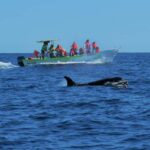
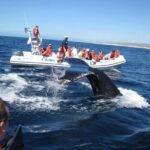
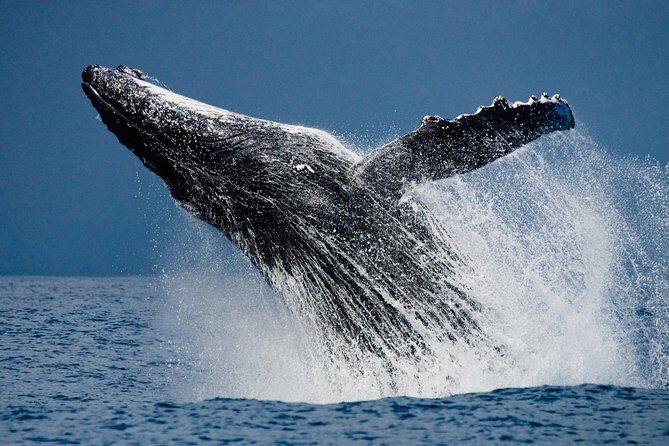
Practically, you should expect a longer stretch of searching. Some experiences include lots of whale activity close to the boat, with moments of breaching and whales coming near enough for a clear look at their size and movement. Other days can be more about finding the right pocket of water where whales are actively feeding or passing through.
What humpback whales can look like when you’re close
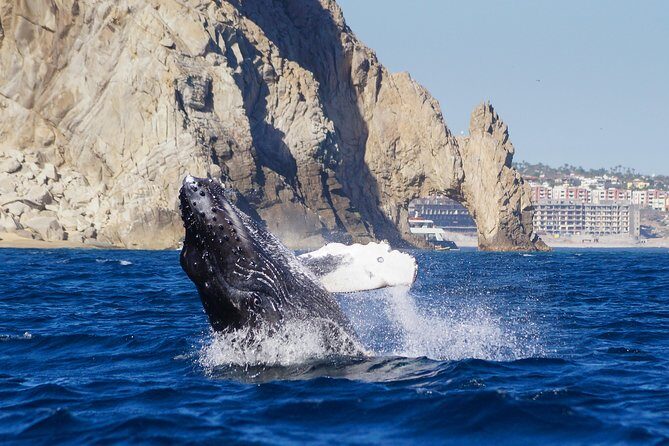
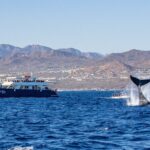
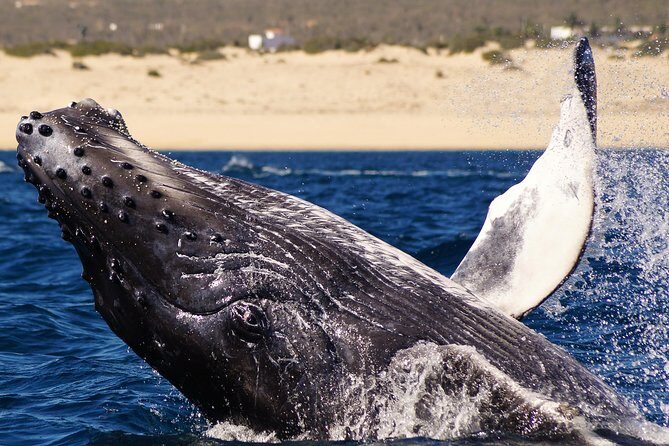
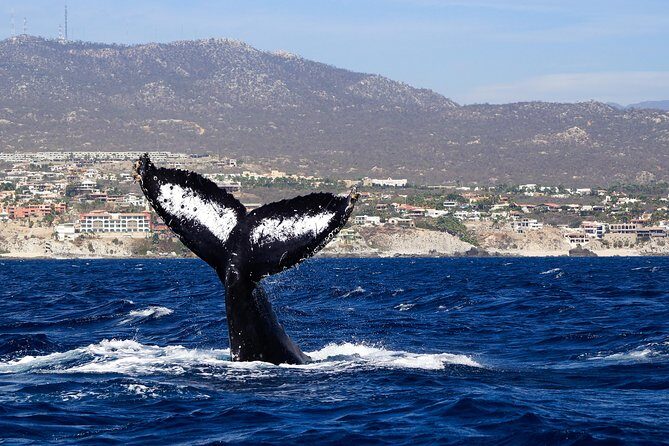
Humpbacks are famous for dramatic surface behavior, and this is the kind of tour where you can actually see why. People describe classic highlights like:
- Breaches (whales soaring out of the water)
- Big surface splashes and active behavior
- Whales staying near long enough for you to watch patterns, not just get a single glance
One of the most memorable themes in the experience is the feeling of time slowing down once whales are found. Instead of treating sightings like a drive-through photo stop, the crew often stays with the group when whales remain active.
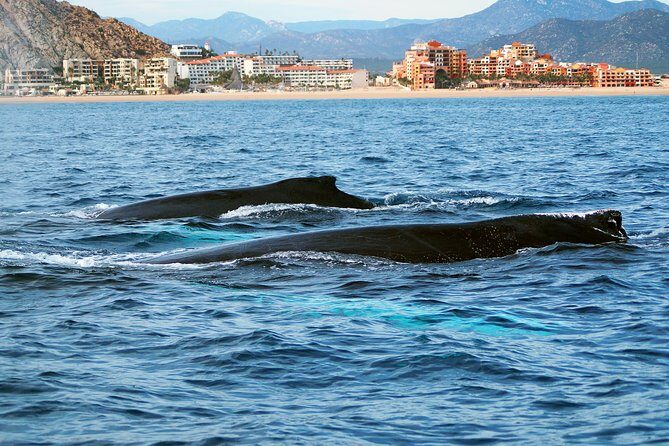
A standout example from the kind of encounters this tour can produce: sightings that include a humpback mother and calf spending extended time nearby, including moments where the calf moves actively while the mother stays close. In clearer water conditions, you may even get the chance to see whales in motion below the surface, not just their backs at the moment they surface.
Also, while humpbacks are the star, you may see other marine life. Based on what’s been reported, dolphins can show up with jumping behavior, and some outings also mention marlin. There are even sightings of other whale species in certain conditions, but think of those as bonus chances, not guarantees.




Small-group focus: better hearing, better angles, better respect
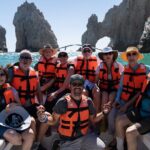
This is one of those tours where the small group isn’t a marketing buzzword. With around 10–12 people on the boat, you usually get:
- More room to move and find a viewing spot
- Better chances to hear the marine biologist without straining
- Less chaos when whales appear unexpectedly close
It also helps with how the crew manages whale distance. Several experiences highlight a captain who keeps a safe approach and stays respectful of wildlife behavior. The result is that you’re not just chasing action. You’re watching whales in a way that feels more controlled and thoughtful.
In plain terms: the odds of a good memory improve when the boat crew can focus. Small groups make that easier, and that’s why this tour is consistently rated high.
Value check: what $99 buys you in Cabo whale country
Let’s talk money like you’re planning a real trip.
At $99 per person, you’re paying for more than a seat. The tour includes:
- A marine biologist guide
- A 2.5-hour boat ride
- Marine park fees
- Bottled water
You’re not paying extra just to get the educational piece or the permission to be out there in marine protected areas. That’s where value shows up.
Not included: souvenir photos are sold separately, and there’s no hotel pickup or drop-off. If you’re staying in central Cabo, that’s usually fine because the meeting point is in town and is listed as near public transportation.
One pricing nuance: the note says the private option price displayed is per group for up to 8 people. If you’re traveling as a small private group, it may be worth comparing what you pay per person versus the standard option, especially if you care about having more control over the vibe.
What to do before you board: eat, plan motion, and bring a camera plan
A simple trip habit can change your whole experience. One review advice was to eat first, since it’s a long outing and you’ll be out on the water for hours.
For motion sickness, don’t wait until you feel bad. If you know your body reacts to boat movement, plan your defenses before departure. Dramamine came up as a helpful suggestion in feedback, and the tour’s early departure timing helps too.
For photos, don’t just bring a camera. Bring a purpose. Breaches and whale splashes happen fast, but you often get repeated opportunities once whales are active. If you have a zoom lens or a phone with a good camera, you’ll use it. Some people also mention photo options available for purchase after the tour, so if you want guaranteed shots, plan to budget a little extra.
And if the water is clear, you’re more likely to see interesting movement below the surface. That’s the kind of detail that makes whale-watching feel less like looking at distant dots and more like observing real animals doing real things.
Who this tour is best for (and who should think twice)
This whale-watching setup fits a wide range of people. The tour explicitly suggests the morning options for groups with very young children, older people, and anyone who tends to get seasick. That’s a strong hint that they’re thinking about comfort, not just speed.
You’ll also like it if you:
- Want marine education without turning it into a classroom
- Care about small-group dynamics
- Prefer a crew that aims to stay with sightings rather than rushing away
Who should think twice: if you’re extremely sensitive to rough water and can’t take any motion medication, then you’ll need to be more cautious. A minority of experiences mention bumpy ride moments and acceleration that some people felt unexpectedly. Most outings sound smooth and respectful, but the ocean is the ocean.
Should you book this Cabo humpback whale tour?
If you want a Cabo whale experience that pairs real time on the water with an onboard marine biologist and a small-group feel, this is a strong pick. The structure makes sense: Arch and sea lions at the start, then focus on whales where the captain chooses the best conditions for sightings.
Book it if you value education, safety-focused whale viewing, and the odds that the crew will put in real effort to find whales. I’d especially lean toward it if you can choose the 08:00 or 11:00 departure and want a smoother ride.
Skip it only if you know you can’t handle open-water motion at all. Otherwise, plan a little for seasickness, eat before you go, and give the crew time to find the whales. This is the kind of tour where a lucky whale moment can turn into the highlight of your whole Cabo trip.
FAQ
How much does the Cabo San Lucas humpback whale tour cost?
It’s $99.00 per person.
How long is the tour?
The boat portion is about 2.5 hours, after you check in at the office and head to the boats.
Where is the meeting point?
You meet at CaboTrekHotel Tesoro, Blvd. Paseo de la Marina 20-Local A, Centro, 23450 Cabo San Lucas, B.C.S., Mexico. The tour ends back at the meeting point.
How many people are on the boat?
It’s capped at a small size, with a maximum of 10–12 people per boat. The overall activity is listed with a maximum of 16 travelers.
What wildlife can I expect to see?
The tour is aimed at spotting humpback whales, and you may also see sea lions and other dramatic marine life. Some experiences also mention dolphins and marlin, depending on conditions.
Is the tour in English, and is there a marine biologist onboard?
Yes. The tour is offered in English, and it includes a marine biologist guide onboard.
Do I get to see El Arco and the sea lions?
Yes. The early part of the trip includes Cabo San Lucas Beach and El Arco de Cabo San Lucas, plus the sea lion colony.
What’s included in the ticket price, and what isn’t?
Included: marine biologist guide, the 2.5-hour boat ride, marine park fees, and bottled water. Not included: souvenir photos (sold separately) and hotel pickup and drop-off.
What if the tour is canceled due to weather, or I need to cancel?
The experience requires good weather, so if it’s canceled due to poor weather, you’ll be offered a different date or a full refund. For cancellations, you can cancel up to 24 hours in advance for a full refund; within 24 hours, no refund is offered.