REVIEW · MEXICO CITY
Mexico City: Historic Downtown Walking Tour
Book on GetYourGuide →Operated by Mexico a Pie Walking Tours · Bookable on GetYourGuide
Zócalo grabs you fast, then history keeps pace. This Mexico City historic downtown walk pairs inside visits (Metropolitan Cathedral and the Post Office Building) with big open-air moments like the Zócalo and the Aztec ruins area. I like that the tour also brings in everyday culture, including a stop for Mexican sweet bread. One possible drawback: parts of the route sit in loud, street-level noise, so you’ll want to position yourself where you can clearly hear the guide.
What really makes this work is the guide. I’ve seen names like Sandra, Nadia, Emiliano, Arturo, Mar, and Leslie come up again and again for clear explanations and lively storytelling, and that matters when you’re trying to connect 700+ years of Mexico City in just 3 hours. The route is also in the Centro Histórico, a UNESCO World Heritage Site since 1987, so you’re not just sightseeing—you’re reading the city.
Bottom line: it’s a great value at $26, but it’s still a real walking tour. Wear solid shoes, expect sun and crowds around Zócalo, and plan to bring your own water-friendly mindset—food and drinks are not part of the ticket.
In This Review
- Key things to know before you go
- Meeting at Zócalo: find the white umbrellas fast
- Metropolitan Cathedral inside: more than a big church photo stop
- Zócalo square: the heart of Mexico (and where to orient yourself)
- Aztec ruins: seeing the city’s older layer in context
- Post Office Building: architecture that changes the pace
- Department store stop with stained-glass ceiling: a surprising culture break
- Mexican sweet bread inside a traditional bakery
- Pacing, weather, and hearing the guide in real-city conditions
- Price and value: what you’re really paying for at $26
- Who should book this tour, and who should skip
- Should you book this historic downtown walk?
Key things to know before you go
- Metropolitan Cathedral access plus a moment of respectful focus, not just photos
- Zócalo square orientation with Hernán Cortés called out where it matters
- Aztec ruins stop to connect the city’s layers instead of treating ruins like a side quest
- Post Office Building visit followed by a scenic shift to the Palace of Fine Arts area
- Stained-glass department store and Mexican sweet bread keep the tour from feeling like a lecture
Meeting at Zócalo: find the white umbrellas fast
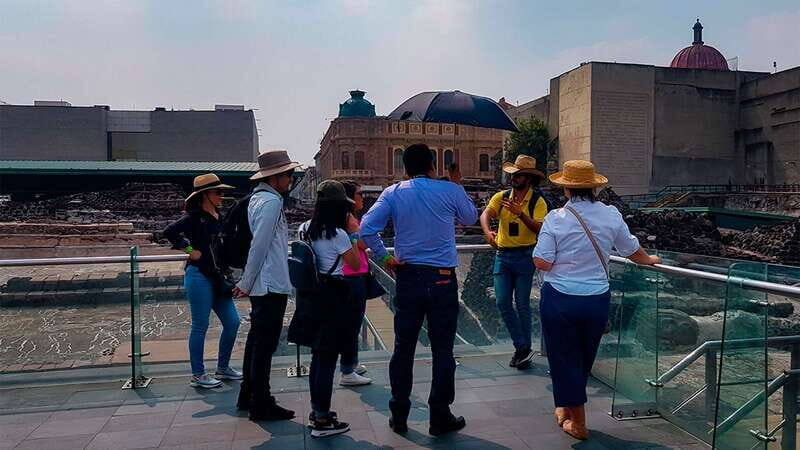
Your tour starts in the heart of things: meet in front of McDonald’s in Zócalo Main Square. Look for the white umbrellas from Mexico a Pie Walking Tours guides. If you’re arriving right at the start time, give yourself a couple extra minutes to scan the crowd; Zócalo is a magnet for everyone, and “standing near McDonald’s” can still feel like a needle-in-a-haystack moment.
This meeting setup is actually part of the value. You don’t spend precious tour time hunting for your group at the edges of the historic core. If you’re nervous about finding them, save the map spot by searching Meeting Point Mexico a Pie in Google Maps before you head out.
One more practical note: the tour runs from morning or afternoon start times, and you’ll start with a short countdown-style wait before departure. So keep your phone ready (the provider asks for a valid cellphone number), and if you’re running late, deal with it fast instead of drifting.
You can also read our reviews of more walking tours in Mexico City



Metropolitan Cathedral inside: more than a big church photo stop
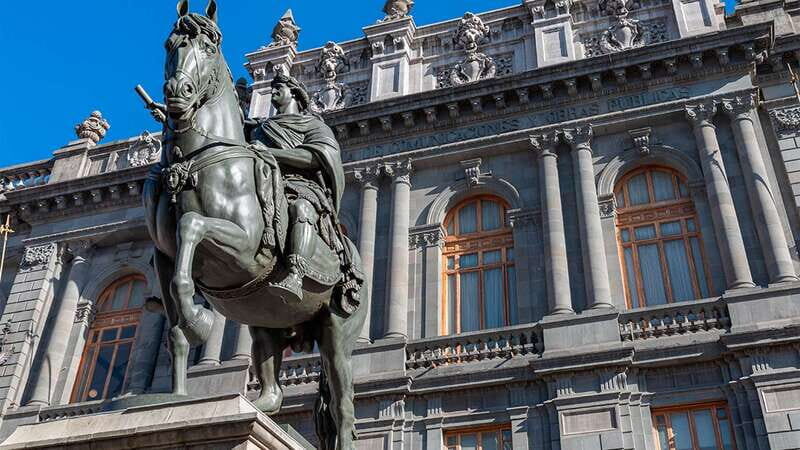
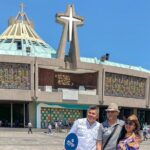
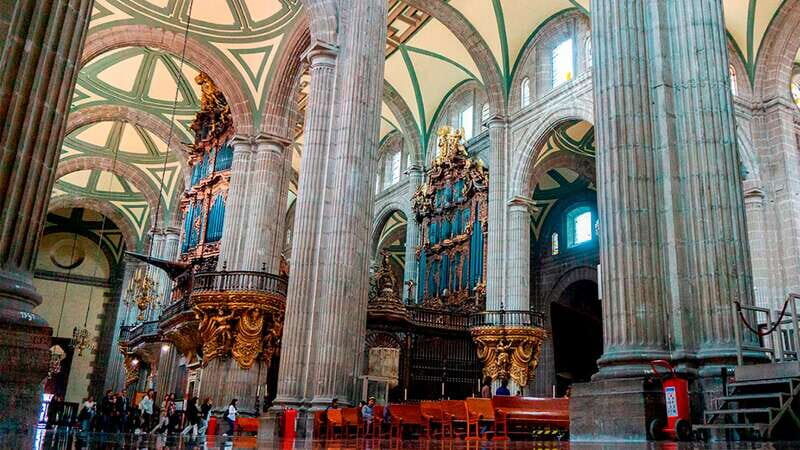
The first major “wow” here is the Metropolitan Cathedral. You don’t just look at it from the square—you go inside. That matters because the cathedral’s scale and symbolism are hard to fully grasp from outside, especially once you’re standing in the middle of Centro Histórico with traffic noise and vendors nearby.
This cathedral also has a historic “headline” that your guide will put into context: it was the biggest church in the Americas for over 3 centuries. Your visit is likely to feel like stepping into a long-running story—religion, empire, architecture, and daily life all layered in one building.
If you want this stop to feel meaningful (not rushed), treat it like a slow moment. One of the most praised parts of the tour style is that guides encourage the right tone during the Cathedral portion, so you’ll get a better experience if you keep your voice down and follow the guide’s pacing.
Possible consideration: the Cathedral area can still be busy. If you’re sensitive to crowds or want quiet, arrive with that mindset and don’t plan on lingering without moving with the group.
Zócalo square: the heart of Mexico (and where to orient yourself)
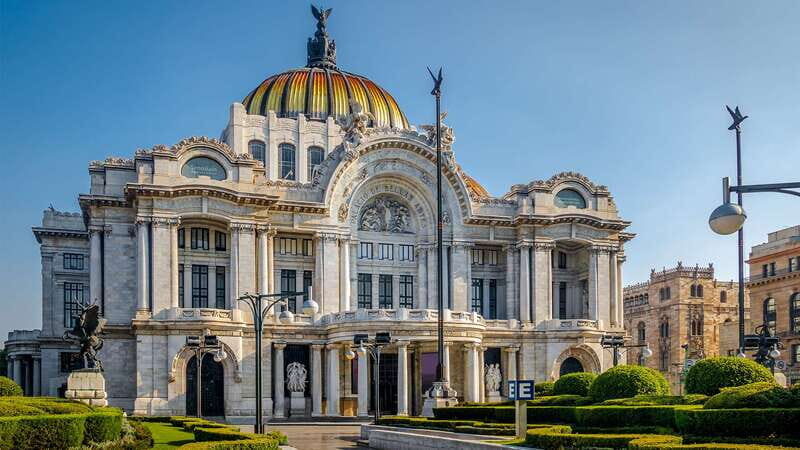
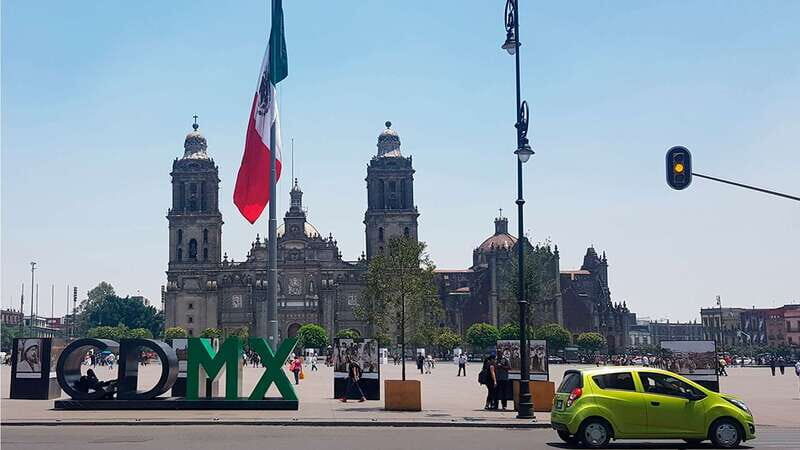
Once you step out again, the tour leans into orientation. Zócalo is described as the heart of Mexico, and that’s exactly how it feels: it’s the central stage where the city’s history and politics have played out over and over.
You’ll walk on the giant open space and your guide points out key details, including the resting place of Spanish conqueror Hernán Cortés. Even if you know the name, it hits differently when you’re standing near the specific marker in the square. It turns “a figure from textbooks” into something physical and locational.
I especially like that this stop helps you build a mental map. After Zócalo, the rest of Centro Histórico makes more sense. Streets start to connect. Distances start to feel real. You stop thinking in isolated landmarks and start thinking in geography and time.
One thing to plan for: Zócalo can be loud and chaotic at street level. That’s not anyone’s fault—it’s the city. If your guide’s audio system feels strained in the thick noise, move closer to the guide when possible and keep your eyes up.
Aztec ruins: seeing the city’s older layer in context
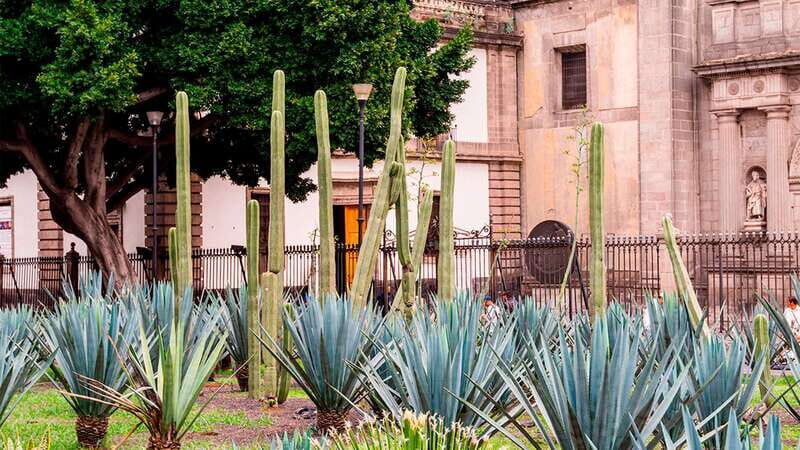
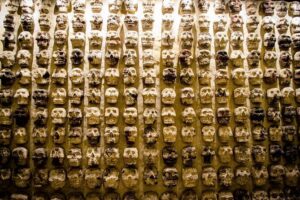
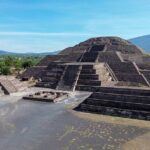
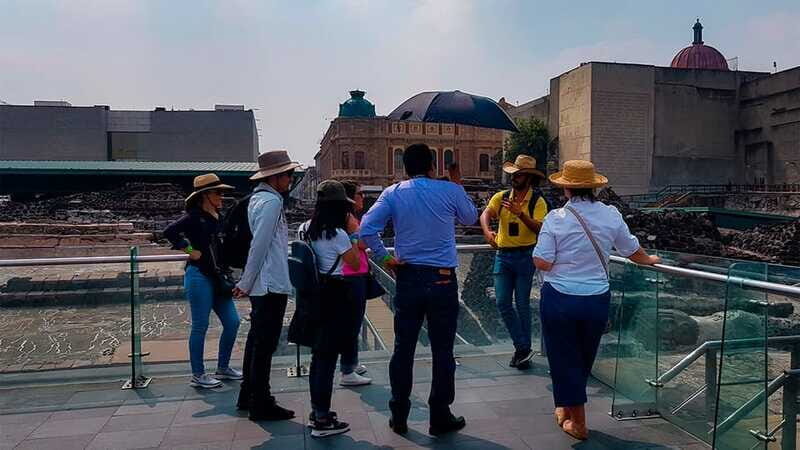
Here’s where the tour becomes more than architecture spotting. You’ll stand next to the ruins of the ancient Aztec city. This is one of the best ways to understand Mexico City’s depth without spending an entire day on archaeology alone.
The value is in the explanation. Your guide’s job is to help you connect what you’re seeing to the city that existed before Spanish rule, so the ruins don’t feel random or decorative. Instead, they become a starting point for understanding how the city evolved.
This stop can also help you appreciate why the later buildings matter. The cathedral, the post office, and the surrounding landmarks weren’t built in a vacuum—they were built in a place with a much older foundation. When you’re walking through layers like this in sequence, the city stops feeling like a list and starts feeling like a timeline.
Practical note: you’ll be outdoors for parts of the ruins area. Bring sunglasses and sunscreen, and wear shoes that work on uneven sidewalks.
Post Office Building: architecture that changes the pace
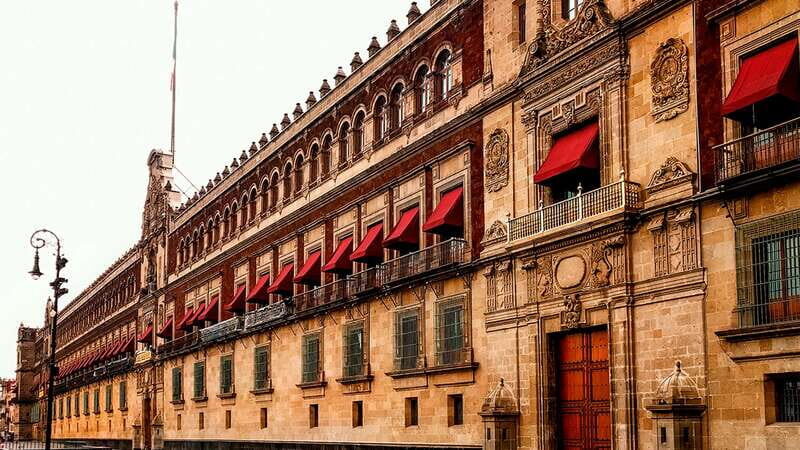
After the Aztec ruins stop, you move to the Post Office Building. This is the type of stop I love on walking tours because it shifts the experience from “history markers” to “architecture you can actually feel.” The Post Office Building visit is included, so you’re not passing it like a street sign.
Your guide will help you see why it’s worth a pause: it’s a crafted, impressive structure within the Centro Histórico context. People often underestimate how much mood an interior stop can change in a half-day tour, and that’s why this one is a smart inclusion.
Then comes the next architectural highlight: the Palace of Fine Arts area. Even though it’s not described as an extra interior stop, it’s presented as a place you’ll marvel at. In other words, the tour doesn’t keep dragging you straight through. It gives you a visual reset—an opportunity to shift from the heavy historic weight of the cathedral and ruins to something more about design and atmosphere.
If you’re a “show me why it matters” type of traveler, this middle section is where the guide’s story is most useful.
You can also read our reviews of more city tours in Mexico City




Department store stop with stained-glass ceiling: a surprising culture break
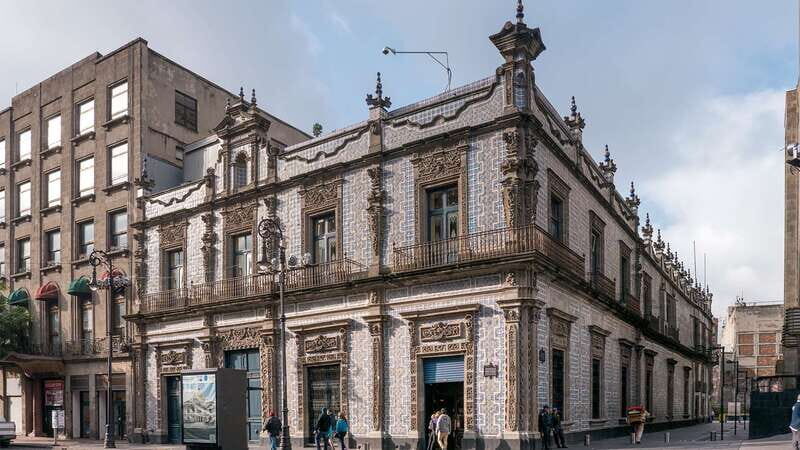
Not every Mexico City walking tour gives you a commercial-world stop, but this one does. You’ll visit a department store with an extravagant stained-glass ceiling. That sounds like a weird detour until you remember what department stores can represent in a city: a mix of modern retail life and big, public-facing architecture.
For your trip, this stop does two good jobs:
- It creates a “cool down” break from walking outdoors.
- It adds contrast. You move from sacred spaces (cathedral), to archaeological layers (Aztec ruins), to civic architecture (post office), and then to everyday city life under a decorative ceiling.
A small suggestion: look around beyond the ceiling. These places usually have details in staircases, signage, and materials that connect them to the city’s style.
Mexican sweet bread inside a traditional bakery
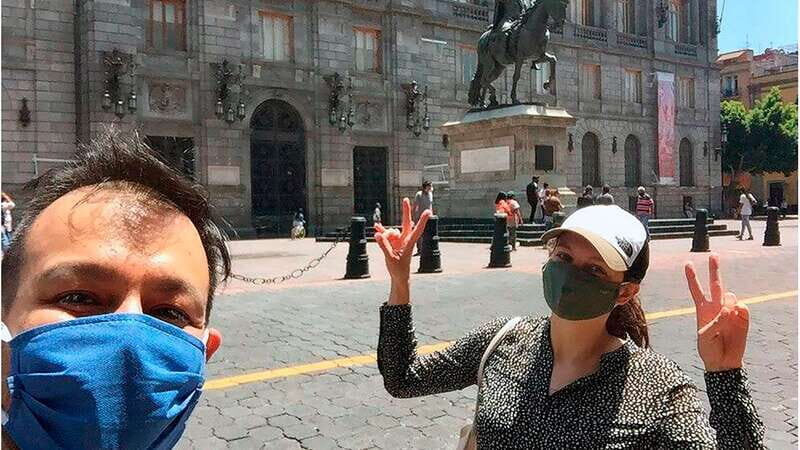
Then you get the most human part of the tour: a traditional Mexican bakery stop, where you can see (and taste, if you’d like) the variety of sweet bread options.
This matters because it turns the tour into more than sights. You get a sensory memory you can carry home. I also like that the tour doesn’t pretend food is included. You make a choice, and you’re not forced into a pre-set snack.
What should you expect? A wall or display of choices that range from simple to showy. Your guide will point you toward options worth trying, and this is a rare chance to learn what’s normal—what people actually eat—not just what’s famous for tourists.
If you have allergies or food restrictions, this is the moment to ask quickly and clearly. Since food and drinks are not included, the guide can help you navigate with your preferences in mind, but you’re still the decision-maker.
Pacing, weather, and hearing the guide in real-city conditions
This tour runs rain or shine, so you’re not protected from the weather—you’re protected from the tour canceling. That’s a tradeoff I respect. If you hate uncertainty, this is good. If you hate wet streets, pack for it.
Also, plan for heat. Mexico City’s sun can be relentless, especially around Zócalo and outdoor stops. One reason this tour works well for first-timers is that guides often try to manage shade and timing, but you still need to bring the basics: comfortable shoes, sunglasses, sunscreen, and weather-appropriate clothing.
Audio can be a factor. One of the clearest pieces of feedback is that in the loud city center, it can be hard to hear. If you’re the type who hates missing details, don’t stand too far from the guide. Keep your ears open and your position close.
Finally: stroller policy. Baby strollers are not allowed. That’s a real limitation. If you’re traveling with a stroller, you’ll need a different plan.
Price and value: what you’re really paying for at $26
At $26 per person for a 3-hour walking tour, you’re paying for two things: expert guidance through key sights and included entry/visits at multiple major buildings.
Transportation is not included, and food and drinks are not included. So yes, you’ll spend extra if you want snacks or a full meal. But the core ticket price covers the guide and the big stops that most people would otherwise pay separate fees for—especially the Metropolitan Cathedral interior and the Post Office Building visit.
In practical terms, this tour is a strong first-day option because it helps you:
- get your bearings quickly in Centro Histórico,
- understand the city’s layers (Aztec ruins to Spanish-era landmarks to modern architecture),
- and leave with a couple tasty food memories to anchor the day.
That’s a lot for a half-morning or afternoon commitment.
Who should book this tour, and who should skip
You’ll likely love this tour if you:
- are visiting Mexico City for the first time and want a fast orientation,
- enjoy mixing major landmarks with context (not just photo stops),
- like architecture that has a story behind it,
- and want at least one food moment that feels local, not contrived.
You might want to skip or choose another option if:
- you need lots of quiet time (the Zócalo area can be noisy),
- you travel with a baby stroller (not allowed),
- you have mobility needs that make a 3-hour walk hard.
Wheelchair situation is worth extra attention. The activity info says wheelchair accessible, but it also states not suitable for wheelchair users. Because of that conflict, I’d confirm directly with the provider before booking.
Should you book this historic downtown walk?
If you want a time-efficient way to understand Mexico City’s Centro Histórico—and you’re happy with walking plus a couple inside visits—this tour is a solid yes. The Cathedral and Post Office stops give it depth, the Aztec ruins add real historical grounding, and the stained-glass department store plus sweet bread make it feel like a living city, not a museum corridor.
Book it when you can manage sun, noise, and walking. Skip it if you need stroller access or you’re looking for a low-noise, minimal-walking experience.