REVIEW · MEXICO CITY
Mexico City: Guided walking tour through the most historic parts of the city.
Book on GetYourGuide →Operated by KactusMX · Bookable on GetYourGuide
History walks here, in real time. This 3-hour guided stroll through Mexico City’s Centro Histórico starts at the Metropolitan Cathedral and threads through the Zócalo and Templo Mayor, then rolls on through colonial landmarks and the Republic-era stories that still shape the streets today.
What I love most are the guides and the side streets. You’ll get sharp storytelling and memorable anecdotes from people like Oscar, Areli, and Gabriela, plus a steady habit of turning big landmarks into small, human details you can feel. I also like that you’re not stuck only at the postcard stops: the tour aims for hidden corners and local spots, and it helps you eat smarter with street-food suggestions (food is on you).
One caution: it’s a walking tour that runs in real weather, and it’s not set up for wheelchair users or people over 95. Add in the fact that entrances and food aren’t included, and you’ll want a bit of cash and flexibility in your day.
In This Review
- Key highlights to watch for
- Starting at the Cathedral: where the story “clicks”
- Zócalo and the Cathedral: politics, faith, and power in the open
- Templo Mayor Museum: the Aztec layers under everything
- Plaza de Santo Domingo: religion and city influence
- Palacio de Correos and Casa de los Azulejos: eye candy with stories
- Palacio de Bellas Artes: ending at a stage for modern Mexico
- The guides are the real engine: Oscar, Areli, Luis, Gabriela, and more
- Street food help without the pressure
- What this tour does well for your first days in CDMX
- Practical info that can make or break the day
- Should you book? My take
- FAQ
- Where does the tour start?
- How will I find the guide?
- How long is the walking tour?
- What languages is the tour offered in?
- Is food included in the price?
- Are entrance fees included?
- Does the tour run in bad weather?
- What should I bring?
- Is it wheelchair accessible?
Key highlights to watch for
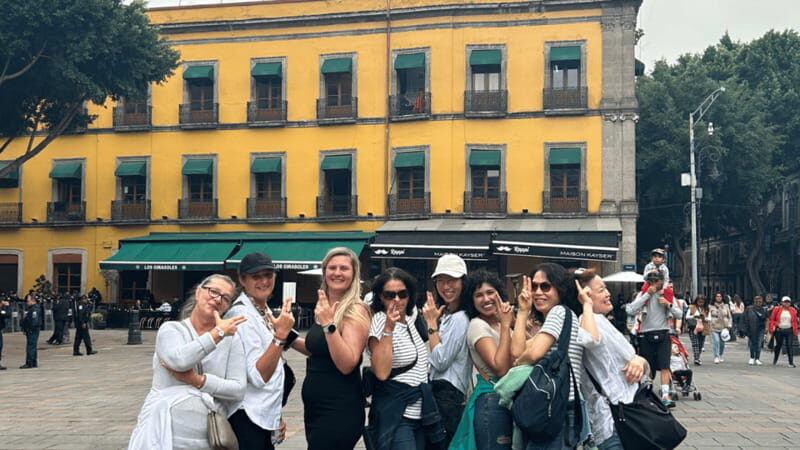
- Three eras of Mexican history in one route: pre-Hispanic Mexico, the Viceroyalty, and the Republic
- Guides who answer questions and keep energy up while the group moves
- Stops that go beyond the obvious: local photo moments and quieter corners
- Street-food guidance without forcing a meal (you decide what and where)
- Weather-proof pacing: the tour adapts to conditions and events
Starting at the Cathedral: where the story “clicks”
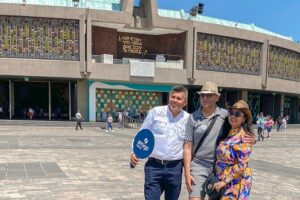
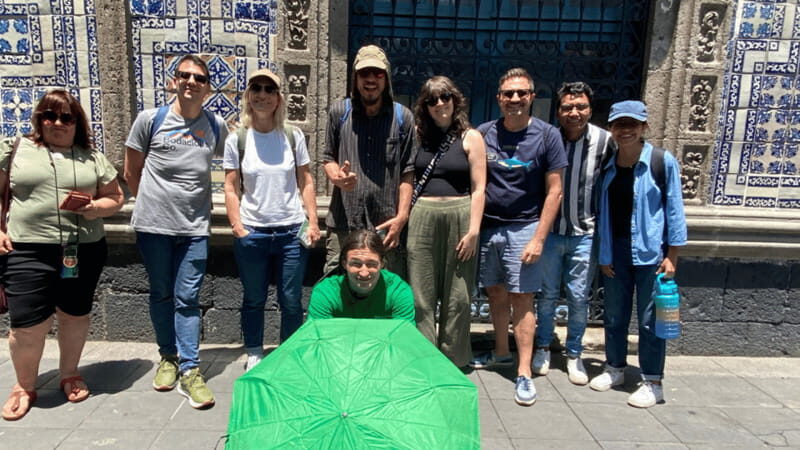
The tour begins at the main entrance of the Catedral Metropolitana de la Ciudad de México, facing the Zócalo. Look for the big wooden door in the center and, outside on the sidewalk, a guide wearing a green uniform with a green umbrella. If you’re using a map app, give yourself extra time; Mexico City traffic and walking routes can turn “5 minutes” into “20” quickly.
That first step matters because the Cathedral isn’t just a pretty building here. It’s a symbol of the country’s shift from the older power centers to the colonial era, and your guide will use it as a kind of “timeline marker” for what you’re about to see. Even before you move far, you’ll start hearing how Mexico-Tenochtitlan became modern Mexico City, and why people still reference both eras when they talk about identity.
The best part: your guide doesn’t treat history like a textbook list. You’ll hear stories tied to places—why the location matters, who fought over it, and which figures shaped the country long after the buildings were finished.
You can also read our reviews of more walking tours in Mexico City



Zócalo and the Cathedral: politics, faith, and power in the open
From the Cathedral, you step right into the Zócalo area, the imposing central plaza surrounded by some of the city’s most important structures. This is where the tour slows down just enough for you to understand the scale: you’re in the “center of gravity” of Mexico City, where empires, governments, and public life all rubbed shoulders.
You’ll spend time on the origins of Mexico-Tenochtitlan and the transformation from the Aztec empire into the modern capital. Then the tour moves into the Cathedral itself to see its architecture up close. Just keep one practical thing in mind: entrance fees aren’t included, so if you want to go fully inside everything, carry a little extra cash.
This is also a great moment to ask questions. The guides on this tour are repeatedly praised for answering the group’s curiosity with real detail, not vague answers. If you’ve been reading about Hernán Cortés, Moctezuma, or Diego Rivera, this is the place where those names stop floating in your head and start connecting to real stones and layouts.
Templo Mayor Museum: the Aztec layers under everything
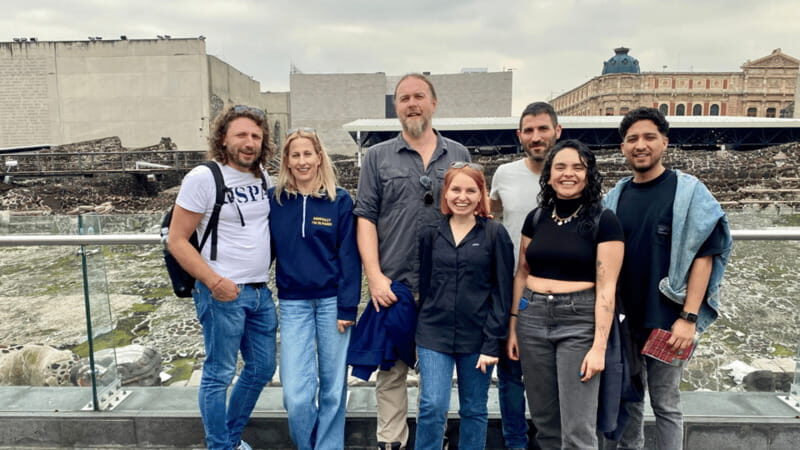
A few steps from the Zócalo area takes you toward the Templo Mayor zone, and the tour explains the ruins of the Templo Mayor as a reminder of the ancient Aztec capital’s splendor. The guide’s job here is to help you understand something that can feel confusing at first: the historic center looks like one big “old city,” but it’s actually stacked timelines.
At this stop, you’ll hear how the city’s history layers together—pre-Hispanic sites alongside colonial and modern structures that dominate today’s skyline. Then you’ll visit the Templo Mayor Museum for a guided look. This is one of the strongest “history” segments because it bridges myth, politics, and daily life with a sense of place.
If you’re the type who likes context, this part can click fast. The guide connects the Aztec story to later eras (the Viceroyalty and Republic) so you can see why certain characters show up in Mexican history again and again. You’ll also learn that the past isn’t only about kings and battles—it’s also about beliefs and how communities lived around these monuments.
Plaza de Santo Domingo: religion and city influence
Next up is Plaza de Santo Domingo, where you’ll learn about the influence of the Dominican order. The tour includes a photo stop here with enough time to look around and take it in without rushing.
What I like about this kind of stop is that it fills in the “why” behind the architecture. You’re not only seeing buildings—you’re understanding the institutions that helped shape education, public works, and cultural life during the colonial period. If you’ve ever wondered why certain cities feel like they have a religious backbone, this plaza is a clue.
Also, Santo Domingo is a good reset moment. You’ve been in major-name landmarks; now you’re in a public space where you can feel the neighborhood rhythm. Keep your camera handy, but don’t block the flow of people taking photos and moving through the area.
Palacio de Correos and Casa de los Azulejos: eye candy with stories
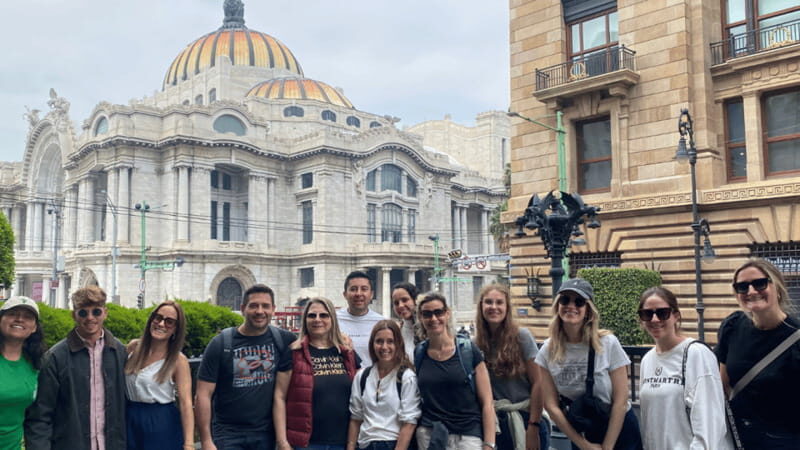
Then the tour moves into two classic photo-and-walk stops that also help you understand Mexico City’s evolution into the 19th century.
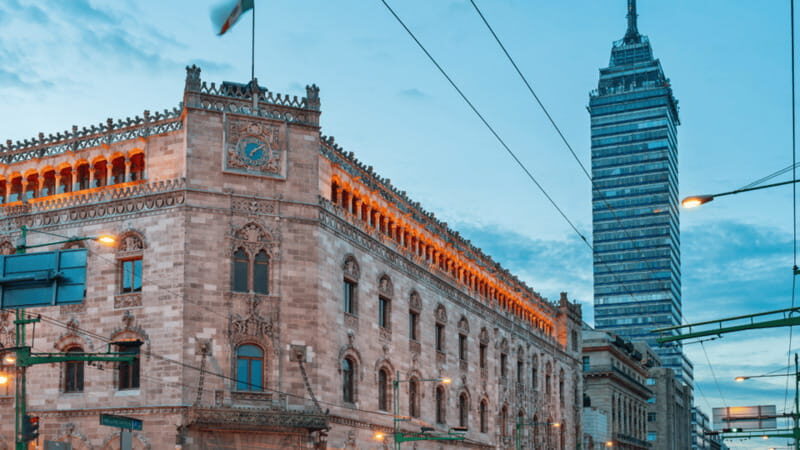
At Palacio de Correos de México (the Post Office Palace), you’ll have time for a photo stop, a visit, and a bit of free time. This is where a lot of travelers slow down on their own once they start noticing the details—facades, timing, entrances, and the general “feel” of a building that’s central to public life. The free time is useful if you want to step aside with your guide and get answers to questions you didn’t ask earlier.
Then you head to Casa de los Azulejos for a photo stop and a visit. The name alone hints at what you’ll see—decorative tiles and visual richness that makes this building stand out in the historic center. But the value here is how your guide ties the architectural style to the period, so you’re not just taking pictures. You’re learning what these features signaled socially and culturally.
Two smart tips here:
- Wear shoes you trust. The historic center is walkable, but it adds up fast.
- Keep an eye on shade. This tour runs in all weather, and you’ll want to plan for sun or rain.
You can also read our reviews of more guided tours in Mexico City

Palacio de Bellas Artes: ending at a stage for modern Mexico
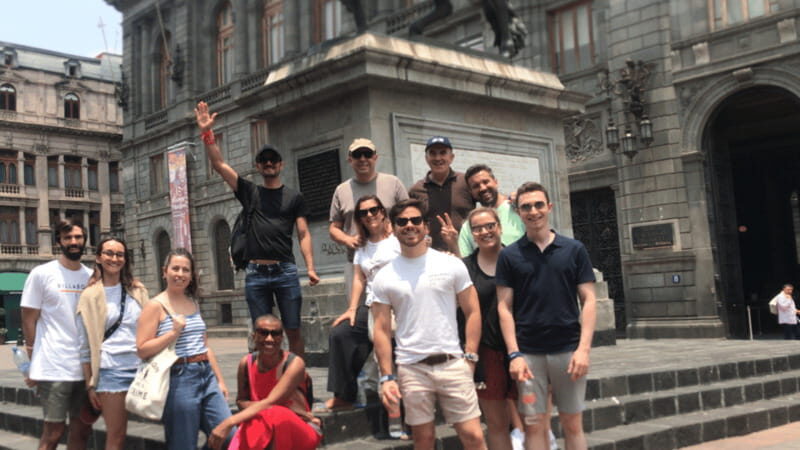
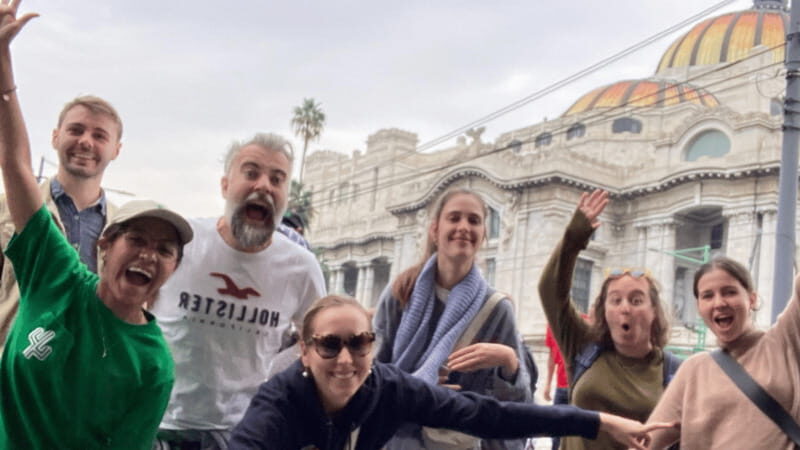
The tour finishes at Palacio de Bellas Artes, which works as a powerful closing point. You’ve walked from the oldest layers of the city’s identity to landmarks associated with later centuries, and ending at Bellas Artes gives you a sense of how culture and public life changed over time.
This stop is partly about architecture, partly about atmosphere, and partly about the “Republic” story your guide has been building throughout the route. If your head is full of names—people like Zapata, Pancho Villa, and Porfirio Díaz—this is where the guide’s narrative can start to feel like a living timeline rather than separate chapters.
And since it’s at the end, it’s also a practical place to regroup. If you want to ask one last question, it’s usually easier here while you still have momentum and daylight (depending on the season).
The guides are the real engine: Oscar, Areli, Luis, Gabriela, and more
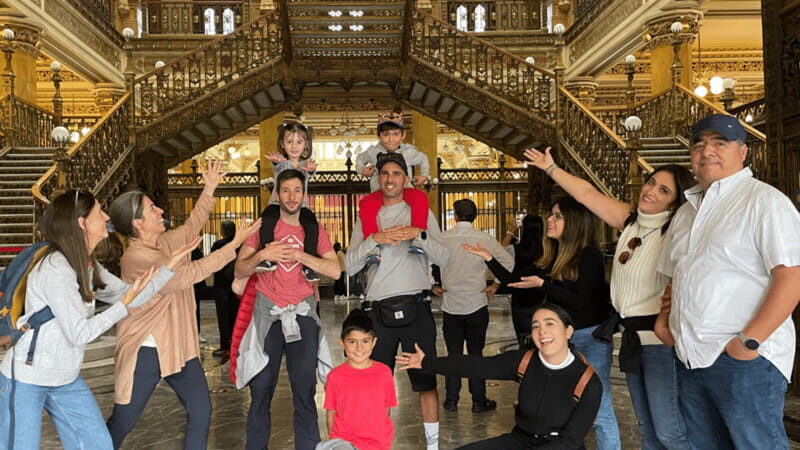
Across the experience, the most praised part is the people leading it. Guides such as Oscar, Areli, Luis, and Gabriela are repeatedly described as energetic and story-driven, with respect for the people behind the past—not just the monuments.
You’ll notice a pattern: the best guides keep the group engaged, answer questions clearly, and tie curiosities to what you’re seeing right now. Several guides also share practical recommendations after the tour—where to keep exploring, and how to pick places that match what you want to do next.
One detail I’d pay attention to: some guides adapt to what’s happening in the city, including seasonal moments like Day of the Dead. You might not get the same adaptation every day, but it’s a good sign that your guide is watching the surroundings and shaping the experience around real Mexico City life.
Street food help without the pressure
Food isn’t included, but you’ll get guidance about where and how to eat while you’re walking. The tour is set up so you can sample street food ideas if you want, and your guide can help you choose wisely based on what’s available that day.
What makes this valuable is not the food itself—it’s the decision-making. Mexico City has plenty of choices, and it can be hard to know which ones are worth your time. Some guides give tips on spotting safe street-food stands and how to approach food casually while staying practical.
If you’re picky, go slow. Don’t feel forced to eat just because the tour is offering suggestions. Bring cash, and if you have dietary limits, ask your guide early so you don’t lose time later.
What this tour does well for your first days in CDMX
For the price and timing, this is a strong orientation tour. $30 per person for about 3 hours gives you a guided “map in your head” of the historic center: where key landmarks are, how the eras connect, and what you should revisit later once you’re no longer orienting yourself.
It also helps you travel smarter afterward. When you finish at Bellas Artes, you’re positioned to continue on your own terms—whether you want art, more museums, or just a second pass at the places you liked most.
If you’re visiting for the first time, this type of walk beats aimless wandering. You still get to roam after, but you do it with context, not guesswork.
Practical info that can make or break the day
This walking tour is straightforward, but it rewards preparation.
Bring:
- Comfortable shoes
- Sunglasses, hat, sunscreen
- Weather-appropriate clothing
- Cash (entrances and food are not included)
- Optional: water (especially if it’s hot)
Meeting point details matter. Meet at the Cathedral main entrance facing the square, and watch for the green umbrella. If you’re planning from elsewhere in the city, allow at least an hour for getting there so you arrive relaxed, not stressed.
Weather note: the tour happens regardless of weather conditions. Some guides adapt pacing and stops based on events, but you should still plan for sun or rain. Also, the tour is not suitable for wheelchair users, and it isn’t recommended for people over 95.
Should you book? My take
Book this tour if you want:
- A guided walk that connects Aztec, colonial, and Republic Mexico without requiring museum-marathon stamina
- A guide who tells stories, answers questions, and helps you navigate the area
- A first-day plan that ends in a major cultural spot
Skip it (or think twice) if:
- You hate walking in traffic-heavy, open plazas with variable weather
- You don’t want to pay extra for entrances or you’re hoping food is included
- Accessibility is a factor (wheelchair users won’t be able to do this)
If your goal is to understand what you’re seeing in the historic center—and not just tick off buildings—this is a good value way to start.
FAQ
Where does the tour start?
It starts at the main entrance of the Metropolitan Cathedral, facing the main square with the flag.
How will I find the guide?
Outside the Cathedral on the sidewalk, look for a guide wearing a green uniform and holding a green umbrella.
How long is the walking tour?
The tour lasts 3 hours.
What languages is the tour offered in?
The live guide is available in English and Spanish.
Is food included in the price?
No. If you want to eat during the walk, food is not included.
Are entrance fees included?
No. Entrance fees are not included in the tour price.
Does the tour run in bad weather?
Yes. The tour takes place regardless of weather conditions.
What should I bring?
Bring comfortable shoes, sunglasses, a hat, sunscreen, cash, and weather-appropriate clothing.
Is it wheelchair accessible?
No. The tour is not suitable for wheelchair users (and it’s also not recommended for people over 95).