REVIEW · OAXACA CITY
Paint your Alebrije with the Jimenez family.
Book on Viator →Operated by Cesar Morales · Bookable on Viator
This is craft time, not a drive-by tour. You’ll ride out from Oaxaca City to Arrazola to learn how alebrijes began, starting with Manuel Jiménez, then paint a wooden animal yourself with the Jiménez family. I especially love the hands-on painting (up to 2 hours) and the fact that the whole process is shown step by step, from carving to color. One consideration: this is a working studio visit outside the city, so if you have mobility limits, plan ahead for uneven paths and a small space.
You also get a guide who does real translating and real storytelling. Cesar Morales runs the experience in English and keeps things moving with snacks and bottled water so you’re not stuck hungry while you’re learning. As for drawbacks, a couple people noted they wanted even more painting guidance from the artist, so if you’re very new to painting, come ready to ask questions.
In This Review
- Key points before you go
- Why the Jiménez family workshop is worth your time
- How the day runs: meet-up, ride to Arrazola, and the 4-hour rhythm
- Arrazola and the alebrije origin story: Manuel Jiménez to Armando Jiménez
- Inside the studio: what you’ll actually see during the craft demonstration
- Painting your own wooden alebrije: your 2-hour creative window
- Tips that help you get a better result
- What’s provided so you’re not scrambling
- A nice extra: inspiration support
- The Arrazola family gallery: souvenirs, pricing, and what to watch for
- Payment reality check
- Meeting Cesar Morales: the guide factor that makes or breaks it
- Who this fits best (and who should plan carefully)
- A possible drawback to consider
- Weather and timing reality
- Value: what you get for your time and money
- Should you book this paint-your-alebrije workshop in Oaxaca?
- FAQ
- How long does the alebrije painting experience take?
- Is this tour private?
- Is the experience offered in English?
- What’s included once we arrive at the workshop?
- Do I get to take my painted alebrije home?
- Where is the meeting point and what time does it start?
- Can I cancel for a full refund?
- Are service animals allowed?
Key points before you go
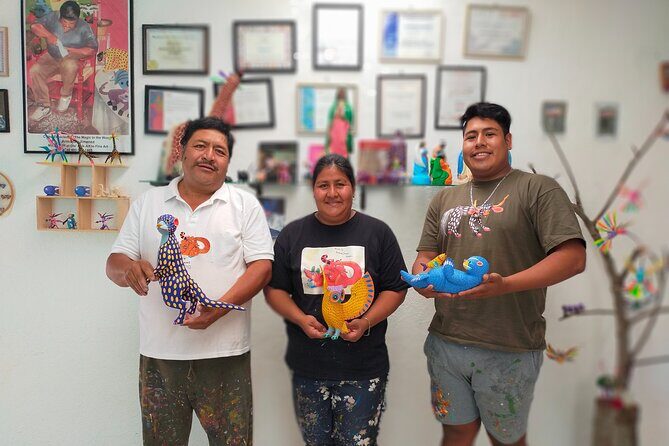
- Private, customizable experience: it’s just your group, so the pace stays comfortable.
- Real workshop instruction: you’ll see carving and how natural colors are made from local fruits, insects, and minerals.
- Up to 2 hours to paint: you choose a plain wooden animal and finish it as a keepsake.
- English support: Cesar translates when Armando Jiménez shares the craft details in Spanish.
- A family gallery for souvenirs: you can shop after painting, and it’s part of the experience rather than an afterthought.
- Plan for small-village conditions: it’s not a big museum setting, so expect a working atmosphere and tighter spaces.
Why the Jiménez family workshop is worth your time
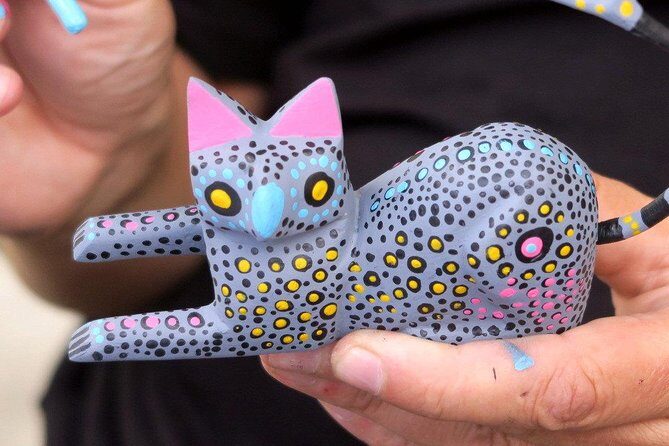
If you’ve ever walked around Oaxaca City looking at painted wooden creatures, you’ve seen the result. This experience explains the whole trick: how an idea turns into a carved wooden body, how color is built up, and how the final look happens through pattern and paint choices.
I like that you’re not just watching. You choose a small wooden animal and paint it yourself, with brushes and colors provided. Even better, the story ties to who created the style in the first place: Armando Jimenez’s grandfather Manuel Jiménez became famous for wooden alebrijes in 1950, and the family continues the work today.
The “private and customizable” part matters more than it sounds. It means you can move at a pace that fits your group, and you can ask follow-up questions in English without being rushed by a big crowd schedule.
You can also read our reviews of more tours and experiences in Oaxaca City.


How the day runs: meet-up, ride to Arrazola, and the 4-hour rhythm
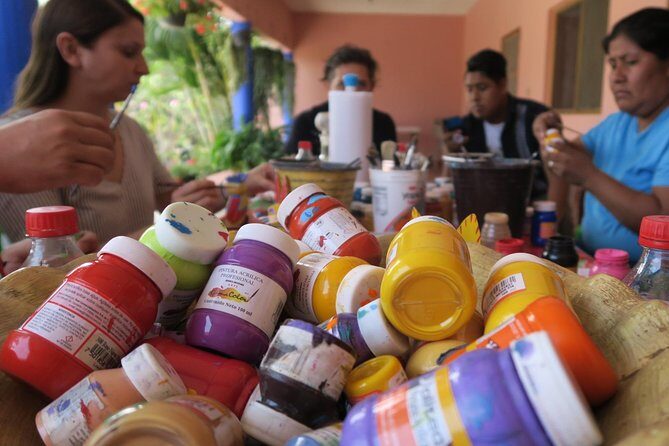
The tour starts at 10:00 am at the Usana Distribuidor Laura Juárez location in Oaxaca City (Centro). You’ll then travel by comfortable private transport to the village of Arrazola, where alebrijes began.
In practice, the timing usually feels efficient because the driving time is short and predictable—think about around 30 minutes each way—leaving roughly 3 hours for the workshop itself. That’s a good length: long enough to learn and paint, short enough that you still feel fresh afterward.
Along the way, Cesar helps you make sense of what you’re seeing and where you are in Oaxaca. Snacks and bottled water keep things comfortable, especially if you start after a morning stroll or shopping.
What this means for you: If you want a creative activity that fits a half-day in Oaxaca City, this is a solid choice. You’ll get out of town, learn the craft in a real setting, and return without feeling like your whole day got swallowed by logistics.
Arrazola and the alebrije origin story: Manuel Jiménez to Armando Jiménez
You’re going to Arrazola for a reason: it’s where the alebrije tradition started. The workshop visit focuses on family continuity, not just technique.
You’ll meet Armando Jimenez and his family, and you’ll hear how the craft is part of their lives—more than 30 years of making alebrijes. The workshop story traces back to Armando’s grandfather Manuel Jiménez, who became famous for wooden alebrijes in 1950. That matters because it turns alebrijes from a trendy souvenir into a living craft tradition.
Then comes the practical part: you learn the creation process from beginning to end. That includes:
- Carving the wood
- Making natural colors using local fruits, insects, and minerals
- Painting the figures using a traditional design with acrylic paint
Even if you don’t remember every detail, you’ll leave with a clear sense of what makes an alebrije an alebrije.
Inside the studio: what you’ll actually see during the craft demonstration
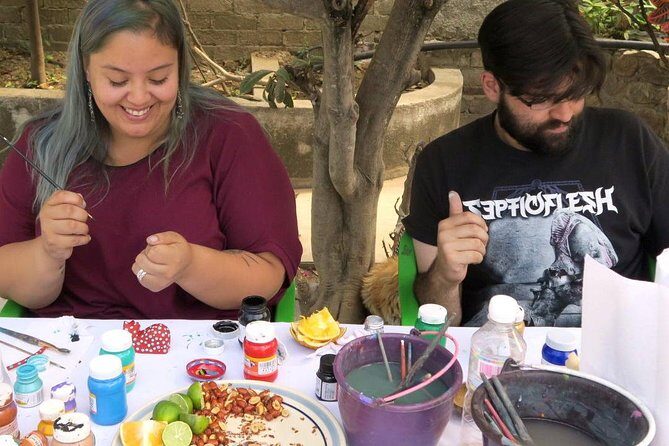
This workshop is built around watching the work happen, not just hearing about it. Armando shares the steps as the family demonstrates the craft, and Cesar translates into English when needed.
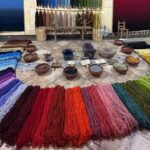
Pay attention to the color stage. People tend to think painted creatures are just decoration, but the process includes how color is created and how it’s applied. Natural dyes and acrylic painting get discussed together, so you see how the final look comes from both materials and technique.
You’ll also notice the studio setup is designed for making. It’s not a staged showroom. That’s good for authenticity, but it also means you should expect a working environment—tables, tools, paint supplies, and people focused on craft.
One practical note: If you want extra time to ask questions, do it early. Once painting starts, the artist and family tend to focus on helping everyone at once.
Painting your own wooden alebrije: your 2-hour creative window
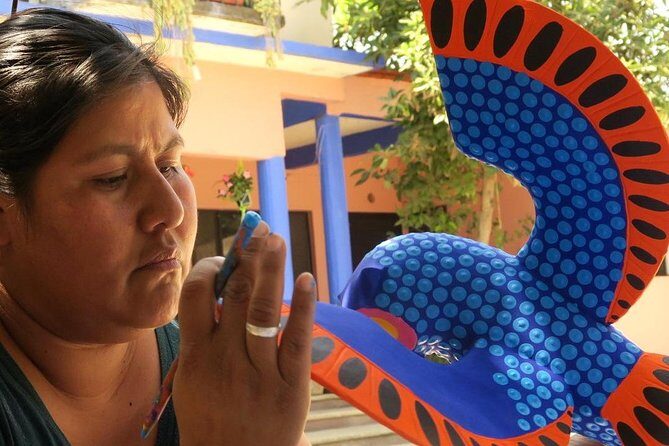
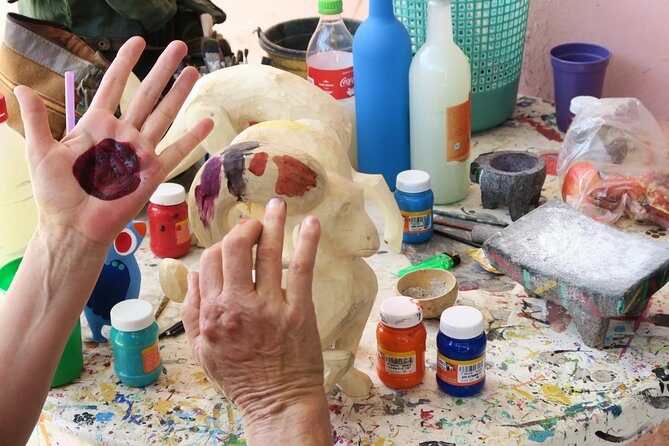
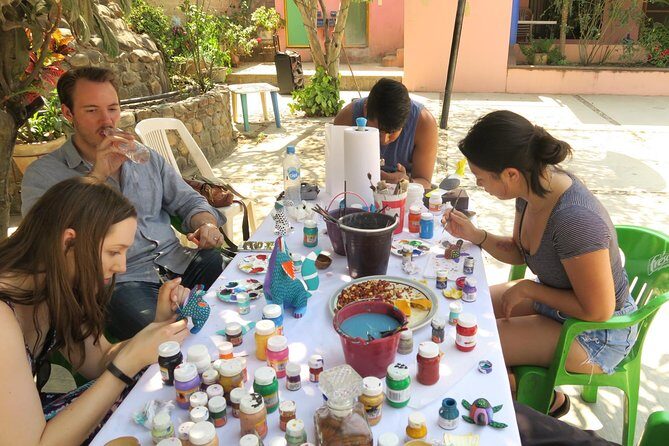
Now for the fun part. You’ll pick a small plain wooden animal figure to paint yourself. It’s designed so you can finish a real souvenir during the session, and you’ll have brushes and colors provided.
Many people come in thinking they’re not artists. Good news: the goal here isn’t perfection. It’s learning the pattern, trying the technique, and making something you’ll actually want to bring home.
Tips that help you get a better result
These are small but useful pointers that make a difference when you’re painting something detailed:
- Start with a lighter base color so darker tones show up cleanly.
- Let each layer dry before adding the next. If you rush, the paint can blend and blur.
- Use the skinny end of the stick/brush tools for dots and small details.
What’s provided so you’re not scrambling
You’ll get the art materials for your figure. Aprons are provided in the studio setting, and you’ll have breaks built into the rhythm of instruction and painting. Snacks and bottled water keep you from running low during the creative stretch.
A nice extra: inspiration support
Some groups are given a look book of other Jiménez gallery pieces for inspiration. That can help a lot if you freeze when it’s time to choose colors and patterns.
What you’ll likely feel: Painting can be harder than it looks, but the studio setup and assistance make it manageable. People often end up surprised by what they can do once they’re focused on small steps.
The Arrazola family gallery: souvenirs, pricing, and what to watch for
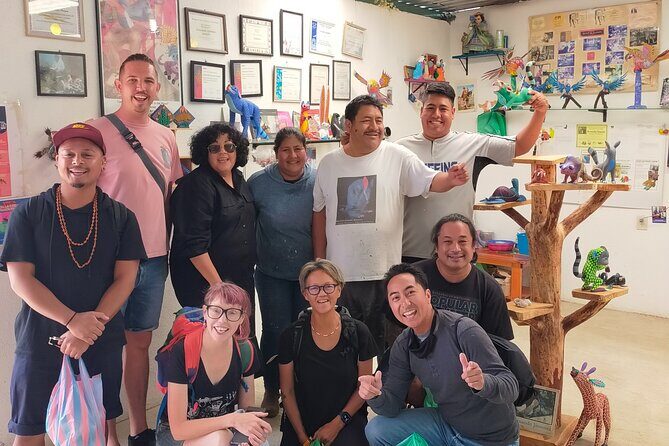
After the painting part, you can browse the families gallery for more souvenirs. This is where you can buy finished alebrijes in addition to what you painted.
Here’s the practical strategy I recommend: if you’re interested in buying an extra piece, wait until you see the family gallery. One person even advised not to buy in town first because the family’s pricing can be better and the craftsmanship can be excellent.
The gallery visit is also part of the learning experience. You get to compare your painted piece to the finished work and see how different designs look when the carving and painting are fully developed.
Payment reality check
The studio takes card and cash, so you shouldn’t get stuck if your card is being temperamental that day.
Meeting Cesar Morales: the guide factor that makes or breaks it
This experience runs on Cesar’s ability to translate and explain without turning the workshop into a lecture. Cesar Morales is the guide listed for the activity, and multiple people have described him as punctual, communicative from booking to end, and genuinely invested in sharing culture.
If you’re the type of traveler who likes to ask questions—about materials, designs, or Oaxaca itself—this matters. Cesar creates space for that.
You’ll also get a clear host style during the whole day. After you finish in Arrazola, Cesar takes you back to the starting point, so you aren’t left figuring out transport after you’re done painting.
Who this fits best (and who should plan carefully)
This is a great fit if you want:
- A hands-on Oaxaca art activity
- A chance to learn where alebrijes come from
- A souvenir you made yourself, not something mass-produced
It can also work well for kids, especially older kids who can focus for a couple hours. One parent described this as their child’s favorite Oaxaca experience, mainly because the process felt real and the painting time was substantial.
A possible drawback to consider
Space and movement can be tricky in a small village studio. One note in the feedback suggests accessibility may be limited, so if mobility is a concern, it’s worth thinking about it before you book.
Weather and timing reality
Because this runs in a village setting, it’s not immune to disruption. There was at least one case in feedback where a guide didn’t show and weather damage was cited. That’s not something you can predict reliably, but it’s a reminder to keep an eye on your day-of messages and be ready with contact info.
Value: what you get for your time and money
This isn’t a cheap “look at art” stop. You’re paying for real instruction, private transport, art supplies, and a full creative session. When you think about it in those chunks, the value makes sense.
You get:
- Private transport out and back
- Snacks and bottled water
- Step-by-step explanation (carving, natural colors, acrylic painting)
- Brushes and colors to paint your own wooden alebrije
- Time to finish a souvenir during the tour
- A family gallery for additional purchases
And the private format matters. You’re not competing with a line of people for attention while you paint. That time is where the experience becomes memorable.
Also, the overall feedback score is strong: 4.8 out of 5 with 66 reviews, and 97% recommend. That’s a good signal that most people leave happy and creative rather than just entertained.
Should you book this paint-your-alebrije workshop in Oaxaca?
Book it if you want a genuine maker experience with a family who actually teaches the craft, not just a quick cultural stop. The structure is perfect for a half-day: a short ride, a clear craft lesson, and a real painting session that ends with something you can take home.
Hold off or ask questions first if:
- You have mobility concerns and the small-studio conditions could be an issue.
- You’re hoping for heavy, instructor-led painting step-by-step the whole time. Some people have wanted more guidance, so if that’s your style, plan to ask Armando or Cesar to help with technique as you go.
FAQ
How long does the alebrije painting experience take?
It runs about 4 hours total, starting at 10:00 am and ending back at the meeting point.
Is this tour private?
Yes. It’s a private activity, meaning only your group participates.
Is the experience offered in English?
Yes. The activity is offered in English, and Cesar can translate if needed.
What’s included once we arrive at the workshop?
You’ll get the art supplies to paint your own wooden animal figure, plus snacks and bottled water during the experience.
Do I get to take my painted alebrije home?
Yes. You’ll choose a small plain wooden animal figure to paint, and it’s described as a lovely souvenir to take home.
Where is the meeting point and what time does it start?
The meet-up is at Usana Distribuidor Laura Juárez, C. de Manuel García Vigil 504, RUTA INDEPENDENCIA, Centro, 68000 Oaxaca de Juárez, Oax., Mexico, with a 10:00 am start.
Can I cancel for a full refund?
The listing offers free cancellation, with a full refund if you cancel at least 24 hours before the start time.
Are service animals allowed?
Yes. Service animals are allowed.