REVIEW · OAXACA CITY
Discover Authentic Mexican Flavors on Oaxaca Food Tour
Book on Viator →Operated by Secret Food Tours · Bookable on Viator
Oaxaca food tours are easy to do wrong. This one works because it mixes major markets with the city’s social heart, then feeds you the flavors Oaxaca is known for—without making you guess what to order. The format stays simple: walk a few blocks, taste a few bites, then learn how each dish fits local life.
I especially like the mix of plates: you get the Oaxacan staples like mole negro and mole rojo plus things that show you the full range, from cacao drinks to a handmade crispy tlayuda-style “Mexican pizza.” I also like that the pacing gives you room to actually enjoy the food, not just inhale it while rushing to the next photo spot.
One possible drawback: you’ll be tasting fried items and classic regional oddballs like chapulines (crickets). If you’re very picky, or you want a lighter, purely sit-down meal, this may feel a bit bold.
In This Review
- Key highlights you’ll feel in Oaxaca
- Starting at Saint John of God Parish: getting oriented fast
- Mercado 20 de Noviembre: mole negro, mole rojo, and the sweet-and-savory start
- Mercado Benito Juárez: quesillo and a local sweet snack
- The Zócalo stop: tejate and pan de yema in the open air
- Calle Macedonio Alcalá: terrace bites, shopping energy, and a secret foodie finish
- What you actually get for $77: value that adds up in Oaxaca
- Food notes: moles, cacao drinks, tlayuda-style bites, and chapulines
- Timing, walking pace, and group dynamics (the real-life stuff)
- Should you book this Oaxaca City food tour?
- FAQ
- How much does the Oaxaca food tour cost, and how long is it?
- Is the tour offered in English?
- What’s the maximum group size?
- Where does the tour start and where does it end?
- What foods and drinks are included?
- Is pickup included, and can I cancel for a full refund?
Key highlights you’ll feel in Oaxaca
- Small group size (max 12): easier conversation and less lineup time at food counters
- Mole tastings: you’ll compare mole negro and mole rojo instead of hearing about them from afar
- City-center stops: Mercado energy plus Zócalo drinks like tejate and sweet pan de yema
- Mix of textures: quesillo, crispy tlayuda-style bites, crunchy chapulines if you’re game
- Guides who explain: you’re not just eating; you’re learning what you’re tasting
Starting at Saint John of God Parish: getting oriented fast
You kick off near Centro, at Saint John of God Parish, with your guide showing up, introducing themselves, and laying out the flow of the tour. This first stop matters more than it sounds. Oaxaca feels like a maze at first, and a quick orientation helps you understand why the route hits certain neighborhoods and markets.
You’ll also get a sense of what kind of bites are coming. Expect small portions that build into a satisfying meal over three hours, not one giant plate that slows everything down. In the past, guides like Armando and Antonio have been singled out for clear explanations and for giving people time to taste instead of rushing the group.
A quick reality check: this is a walking-focused food outing. You don’t need to be an athlete, but you should be comfortable moving between market counters and plazas with moderate steady steps.
You can also read our reviews of more food & drink experiences in Oaxaca City

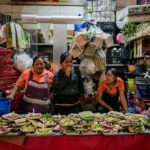
Mercado 20 de Noviembre: mole negro, mole rojo, and the sweet-and-savory start
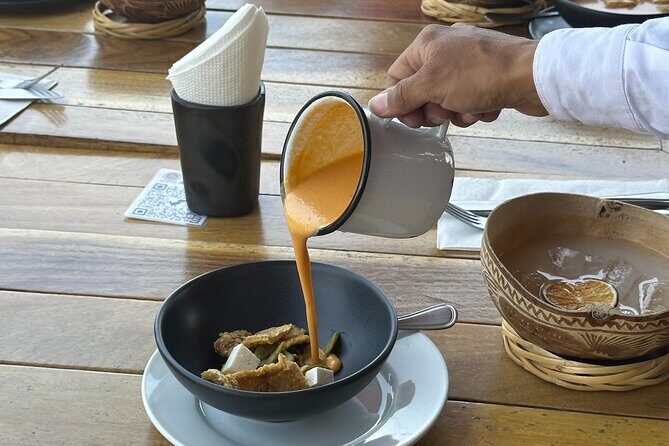
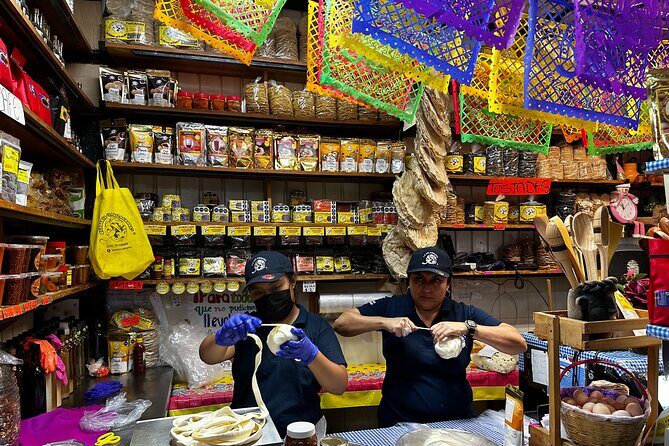
The first real food stop is Mercado 20 de Noviembre, one of the city’s classic market hubs. Here, the tour starts you with two bites right away—one savory and one sweet—so you get grounded in Oaxaca flavors before the heavy hitters arrive.
Then comes the core moment for many people: mole negro plus another mole—mole rojo. If you only try mole in a restaurant, you miss the point. On this tour, you’re comparing them in a market setting, with guide context about why Oaxaca is famous for sauce depth, spice, and that slow, layered flavor you only get when ingredients are treated with care.
From there, you’ll try chili relleno (fried chile) along with more market-style bites. Market food is usually where Oaxaca shows its practical side: food that’s made for locals, served fast, and built for repeat eating. That means your sample set is also practical—things you could actually recognize later when you’re ordering on your own.
What to watch for: mole can be intense if you’re not used to chocolate-spice combos or darker, smoky flavors. You’ll have plenty of opportunities to balance it with sweeter items, but this stop is still your flavor “warm-up” and your flavor “test.”
Mercado Benito Juárez: quesillo and a local sweet snack
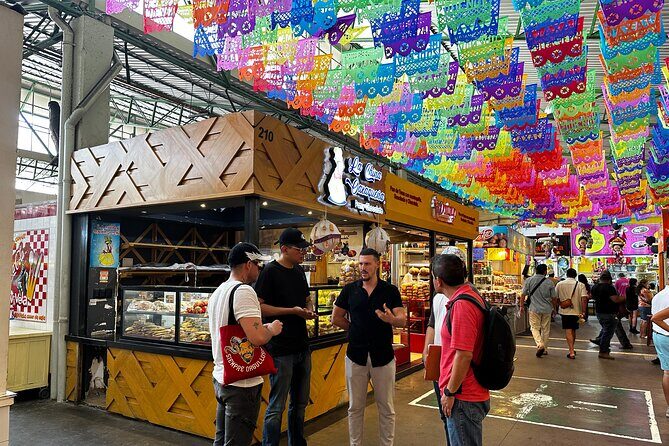
Next you head to Mercado Benito Juárez for another round of small bites. This is where the tour shifts from mole-heavy thinking to a more everyday Oaxaca palate.
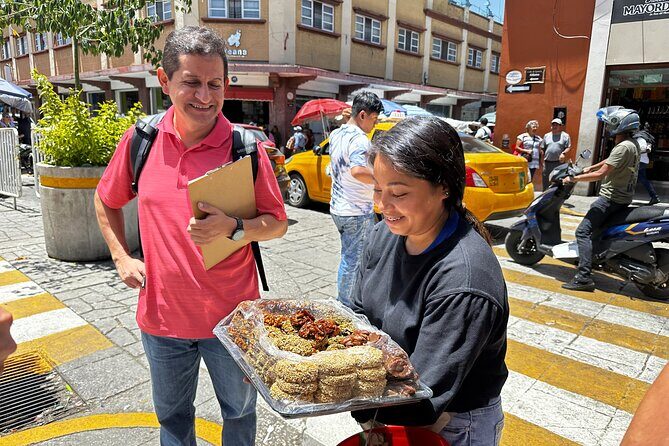
You’ll try quesillo, Oaxaca’s well-known stringy cheese, and you’ll pair it with a sweet local snack. That cheese matters because it’s not just a random ingredient—it’s a backbone of regional eating. Quesillo shows up across Oaxaca dishes, and tasting it here helps you recognize the flavor and texture when you see it later.
Markets like this also help you understand the rhythm of eating in Oaxaca. People come in for specific items, grab what they want, and leave. You’re getting the same lesson, just with a guide choosing what makes sense for a three-hour sampler.
If you’re lactose-sensitive, consider that quesillo is dairy-forward and served as part of a warm, street-ready bite. You’ll likely still be able to enjoy most stops, but it’s smart to note your dietary limits before you commit.
The Zócalo stop: tejate and pan de yema in the open air
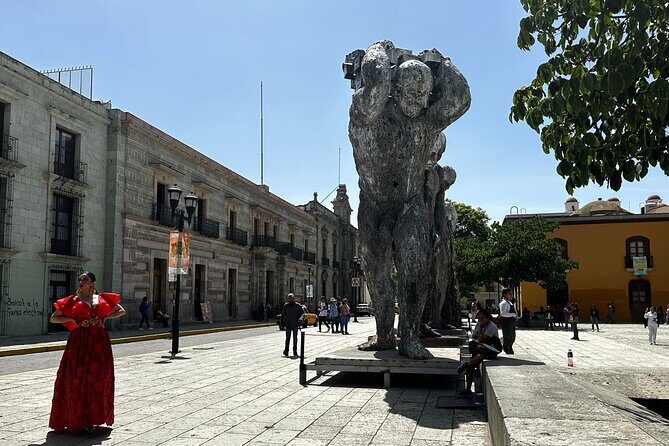
Then the tour reaches the Zócalo area for a drink-and-sweet moment. Here, you get tejate, a pre-Hispanic drink known for being earthy and subtly spiced, along with pan de yema, a local sweet. This pairing is a smart move. It gives you a break from fried food while still keeping the tour grounded in Oaxaca’s older food traditions.
Tejate can be surprising if you’ve only had modern soda or sweet drinks. It’s not trying to taste like dessert; it’s tasting more like a tradition in a cup. That’s why this stop feels different from the markets: the flavors are slower, and the setting lets you notice the mix of people, conversations, and street life around you.
Practical note: this is in the city center, so you’ll want to keep an eye on your personal space and be ready for normal plaza crowds. It’s part of the experience, but you’ll enjoy it more if you go in calm and patient.
Calle Macedonio Alcalá: terrace bites, shopping energy, and a secret foodie finish
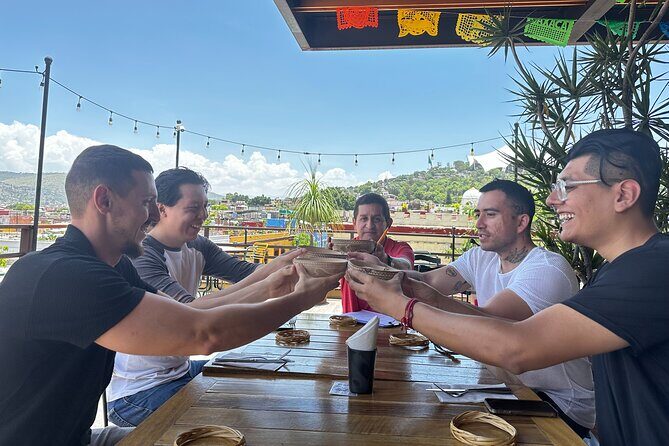
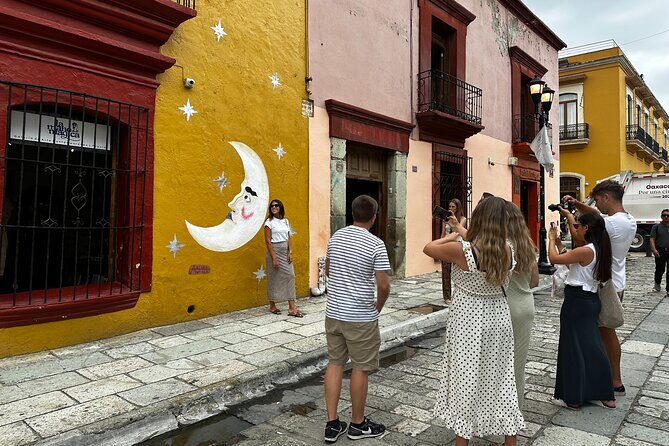
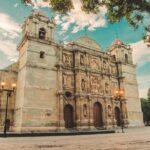
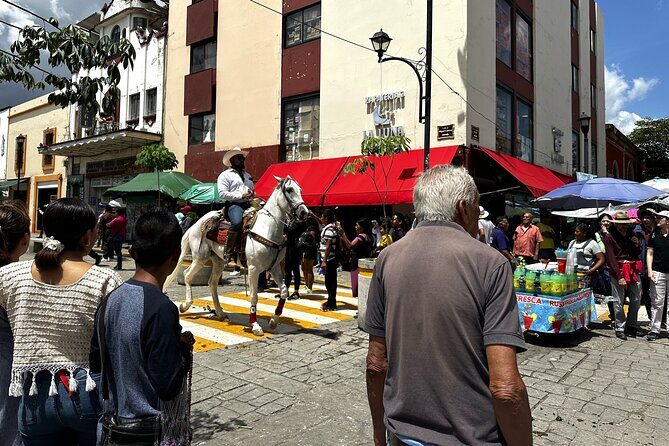
After the Zócalo, you move to Calle Macedonio Alcalá, a busy shopping street in the historic center. This part is about atmosphere as much as it is about food. You see where locals spend time, and you get a feel for how Oaxaca blends work, shopping, and eating right into the same blocks.
You’ll visit a lovely terrace for more food, then walk a short distance and return to a secret destination for foodies. The “secret” aspect is useful, not gimmicky. It signals you’ll get one more carefully chosen bite you might not find on your own, especially if you’re still learning which stalls and spots are worth your time.
This portion also helps the tour stay balanced. Earlier stops are louder and more tightly packed in market aisles. The terrace and final stop are a softer landing where you can digest what you’ve eaten and ask questions.
One small consideration: if you prefer to keep your shopping minimal, you might feel a little wander-y during this stretch. But that’s also where you’ll pick up context about the neighborhood, the cadence of street life, and the kind of foods Oaxaca keeps offering all day.
A few more Oaxaca City tours and experiences worth a look


What you actually get for $77: value that adds up in Oaxaca
At $77 per person for about three hours, this tour lands in the “serious value” category if you’re trying to sample a lot without spending the time hunting. You’re not paying just for food; you’re paying for a guided route that strings together the right places and the right dishes.
Included highlights cover several “must-try” categories:
- Mole negro and mole rojo tastings
- Fried chili relleno
- Chapulines (crickets) for the brave
- Chocolate bite from Oaxaca
- Quesillo cheese
- Sweet pan de yema
- Pre-Hispanic cacao brew
- Tejate as the pre-Hispanic drink
- Oaxacan traditional earthy olla coffee
- A handmade crispy tlayuda-style Mexican pizza with meat
- A secret dish plus additional bites along the way
That’s a lot of variety for a single afternoon. And variety is the point. Oaxaca can be overwhelming if you’re ordering from scratch, especially with moles and pre-Hispanic drinks that don’t map neatly onto what you already know.
You’ll also appreciate that the tour includes water, which is a quiet but important value add in Oaxaca’s sun and walking pace. If you’re the type who hates buying little add-ons all day, the “everything included” structure keeps your food budget predictable.
Who this suits best: food-first travelers who like learning while they eat, and who don’t mind small portions that stack into a full experience. If you’re a “sit down and savor” person, this will still be enjoyable, but plan for standing, walking, and moving from bite to bite.
Food notes: moles, cacao drinks, tlayuda-style bites, and chapulines
Here’s the practical cheat-sheet for what you’re likely to taste and how to think about it while you’re eating.
Mole (negro and rojo): Mole in Oaxaca is the kind of sauce where chocolate, chiles, and spices create a layered flavor that doesn’t read as one simple taste. Mole negro tends to be darker and more grounded, while mole rojo generally comes off brighter and more chile-forward. The tour’s setup lets you compare both as part of a tasting flow instead of treating it like separate menu items.
Chocolate and cacao drinks: You’ll get a genuine chocolate bite and also a pre-Hispanic cacao brew. People sometimes expect “chocolate” to taste like dessert, but cacao in Oaxaca often behaves more like a warm, spiced beverage. It’s not just sweet; it’s aromatic.
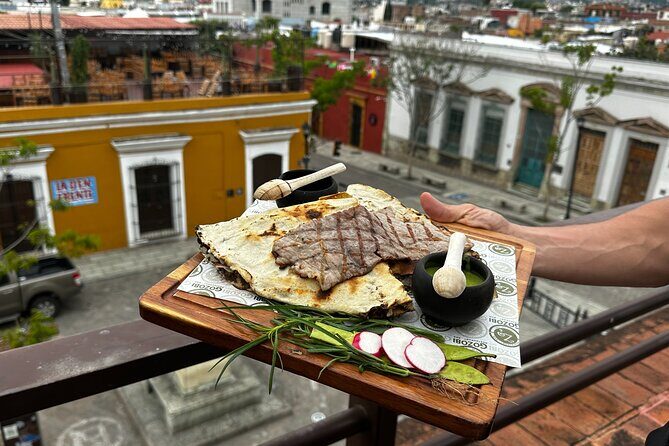
Tlayuda-style Mexican pizza: This one is a fun concept that still feels Oaxaca. The tour includes a handmade crispy tlayuda with meat. It’s crunchy, savory, and built for eating with your hands. If you like textures, you’ll probably enjoy this mid-tour boost.
Chapulines (crickets): If you go, you’ll know right away if you’re a fan. The point isn’t to force it—it’s included for people who want the full range. I’d treat it like a choose-your-own-adventure bite. Try one if your curiosity wins; skip if you know it won’t make your day better.
Also, you’ll encounter fried chile relleno. It’s hearty and filling, so don’t plan to immediately chase a second snack afterward. This tour is built so you’ll balance fried items with cheese, drinks, and sweets across stops.
Timing, walking pace, and group dynamics (the real-life stuff)
The tour runs about three hours and keeps you moving through multiple stops. Each market segment is long enough to actually taste and ask questions, but short enough to maintain momentum. That balance is why it works for a wide range of people, and why guides like Armando and Antonio have been praised for pacing.
Your group max is 12, which is a sweet spot. You can hear the guide, but you’re not stuck in a huge crowd. It also means you can usually step aside for a better look at what’s on the counter before your turn comes.
Comfort tip: wear shoes you’d happily walk in for a casual city day. You’ll be stepping in and out of market zones and plaza areas, and you’ll want stable footing more than fancy shoes.
Should you book this Oaxaca City food tour?
Book it if you want a well-planned sampler that covers Oaxaca’s key flavors in a few hours—mole tastings, quesillo, chocolate and cacao drinks, tejate with pan de yema, and at least one crunchy savory set piece like the tlayuda-style bite. It’s also a solid pick if you like guided context, since the experience leans on clear explanation and food timing.
Skip it (or at least reconsider) if you want a strictly quiet, sit-down meal, or if you know you’ll hate the idea of chapulines and fried chile. Also, if you’re sensitive to strong, earthy flavors like mole negro or pre-Hispanic drinks, go in with eyes open so you’re not disappointed when the tour highlights what locals actually eat.
If your goal is simple: eat a lot of Oaxaca flavors without second-guessing where to go, this tour is a strong match.
FAQ
How much does the Oaxaca food tour cost, and how long is it?
It costs $77.00 per person, and the tour lasts about 3 hours.
Is the tour offered in English?
Yes, the tour is offered in English.
What’s the maximum group size?
The tour has a maximum of 12 travelers.
Where does the tour start and where does it end?
It starts at 20 De Noviembre, C. de Ignacio Aldama 217, Oaxaca de Juárez (Centro) and ends near Santo Domingo Square on C. Macedonio Alcalá 407.
What foods and drinks are included?
You can expect Oaxacan mole negro and mole rojo tastings, fried chili relleno, quesillo, chocolate, chapulines (crickets), heritage sweet cookie, tejate with pan de yema, pre-Hispanic cacao brew, Oaxacan olla coffee, tlayuda-style Mexican pizza with meat, plus a secret dish.
Is pickup included, and can I cancel for a full refund?
Pickup and drop-off are not included. You can cancel for a full refund up to 24 hours before the experience starts.