REVIEW · TULUM
Tulum Area Experiences Guided 2 Tank Scuba Dive Casa Cenote & Barrier Reef-Lunch
Book on Viator →Operated by TAE Tulum Area Experiences · Bookable on Viator
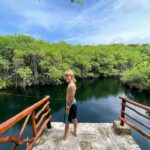
Tulum’s underwater world starts in a freshwater cenote. This 6-hour, two-tank scuba outing pairs Casa Cenote (with fish, mangroves, and a resident alligator/crocodile) with an open-ocean session at the Tulum barrier reef, then breaks for a traditional Mayan lunch. I like that it’s built as a small-group day and that you get real coaching from guides such as Paco and Carlos, who are often praised for patience and clear safety checks. One thing to keep in mind: reef conditions depend on the ocean, and if the reef can’t be done, you may be offered a second cenote instead.
The best part is the contrast. You go from freshwater cave-like tunnels and root systems to saltwater life in open ocean—an easy way to see Tulum’s range in a single morning. I also like that you’re not just shown the water; you’re fed with a proper cochinita Mayan-style lunch (plus seasonal fruit, juice/water, and snacks) that actually makes the rest of the day feel manageable. A potential drawback is that logistics can be imperfect—some people report the office is hard to find and parking is a hassle in Tulum, and pickup timing can swing a bit within the listed pickup window.
In This Review
- Key things to know before you go
- Casa Cenote to Barrier Reef: what this 2-tank scuba day is really about
- Meeting point, pickup windows, and why your morning timing matters
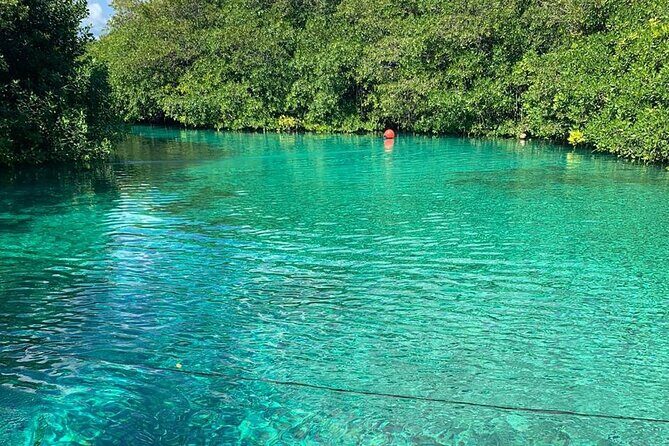
- Casa Cenote: freshwater fish, mangrove roots, and that resident alligator/crocodile
- What the underwater session tends to feel like
- Lunch in Tulum: cochinita, fruit, and refueling before the open ocean
- The open-ocean boat ride and the barrier reef plan
- If you’re hoping for reef visibility
- Equipment, instruction, and what matters most when you’re new
- What to look for in the coaching
- Price and value: is $209.95 a good deal for a two-tank day?
- Who should book this Tulum scuba tour (and who might want a different plan)
- A few practical tips that will make your day smoother
- Should you book this tour?
- FAQ
- What is the duration of this tour?
- How much does the tour cost?
- Is hotel pickup included?
- What’s included in the price?
- What happens if ocean conditions don’t allow the reef?
- How big is the group?
Key things to know before you go
- Two-water environments: Casa Cenote first, then the Tulum barrier reef if conditions allow
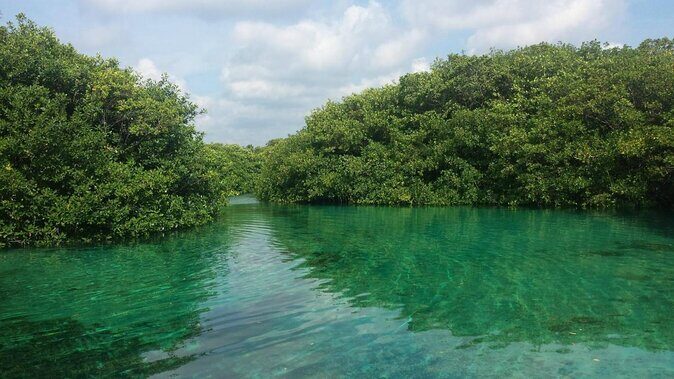
- Wildlife you can actually spot: freshwater fish, mangrove roots, and a resident alligator/crocodile
- Small group size (max 12): more attention during safety checks and skill practice
- Mayan lunch included: cochinita sandwiches, seasonal fruit, waters, and juice
- Weather-sensitive reef plan: if the reef can’t be done, you switch to another option like a second cenote
Casa Cenote to Barrier Reef: what this 2-tank scuba day is really about
This tour works because it’s not one long, same-same underwater stop. It’s built around contrast: freshwater life in Casa Cenote followed by saltwater sea life at the barrier reef. If you’re trying to understand why Tulum is famous beyond the beach—this is one of the most practical ways to do it.
Casa Cenote is often described as being connected to the open ocean system, which helps explain why you can see a lot more than the “dark cave pool” expectation some people have. In the water, you’re moving through root systems and passages that feel naturally shaped by the jungle, and guides tend to point out things you’d likely miss on your own—like the path through Crack Passage and the local rules for staying where you should.
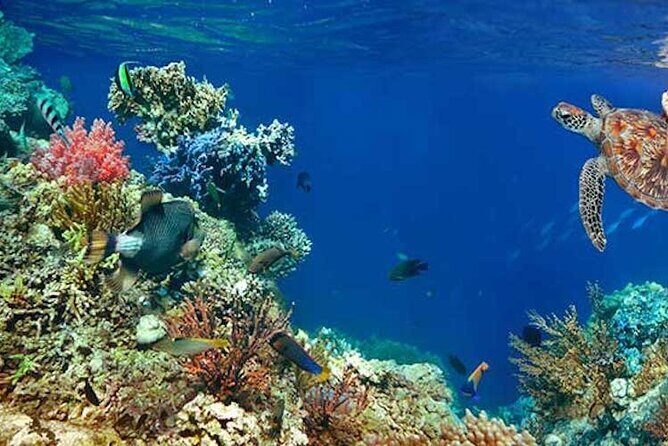
Then the day changes tempo. After lunch, there’s a boat ride out to the open ocean, and the goal becomes classic reef viewing: fish, movement, and that salty-water feel you don’t get in the cenotes. In short: you’re paying for a full day experience, not just a single underwater moment.
You can also read our reviews of more guided tours in Tulum


Meeting point, pickup windows, and why your morning timing matters
You start at Venus Ote. 238, Tulum Centro, with a start time of 8:00 am. If you’re using pickup, it’s offered inside a 5-mile radius of Tulum, and pickup times can vary—some days pickups run as early as 7:30 am, and in others they can go later (up to about 9:00 am, depending on day and activity type).
This matters because cenote and ocean sessions are scheduled around safety and changing conditions. If you’re the type who likes to be perfectly on-time for everything, you’ll want to plan your morning buffer. Also: parking in Tulum can be tricky. Even when the tour is well-run, you may find the office area takes a little patience to locate and access—especially if you’re driving yourself.
Good news: the tour ends back at the meeting point, so you’re not dealing with a complicated end-of-day maze.
Casa Cenote: freshwater fish, mangrove roots, and that resident alligator/crocodile
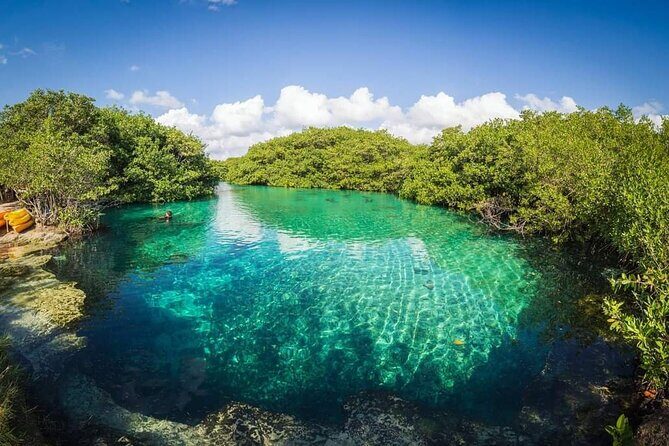
Casa Cenote is the headliner for the first part of the day, and it’s special for two reasons.
First, it’s not just a cenote “in the jungle.” It’s a place where you can see life up close—freshwater fish are common, and the mangrove roots create a maze where small movement grabs your attention. Second, you get a real sense of living habitat, not a sealed-off attraction. That makes a difference for your experience, especially if you’re new and still learning how to control your buoyancy and breathing.
Second, there’s the wildlife factor. You may encounter the resident alligator/crocodile that’s been part of the local scene. You don’t go looking for it like a zoo experience, but knowing it’s there changes how you pay attention to the edges, the shadows, and the slower parts of the water.
What the underwater session tends to feel like
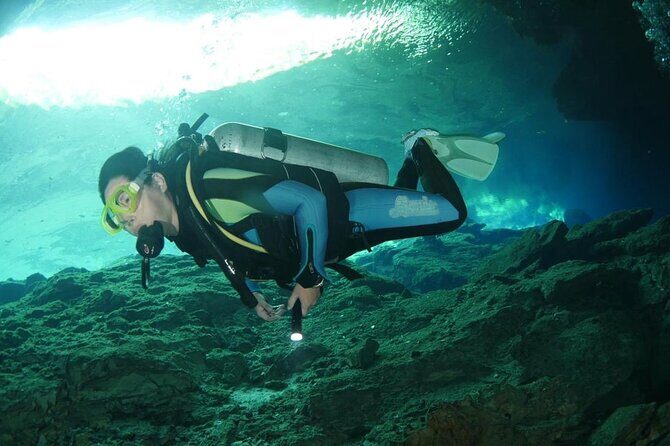
If you’re a first-timer, expect instruction before you’re fully underwater. Guides often emphasize checks and fundamentals right in front of you—things like equipment setup and how the plan works in that specific water. People also describe the instruction style as patient and step-by-step, which is a big deal in cenotes, where entry points and visibility can make you feel a little more “busy.”
One common reference point in Casa Cenote is Crack Passage, which helps explain why the guide’s directions matter. You’re moving through a natural route in a confined environment, and the guide’s job is to keep you oriented and safe.
Lunch in Tulum: cochinita, fruit, and refueling before the open ocean
After the cenote session, you’ll eat a traditional Mayan lunch that’s included in the price. In practical terms, it’s not a tiny snack stop—you’re getting a meal meant to keep you comfortable through the second tank.
The menu you should expect includes cochinita (served as a sandwich), seasonal fruit, and waters/juice, plus snacks. This is one of those “small” inclusions that matters more than you think. Two tank sessions take energy, and cenote-to-reef switching can feel quick. A real lunch keeps you from turning the afternoon into a shaky, hungry, “why did I do this” situation.
Also, the lunch timing is part of the flow. You don’t want to cram food right before you get back on the boat, and you don’t want to wait too long after the first session either. The tour structure keeps the day moving without feeling rushed.
A few more Tulum tours and experiences worth a look




The open-ocean boat ride and the barrier reef plan
Once lunch settles, you move to the next phase: a boat ride out toward the Tulum barrier reef area. Even if you don’t care about boats, this portion helps reset your brain. Cenote water can feel enclosed; open ocean feels bigger—lighter, wider, and often a little more unpredictable with wind.
That’s why the reef plan is explicitly sensitive to ocean conditions. If reef conditions don’t cooperate, you won’t be forced into an unsafe situation. Instead, you’ll be offered an alternative dive option such as a second cenote. Just know this is weather-driven, and you’re not getting partial refunds for conditions that are out of the operator’s control.
If you’re hoping for reef visibility
Reef viewing is exciting, but it’s not always the same day-to-day. If you’re the kind of diver who wants maximum visibility, bring a flexible mindset. The tour is still worth it because the day gives you two different habitats. Even when the reef session changes, you still get the “Tulum range” story.
Equipment, instruction, and what matters most when you’re new
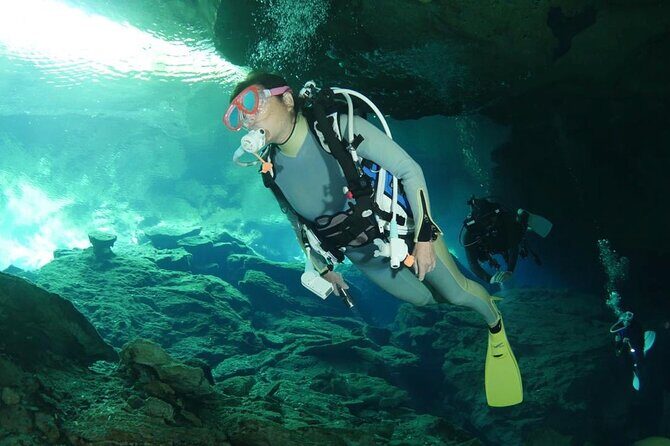
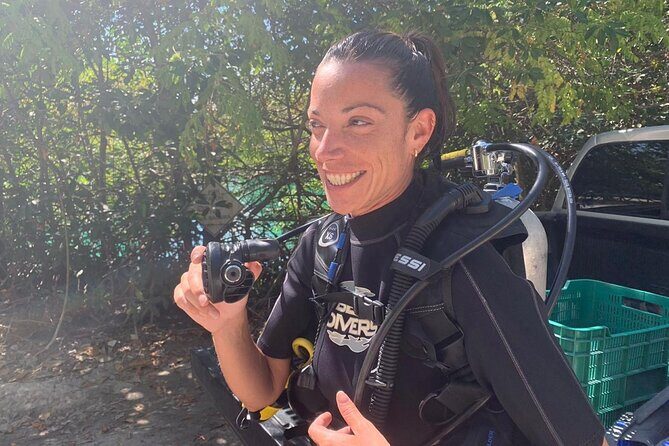
This is a coached scuba experience with professional scuba guidance, and the tour includes scuba equipment plus the entrance fee to Casa Cenote. Group size is capped at 12, which tends to make it easier for a guide to supervise everyone during checks and transitions.
Based on what people highlight, the strongest value is how instructors run the process. Names like Paco, Carlos, Brenda, Johannes, and Ricardo show up in positive feedback for being attentive, patient, and focused on safety steps—especially for people who don’t have lots of underwater experience.
What to look for in the coaching
Before you enter, pay attention to whether the guide:
- explains the plan in plain language
- runs safety checks in front of you
- makes sure you understand how equipment should feel and work
- keeps the group together when visibility or conditions change
That last point matters in cenotes. One person described spending more time “troubleshooting” in the cenote entrance because levels in the group were different—like not seeing the cenote or crocodile right away. That’s not a failure; it’s a reminder that beginner-friendly experiences often include extra time spent getting comfortable with the environment and entry points.
Price and value: is $209.95 a good deal for a two-tank day?
At $209.95 per person, you’re paying for a lot of moving parts to be managed for you: equipment, an entrance fee, a boat out to the reef area, two underwater sessions, and a lunch with cochinita, fruit, drinks, and snacks. You’re also getting a small-group setup that’s meant to keep instruction personal.
Here’s how I’d judge value if you’re deciding between options:
- You get two habitats in one morning (cenote + reef plan). That’s usually more valuable than paying for just one environment.
- Lunch and drinks are included, and in this case it’s not just water and a granola bar.
- Guides are a big selling point in the feedback—patient instruction is part of what you’re paying for, not just gear access.
- Weather flexibility is built in, which reduces the risk of your day being wasted if the reef can’t happen.
The main “value risk” is operational quality variation. Some people describe the office and equipment setup as basic or showing age, and a couple mention delays or communication issues. Those reports are not the overall theme, but they are real enough that you should set expectations: this is a local, functional operation, not a fancy resort.
Who should book this Tulum scuba tour (and who might want a different plan)
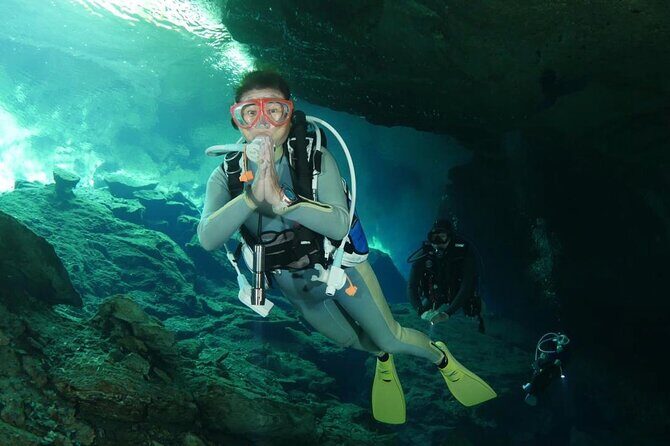
This tour is a strong fit if:
- you want both cenote and reef in one day
- you like guided instruction, especially if you’re a beginner or building confidence
- you want local flavor with a proper Mayan lunch
- you’d rather do a structured plan than cobble together a cenote tour plus a separate ocean operator
You may want to think twice or compare alternatives if:
- you hate uncertainty and ocean-condition switches
- you’re very sensitive to pickup timing and want ultra-tight schedule control
- you expect premium facilities and brand-new gear feel (some descriptions are more no-frills)
Also, if you’re going solo or just as a couple, the experience can still work well, since small-group size helps. Just remember the tour is designed for a group day, and schedules can shift with water conditions.
A few practical tips that will make your day smoother
These are the things that tend to help with cenotes and reef planning, using what the tour structure suggests:
- Bring a towel and plan for sun: you’ll dry off between water and lunch/boat time.
- Arrive a little early: between pickup windows and finding the office, early arrival reduces stress.
- Treat it like one full day, not a quick morning errand: you’re working around ocean timing and safety steps.
- Be ready to follow local guidance closely: cenotes have natural features and rules; the guide’s directions are part of your safety.
- Use the training time: if you’re new, ask questions before you’re underwater—guides like Paco and Carlos are described as patient, and that’s your window to get confidence fast.
Should you book this tour?
I’d book this if you want a two-tank day that shows you the contrast between Casa Cenote and the Tulum barrier reef (or a second cenote if the reef can’t happen), and you care about having a guide run the safety steps clearly. The included cochinita Mayan lunch, seasonal fruit, and drinks are also a real plus for value.
I wouldn’t book it if you need a guaranteed reef session no matter the weather, or if you’re the type who gets thrown off by basic office setups, tricky parking, or occasional schedule hiccups. In that case, it’s worth comparing other scuba options that better match your comfort with timing and conditions.
FAQ
What is the duration of this tour?
It runs about 6 hours.
How much does the tour cost?
The price is $209.95 per person.
Is hotel pickup included?
Pickup is offered, but only if you’re within 5 miles of Tulum. Pickup times can vary, depending on the day and type of activity.
What’s included in the price?
The tour includes scuba equipment, entrance fee to Casa Cenote, boat fees, a Mayan lunch (cochinita sandwich, fresh seasonal fruit, waters and juice), plus snacks and bottled water.
What happens if ocean conditions don’t allow the reef?
The activity is sensitive to conditions. If the reef can’t be done, the operator offers an alternative dive, such as a second cenote. They do not offer partial refunds for weather conditions out of their control.
How big is the group?
The tour has a maximum of 12 travelers, keeping it small-group.
You Might Also Enjoy



More Lunch Experiences in Tulum
More Guided Tours in Tulum

More Tour Reviews in Tulum
- Selva Maya Eco Adventure Park: Ziplining, Hanging Bridges, Rappelling and Cenote
★ 5.0 · 1,057 reviews