REVIEW · MEXICO CITY
Mexico City: Diego Rivera’s Murals Guided Walking Tour
Book on GetYourGuide →Operated by Pies descalzos · Bookable on GetYourGuide
Mexico’s revolution still walks the streets. This guided walking tour traces Diego Rivera murals from the Museo Vivo del Muralismo to major city landmarks, using the Mexican Revolution and Los Tres Grandes as your story thread. I love how the guide ties each scene to the bigger political moment behind it, and I love that you get close-up viewing across several museum stops. The main catch: it’s 3.5 hours on foot, and if you start late you may feel time pressure as venues begin closing.
What makes this tour work is the way the guide talks—think Q&A and real explanations, not a rushed slideshow. Names that pop up again and again include Jorge, David, Francisco, and Laila, and the common theme is clear: the murals are the lesson, and you leave with a framework for how to look at Mexican public art. One more practical note: because some stops depend on access that day, the route can shift.
In This Review
- Key things to know before you go
- Why Diego Rivera murals feel like Mexico’s street history
- Starting and ending at Museo Vivo del Muralismo
- Secretaría de Educación Pública: where art meets education and ideology
- The Palace of Fine Arts stop: formal art, public power
- Diego Rivera Mural Museum: seeing Rivera’s evolution in less time
- How guides like Jorge, David, Francisco, and Laila change what you notice
- Practical walking-tour reality in Mexico City
- Price and value: is $78 worth it?
- Who this tour is best for
- Should you book this Diego Rivera walking tour?
- FAQ
- How long is the Diego Rivera murals walking tour?
- Where do I meet for the tour?
- What are the main stops during the tour?
- What is included in the price?
- Is transportation included?
- Are meals provided?
- What do I need to bring?
- What languages are the live guides available in?
- Is the tour wheelchair accessible?
- Can the itinerary change on the day?
Key things to know before you go
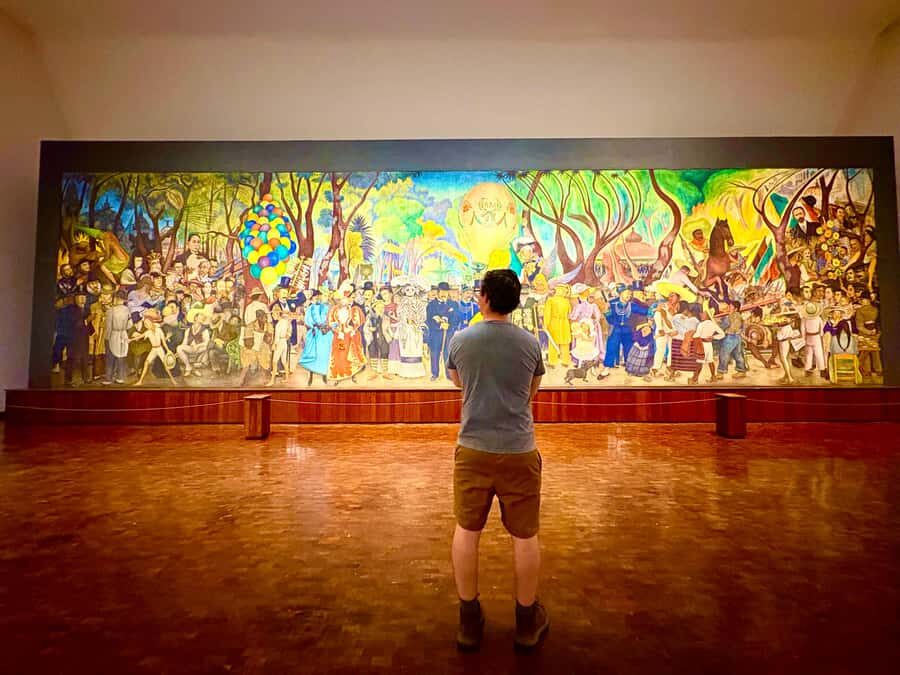
- Revolution-to-mural storytelling: you’ll connect Mexican political upheaval to why mural art exploded after the Revolution
- Three focused stops: the route is built around substantial time at the Secretaría de Educación Pública and short, high-impact museum visits
- Museum tickets are included: you don’t need to hunt for entries once you’re with the group
- Guides tailor the experience: flexibility shows up when a museum is closed or access rules change
- It’s a true walking tour: comfortable shoes matter more than you’d think
Why Diego Rivera murals feel like Mexico’s street history
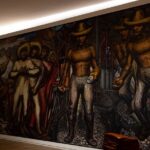
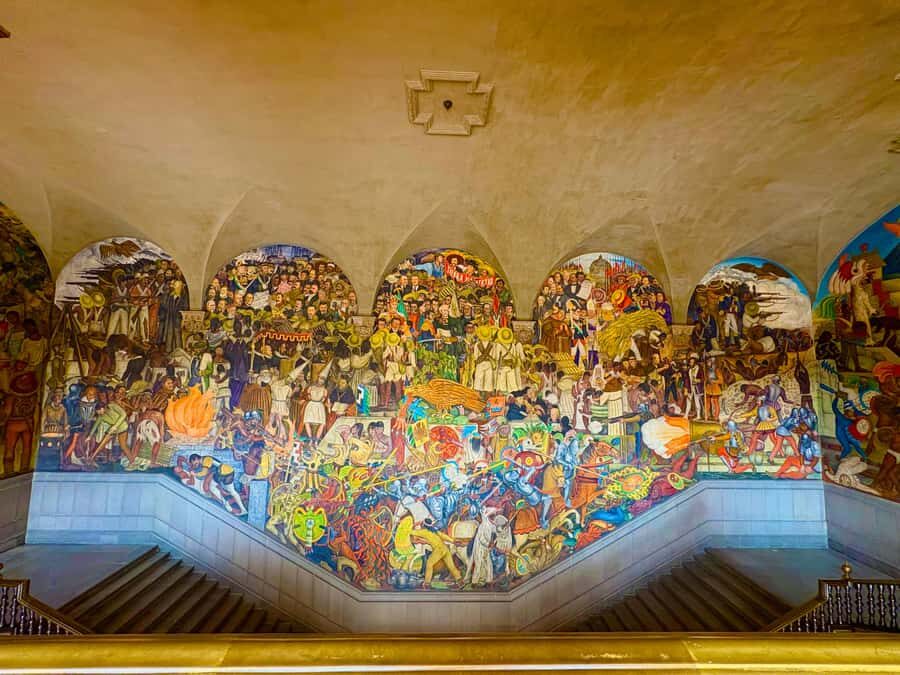
Diego Rivera didn’t paint for quiet rooms. His murals are loud in meaning—public, political, and meant to be understood by people walking by every day. That’s the heart of this tour: you’re not just staring at big paintings. You’re learning the logic behind them—who they’re for, what they argue, and how they fit into the post-Revolution push for art that educates.
The tour frames Rivera alongside Los Tres Grandes: Rivera, José Clemente Orozco, and David Alfaro Siqueiros. You’ll get the sense that this wasn’t three separate artists working in parallel. It was a movement with shared goals: turning walls into history books, and using scale and symbolism to make politics unavoidable.
And once you know what you’re looking for, Mexico City starts to read differently. A mural stops being decoration and starts acting like a map—of class, labor, power, identity, and national pride.
You can also read our reviews of more walking tours in Mexico City

Starting and ending at Museo Vivo del Muralismo
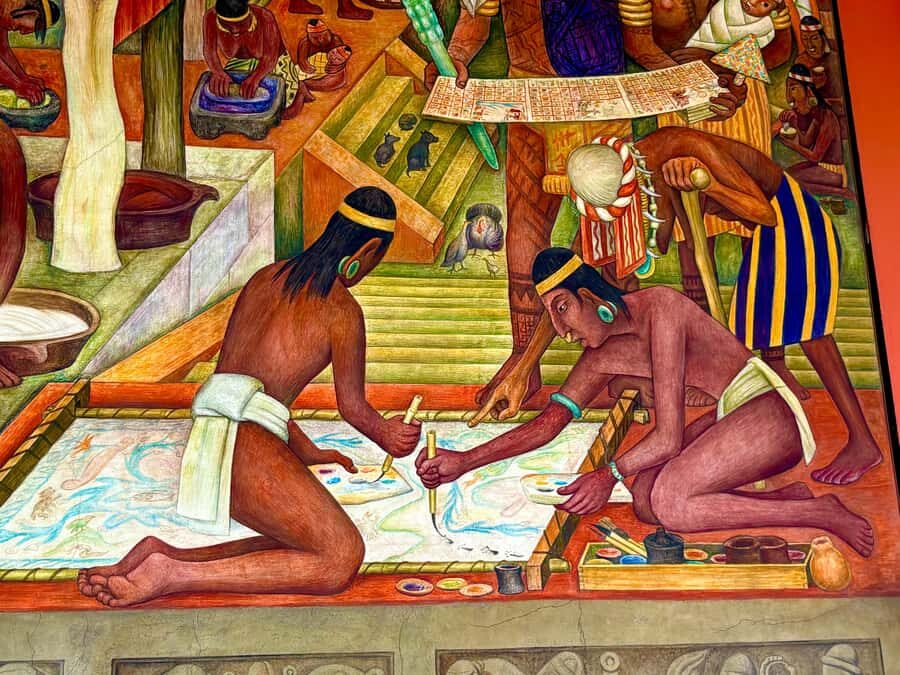
You meet—and return—at Museo Vivo del Muralismo. That matters because it anchors the walk. After a couple hours out in traffic and footpaths, you’re not trying to figure out how to get yourself home or where the tour ends. The museum setting also helps you understand the day’s tone: this isn’t “museum sprinting,” it’s learning mural language.
In practice, this first stop works as your orientation. You’re set up for what Rivera’s public art is trying to do. If you’re the type who wonders what mural art is supposed to mean, you’ll appreciate that the guide gives you a lens before you hit the bigger sights.
One practical tip: arrive on time. This tour is 3.5 hours, and the itinerary is packed enough that late arrivals don’t help.
Secretaría de Educación Pública: where art meets education and ideology
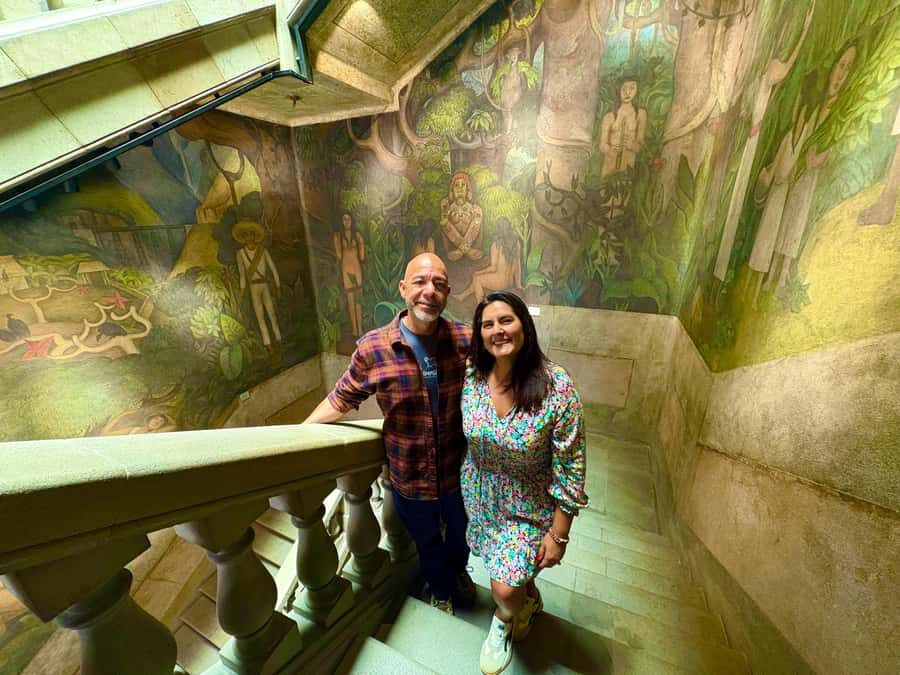
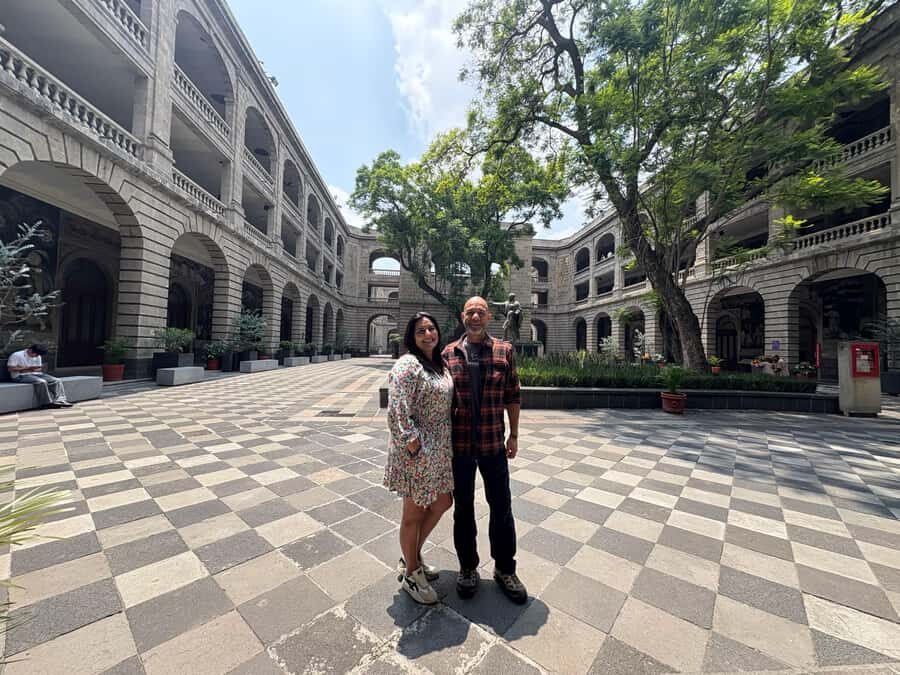
The longest stop is the Secretaría de Educación Pública (Edificio Anexo), with about 1.5 hours there. That time isn’t accidental. This building sits at the intersection of two things mural art loves: public institutions and social messaging.
Here’s what you should expect from the guide’s approach. You’ll slow down and look at how scenes are built—figures, crowds, work, symbols, and the way Rivera uses scale to make certain ideas feel inevitable. You’ll also hear how the post-Revolution environment helped create a moment when art became a tool for nation-building.
If you like history that doesn’t live in textbooks, this is your payoff stop. The mural language feels more direct when you’re standing inside a place tied to education. It makes the point harder to miss: these artists weren’t painting to stay safe. They were painting to shape public understanding.
Possible drawback: this is also the stop where you’ll feel the “walking tour pacing.” You’ll want to keep your energy up so you can truly absorb the longer viewing time.
The Palace of Fine Arts stop: formal art, public power
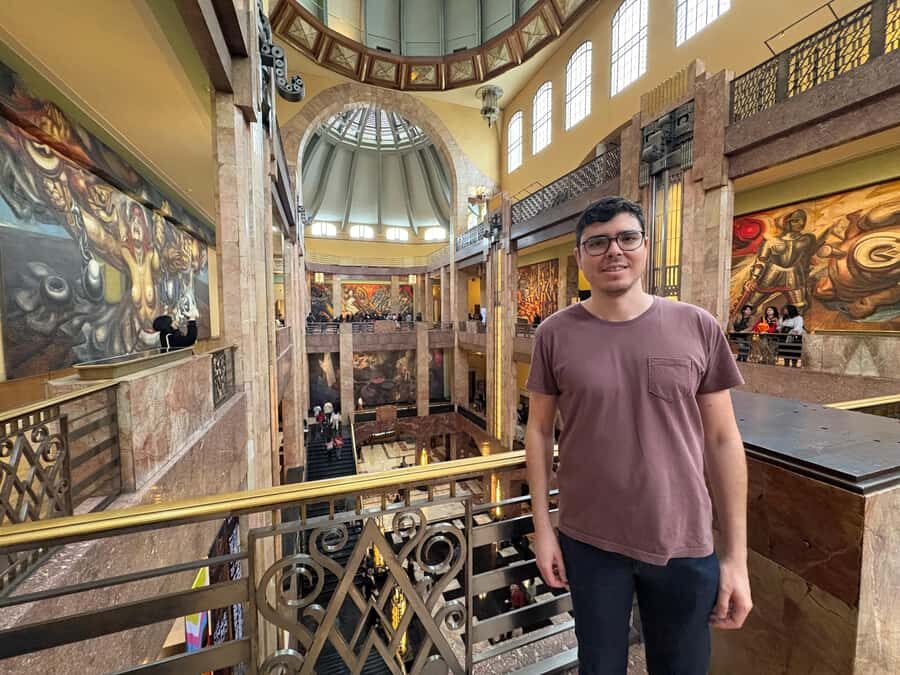
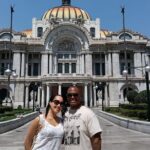
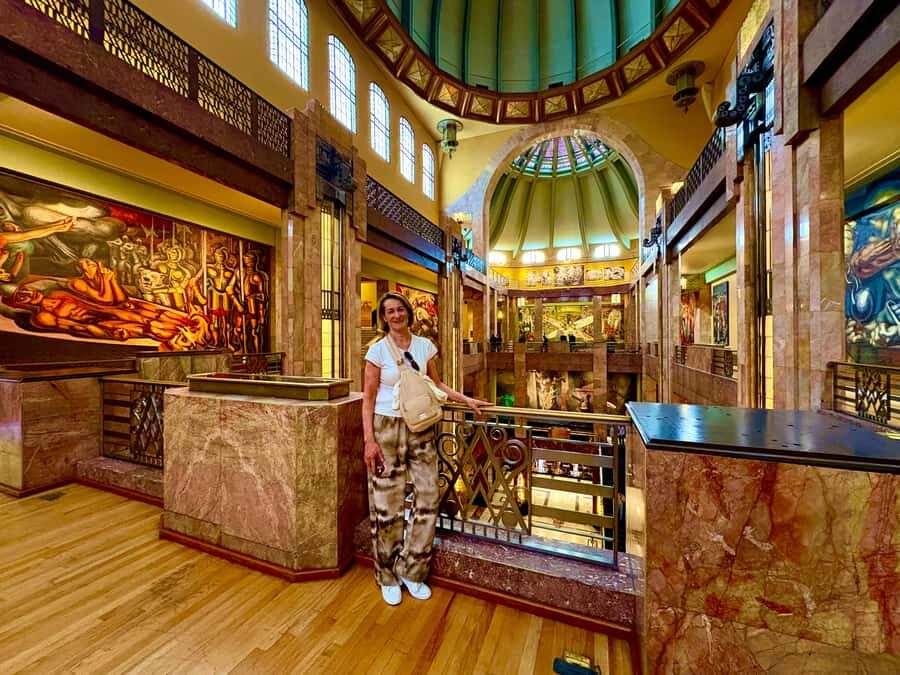
Next comes the Palace of Fine Arts (Palacio de Bellas Artes) for about 40 minutes. Even if you’ve seen this area before, the mural focus changes the experience. Instead of treating it as just an iconic building, you’ll use the stop to connect mural art with the cultural “center” of Mexico’s art world.
What I like about putting a mural-focused story in a landmark like this is contrast. It forces a question: why does public, political painting belong in the same conversation as major architecture and elite cultural spaces?
In a good guided format, that question becomes part of your viewing. You won’t just check off a location. You’ll understand why mural art became hard to ignore—and how Rivera’s vision fits into a wider shift in how Mexico showed its identity.
For practical planning, 40 minutes is enough for close looking, but it’s not a long sit. If you tend to wander, keep your eye on where the group is and let the guide steer you toward the key details.
Diego Rivera Mural Museum: seeing Rivera’s evolution in less time
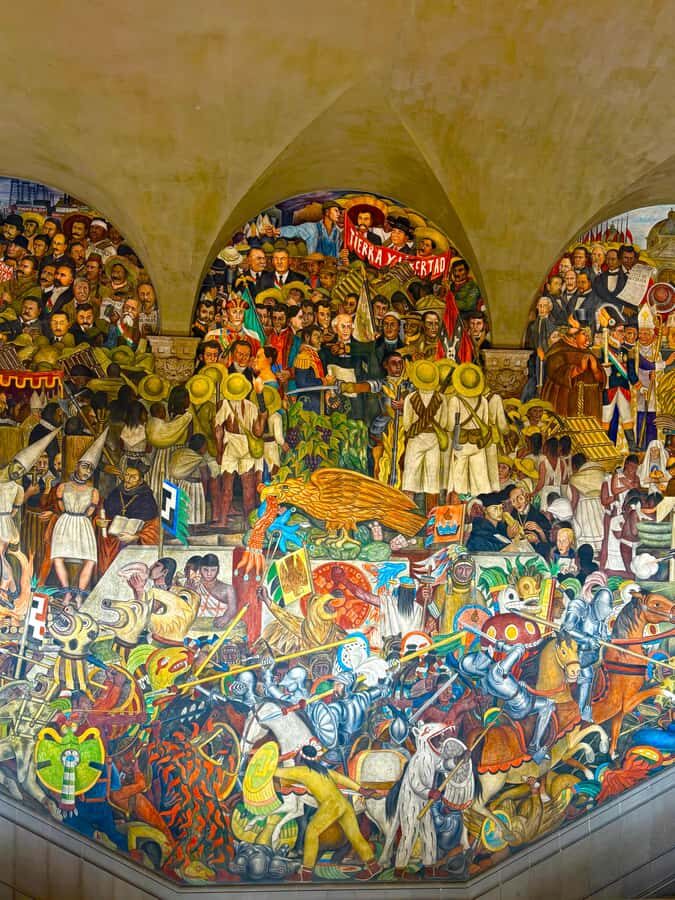
The final museum visit is the Diego Rivera Mural Museum for about 25 minutes. Short stop, yes—but this is where you can start seeing the bigger arc.
More than once, guides described structuring the tour as a progression, with examples of Rivera’s early work moving toward later work and showing how his style changed over time. That’s a smart way to run a mural tour. Murals can feel overwhelming if you treat them like isolated masterpieces. A guided “before and after” makes them click.
In this stop, I’d expect you to look for patterns: what themes keep showing up, how the figures are built, and how Rivera’s visual choices shift as his ideas and the political context evolve. Even in 25 minutes, a strong guide can help you make comparisons instead of just admiring.
If you’re a Rivera fan, this is where you’ll start connecting dots quickly. If you’re not a Rivera superfan yet, it’s still a good moment to ask questions—because the guide can tie what you’re seeing back to the Revolution-era goals that started the story.
You can also read our reviews of more guided tours in Mexico City

How guides like Jorge, David, Francisco, and Laila change what you notice
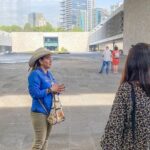
The tour’s big strength is the human part. In the feedback, guides like Jorge and David show up for the same reason: they care about the story behind the mural work, not just the art facts. That’s what turns murals from “big images” into “arguments you can read.”
You’ll also notice a pattern in how the best guides handle the pace. Some tours run slightly over the scheduled 3.5 hours when conversation and questions keep going. That’s not something to count on, but it’s a sign that the guide style is interactive.
Guides are also described as flexible. If a museum or access situation changes, the guide may adjust the route. One example from past experiences: Museo de Muralismo closures led to an alternate tour plan, and security rules affected access at a major site, with encouragement to catch up another way the next day. The key takeaway for you is simple: don’t fight the day. If plans shift, the guide will usually have a path forward.
Practical walking-tour reality in Mexico City
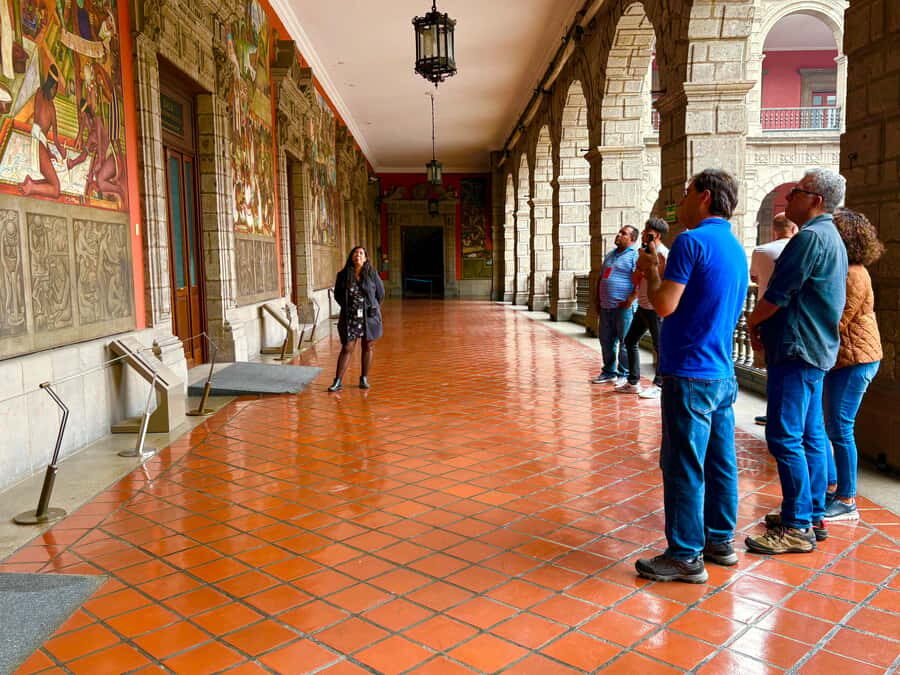
This is a walking tour, so plan for real sidewalks, real street crossings, and real “how far is left?” moments. Wear comfortable shoes. That’s not advice for tourists who only walk in museums. It’s advice because 3.5 hours adds up fast in Mexico City.
A few other practical points matter:
- Bring a passport or ID card (you may need it for museum entry)
- Transportation isn’t included, so think about how you’ll get to Museo Vivo del Muralismo
- Meals and drinks aren’t included, so either eat before or plan a snack afterward
- The tour is wheelchair accessible, but you should still plan for walking time on city surfaces
- The route can vary by availability and may change without notice due to circumstances beyond control
One more timing note: if you book a later starting slot, assume you’ll have less slack. Venues often close around 5:30–6:00, and a tight schedule can feel stressful. If your schedule allows it, choose an earlier departure so the guide can finish the story without racing.
Price and value: is $78 worth it?
At $78 per person for a 3.5-hour guided walking tour, the value question is really about what you get for your time. Here’s the math that matters:
- You’re paying for a guide who explains the politics, symbols, and context behind the murals
- You’re paying for access—museum ticket entrances are included
- You’re paying for time in three mural-centered stops, with the SEP building taking the longest viewing block
If you went solo, you’d still be able to see murals—but you’d spend a lot of time guessing what each detail is saying. A mural tour isn’t just “seeing art.” It’s learning how to read it. In this format, $78 starts to make sense because you’re buying interpretation and saved effort.
Also, the guide language options (Spanish, English, French, German) mean you’re not stuck with a one-size-fits-all experience. If you prefer your questions answered in your language, that adds real value.
In short: this is a good buy if you want a guided framework and you’re the type who looks longer when someone explains what to look for.
Who this tour is best for
This one works especially well if you:
- Want Mexican history told through art, not lectures or random plaques
- Love guided walking experiences where you ask questions
- Are curious about the political side of culture—how murals become public commentary
- Have limited time in Mexico City and want a focused route through key mural stops
If you hate walking, don’t like museums, or only want casual photo stops, you may find the pace too structured. But if you enjoy learning while you move, it’s a strong match.
Should you book this Diego Rivera walking tour?
I’d book it if you want your Mexico City mural time to come with meaning. The best part isn’t the locations—it’s the way the guide links Rivera’s images to the Mexican Revolution and the wider Los Tres Grandes movement. For $78, you also get museum entries that would cost extra on your own.
Book with one simple strategy: choose an earlier time slot if you can, and bring your ID and good shoes. If access changes on the day, treat it like part of the adventure and trust the guide to reroute.
If you’re into art that argues, this tour is a practical, worth-it way to read Mexico’s walls.
FAQ
How long is the Diego Rivera murals walking tour?
The tour lasts 3.5 hours.
Where do I meet for the tour?
You meet at Museo Vivo del Muralismo.
What are the main stops during the tour?
The tour includes visits to Secretaría de Educación Pública (Edificio Anexo), the Palace of Fine Arts, and the Diego Rivera Mural Museum, with Museo Vivo del Muralismo as the start and return point.
What is included in the price?
The price includes a guided tour, ticket entrance to all museums, and the cultural experience focused on Diego Rivera’s murals.
Is transportation included?
No. Transportation to and from the starting point isn’t included.
Are meals provided?
No. Meals and drinks are not included.
What do I need to bring?
Bring a passport or ID card.
What languages are the live guides available in?
The live guide is available in Spanish, English, French, and German.
Is the tour wheelchair accessible?
Yes, the tour is listed as wheelchair accessible.
Can the itinerary change on the day?
Yes. Experiences are subject to availability on the scheduled day and can vary due to circumstances beyond control.