REVIEW · MEXICO CITY
Mexico City at Night Walking tour with optional Torre Latino
Book on GetYourGuide →Operated by Amigo Tours LATAM · Bookable on GetYourGuide
Night in Mexico City has a pulse. On this guided 2-hour nighttime walk, you get that close-up feeling of moving through the streets like a local, and you also get the standout payoff of seeing Templo Mayor ruins lit up after dark. The one catch: it’s a real walking tour, so you’ll want comfortable shoes and warm layers if the weather turns.
I especially like how the guides keep it personal. I’ve seen routes led by Bernie, Andres, and Rubén—each bringing a different style, but all focused on making the history feel clear and the stops feel worth it (and yes, the Torre Latinoamericana night view can be a big reason people book). Consider that if you choose the version with the viewpoint ticket, you’ll spend a bit more time managing that final “up high” moment at the end.
In This Review
- Key Stops That Make This Night Tour Worth Your Time
- Why This Night Tour Works So Well in Mexico City
- Starting Point Options and What That Means for Your First 15 Minutes
- Palacio de Bellas Artes and Palacio de Correos: Architecture With Street-Level Clarity
- Madero Pedestrian Street, San Francisco, and the Azulejos Facade Moment
- Zócalo, Mexico City Cathedral, and the National Palace Front
- Templo Mayor Museum: Mexica Roots Lit From Above Ground
- Torre Latinoamericana: The Night View Finish Line
- Price and Value: What $36 Buys You (And What It Doesn’t)
- Who This Tour Suits Best
- Should You Book This Mexico City Night Walk With the Torre Option?
- FAQ
- How long is the Mexico City at Night walking tour?
- What is included in the price?
- Is the Torre Latinoamericana viewpoint ticket required?
- Where does the tour start?
- What languages are the tours offered in?
- What should I bring for a night walking tour?
Key Stops That Make This Night Tour Worth Your Time
- Templo Mayor ruins after dark: the Mexica core of power looks different at night.
- Palacio de Bellas Artes: a major cultural anchor before you hit the old streets.
- Historic-center architecture on foot: neoclassical and neocolonial styles show up fast once the lights come on.
- Zócalo and the National Palace front: you’ll see the political and spiritual heart of the city from street level.
- Torre Latinoamericana viewpoints: a skyline “finish line” with photo-friendly night views.
- English and Spanish live guides: you can ask questions and get answers in real time.
Why This Night Tour Works So Well in Mexico City
Nighttime is when Mexico City starts acting like a city instead of a map. The big monuments still get their spotlight, but you also notice the smaller details: lit facades, street life around major landmarks, and how neighborhoods “flow” into the historical center. That’s exactly what this tour is built for—a guided walk that connects the dots without turning the whole night into a museum marathon.
Two things I’d bet you’ll like right away. First, you’ll feel less like you’re passing through and more like you’re figuring out how the center is laid out. Second, the contrast between old Mexica ruins and modern skyline views hits hard when the sun is gone. You’re walking from the deep past to the Empire State–style silhouette of Torre Latinoamericana, which is a fun mental timeline if you like seeing how cities layer time on top of itself.
The main consideration is physical. It’s only about two hours, but it’s still footwork in the historic center. If you’re coming in from a long travel day, plan for an earlier night after the tour so your legs can recover.
You can also read our reviews of more walking tours in Mexico City



Starting Point Options and What That Means for Your First 15 Minutes
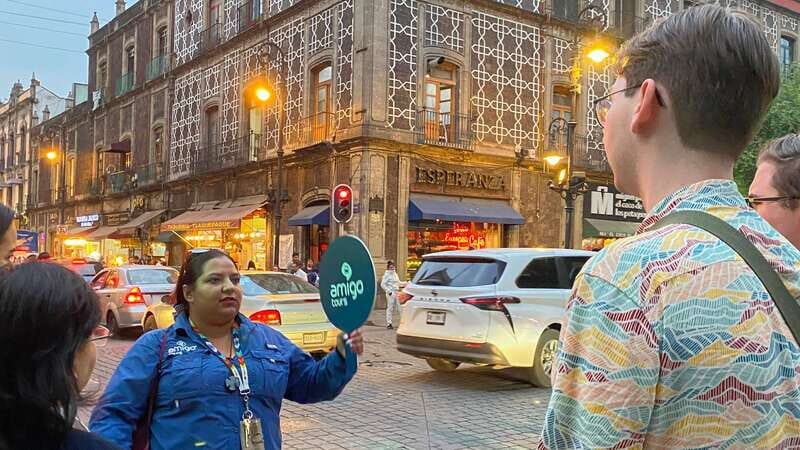
You’ll start from one of two meeting options, Av. Hidalgo 2 or Av. Hidalgo 3, depending on what you booked. The practical value here is flexibility: you’re not forced into one rigid pick-up style, and you can often match your start point to where you’re staying.
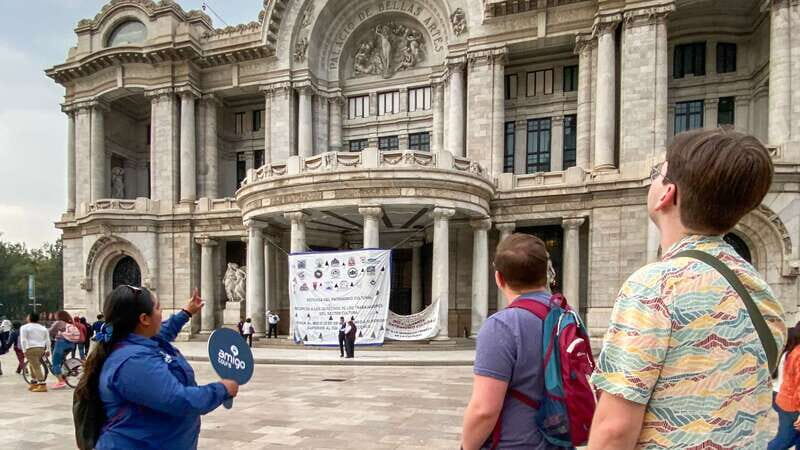
From there, you’ll head to the Palace of Fine Arts (Palacio de Bellas Artes), one of the most important cultural venues in Mexico City. Expect a short guided visit—around 15 minutes—so you get the “why it matters” context before you move.
Pace matters on a night walk. This isn’t slow wandering. It’s structured: you’ll get focused stops, then short walks between them. That keeps the tour moving even if you’re stopping for photos or quick looks at lit architecture.
If you’re doing this as your first full evening in town, this start point setup is a plus. It helps you get oriented fast—what’s walkable, where the big plazas and streets sit, and how the center connects.
Palacio de Bellas Artes and Palacio de Correos: Architecture With Street-Level Clarity
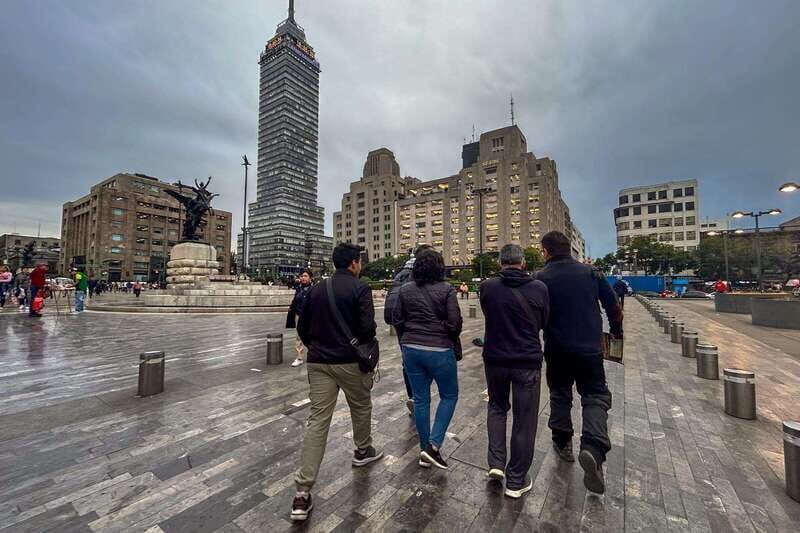
The tour uses strong “anchor” landmarks early, and that’s smart. Palacio de Bellas Artes sets the tone with a major cultural presence right at the beginning. Even if you only get a brief look, you’ll come away knowing why it’s considered central to Mexico City’s public life.
Next up is the Palacio de Correos de México (the National Post Office). You’ll get about 15 minutes there as well. The standout here is architecture: you’re not just seeing a pretty building; you’re seeing the neoclassical styling called out in the route. Night lighting tends to make stonework and columns look more dramatic, and that makes the design easier to notice even during a short visit.
A small practical note: these are stop-and-look moments. If you prefer long interior museum time, this tour may feel more like an excellent orientation walk with highlights, rather than a deep museum day. The trade-off is that you’ll see many major sites in one evening.
Madero Pedestrian Street, San Francisco, and the Azulejos Facade Moment
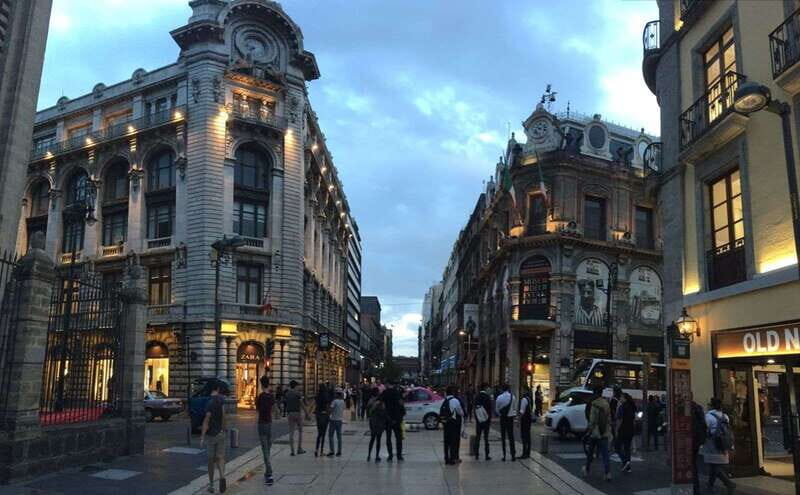
Once you leave the early anchors, the tour shifts into “historic-center living.” You’ll walk down the Avenida Francisco I. Madero pedestrian street, one of the key corridors in the historical area. About 15 minutes of guided time here helps you connect the street to the surrounding landmarks so it doesn’t just feel like a corridor you pass through.
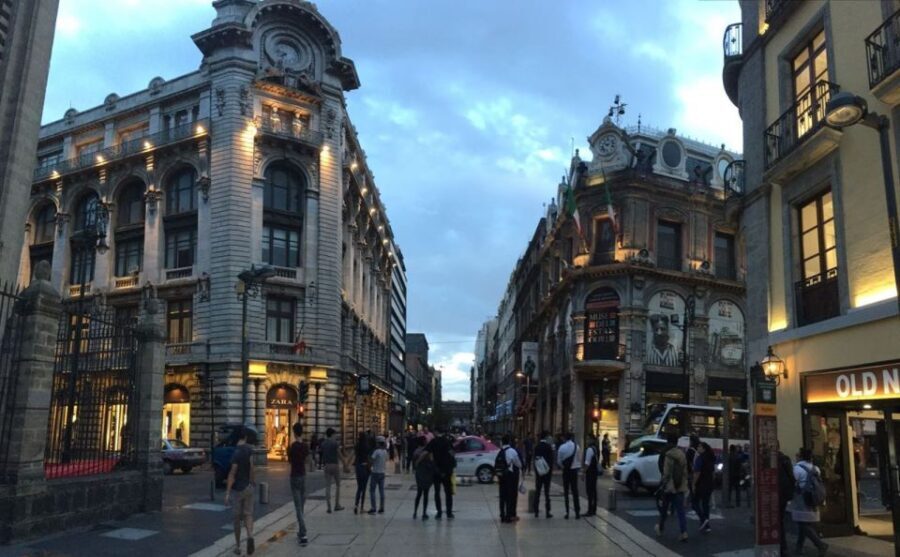
Then comes a quick hit of atmosphere: the Church of San Francisco and nearby cultural stops. You’ll get brief sight time for these, including a look at the Banamex Culture Palace and then the famous Casa de los Azulejos.
The Azulejos stop is worth paying attention to because it’s one of those facades that looks like a postcard even before you know its story. At night, the patterned surface reads differently—lighter, sharper, more textured against the dark street. The guide’s job here is to give you the context so you’re not just taking photos; you’re understanding why this building became such a recognizable symbol.
One drawback to know: these are short “glance and learn” stops. If you’re the kind of person who wants to linger for 30–45 minutes per site, you’ll need to add extra time on your own another day.
Zócalo, Mexico City Cathedral, and the National Palace Front
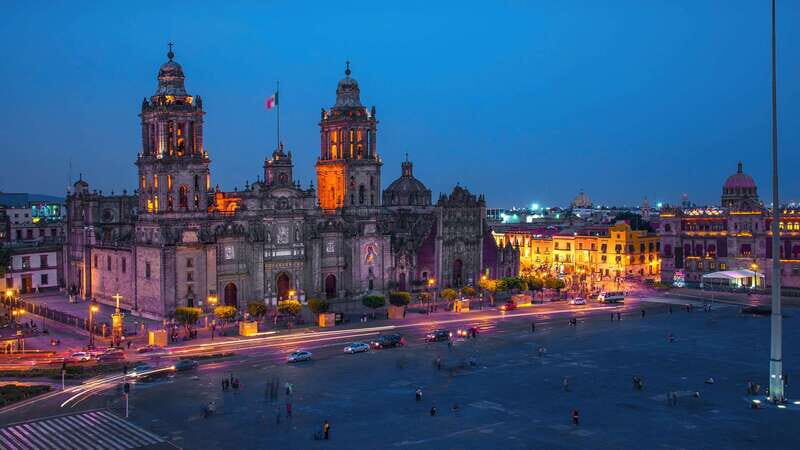
This is where the tour hits the political and spiritual center of the city. You’ll spend about 20 minutes at the Zócalo, Mexico City’s main square, with guided time that helps you interpret what you’re seeing. The Zócalo hotel is mentioned in the route for a reason: its neocolonial style shows up clearly in the night view, and it helps you read the square as a blend of eras.
From there, you’ll look at the UNESCO World Heritage Mexico City Metropolitan Cathedral and then move to the National Palace area, where the official residence of the President of Mexico is located. You’ll get guided sight time for the National Palace as part of the walking flow.
What I like about this section is that the “big buildings” aren’t just backdrops. You’re walking past them with an explanation of what they represent, which makes the scale feel less overwhelming. When you see the Cathedral, then shift your gaze to where power is administered, the center starts to feel like one connected space instead of disconnected monuments.
If you’re sensitive to crowds, note that the Zócalo area can be busy in general. This tour is timed and guided, so you’re not wandering blindly—but it’s still wise to expect a lively square environment at night.
You can also read our reviews of more city tours in Mexico City
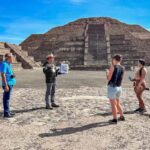


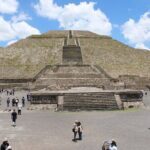


Templo Mayor Museum: Mexica Roots Lit From Above Ground
After the square and palace area, the tour transitions from architecture and governance to something more foundational: the Templo Mayor Museum and the ruins associated with the Mexica people.
You’ll get guided museum time (about 10 minutes) and then additional on-foot time around the area. The key experience here is seeing the main temple ruins contextually, not just from a distance. Night changes perception—stone and layout lines stand out, and you can often focus better when the lights help define shapes.
This is one of those stops where the guide’s narration really matters. Without explanation, ruins can feel like “old rocks.” With the right framing, they become a clue about how the city’s center worked—religious power tied to civic space.
Practical consideration: museums and ruins areas may involve uneven ground and low light conditions. Bring shoes you trust and don’t count on perfect visibility underfoot. You’re walking, so treat this section like part of the “workout,” not like a calm sit-down break.
Torre Latinoamericana: The Night View Finish Line
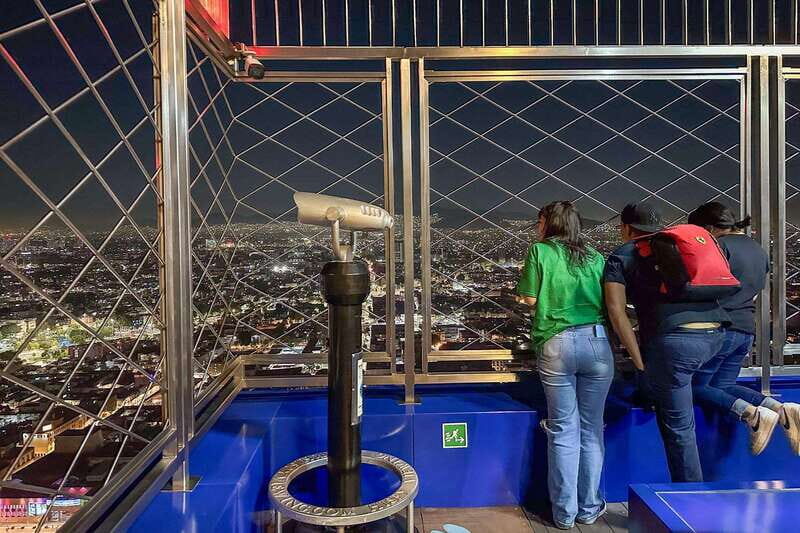
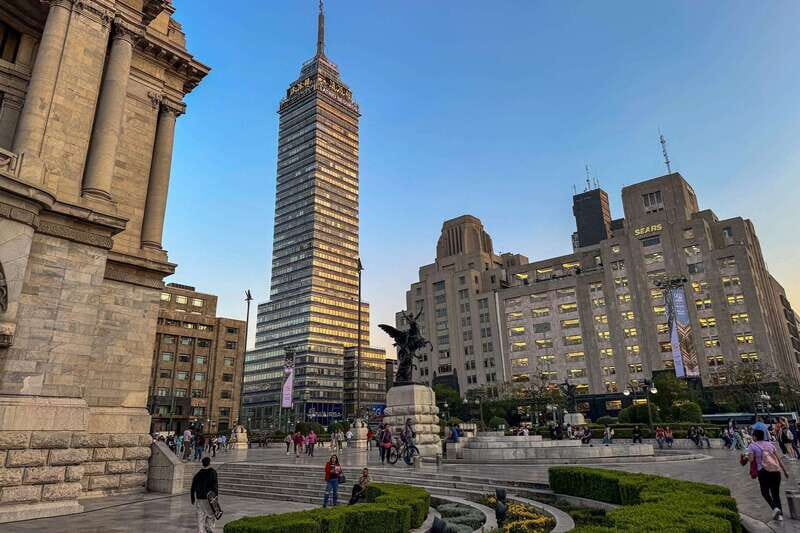
The final moment is the Torre Latinoamericana, a 44-floor skyscraper inspired by New York’s Empire State Building. The tour ends here, and you’ll have around 30 minutes for photo stops, sightseeing along the way, and then night views.
You can choose between:
- a version with a ticket to the viewpoint on the top floor, or
- a version without the viewpoint ticket.
I like that the tour gives you options, because the value math changes based on what you want. If you care most about seeing the skyline and getting that classic Mexico City photo from above, the viewpoint ticket option makes sense. If you just want the exterior, the walk-up is still a satisfying finale.
Night views from a tall building can help you understand scale. You’ll see how the city sprawls and how the historical center fits into the broader urban map. It’s a good ending brain-reset after all the architectural walking earlier in the evening.
One more reason this stop gets attention: the engineering story. In a private-tour context led by Andres, the Torre experience included talk about its earthquake-resistant design, with a personal connection to civil engineer Adolfo Zeevert. Even if you don’t hear that exact story, you’re likely to get some explanation of why this tower matters beyond being tall.
Price and Value: What $36 Buys You (And What It Doesn’t)
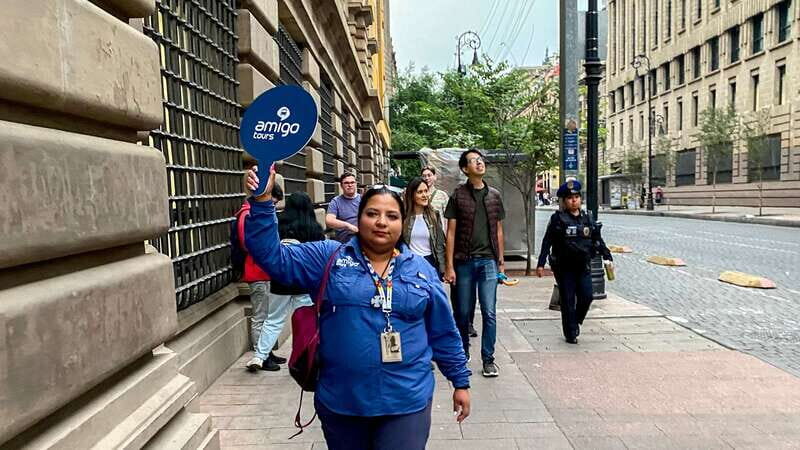
At $36 per person for about two hours, this tour can be excellent value if you want orientation plus standout landmarks. Here’s what you’re paying for:
Included:
- a live guide
- a walking tour
- the Torre Latinoamericana viewpoint ticket if you choose the ticketed option
Not included:
- food and drinks
- hotel pickup/drop-off
The value part is really about concentration. For $36, you get a guided route through major sites you’d otherwise spend time assembling yourself—then you get a night skyline payoff at Torre Latinoamericana. That’s especially useful if it’s your first trip and you’re trying to see the “headline” locations quickly.
If you’re trying to go ultra-budget with your evenings, remember the tour is focused on sights, not meals. Plan a dinner either before or after, and keep your energy up so you don’t end the night rushing.
Who This Tour Suits Best
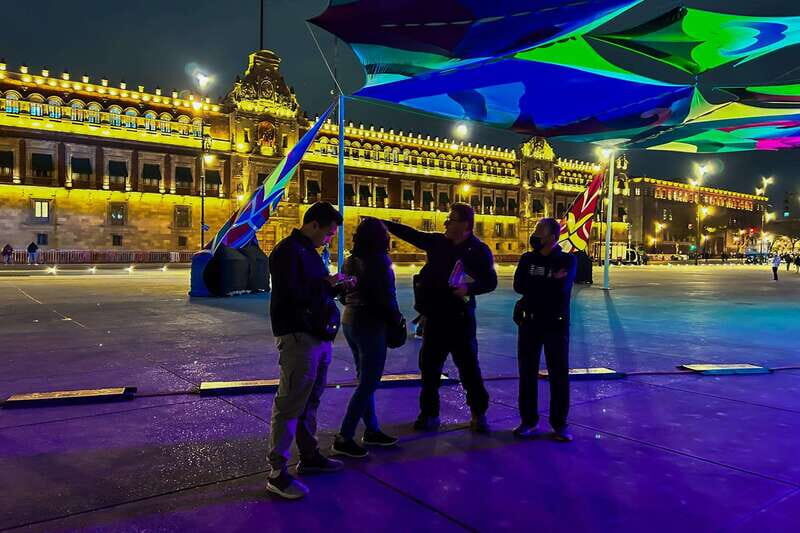
This tour is a strong fit if you:
- want an easy first-night orientation to the historic center
- like architecture and want it pointed out for you, not guessed
- want a night view at the end without planning it yourself
- prefer live Q&A with guides in English or Spanish
It also works well for families and mixed-age groups because the tour is short enough to keep most people comfortable. If you need a bit more control, a private group option is available, and guides have shown flexibility in private settings—one guide, Andres, was able to rework stops to end the tour at a hotel.
If you hate walking, you’ll feel the effort. But if you’re okay with 2 hours on foot and you like seeing how places look after dark, it’s a good match.
Should You Book This Mexico City Night Walk With the Torre Option?
I’d book it if you want your night to feel structured and meaningful. The route is built around big-ticket places—Templo Mayor, Zócalo, the National Palace area, and Torre Latinoamericana—while still giving you that “streets at night” sensation that makes the city feel real.
Choose the Torre viewpoint ticket option if skyline views are a priority for you. Pick the no-ticket version if you mainly want the walk-through experience and photos from outside.
Skip this tour (or add more planning time) if you’re expecting lots of long indoor stays or you don’t do well with uneven footing in low light. Otherwise, this is one of the nicer ways to see Mexico City at night: guided, focused, and ending with a view that actually helps you remember what you saw.
FAQ
How long is the Mexico City at Night walking tour?
The tour lasts 2 hours.
What is included in the price?
The tour includes a guide and a walking tour. A ticket to the Torre Latinoamericana viewpoint is included if you choose the ticketed option.
Is the Torre Latinoamericana viewpoint ticket required?
No. You can choose a version with a ticket to the top-floor viewpoint or a version without viewpoint tickets.
Where does the tour start?
Meeting point may vary depending on the option booked, with starting locations listed as Av. Hidalgo 2 and Av. Hidalgo 3.
What languages are the tours offered in?
The live tour guide is available in English and Spanish.
What should I bring for a night walking tour?
Bring comfortable shoes, warm clothing, and rain gear.