REVIEW · MEXICO CITY
Walking Tour in Historic Center CDMX
Book on Viator →Operated by Educando con Cultura · Bookable on Viator
Mexico City compresses centuries into blocks you can walk in a morning. This 2.5 to 3+ hour route strings together art, power, and everyday life, from the Diego Rivera mural museum to Templo Mayor’s models of Tenochtitlan. I especially like the way the guide connects what you see to the country’s changing ideas, and I like that many stops include admission so you’re not paying again and again. One heads-up: you’re moving fast at each site, so this is not for people who want long, slow museum time.
You’ll start at the Museo Mural Diego Rivera and end at the Templo Mayor Museum. The tour runs in English, uses a mobile ticket, and keeps groups to 25 travelers max. If you hate crowds, go earlier in the day and wear comfortable shoes—you’ll be on foot across the Centro Histórico streets.
In This Review
- Key Highlights I’d Prioritize
- Price and Logistics: What $83.64 Gets You
- Meet at Museo Mural Diego Rivera, Then Follow the Center’s Time Warp
- Stop 1: Museo Mural Diego Rivera and the Politics Behind the Paint
- Stop 2: Alameda Central, the Park That Shaped Public Life
- Stop 3: Palacio de Bellas Artes, the City’s Big Stage
- Stop 4: Palacio Postal and Porfirio Díaz’s Modernization Project
- Stop 5: Palacio de Minería and Why Silver Still Echoes
- Stop 6: Museo Nacional de Arte and a Sculptor’s One-Hand Detail
- Stop 7: Teatro de la Ciudad and the Tragic Esperanza Iris
- Stop 8: Centro Cultural España en México and the School for Aztec Nobles
- Stop 9: Museo del Templo Mayor and How Tenochtitlan Was Built
- Pace, Timing, and Getting the Most Out of Short Stops
- What to Expect From Your Certified English Guide
- Comfort Tips for a Walking Tour in the Centro Histórico
- Should You Book This Walking Tour of Historic Center CDMX?
- FAQ
- What’s the meeting point for the tour?
- Where does the tour end?
- How long is the walking tour?
- Is the tour offered in English?
- What’s the price per person?
- Are tickets or admissions included?
- What’s included in the tour besides the places you visit?
- What should I budget for food during the tour?
- Are tips included?
- Can I get confirmation after booking?
- Are there accessibility or animal policy details?
Key Highlights I’d Prioritize
- A guided timeline you can follow: modern Mexico to Aztec foundations, all in one walking circuit
- Admissions handled for you: multiple sites include ticket entry, with a few stops free
- Tenochtitlan explained with models: you’ll see the Aztecs’ city-building logic and worldview laid out clearly
- Contrasts are the point: bright artistic landmarks and darker historical threads in the same loop
- English guidance that adjusts to your pace: guides have handled families and slower walkers well
- Small-group feel: capped at 25 so questions don’t get lost
Price and Logistics: What $83.64 Gets You
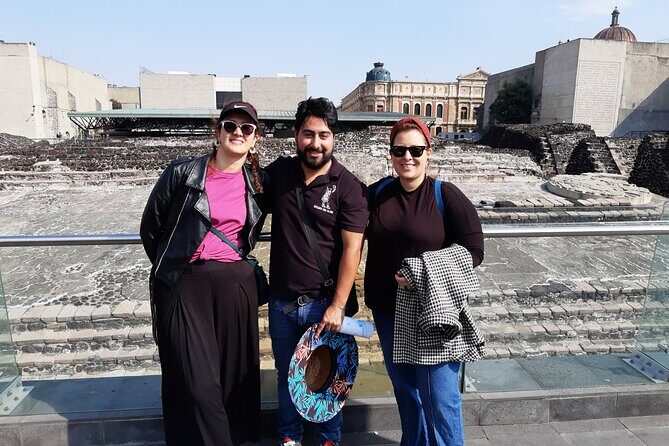
At $83.64 per person, this tour isn’t just a “walk and talk.” It’s priced like a guided circuit where you’re buying time, context, and access. Several stops include admission tickets, which matters in Mexico City because museums and iconic buildings can add up quickly on your own.
The duration runs about 2 hours 30 minutes to 3 hours 10 minutes, so think of it as a high-impact sampler. You’ll cover a lot of real places—then leave with enough understanding to know what’s worth your extra hours later (and what you can skip).
The one practical downside is the same thing that makes it good value: you’ll spend limited time inside each venue. If your vacation style is “linger and read every label,” you’ll probably want a follow-up visit on a different day.
You can also read our reviews of more walking tours in Mexico City



Meet at Museo Mural Diego Rivera, Then Follow the Center’s Time Warp
The start point is the Museo Mural Diego Rivera, Calle Colón Balderas s/n, Colonia Centro (Cuauhtémoc), right in the Centro area. The end point is the Templo Mayor Museum, Seminario 8, Centro Histórico de la Cdad. de México.
The route is designed to travel through ideas in chronological order. It starts with Mexico’s more recent political and cultural shifts, then moves toward older origins at the end. That structure is helpful because the Centro can feel like one big museum district—this tour gives it a storyline.
You’re also close to public transportation, and service animals are allowed. Since it ends at Templo Mayor, you’re in a very transport-friendly zone for heading back to neighborhoods afterward.
Stop 1: Museo Mural Diego Rivera and the Politics Behind the Paint
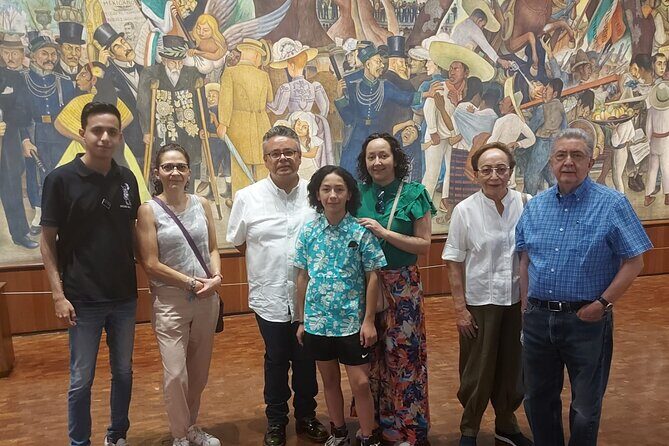
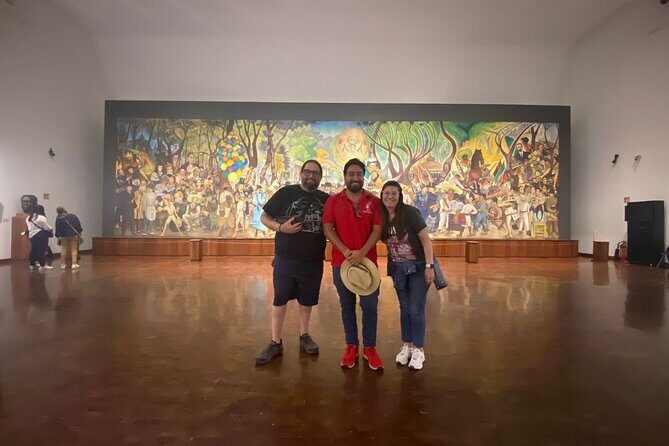
Your first stop is the Museo Mural Diego Rivera, with about 25 minutes on the schedule and admission included. This is a strong opener because it frames the visit with the idea that art isn’t neutral. The mural includes a censored line attributed to Diego Rivera: God does not exist. The guide explains the characters who changed Mexico’s political, cultural, and ideological history.
What I like about starting here is how quickly it gives you a lens for everything that follows. Later, when you see grand state buildings and religious-era remnants, you’ll recognize the larger story behind them: power, ideology, and public life shaping architecture.
A practical note: the tour gives you context, not full immersion. So if you’re the type who wants to read every panel slowly, treat this as orientation and save deep reading for your own time.
Stop 2: Alameda Central, the Park That Shaped Public Life
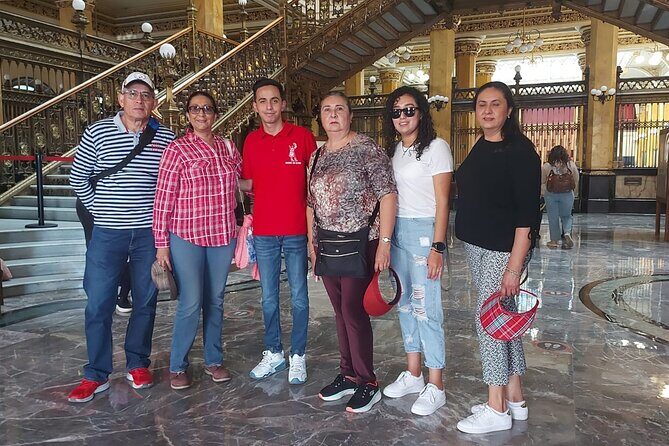
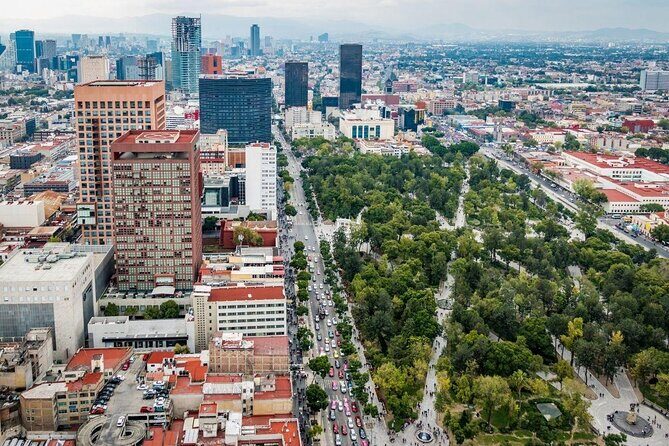
Next comes Alameda Central, around 10 minutes, admission included. You’ll see classical sculptures and get a look at how city life connects to public space.
Alameda Central matters because it’s described as the first public park in America. That’s not just trivia—it helps you understand why later civic spaces in Mexico City feel so formal and planned. This stop is short, but it gives you a mental “breathing space” between museum-heavy moments.
If your legs are tired, this is the kind of pause that still feels meaningful. You’re not stuck standing in line; you’re watching how the city holds public art in everyday sightlines.
Stop 3: Palacio de Bellas Artes, the City’s Big Stage
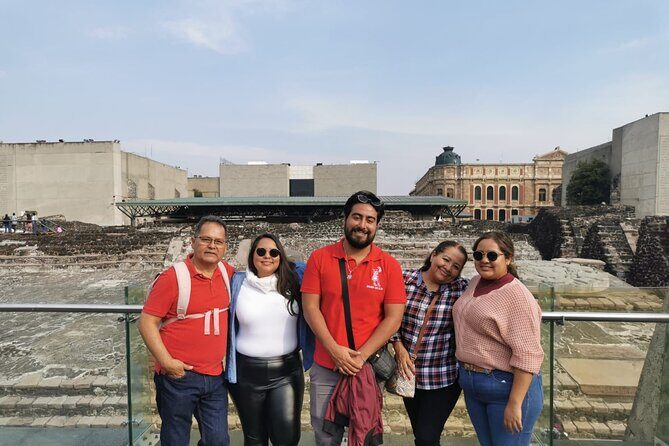
At Palacio de Bellas Artes, you get about 20 minutes, with admission included. This is framed as the most emblematic place in the city, and the tour highlights how the building’s history connects to the way people experience Mexico City day to day.
The best way to think about this stop is contrast. The tour description calls out light places and dark ones. In practice, you’ll be in a landmark that’s known for artistic prestige, while the overall route keeps shifting toward moments where history gets heavier.
If you’re visiting in a season when the palace area draws lots of foot traffic, go in with a flexible mindset. You’ll see the highlights with the group, then decide if you want a second visit for slower photos and more reading.
You can also read our reviews of more historical tours in Mexico City






Stop 4: Palacio Postal and Porfirio Díaz’s Modernization Project
Palacio Postal is next, about 15 minutes, admission included. This building is tied to Porfirio Díaz’s effort to beautify and modernize Mexico City.
Even if you’ve seen “grand historic buildings” elsewhere, this stop tends to land because it’s specific. You’re looking at architecture created for an image of progress—at a time when Mexico’s political direction was changing in real ways. The guide uses it to connect that ideology to what you see in front of you.
If you like figuring out how governments use design to send messages, you’ll probably enjoy this. If you don’t, focus on details you can identify quickly: the building’s statement scale and the sense that this was built to impress.
Stop 5: Palacio de Minería and Why Silver Still Echoes
Then it’s Palacio de Mineria for about 10 minutes (admission included). The tour ties the building to Mexico leading silver exports—an economic fact that still helps explain why certain institutions and architectural projects got funded.
This stop is brief, but it’s a reminder that wealth and trade don’t just affect money—they shape what cities choose to preserve as monuments. You’re seeing how an industry can leave a physical legacy, not just a historical footnote.
Stop 6: Museo Nacional de Arte and a Sculptor’s One-Hand Detail
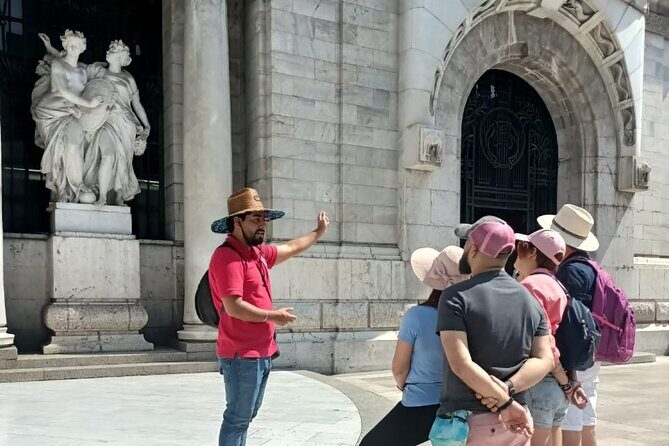
Next is Museo Nacional de Arte, around 10 minutes with admission included. You’ll go inside to see a sculpture noted for being made with one hand, along with attention to architectural details.
This is one of those stops where the time limit can be a benefit. You’re not asked to become an art student for 60 minutes. Instead, you’re guided to a specific focal point—the one-hand detail—and to how the building itself supports the art experience.
If you like practical art viewing—where someone points you to the exact thing to notice—this stop works well. If you’re an art super-reader, you’ll likely want follow-up time on your own later.
Stop 7: Teatro de la Ciudad and the Tragic Esperanza Iris
At Teatro de la Ciudad, the stop runs about 15 minutes, and it’s free (no admission ticket included). The tour focuses on the history of theater in Mexico and tells the tragic story of Esperanza Iris. Across from the theater, you’ll also look at an 18th-century asylum for women labeled as insane.
This is a “dark thread” moment in the tour’s contrast theme. The connection between performance history and the harsh realities around women gives the stop more weight than you might expect from the exterior.
If you prefer your history told with empathy and story, this is a highlight. It also helps you understand that Centro Histórico spaces weren’t only made for culture—they were shaped by social control, too.
Stop 8: Centro Cultural España en México and the School for Aztec Nobles
Next is Centro Cultural España en México for about 20 minutes, also free. Here you go down to see ruins connected to a school for the sons of Aztec nobles. The tour frames this as going down into an underworld, which matches the feel of stepping into archaeology and layered uses.
This stop matters because it shows the Aztec story in a place shaped by later eras. You’re not seeing one single time period cleanly preserved—you’re seeing how history stacks.
Don’t expect a long archaeological lesson in one stop. You’ll get the essential connections: what the location used to mean and how it fits into the larger story the tour is building toward.
Stop 9: Museo del Templo Mayor and How Tenochtitlan Was Built
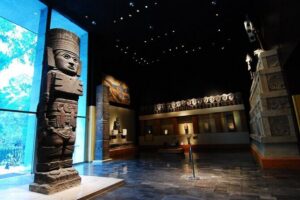
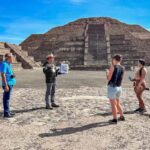
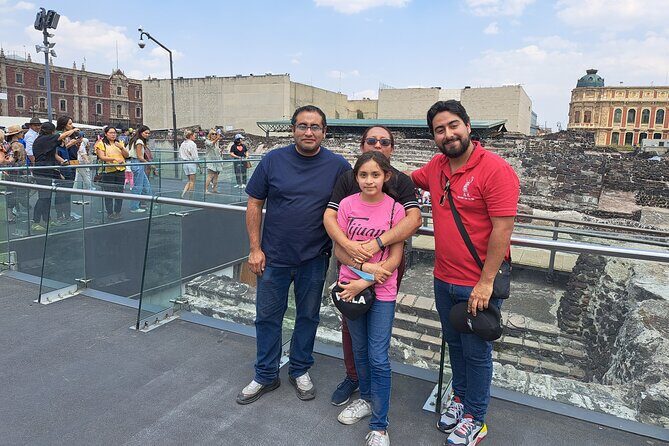
The final stop is Museo del Templo Mayor, about 25 minutes, free. This is where the tour ties everything together, using models to explain how the Aztecs built Tenochtitlan, their worldview, sacrifices, and how the conquest was achieved.
This is the emotional end of the route. Models can sound like “just replicas,” but in this context they help you grasp city layout and cause-and-effect. You start to see how religious worldview and political power were linked, then how conquest played out against a whole system, not just one battle.
The tour ends by explaining from the outside the history of the main temple—so you finish with a sense of place, not only indoor displays.
Pace, Timing, and Getting the Most Out of Short Stops
This tour is built for motion. Each place gets a focused slot—enough to understand the point, not enough to master the details. Guides have managed time well on the route, including adapting pace for people in their 60s and 70s.
Here’s how to make that work for you:
- Bring questions you can ask in the first few minutes at each stop, not after 20 minutes of wandering.
- If you’re sensitive to crowds, book earlier in the day to help avoid congestion around major landmarks.
- If a stop clicks with you, plan a return visit after the tour. The route is ideal for choosing what deserves your extra time.
You’ll also want to read the group vibe before you slow down. With a maximum of 25, it usually stays manageable, but you’ll still be walking in a pack through busy Centro streets.
What to Expect From Your Certified English Guide
This experience includes a certified guide, offered in English. From the guide style described by real participants, the common strengths are clear communication and smart time management.
You might have a guide named Delta, Diego, Jorge, or Jaime. Across those guides, you can expect someone who answers questions and stays friendly, including adjusting the route pacing when needed. One guide even provided practical lunch ideas after the tour and pointed out an Uber-friendly way back for people heading toward Roma.
So if you want more than sightseeing—if you want understanding that sticks—this tour leans in that direction.
Comfort Tips for a Walking Tour in the Centro Histórico
You’re in a dense part of Mexico City, so walking comfort matters. I suggest:
- Wear shoes you’re happy to wear for a few hours on uneven pavement and crowded sidewalks.
- Keep your phone battery charged since the tour uses a mobile ticket.
- If you’re planning a meal afterward, use your guide’s recommendations while they’re fresh—they know what’s nearby and workable after the tour ends.
If you’re traveling with mobility needs, this is labeled as most travelers can participate, and service animals are allowed. Still, it’s a walking tour, so it’s smart to plan your day around shorter stops and regular pacing.
Should You Book This Walking Tour of Historic Center CDMX?
I think you should book it if you want a fast, guided “big picture” through Mexico City’s center. It’s a strong choice for first-timers, history-curious people, and anyone who likes art and architecture connected to real political and social change.
Skip it if you’re the type who wants long interior time at a single museum or if you want to read everything at your own speed. This tour is made to cover a lot, then let you choose what to revisit.
One more practical thought: if you’re trying to keep costs down, this tour often makes sense because many admissions are included while the schedule still stays tight. And because it ends at Templo Mayor, you’re perfectly set up to explore that area further on your own afterward—without having to backtrack across the city.
FAQ
What’s the meeting point for the tour?
The tour starts at Museo Mural Diego Rivera, Calle Colón Balderas s/n, Colonia Centro, Centro, Cuauhtémoc, 06040 Ciudad de México, CDMX, Mexico.
Where does the tour end?
The tour ends at Templo Mayor Museum, Seminario 8, Centro Histórico de la Cdad. de México, Centro, Cuauhtémoc, 06060 Ciudad de México, CDMX, Mexico. The tour finishes by explaining from the outside the history of the main temple.
How long is the walking tour?
It runs about 2 hours 30 minutes to 3 hours 10 minutes.
Is the tour offered in English?
Yes. The tour is offered in English.
What’s the price per person?
The price is $83.64 per person.
Are tickets or admissions included?
Admission is included for some stops: Museo Mural Diego Rivera, Alameda Central, Palacio de Bellas Artes, Palacio Postal, Palacio de Mineria, and Museo Nacional De Arte. Other stops are free: Teatro de la Ciudad, Centro Cultural España en México, and Museo del Templo Mayor.
What’s included in the tour besides the places you visit?
A certified guide is included.
What should I budget for food during the tour?
Lunch food and drink are not included.
Are tips included?
Tips are not included.
Can I get confirmation after booking?
You receive confirmation at the time of booking.
Are there accessibility or animal policy details?
Service animals are allowed, and the tour is near public transportation. Most travelers can participate. There is a maximum of 25 travelers.