REVIEW · MEXICO CITY
Walk around UNAM campus, a UNESCO World Heritage Site
Book on GetYourGuide →Operated by Joaquin Diez Canedo · Bookable on GetYourGuide
UNAM turns architecture into a living lesson. In just 3 hours, you walk Mexico City’s UNESCO-listed Ciudad Universitaria and see how mid-century design and a dramatic, rocky setting create a campus you can’t forget. The big draw is the chance to spot the most famous murals while you move through real university space.
My favorite part is the stop at Juan O’Gorman’s Central Library and the way the guide connects what you see to student life, politics, and everyday Mexico. The tour is led by Sebastián (often a former UNAM student), and he also answers tons of questions without rushing you. One catch: it’s a 4 km walk, and finding a toilet can be tricky—so wear comfortable shoes and plan ahead.
In This Review
- Key moments you’ll remember
- UNAM Ciudad Universitaria: UNESCO modernism where students actually live
- Meeting at Estadio Olímpico Universitario: the easiest start point
- The 4 km walk in 3 hours: how to pace it without stress
- Murals by Rivera and Siqueiros: why the art looks different in person
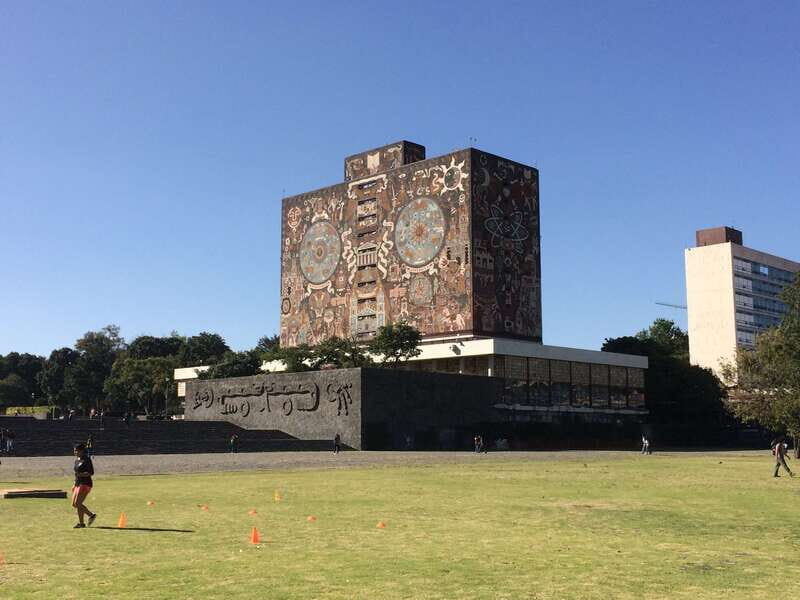
- Juan O’Gorman’s Central Library: architecture you can read
- Modernist architecture at UNAM: the mid-century story in concrete and angles
- Student life and politics: the part most visitors overlook
- Practical tips so your 3 hours go smoothly
- Price and value: is $76 worth it?
- Who should book this tour (and who might skip it)
- Should you book the UNAM campus tour?
- FAQ
- How long is the UNAM campus tour?
- Where is the meeting point?
- How do I get there by public transit?
- Is the tour wheelchair accessible?
- How much walking is involved?
- What’s included in the price?
- Is food or drinks included?
- What languages are the live guides?
- Does the tour run in bad weather?
- Is hotel pickup included?
Key moments you’ll remember
- UNESCO Ciudad Universitaria in the 1950s modernist era, set on uneven volcanic ground
- Diego Rivera and David Alfaro Siqueiros murals that you can view in context, not just as images
- Juan O’Gorman’s Central Library, a design landmark you’ll understand by walking right up to it
- Sebastián’s UNAM perspective, including how campus life connects to Mexico’s wider social issues
- A tour pace built for questions, with plenty of time to ask about architecture, symbolism, and student life
UNAM Ciudad Universitaria: UNESCO modernism where students actually live
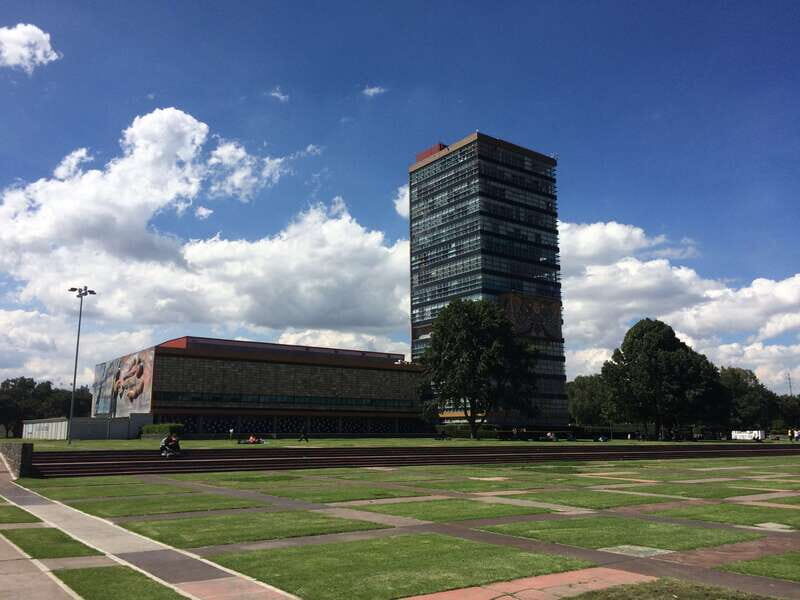
UNAM is one of those places where “historic” feels too small a word. Yes, it’s a UNESCO World Heritage Site, but it’s also a working university with lectures, workshops, and daily rhythms. That matters because the buildings and murals aren’t museum props. They sit in a living context.
What you’ll notice fast is the contrast: clean modernist lines mixed with a rough, volcanic kind of ground. The campus rises and bends with the terrain instead of flattening it. That physical reality is part of the story the tour explains—why the campus looks the way it does, and why the art placed across it feels meant for public life.
You’ll also get the mid-century context. The campus was built in the 1950s, a period when the cultural connection between Mexico and the United States felt especially close. The guide uses that backdrop to explain why the university became a stage for modern ideas: architecture that looks forward, paired with murals that argue for meaning, identity, and society.
You can also read our reviews of more walking tours in Mexico City



Meeting at Estadio Olímpico Universitario: the easiest start point
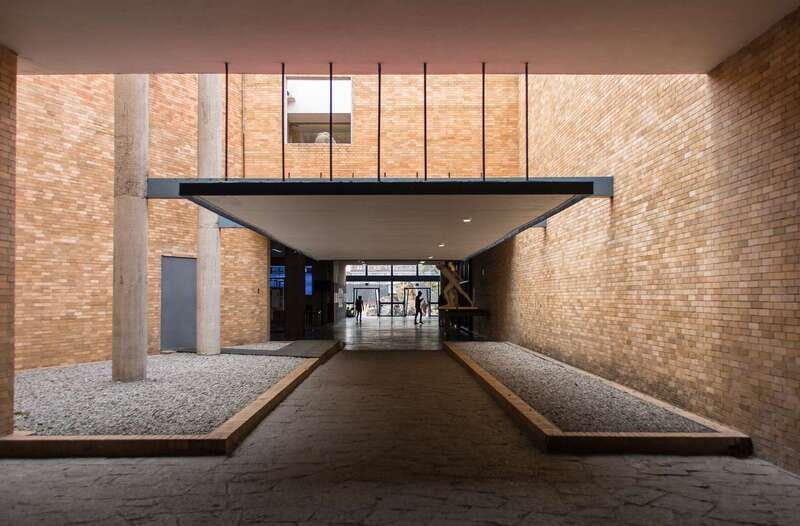
You’ll meet in front of the Estadio Olímpico Universitario. It’s a smart meeting point because it’s recognizable and you start your walk already oriented to the campus area.
Getting there is straightforward:
- If you’re coming by Uber, expect around 30 minutes from Condesa or Roma (depending on traffic).
- By Metrobús line 1, exit at Dr. Gálvez Station, then walk south of Avenida Insurgentes for about 10 minutes.
Practical tip: give yourself a little buffer. UNAM is spread out, and you’ll be starting a walking tour. Arriving early helps you settle in, use the restroom if you can, and start at a relaxed pace.
The 4 km walk in 3 hours: how to pace it without stress
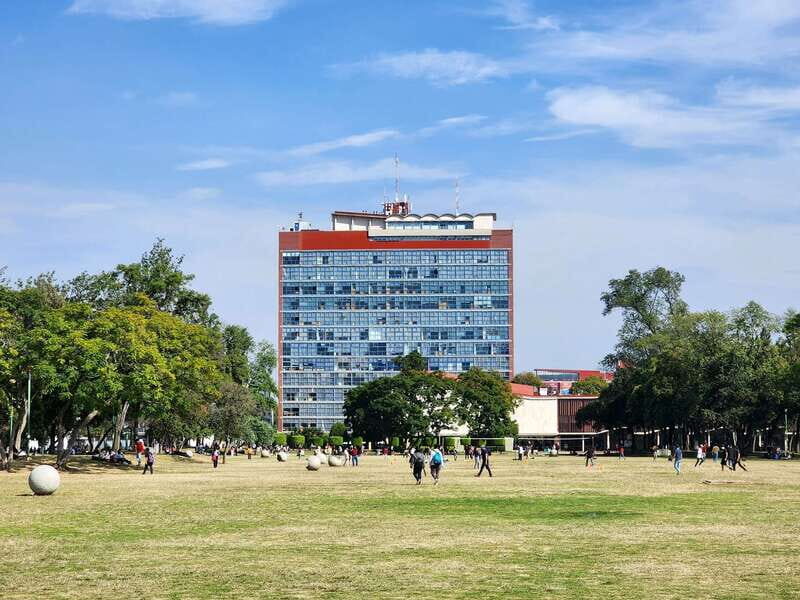
This tour clocks in at about 3 hours, but it doesn’t feel like “just a stroll.” You’re walking roughly 4 km over uneven campus surfaces. Add in stops for murals, architecture points, and Q&A, and you’ll want to conserve energy for the parts you care about most.
The good news is the pace is built for seeing details. The guide points things out as you go—how the buildings work, where the murals sit, what the forms suggest—so you’re not just passing by. Still, plan for real walking.
Two considerations from the operator info to take seriously:
- It runs rain or shine. A light rain jacket can save your mood and your camera.
- Toilets may be hard to find, so try to take care of it before you start, and don’t count on frequent stops.
If you’re prone to leg fatigue, bring a little patience and consider doing the tour when you’re not already on a heavy sightseeing day.
Murals by Rivera and Siqueiros: why the art looks different in person
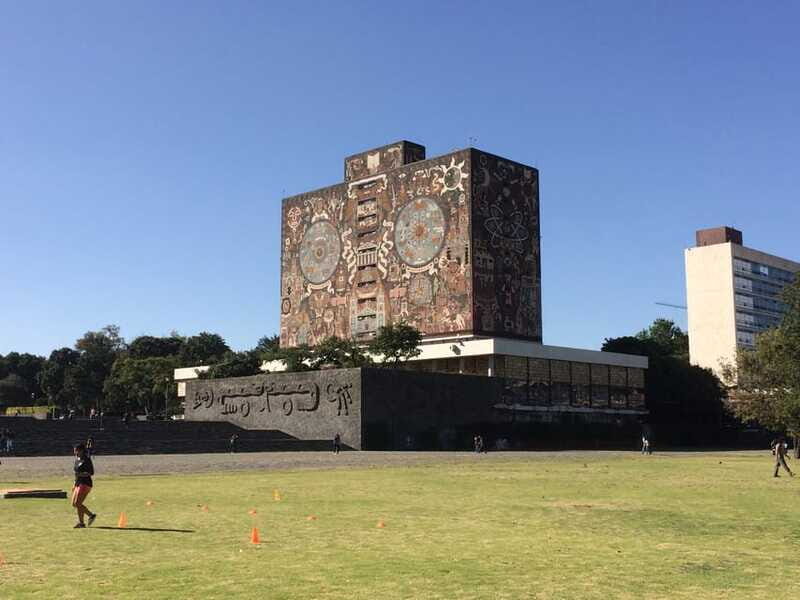
The campus murals are the headline for many people, but the tour experience is stronger than a quick mural checklist. You’re not only looking at famous names—you’re learning how muralism was tied to public life and campus identity.
As you walk, you’ll see works by major mural artists, including:
- Diego Rivera
- David Alfaro Siqueiros
- Juan O’Gorman (including his Central Library work, which also ties art and architecture together)
Here’s what changes when you see murals on campus: the scale and placement make the paintings feel like part of the architecture, not separate from it. From the guide’s explanations, you’ll start picking up on symbolism, social messaging, and how the murals function as a kind of visual curriculum—teaching ideas in the open air.
You’ll also hear how mural meaning can shift depending on the historical moment and the viewer. The guide doesn’t treat murals like static relics. Instead, he connects them to the university’s role in Mexico’s political and cultural conversations.
And yes, if you care about the art, this is where the walking pays off most. You’ll spend enough time around key works to actually read what’s in front of you instead of speed-scrolling through a few photos.
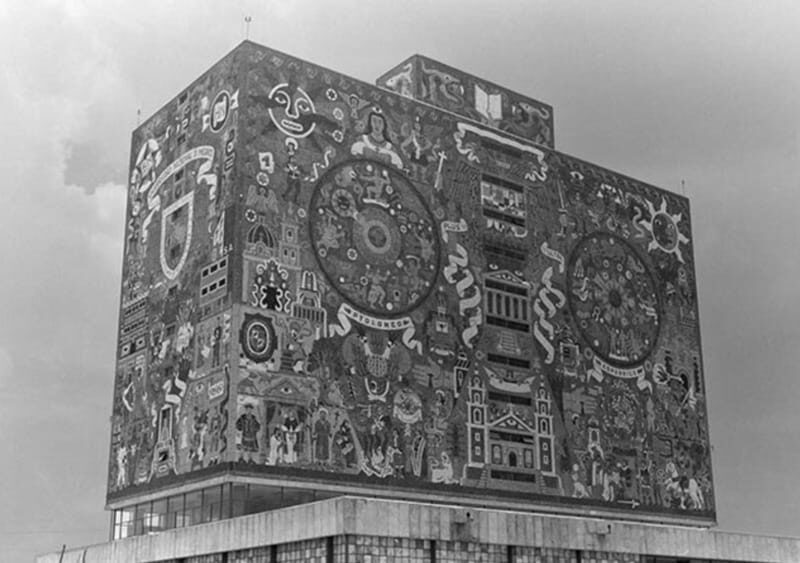
Juan O’Gorman’s Central Library: architecture you can read
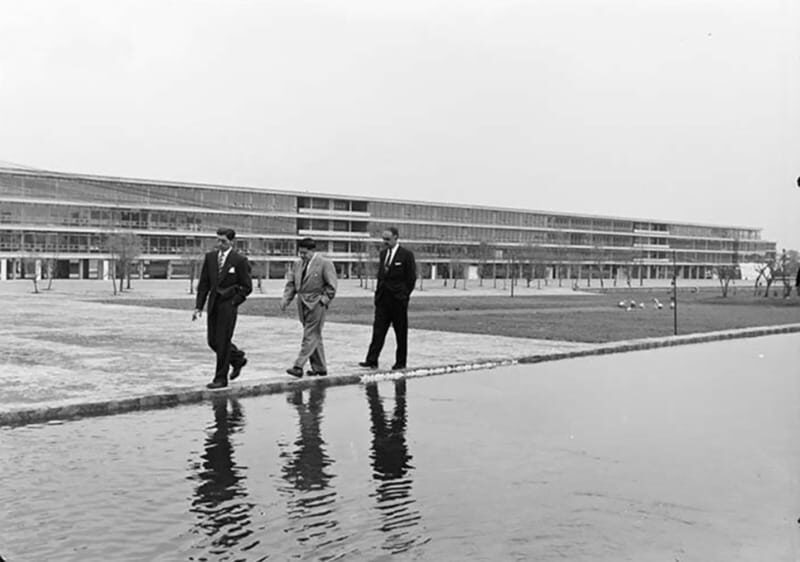
If you’re into design, you’ll likely remember Juan O’Gorman’s Central Library as a turning point in the tour. This is where the campus feels like an argument for modernism—expressive, functional, and unmistakably intentional.
O’Gorman’s work is discussed as both structure and statement. The tour helps you see how the library fits the larger modernist plan of Ciudad Universitaria, not as a standalone “cool building,” but as part of the campus brain.
What I like about this stop is that it’s not just about admiring a form. The guide uses it to explain why architecture at UNAM is tied to ideas about education, knowledge, and public identity. You start noticing the relationship between materials, layout, and what the university wanted to communicate when it was built in the mid-century.
If you’ve ever visited a museum where everything feels labeled but distant, this feels different. You’re walking in a place where buildings are built for daily use. That makes the library’s symbolism feel less theoretical and more practical.
You can also read our reviews of more historical tours in Mexico City






Modernist architecture at UNAM: the mid-century story in concrete and angles
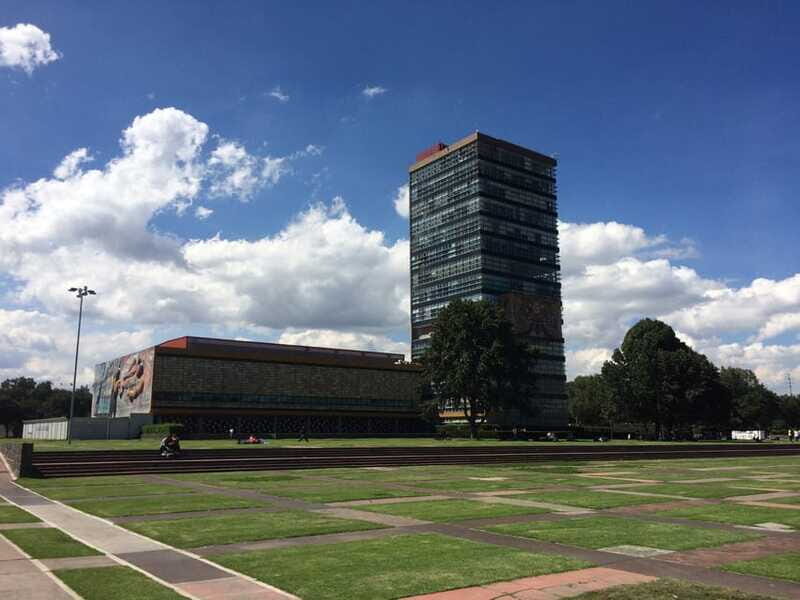
The campus is famous for modernist architecture, and the tour does a good job helping you interpret it. You don’t have to know architectural jargon to get it. The guide translates the language of forms—clean lines, strong geometry, and bold placement—into something you can feel with your eyes.
A key takeaway is how the 1950s context shows up in the campus design. The tour frames the architecture as a moment when Mexico was showcasing forward-thinking ideas while staying deeply connected to national identity. That’s why the campus doesn’t feel like imported design copied onto a hill. It feels like a local argument made with modern tools.
As you walk, keep an eye on how the buildings relate to one another. The tour points out differences in layout and atmosphere across university spaces, and you’ll start to understand why UNAM doesn’t look like one single “style” slapped onto a campus. Instead, you get a group of bold projects that share a modern spirit.
Student life and politics: the part most visitors overlook
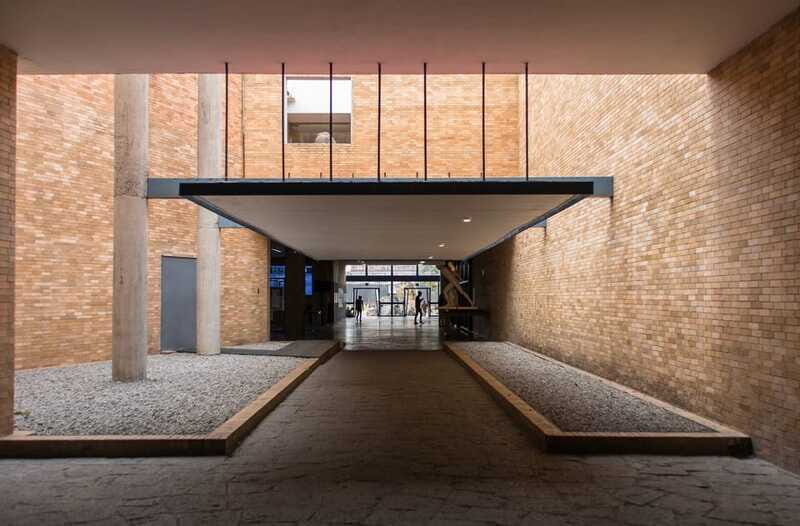
The strongest praise for this tour isn’t only about art or buildings. It’s about what the guide adds around them: the social and political reality of campus life.
With Sebastián leading, you’ll learn about the day-to-day experience of students and how that fits into broader Mexico. The explanations go beyond architecture facts to include how students move through the campus, how different areas can feel distinct, and how the university’s role connects to the country’s wider debates.
One highlight that came through clearly is how the guide talks about why there can be a low graduation rate. That kind of detail changes how you see the physical space. Suddenly the campus feels less like a sightseeing stop and more like a complex system—dreams, barriers, opportunities, and consequences all mixed together.
If you book this for a weekday, you’re more likely to catch students going about their routines—classes, workshops, and general movement across campus. That adds realism. Even if you just like photography or people-watching, it’s a meaningful part of the experience.
Practical tips so your 3 hours go smoothly
A good tour day is mostly logistics, even when you’re chasing art and architecture.
- Wear real walking shoes. You’ll cover about 4 km on uneven ground.
- Bring water if you’re prone to thirst. Water is included, but it’s still a good idea to drink early and often.
- Plan for rain. It runs rain or shine, so bring a light layer.
- Use the bathroom early. Toilets can be hard to find during the walk.
- Bring questions. This is the kind of tour where the guide’s answers can make you see murals and buildings differently.
If you’re traveling with friends who love different things—architecture, politics, art, or street-level culture—this tour gives each person something solid. The structure supports discussion, not just observation.
Price and value: is $76 worth it?
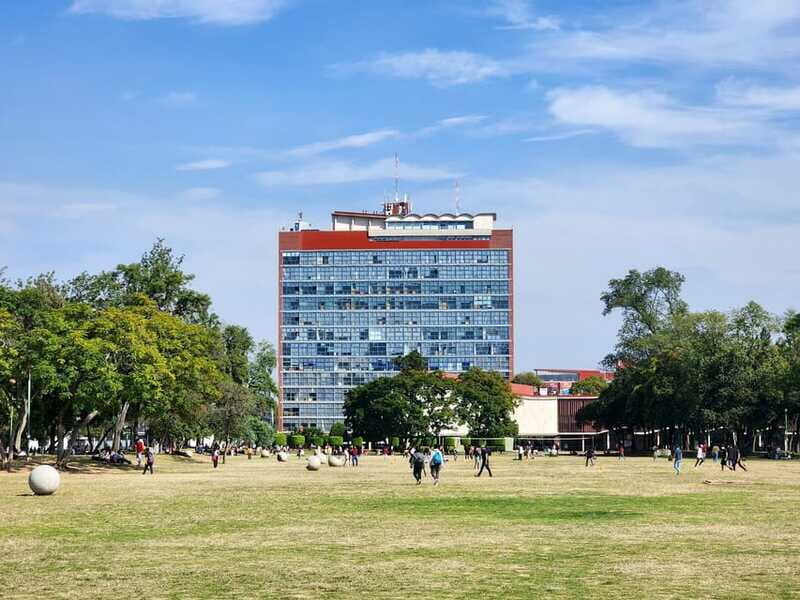
At $76 per person for a 3-hour guided walk, the value comes from three things working together:
- A UNESCO campus + major murals + architecture landmarks
You’re paying for an organized route that connects the big-name art to specific buildings and campus meaning.
- A skilled guide with context
Sebastián’s UNAM perspective—plus his ability to answer questions and connect art to student and societal realities—turns the tour into more than sight-seeing.
- Time on the ground
Three hours is long enough to slow down and actually look, not just pass by murals as background.
If you only want photos and don’t care about meaning, you could probably cobble together your own campus walk. But if you want the story behind the design choices and the murals’ messaging, a guided format is a smart way to spend your time.
Who should book this tour (and who might skip it)
You’ll be a great fit if you love:
- Architecture and modern design
- Mexican muralism and public art
- History tied to real institutions, not just monuments
- A walk that includes politics and sociology in plain language
You might want to skip if:
- You can’t handle the 4 km walking requirement. Also, it’s explicitly not suitable for pregnant women based on the operator’s guidance.
- You need frequent restroom access during the tour, since toilets can be difficult to find.
If you’re visiting Mexico City and want a different angle on culture—one rooted in a major Latin American university—this tour gives you a standout perspective.
Should you book the UNAM campus tour?
Yes, if your idea of a great UNESCO stop includes walking, murals, and the meaning behind modernist architecture in a real working university. The reason I’d recommend it is simple: you’re not just seeing famous buildings. You’re getting explanations that connect the campus to Mexico’s bigger social picture, with Sebastián doing most of the heavy lifting through sharp answers and thoughtful context.
If you like structured, story-driven walking tours and you can handle the distance, this is an excellent use of a morning or afternoon in CDMX.
FAQ
How long is the UNAM campus tour?
The tour lasts about 3 hours.
Where is the meeting point?
You meet in front of the Estadio Olímpico Universitario.
How do I get there by public transit?
Take Metrobús line 1, get off at Dr. Gálvez Station, then walk south of Insurgentes Avenue for 10 minutes.
Is the tour wheelchair accessible?
Yes, the tour is listed as wheelchair accessible.
How much walking is involved?
The tour includes a 4 kilometer walk (about 2.5 miles).
What’s included in the price?
Water is included, along with muralism and modern architecture as part of the tour focus.
Is food or drinks included?
No. Food and drinks are not included.
What languages are the live guides?
The live tour guide offers English and Spanish.
Does the tour run in bad weather?
It takes place rain or shine.
Is hotel pickup included?
No hotel pickup is included.