REVIEW · MEXICO CITY
Mexico City: Roma and Condesa Neighborhoods Walking Tour
Book on GetYourGuide →Operated by Pies descalzos · Bookable on GetYourGuide
Churros, art, and streets made for wandering. This Roma and Condesa walking tour helps you read Mexico City like a local, with time for architecture, parks, and the kind of design-and-food stops that make you want to move in.
I especially like how the guide steers you toward low-profile art galleries and creative corners, not just the loudest sights. And I really like the neighborhood rhythm: coffee, markets, parks, and restaurant ideas so you can plan your day and your night without guessing. One consideration: it’s still a walking tour, and you should expect serious on-foot time (one verified review mentioned about 6 miles in roughly 2 hours).
In This Review
- Key highlights you won’t want to miss
- Roma and Condesa in 3 hours: what this walk really does
- Starting outside Centro Cultural Bella Época: a smart way to get oriented
- Quick architecture stops and street-level art: learning to look
- Markets, bakeries, coffee shops, and the food plan you can use later
- Mexico Park: why this pause matters
- Río de Janeiro Plaza: where the neighborhood energy clicks
- Vinyl, interior design, and the shopping lane (without turning it into a mall)
- Nightlife and morning coffee ideas: planning your next move
- Price and time: is $58 worth it?
- Who this Roma and Condesa tour suits best
- Should you book this Roma and Condesa walking tour?
- FAQ
- How long is the Roma and Condesa walking tour?
- Where is the meeting point?
- How much does it cost?
- What’s included in the tour?
- Are meals or drinks included?
- Is transportation included to and from the neighborhoods?
- What languages are available for the live guide?
- Is the tour wheelchair accessible?
- Can I cancel for a full refund?
Key highlights you won’t want to miss
- Low-key galleries and art spaces in Roma and Condesa that most people skip
- Markets, bakeries, and coffee stops plus smart food recommendations for every meal moment
- Parks as breathing rooms, including Mexico Park for a calmer pace
- Río de Janeiro Plaza for classic neighborhood energy and photo-friendly streets
- Design shopping along the way, from Mexican fashion and jewelry to vinyl and antiques
- Guides who adapt, with several guides (Jorge, Laila/Leila, David, Desiree) praised for tailoring the walk
Roma and Condesa in 3 hours: what this walk really does
Roma and Condesa are Mexico City’s “new old”—grand buildings from earlier eras, then repurposed into cafés, boutiques, bookstores, and galleries. The point of this tour is not to hit checkboxes. It’s to help you connect the dots: how the neighborhoods look, how they feel, and where the locals actually spend time.
This is a guided stroll with stops, not a lecture. You’ll spend the time learning what you’re looking at—architecture details, street layout, and the cultural vibe that pulled artists and designers here. You’ll also get practical guidance for eating and exploring later, including recommendations that cover vegetarian and vegan options as well as higher-end spots.
Is it “Instagrammable”? Sure. But the better value is orientation. Once you understand the blocks, the parks, and the main design lanes, you stop wandering randomly. You start choosing on purpose.
And yes, the pace is walking-heavy. One review mentioned the group walked around 6 miles in about 2 hours, so if you’re not used to long city walks, bring good shoes and take your time.
You can also read our reviews of more walking tours in Mexico City


Starting outside Centro Cultural Bella Época: a smart way to get oriented
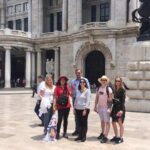
You meet outside Centro Cultural Bella Época, which is a solid anchor point for two reasons. First, it puts you right in the action of the neighborhoods instead of making you fight cross-city logistics. Second, it sets the tone: you’re in a creative zone from minute one.
From the start, the guide’s role is to help you “decode” what you see. Roma and Condesa aren’t uniform. Blocks can change character quickly—tree-lined avenues with stylish façades shift into lanes with murals, design stores, and smaller markets. That’s why the early guidance matters. The faster you learn the neighborhood logic, the easier the rest of your day becomes.
You’ll also get a sense of what kind of traveler the guide is best for. Several guides were praised for asking interests and shaping the route around that—so if you care more about art, food, or design, you should be able to steer toward it.
Quick architecture stops and street-level art: learning to look
The middle of the walk includes shorter pauses for architecture and culture—think photo stops, but with context. In Roma and Condesa, the buildings are part of the story: you’re looking at a mix of older residential grandeur and later urban reinvention. A good guide helps you spot what’s worth noticing, like façade rhythm, balconies, and how the streets create their own “rooms.”
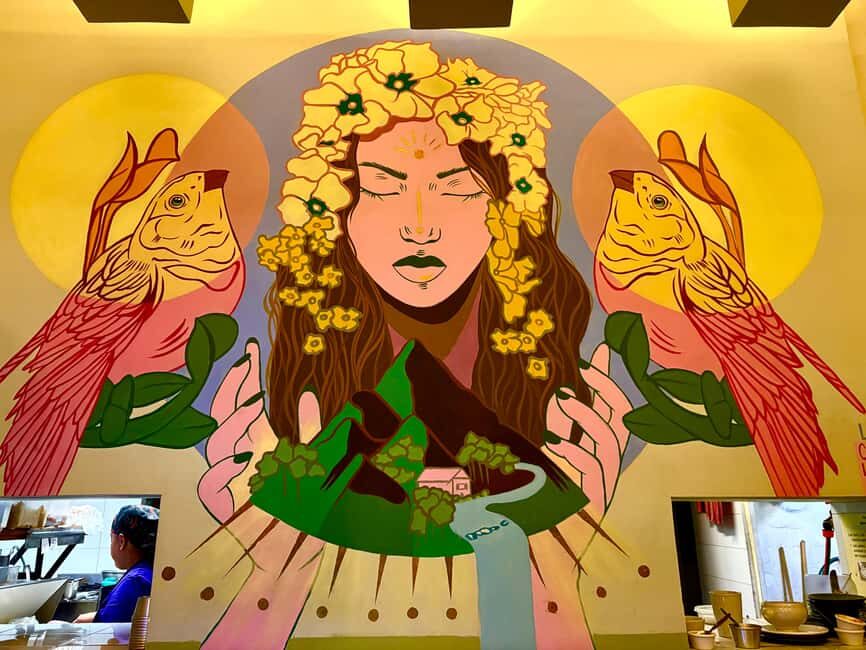
Along the way, you’ll also pick up on the visual language of the neighborhoods: street art, signage, and the way galleries and boutiques fit into everyday life. A theme showing up in strong reviews: guides acted like neighborhood hosts. People left feeling they made a friend, not just collected information.
Some guides have taken groups toward places where creative energy is tangible—art galleries, small fashion and jewelry stores, and spaces that feel a bit off the tourist track. Even if you’re not a museum person, this kind of street-level interpretation makes the neighborhood feel personal instead of random.
Markets, bakeries, coffee shops, and the food plan you can use later
This tour earns its keep with food guidance, even though meals and beverages are not included. The guide’s strength is translating the neighborhood into options you’ll actually want.
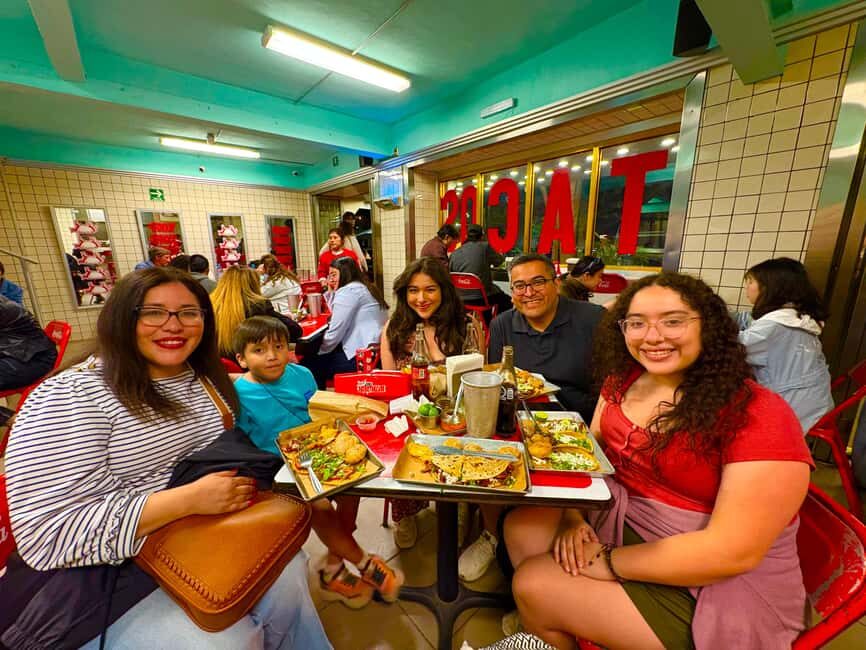
You’ll see local market-style stops and everyday favorites that reflect the area’s mix: international dining alongside Mexican classics, plus vegetarian and vegan-friendly choices. One review mentioned a stop for pastor tacos, and another described a more adventurous food experience with a grasshopper dish. Not every group will chase the same food, but it’s a sign the guide isn’t stuck in one narrow script.
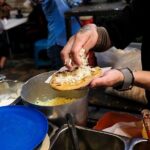
Also, a churro stop came up in multiple reviews, including a classic reference to Churrería El Moro. That’s exactly the kind of “simple but well-placed” break that makes the walk fun without turning it into a food tour. If you’re the type who likes snacking while sightseeing, this works.
Practical takeaway for you: plan your day around this walk. Use the guide’s restaurant ideas for lunch and dinner later. Don’t rely on hungry impulse alone, especially in the evening when the neighborhood is packed and menus change fast.
Mexico Park: why this pause matters
At some point you’ll reach Mexico Park for a longer visit. This is more than a green break. It’s a chance to see how Roma and Condesa organize life around public space.
In a neighborhood built for walking, parks act like social centers. You’ll likely notice people taking their time—families, couples, and locals using the paths as a reset button between errands. That’s also why this stop is valuable for first-timers: it teaches you the neighborhood’s “tempo.” After the park, the rest of the blocks feel easier to read.
From a tour-design standpoint, parks also help balance the pace. Even if the schedule is packed, you get a moment where you aren’t just moving and photographing. You can breathe, regroup, and let your impressions settle.
You can also read our reviews of more city tours in Mexico City

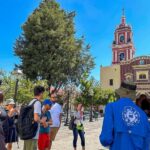

Río de Janeiro Plaza: where the neighborhood energy clicks
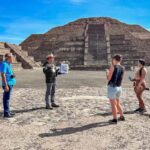
Río de Janeiro Plaza is another named highlight on the route, and it’s a good choice for a walking tour stop. Plazas in Roma and Condesa aren’t just scenic. They’re where you can feel how the area functions socially—meeting points, casual hangouts, and photo-friendly façades nearby.
This is the kind of stop that also helps with mapping. Once you know where the plaza sits, you can figure out which direction to explore next on your own—toward restaurants, toward boutique streets, or back toward the parks.
If you’re booking the tour early in your trip, this plaza stop is a big reason to do it. It turns the rest of the neighborhood into something you understand, not something you just see.
Vinyl, interior design, and the shopping lane (without turning it into a mall)
This tour includes time for design and style. You’ll have opportunities to look into Mexican fashion and jewelry stores, plus places that focus on vinyl records, interior design, and antiques.
Here’s why I think this matters: Roma and Condesa are not only about architecture. They’re about taste—how people live, what they collect, and how they decorate. When your guide points out the “why” behind storefronts and creative businesses, shopping becomes sightseeing.
Even if you don’t plan to buy anything, these stops give you texture. They show what the neighborhood values, and they often lead to the kind of streets you’ll want to revisit later.
One heads-up: this part can be more enjoyable if you’re comfortable browsing slowly. If you hate shopping stops, tell the guide early. Many reviews praised guides for adjusting, so you may be able to spend less time inside shops and more time outside photographing or walking.
Nightlife and morning coffee ideas: planning your next move
A strong theme from reviews is that the guide doesn’t just show you the area. They send you away with a plan for different times of day. That’s a big value for $58, because it replaces hours of guesswork.
You’ll get suggestions for:
- Where to grab coffee and baked goods in the morning
- Where to find a cozy lunch spot afterward
- Where to start the night with energy and good options
- What to try if you want something vegetarian, vegan, or more upscale
Several guides were praised for being attentive and communicative, including one review that highlighted a guide waiting patiently when the group ran late due to protests outside the city. That tells you something important: you’re not dealing with a rigid, “walk, look, leave” schedule. A good guide responds to real-life conditions.
If you’re only in Mexico City for a few days, this tour helps you avoid the classic mistake: spending your limited time going back to the same areas you found by accident.
Price and time: is $58 worth it?
For $58 per person, you’re paying for a few things at once:
- A local guide to interpret the neighborhoods quickly
- Guided stops at parks and a couple of named public spaces
- Access to design, art, and market areas that are easier to find with help
- Practical recommendations for meals and future exploring
Because meals and drinks aren’t included, you’re free to choose your own budget. And because it’s a 3-hour walk, you’re not committing the kind of time that forces you to spend your whole afternoon “on tour.”
The main cost is your energy. You’ll be walking, often in sunny or changeable weather. Wear shoes you trust. Bring water. If you’re going on day one, do this early enough that you can reuse what you learn that same day.
Who this Roma and Condesa tour suits best
This works best if you:
- Want an orientation walk with real neighborhood context
- Like design, street art, architecture, and small galleries
- Eat with intention and want solid suggestions for different meal styles
- Prefer walking with a guide who adapts to your interests
It’s also a great first stop if you’re staying near Roma or Condesa and want to feel comfortable exploring on your own afterward.
If you want a museum-style itinerary with set entrances and ticketed attractions, this may not satisfy that. This is more about neighborhood reading than major landmark chasing.
Should you book this Roma and Condesa walking tour?
Yes—if you’re the type who likes to understand where you’re walking, this is a strong use of half a day. The biggest selling point is the guide impact. Reviews repeatedly highlight hosts like Jorge, Laila/Leila, David, and Desiree for making the tour feel personal, fun, and genuinely useful. You’ll leave with places to return to, not just photos.
Book it early in your trip if you can. That way, the food and design suggestions actually shape the rest of your itinerary.
If long walking distances worry you, compensate by choosing good shoes, using water breaks, and setting expectations. This is 3 hours on foot, and at least one group covered a lot of ground in a short span.
FAQ
How long is the Roma and Condesa walking tour?
It lasts about 3 hours.
Where is the meeting point?
You meet outside Centro Cultural Bella Época.
How much does it cost?
The price is $58 per person.
What’s included in the tour?
A guided walk through Roma and Condesa with stops for architecture and neighborhood culture, plus access to markets, parks, art/fashion/jewelry stores, and recommendations for food and shopping. You’ll also get guidance for places for music and nightlife.
Are meals or drinks included?
No. Meals and beverages are not included.
Is transportation included to and from the neighborhoods?
No. Transportation is not included.
What languages are available for the live guide?
The tour guide is available in Spanish, English, French, and German.
Is the tour wheelchair accessible?
Yes, it is wheelchair accessible.
Can I cancel for a full refund?
You can cancel up to 24 hours in advance for a full refund.