REVIEW · MEXICO CITY
Mexico City: Historical walking tour of Tenochtitlan
Book on GetYourGuide →Operated by Mexploretenochtitlan · Bookable on GetYourGuide
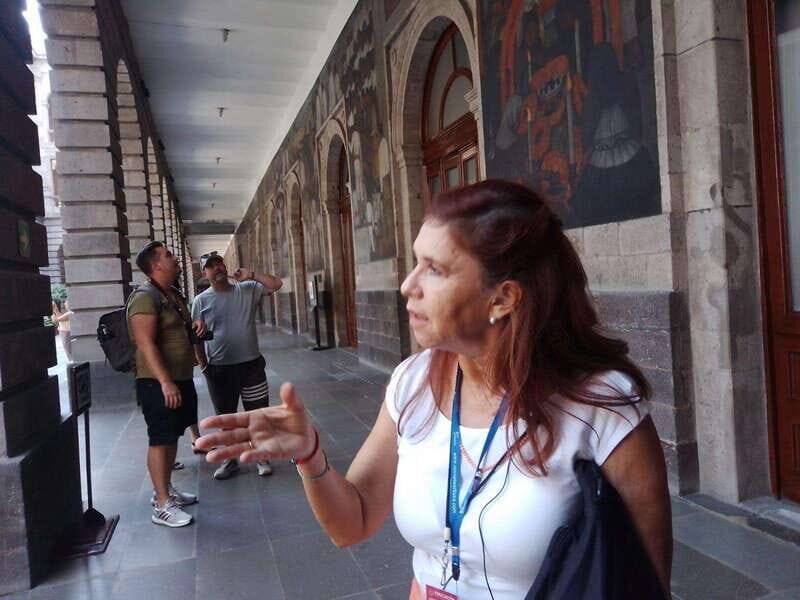
A morning like this makes the Centro Histórico feel readable, not random. This historical walking tour strings together Mexico City’s big turning points, from Tenochtitlan’s Templo Mayor area to Spanish and later Mexican eras, with clear explanations by Prof. Cristina Ríos. You also get earphones/audio for the busy street noise, so you actually catch the story.
I especially love how the route keeps moving in tight circles, so you see cause-and-effect between places you might otherwise connect only in a textbook. Another real win is the small group size (up to 10), which helps the pacing stay comfortable and question-friendly. The main trade-off: you will view key sights from the outside (Tenochtitlan is shown via models and the archaeological zone), and tickets/entries are not included, so it is more about interpretation than full museum time.
In This Review
- Key things I’d mark on your map before you go
- A 3-hour Mexico City history walk with strong value
- Meeting at Centro Cultural España and orienting to Tenochtitlan
- Templo Mayor models to Catedral Metropolitana: power shifts you can actually see
- From Cortés’s lodgings to old palace sites near the Cathedral area
- Iturbide Palace (Banamex Cultural Center) and San Francisco: architecture with backstory
- Casa de los Azulejos and the José Clemente Orozco mural explanation
- Palacio de Bellas Artes wrap-up: the perfect finish line
- Should you book the Mexplore Tenochtitlan walking tour?
- FAQ
- How long is the Mexico City historical walking tour?
- What does the tour cost?
- Where do we meet?
- Do we enter the Templo Mayor Museum?
- What’s included in the tour price?
- Is food included?
- What route stops are included?
- What languages is the guide available in?
- Is the tour wheelchair accessible?
- Who is the tour not suitable for?
Key things I’d mark on your map before you go
- Prof. Cristina Ríos’s storytelling connects Aztec origins, colonial rule, and early independence through what you can see on the street
- Earphones and audio equipment help on noisy plazas and crowded sidewalks
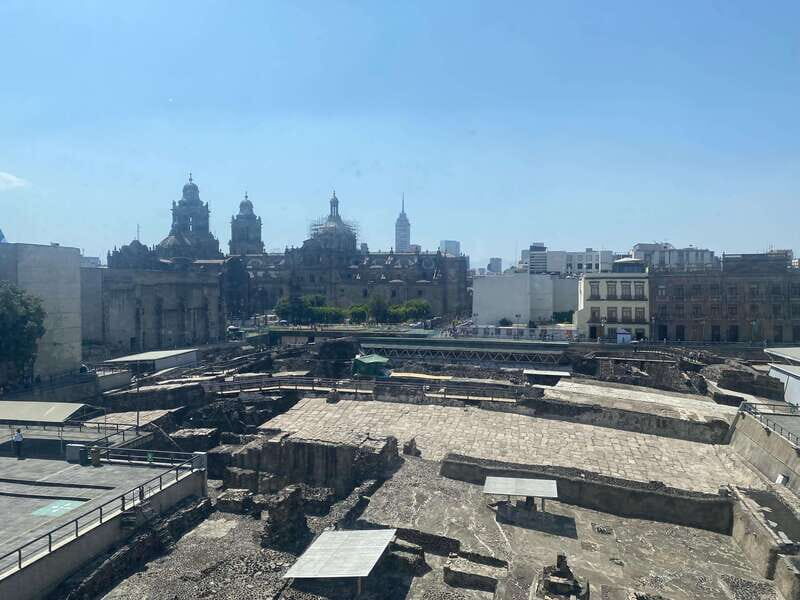
- Templo Mayor start via models and exterior views gives you orientation fast, without waiting for museum time
- Cortés and early colonial power show up near the Cathedral area and old palaces, not just in distant exhibits
- Casa de los Azulejos plus an Orozco mural explanation adds art history to architecture spotting
- Optional sweets at Dulcería Celaya gives you a low-effort, local-food moment
A 3-hour Mexico City history walk with strong value
For $43 per person, you’re paying for one thing that’s hard to fake on your own: a guide who can explain what you’re looking at while you’re looking at it. Three hours goes fast, but the small-group format (3 to 10 people) makes the time feel like a guided education rather than a fast-moving line.
You’ll do this as a morning walk with a local guide in English or Spanish. The tour also includes specialized guidance, detailed explanations, and audio equipment (headsets when the group is larger than 7), which matters in El Centro when traffic and crowds can swallow casual conversation.
This isn’t an all-in museum day. Tickets aren’t included, and the tour is built around careful interpretation of landmarks you can spot in real time. If you’re hoping for lots of ticketed indoor exhibits, plan to spend extra time on your own afterward—especially at the places you want to linger.
You can also read our reviews of more walking tours in Mexico City



Meeting at Centro Cultural España and orienting to Tenochtitlan
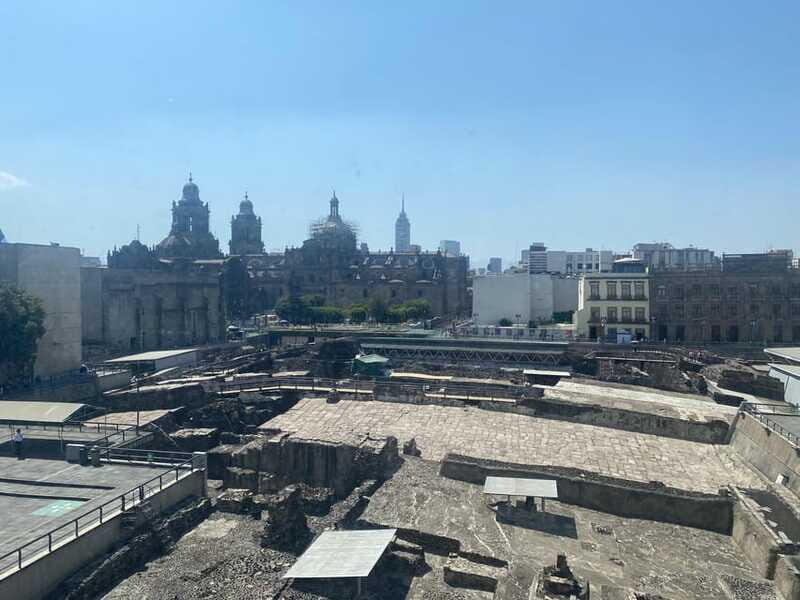
You start at Centro Cultural de España en México, at Guatemala #18, and the first big goal is orientation. Instead of jumping straight into random streets, you begin near the Templo Mayor area, using models and outside views to understand the archaeological zone.
This first segment sets up the rest of the walk. Once you grasp how Tenochtitlan was laid out and why the Templo Mayor mattered, you stop seeing the Centro Histórico as only colonial-era architecture. You start seeing it as a layered city where later powers adapted, replaced, and reorganized the landscape.
One smart detail: the tour does not require you to enter the Templo Mayor museum. That saves time, keeps the walk moving, and helps you get your bearings fast. The catch is simple: if you want museum galleries, you’ll need to return later with your own tickets.
What I like about this approach is practical. Even if you only remember a few key points—like what the Templo Mayor location represents and how the surrounding area fits together—you’ll have a mental map that makes the Cathedral, palaces, and tilework much easier to understand.
Templo Mayor models to Catedral Metropolitana: power shifts you can actually see
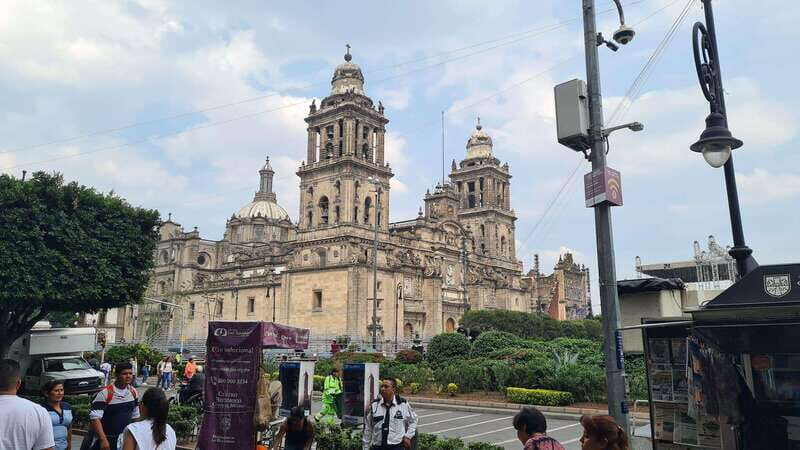
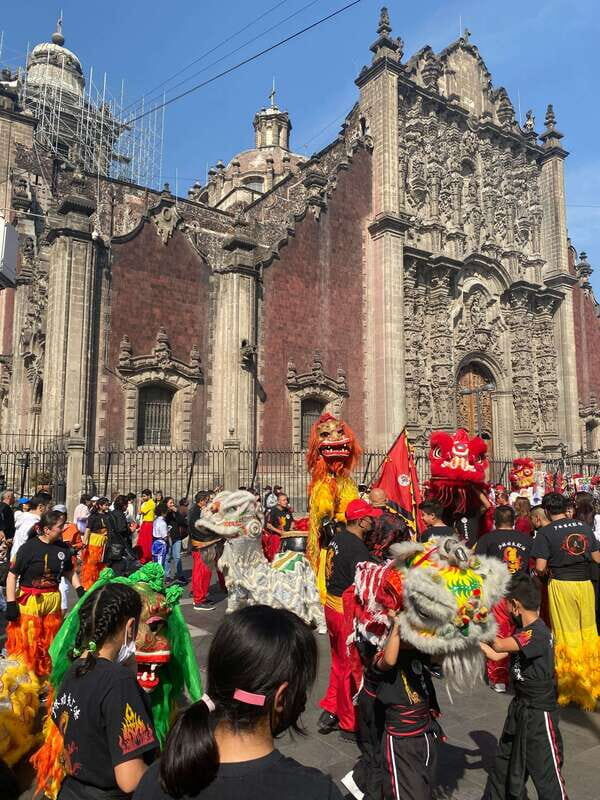
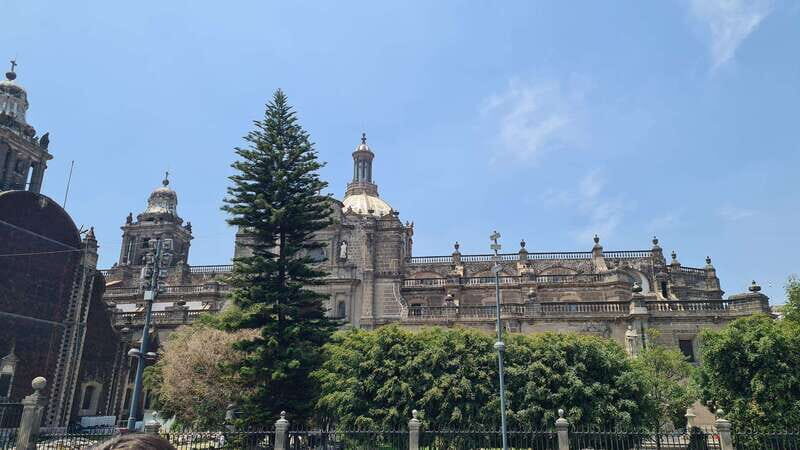
After your Tenochtitlan orientation, you move to the Catedral Metropolitana de México. You won’t just look up at the facade and guess the story. The guide points out what the Cathedral represents in the timeline, helping you understand what Spanish rule tried to do to existing religious and political center points.
Then the tour works in the in-between areas people often skip. You’ll get a look behind the Cathedral toward Animas del Purgatorio and the Calmecac Site Museum at Centro Cultural España. The value here is that you get context for how institutions and beliefs changed location and meaning over time.
This is also where the guide’s phrasing matters. Prof. Cristina Ríos’s explanations, delivered in a structured way, turn a scatter of buildings into a sequence: pre-Hispanic civic/religious centrality, Spanish overlay, then later shifts. It’s the difference between collecting photos and building understanding.
A small consideration: you’re walking through busy streets, so bring those comfortable shoes and plan for crowds. The included audio equipment helps a lot, but your job is still the usual one for Mexico City—move at a steady pace and keep an eye on footing.
From Cortés’s lodgings to old palace sites near the Cathedral area
Next you move into palaces and power hubs tied to the early colonial era. A key stop is Cortés’s Lodgings at the Old Axayacatl Palace, often connected with the old houses associated with Moctezuma. Even if you’ve read about conquest timelines before, these are the kinds of places that make the story feel physical.
One reason this segment hits is that it’s not only about conquest dates. It’s about how new authority reused and reshaped older city space. The area around these sites helps you connect colonial presence to what was already important downtown.
Also, the route can include an extra focus related to Cortés, and the guide may take the group off the standard path for a closer look associated with his tomb. That sort of added specificity is exactly what makes a guided walk feel worth it. Otherwise, Cortés becomes a name you already know, not a person you understand in place.
This stop is also a good moment to ask questions. Since you’re in a compact area, your guide can correct misconceptions quickly and tie the answer back to an actual building, wall, or street alignment.
Iturbide Palace (Banamex Cultural Center) and San Francisco: architecture with backstory
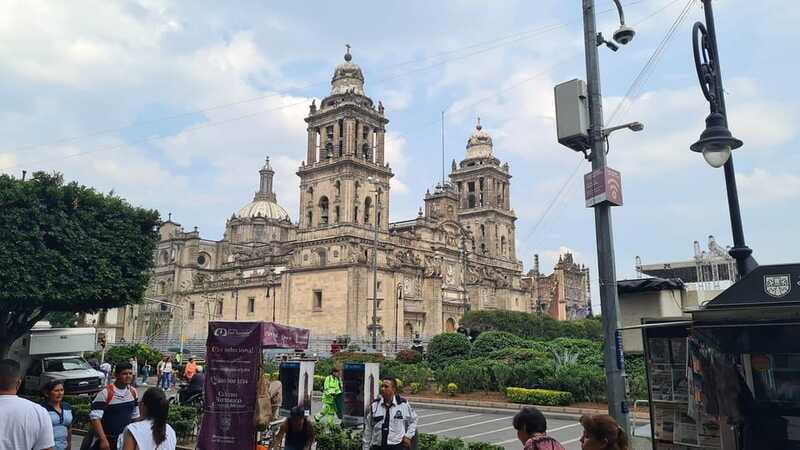
Now the tour swings into later colonial and early-modern architecture you can read on the street. You’ll visit the Iturbide Palace, home to what’s commonly known as the Banamex Cultural Center. This is one of those buildings that rewards you for looking twice: first at the grand facade, then at what the guide says about style, wealth, and symbolism.
From there, you continue toward the Church of San Francisco, focusing on the facade. Again, you’re not being asked to memorize details. The point is to learn how to spot patterns: when design choices signal religious priorities, when they reflect social power, and how those choices sit inside the city’s evolving story.
If you’re the type who likes architecture as a language, you’ll enjoy this part. The guide keeps the facts organized so the buildings become milestones, not random stops. If you’re less into architecture, you’ll still get value from the narrative, because the buildings are used as evidence for the timeline you’re tracing.
Practical note: these are mostly exterior-looking moments, so it helps to be mentally ready to absorb meaning without the comfort of indoor air conditioning.
You can also read our reviews of more city tours in Mexico City


Casa de los Azulejos and the José Clemente Orozco mural explanation
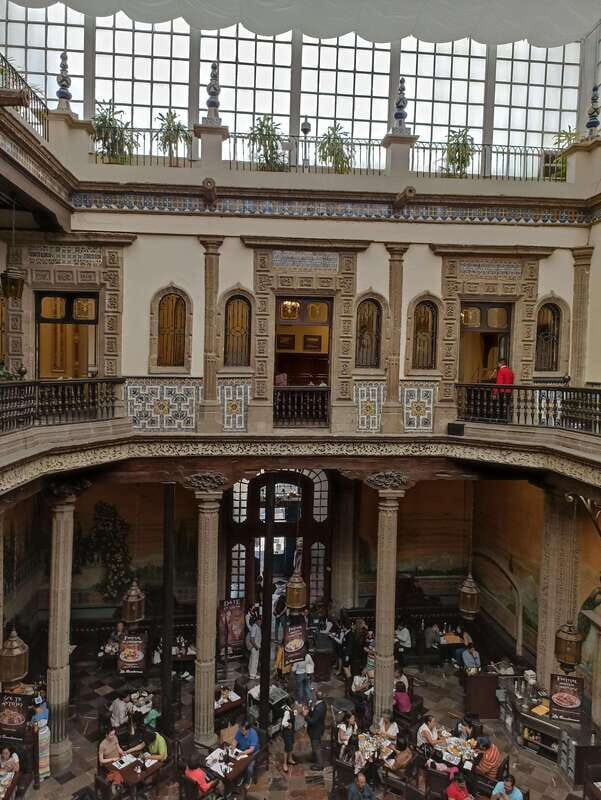
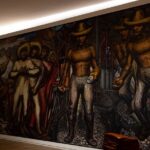
Then you hit one of the most fun visual rewards of the walk: Casa de los Azulejos. You’ll get both the exterior tile view and time inside, where there’s a detailed explanation of a José Clemente Orozco mural.
This stop adds an art-history layer that makes the tour feel less like only Aztec vs. Spanish. Orozco represents a later Mexican voice, and connecting his work to earlier layers helps the city’s narrative stop feeling like a set of disconnected eras.
What I like here is that you’re not just seeing tiles. You’re learning how art and architecture carry cultural memory. The guide’s interior explanation helps you look past the surface prettiness and into what the mural is doing in that setting.
If you want to stretch the experience, this is the best place to slow down after the explanation. Even if you only glance around, you’ll notice how tile patterns and mural placement change the feel of the room. Then, when you step back outside, the colors make more sense because you’ve been taught what to connect them to.
Palacio de Bellas Artes wrap-up: the perfect finish line
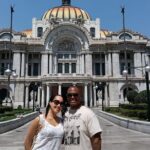
The tour passes by the Palace of Fine Arts and then finishes at Palacio de Bellas Artes. Ending here is smart because it’s one of the most recognizable cultural landmarks in the city center, and it gives you a clean “okay, now I know where I am” moment.
You can use that ending time to wander on your own, grab a coffee, or plan what to see next. Since the tour emphasizes landmarks across centuries, your next step can be personal: you might want more art, more ruins, or more colonial streets.
One of the best outcomes of finishing at Bellas Artes is momentum. When you’ve spent hours connecting sites, your eyes start working differently. You begin noticing details you would normally skip: facade cues, street alignments, and the way different eras sit side-by-side.
And if you want a practical plan for your remaining time, the guide experience is designed to help you. Many people come away with recommendations about where to eat and what else to explore after the walking part ends.
Should you book the Mexplore Tenochtitlan walking tour?
Book it if you want a structured, story-driven way to understand Mexico City’s evolution in a single morning. It’s ideal if you care about history plus architecture, and especially if you like when a guide turns buildings into evidence.
Skip it (or pair it with extra plans) if you’re expecting a museum-heavy day with lots of ticketed interior time. This tour focuses on what you can see and understand quickly—starting with Tenochtitlan via models and exterior viewpoints, then moving into key architectural stops, finishing with Bellas Artes.
One more fit check: it’s not suitable for children under 10. If you’re traveling with older kids who can handle a 3-hour walk and will enjoy explanations, it may work well, but the tour is clearly geared toward an adult-style pace and attention span.
If you’re choosing between doing it on your own vs. paying for guidance, I think this is the better deal. You get an informed guide, audio support, and a tight route that makes you leave with a clearer mental map of Tenochtitlan to the Centro Histórico—not just a set of photos.
FAQ
How long is the Mexico City historical walking tour?
It lasts 3 hours.
What does the tour cost?
The price is $43 per person.
Where do we meet?
You meet at the entrance of Centro Cultural España to start at the Templo Mayor models and view of the archaeological zone.
Do we enter the Templo Mayor Museum?
No. You view the Templo Mayor models and the archaeological zone from the outside.
What’s included in the tour price?
It includes a specialized guide, detailed explanations, and earphones/audio equipment. It also includes headsets when the group is larger than 7 people.
Is food included?
No. Food is not included, though traditional Mexican sweets at Dulcería Celaya are offered as an optional add-on.
What route stops are included?
The tour route includes the Templo Mayor area, Catedral Metropolitana, Animas del Purgatorio and the Calmecac site area, Cortés’s lodgings at the Old Axayacatl Palace, the Iturbide Palace/Banamex Cultural Center, the Church of San Francisco, Casa de los Azulejos, and a pass-by of the Palace of Fine Arts before finishing at Palacio de Bellas Artes.
What languages is the guide available in?
The tour is offered in English and Spanish.
Is the tour wheelchair accessible?
Yes, it’s listed as wheelchair accessible.
Who is the tour not suitable for?
It’s not suitable for children under 10 years.