REVIEW · MEXICO CITY
Explore Mexico City: A Journey Through History, Art, and Cuisine!
Book on Viator →Operated by Andares Free Walking Tour · Bookable on Viator
One walk, and the city’s layers show up fast. You’ll cover Mexico City’s big historic landmarks and add stop-by-stop stories on Aztecs, Spanish-era power, architecture, and art, with a sweet detour that actually matters.
I like that the tour keeps a reasonable pace and stays practical for a short morning—about two hours in the Centro Histórico. I also like the way the route mixes heavyweight sites (Templo Mayor, Catedral Metropolitana) with smaller, hands-on culture like Dulcería de Celaya and the working post office. One consideration: museum and monument entry may require you to buy tickets on your own, and some sights have ticket quirks (like Palacio de Bellas Artes not being sold online).
In This Review
- Key highlights you’ll notice fast
- A Small 2-Hour Walk Through Mexico City’s Power Centers
- Templo Mayor: Aztec Life at the Big Temple
- Zócalo: The Main Square and the Name’s Backstory
- Catedral Metropolitana: Architecture, Style, and History in Tight Time
- Dulcería de Celaya: Why the Oldest Candy Store Matters
- House of Tiles: Art and History in a Signature Interior
- Palacio Postal: The Postal Palace That Still Works
- Palacio de Bellas Artes: Architecture Plus the Practical Ticket Reality
- Diego Rivera Murals at SEP: Traditions Painted at Human Scale
- Tips for a Smooth Walk (and a Fair Ending)
- Who Should Book This Centro Histórico Tour?
- Should You Book This Tour?
- FAQ
- Is the tour conducted in English?
- How long is the walking tour?
- What is the meeting point and where does it end?
- What is the price?
- Are museum or monument entry tickets included?
- Is bottled water included?
- Can I cancel for a full refund?
Key highlights you’ll notice fast
- Centro Histórico orientation in 2 hours: you’ll leave with your bearings in the heart of Mexico City
- Templo Mayor + Aztec explanation: you start at the Aztec core before the city becomes Spanish Mexico
- A real food stop at Dulcería de Celaya: traditional candies with stories about origin and preparation
- Palacio Postal still doing its job: history plus the fact that mail service continues
- Diego Rivera murals at SEP: Mexican traditions read through major 20th-century art
- Small group size (max 20): easier conversation with your English-speaking guide
A Small 2-Hour Walk Through Mexico City’s Power Centers
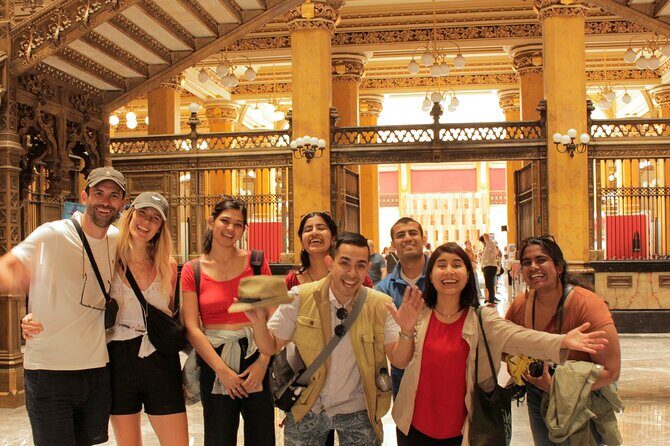
This is a short morning tour with a strong goal: help you make sense of Mexico City’s center without burning your day. The price is $20 per person, and the guide’s work is the real value here—you can pay a tip if you want. For many visitors, that’s a smart way to spend a couple hours in a place where everything is close but easy to misread if you’re flying solo.
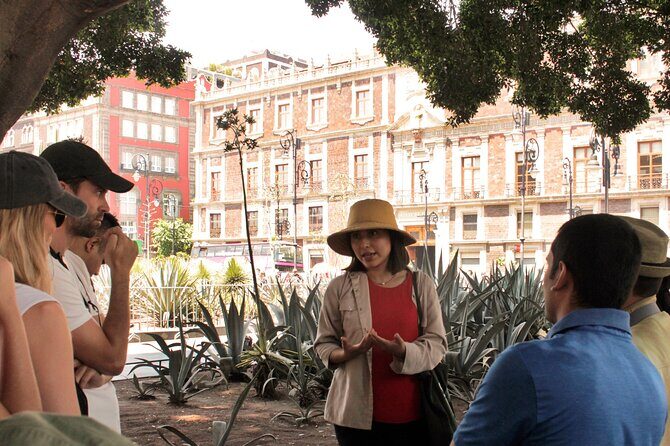
Logistically, it starts at República de Guatemala 4, Centro Histórico and ends at Palacio de Bellas Artes. With a 9:30 am start time and a max group size of 20, you’ll get movement without that herding-chaos feeling. It’s offered in English, and service animals are allowed. Most people can do it since it’s a walking format—but you’ll want comfortable shoes because you’re covering multiple major stops.
Timing matters too. This is the kind of tour I’d book early in your trip, because it gives you a map in your head: where the Aztecs were, where the Spanish built their institutions, and what the 20th century added to the walls.
You can also read our reviews of more city tours in Mexico City


Templo Mayor: Aztec Life at the Big Temple
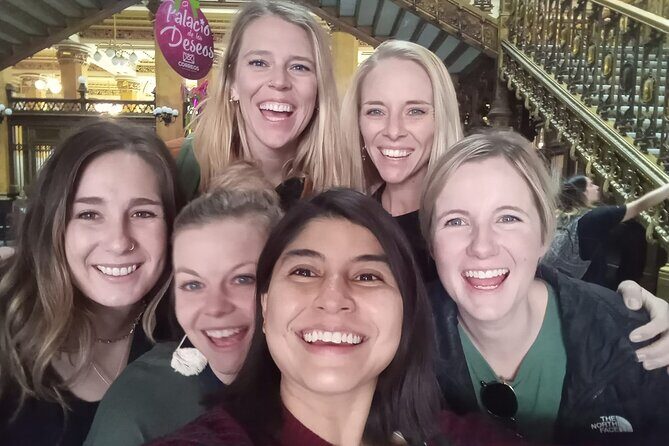
Your first stop is Museo del Templo Mayor. You’ll get the Aztecs explained at the very site tied to their major temple—how they lived, where they came from, and how they grew into the empire that dominated its era.
Why this stop works so well at the beginning: it sets the timeline. If you start with the cathedral or palaces first, you end up treating history like separate attractions. Starting at Templo Mayor makes it feel connected: the city’s center didn’t start with Spanish stonework. It started with Aztec power, belief, and engineering—then it got overwritten, layered, and transformed.
The time here is about 15 minutes, so don’t expect a long museum session. Instead, think of it like a guided history primer that helps you recognize what you’re looking at when you glance around.
One thing to plan for: museum entry may not be included. So before you go, I’d assume you might need to buy tickets yourself for museum access.
Zócalo: The Main Square and the Name’s Backstory
Next is Zócalo, Mexico City’s central square. You’ll hear why it’s called Zócalo and what the place was before the Spanish arrived. From here you can also see the National Palace.
This is more than a photo stop. The Zócalo is where political and cultural messaging gets staged. Even if you only spend 10 minutes, understanding the square’s evolution helps you read what you see in front of you: why certain buildings face the open space, why the square became a stage, and why it keeps pulling people back.
Also, this stop helps you understand the geography of Centro Histórico. You learn where you are relative to the cathedral, major streets, and the “center-of-everything” vibe that makes Mexico City feel both enormous and easy to navigate.
Catedral Metropolitana: Architecture, Style, and History in Tight Time
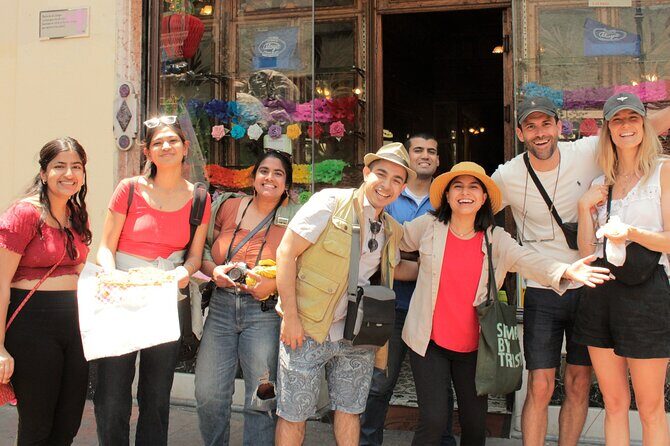
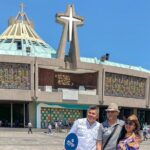
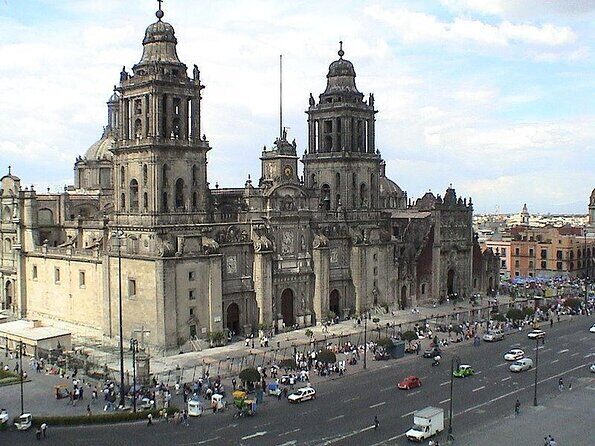
After the Zócalo, you’ll walk to Catedral Metropolitana de la Ciudad de México. Your guide will explain the architectural style and history of what’s widely treated as the city’s most important church.
This is an 8-minute stop, so again, the goal is orientation and key ideas—not a deep dive into every chapel and artwork. In that short time, the most valuable thing is learning how to spot the architecture’s logic: the different styles that show up over time and how a building like this ends up acting as a living timeline.
If you’re the type who likes to read buildings like a textbook, this quick stop is still useful. You’ll know what questions to ask as you look around on your own afterward.
Dulcería de Celaya: Why the Oldest Candy Store Matters

Then you get the sweet detour: Dulcería de Celaya, described as the oldest candy store in the city. You’ll visit the shop and learn what sweets they sell, which are traditional, how the candies are prepared, and where those treats come from.
I love this kind of stop because it’s cultural history you can taste. It’s not about stuffing yourself. It’s about seeing how tradition survives in everyday life. A place like this also teaches you something you can’t get from a plaque: what people choose to buy, what feels familiar, and how old recipes keep getting shared.
Time is about 10 minutes. You’ll want to arrive with the mindset that you’re learning, then deciding if you want to buy something small. And since bottled water isn’t included, I’d bring water anyway—walking plus sugar equals thirsty fast.
You can also read our reviews of more historical tours in Mexico City






House of Tiles: Art and History in a Signature Interior
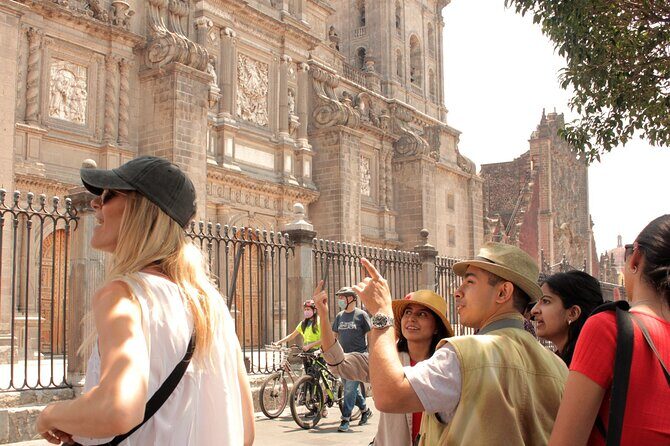
Next is the House of Tiles. You’ll enter one of the city’s most emblematic places and hear its history, plus learn about the art it contains.
This stop is 15 minutes, which is enough time to understand why it’s famous and to appreciate the visual plan—how the interior decorations create an experience, not just decoration. Houses like this are also useful because they show a different side of Mexico City than the big public institutions. You see how wealth, taste, and storytelling lived indoors.
Like the other cultural sites, plan for the possibility that you’ll need to pay for entry.
Palacio Postal: The Postal Palace That Still Works
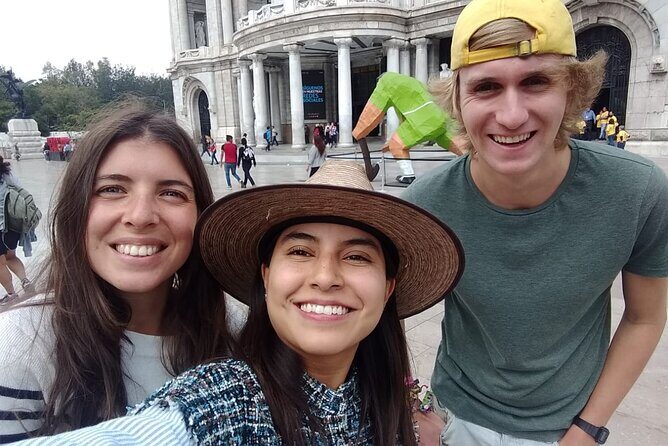
You’ll then visit Palacio Postal, a beautiful building tied to Mexico’s mail service. Here, you’ll learn what the building was before and how it still works, plus the history behind it.
This is one of those rare stops that combines wow-factor with real function. A lot of historic buildings are either museums now or shells. Palacio Postal is more interesting because it’s still part of daily life, and that makes the history feel less like a frozen exhibit.
Time is about 15 minutes, so you’ll get the main story and the key features to notice. If you like architecture, this stop tends to click quickly. If you don’t, the fact that it’s still doing its job can still make it memorable.
Palacio de Bellas Artes: Architecture Plus the Practical Ticket Reality
The tour continues to Palacio de Bellas Artes. You’ll learn about its architectural style, get curious historical facts, and hear about its billboard.
This is a 15-minute stop and it ends up being your finish point. But here’s a practical heads-up from the real-world experience you should plan around: Palacio de Bellas Artes tickets may not be sold online, so you’ll likely need to handle the ticket process in person.
Also, remember the general theme for this tour: museum and monument entry may not be included, even if a stop is presented as part of the route. So if you want to be able to walk right in without stress, have a plan for tickets.
Diego Rivera Murals at SEP: Traditions Painted at Human Scale
Your final major art stop is the Diego Rivera murals at the Secretaría de Educación Pública (SEP). The tour frames these murals as a way to understand Mexican traditions and customs through the work of one of Mexico’s most important 20th-century painters.
Time here is about 20 minutes, which is the longest art-focused segment on the route. That longer slot matters. Rivera’s murals aren’t quick to “get” if you only glance. A guide’s job in a short window is to point you toward what to see—symbols, scenes, and the cultural logic behind the images.
If you’re trying to connect Mexico City art to daily life, this stop is one of the better places to do it. It turns art appreciation into cultural reading, and it helps you see why public art became such a major voice in Mexico’s modern identity.
Tips for a Smooth Walk (and a Fair Ending)
This tour is designed for a morning walk, so your comfort choices matter.
- Wear shoes you can handle on uneven sidewalks. Centro Histórico is famous for being walkable, but it’s not always flat and even.
- Bring water. Bottled water is not included, and the itinerary is walking-heavy.
- Plan for ticket needs at major stops. Even with a guided route, you may still have to buy museum or monument entry tickets yourself.
- On tipping: tips are optional, but some guides may mention expectations about how much to tip. I’d follow your instincts. If you felt the guide worked hard and spoke clearly, tip accordingly.
Small thing, big effect: since the tour ends at Palacio de Bellas Artes, you’ll likely want to have energy left for a stroll around the building after. That’s a great place to keep exploring without needing a new plan.
Who Should Book This Centro Histórico Tour?
I think this tour fits best if you want three things in one go: history orientation, architectural context, and quick food-and-art culture.
It’s especially good for:
- First-timers who feel overwhelmed by Centro Histórico’s size and want your bearings fast
- People who like guided context more than long museum hours
- Anyone who wants Mexican history connected to what you can still see today—Aztec sites, Spanish institutions, and 20th-century mural art
It might be less ideal if:
- You expect museum entries to be included with your ticket price
- You prefer spending long stretches inside buildings rather than moving from stop to stop
- You dislike any ticket friction at the finish point (Palacio de Bellas Artes can require in-person ticket handling)
If you’re the type who likes making your day flexible, this tour also has an easy rhythm. You start with the Aztec core, move through the civic heart, and finish in the art-and-modern-identity zone.
Should You Book This Tour?
Yes—if your goal is a smart, efficient introduction to Mexico City’s center. For $20, you’re buying a guided route that ties Aztec roots, colonial-era landmarks, and major art into a coherent walk. The small group size (max 20) and English-language format make it easier to ask questions and keep the story straight.
I’d say book with one mindset: assume you may pay entry tickets separately for museums and monuments, especially around Palacio de Bellas Artes. If you plan for that, the experience becomes smooth and satisfying instead of stressful.
FAQ
Is the tour conducted in English?
Yes. The tour is offered in English.
How long is the walking tour?
The duration is about 2 hours.
What is the meeting point and where does it end?
It starts at República de Guatemala 4, Centro Histórico de la Ciudad de México and ends at Palacio de Bellas Artes, Av. Juárez S/N, Centro Histórico.
What is the price?
The price is $20.00 per person.
Are museum or monument entry tickets included?
Based on the information you have here, entry to museums/monuments is not included and you may need to buy tickets on your own. In particular, Palacio de Bellas Artes tickets may not be sold online.
Is bottled water included?
No. Bottled water is not included, and it’s suggested that you bring water.
Can I cancel for a full refund?
Yes, you can cancel for a full refund up to 24 hours before the experience’s start time.