REVIEW · MEXICO CITY
Guided Tour of the Museum of Anthropology
Book on GetYourGuide →Operated by Edith G. Tour Guide · Bookable on GetYourGuide
Symbols on stone, explained in plain words. In this 3-hour guided walk through Mexico’s Museum of Anthropology, a federal tour guide helps you connect the dots across major Mesoamerican cultures in the museum’s main rooms.
What I like most is the combination of a focused small-group format (limited to 8 people) and guides with real Mexico-and-Mesoamerica depth, including names like Edith and Hector from past groups. I also love that you get more than famous objects—this route includes the big hall highlights like the Sun Stone, Coatlicue, Olmec Heads, and the Mask of Pakal, plus a tour through the museum gardens that wrap around the exhibition spaces. One consideration: the museum is huge, so 3 hours won’t let you see everything, especially if you want to linger in the lesser-talked-about galleries.
In This Review
- Key things you’ll notice on this tour
- Museum of Anthropology: why this guided format is worth it
- The 3-hour flow: museum construction, then the main galleries
- Culture highlights you’ll connect: Teotihuaca to Toltec and the Gulf of Mexico
- Iconic must-sees: Sun Stone, Coatlicue, Olmec Heads, Mask of Pakal
- Gardens around the museum: why the outdoor loop is part of the point
- Guides like Edith and Hector: passion, pacing, and real Q&A
- Price and value: what $38 buys you (and what it doesn’t)
- Practical tips for your visit: shoes, language limits, and timing
- Who should book this tour (and who might prefer another plan)
- Should you book the Guided Tour of the Museum of Anthropology?
- FAQ
- How long is the guided tour?
- What language is the tour in?
- How many people are in the group?
- What’s included in the price?
- Where do I meet the guide?
- Is there free cancellation or a pay-later option?
Key things you’ll notice on this tour
- Small group of up to 8 keeps the pace human and questions answerable
- Federal tour guide in English helps when signage isn’t fully translated
- A route that starts with the museum’s construction and purpose before you hit the artifacts
- You’ll focus on Teotihuaca, Mexica, Maya, Toltec, and Gulf of Mexico cultures in sequence
- The session includes both iconic pieces and the surrounding gardens for a fuller visit
Museum of Anthropology: why this guided format is worth it
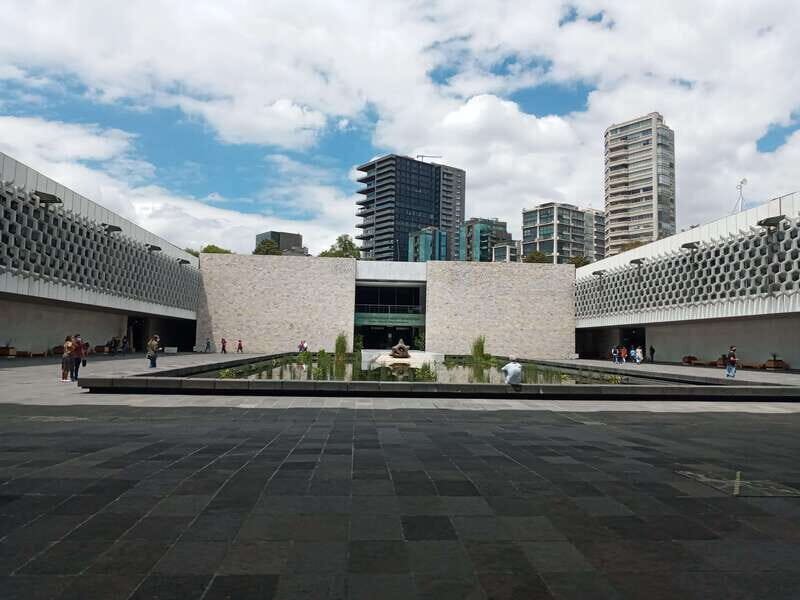
The Museum of Anthropology in Mexico City is one of those places where you can walk for hours and still feel a bit lost—because the objects are powerful, but the connections aren’t obvious at first glance. This guided tour is designed to solve that problem. It’s not trying to cover every corner. It aims to get you oriented fast, then show you the main rooms in a way that makes the museum feel understandable.
You’ll meet at the museum entrance next to the Mexican Flag, and the tour itself lasts 3 hours. That timing matters. It’s long enough to cover the core galleries and a handful of the museum’s best-known highlights, but short enough that you can still add extra time on your own afterward if you want.
The price is $38 per person, and that includes your museum entrance and a guided visit by a federal tour guide. Food and souvenirs aren’t included, so plan on either eating before you go or using the museum dining space after.
If you’re visiting for the first time, or if you want a smart overview without getting stuck translating everything yourself, this format is a good match. And if English is your main language, that matters too: some museum signage has limited English translation, so a live guide becomes your shortcut.
You can also read our reviews of more guided tours in Mexico City

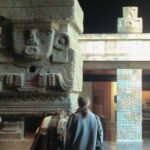

The 3-hour flow: museum construction, then the main galleries
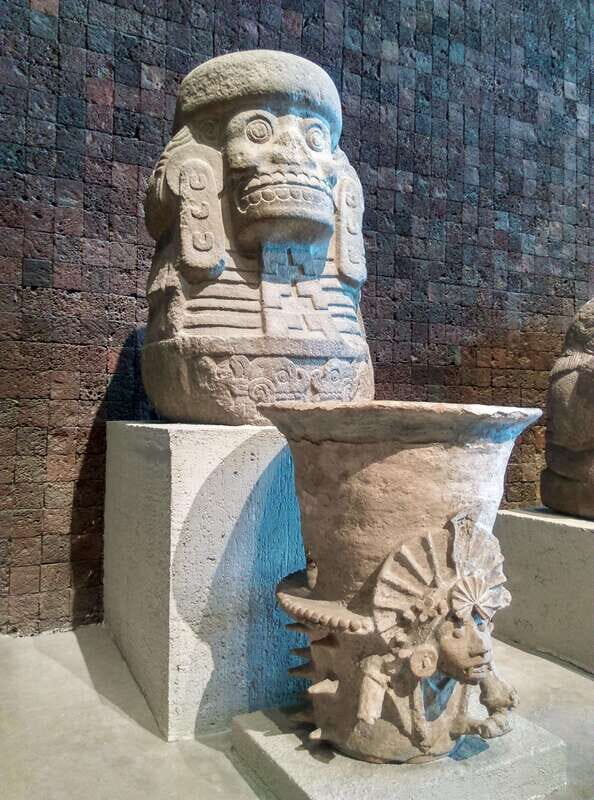
One of the smartest parts of this tour is the order. Instead of jumping straight into artifacts, the guide first talks about the museum’s construction and its purpose. That sets the stage. You start to understand why the museum is arranged the way it is and what you’re meant to notice as you move from room to room.
Then the tour transitions into the cultures you’ll focus on: Teotihuaca, Mexica, Maya, Toltec, and the Gulf of Mexico cultures. This sequence gives you a mental timeline and makes the visit feel less like random rooms full of impressive things and more like a guided story you can follow.
The tour also has the benefit of being a small-group experience, capped at 8 participants. That size helps in two ways. First, you move at a steady pace without feeling rushed every ten steps. Second, you’re more likely to get your questions answered while you’re still standing in front of the relevant objects—exactly when it matters.
A practical note from real experience: this kind of tour can run a bit past the posted time if the guide is still answering questions and the group is engaged. That’s usually a good sign. Just keep your next plan flexible if you can.
Culture highlights you’ll connect: Teotihuaca to Toltec and the Gulf of Mexico
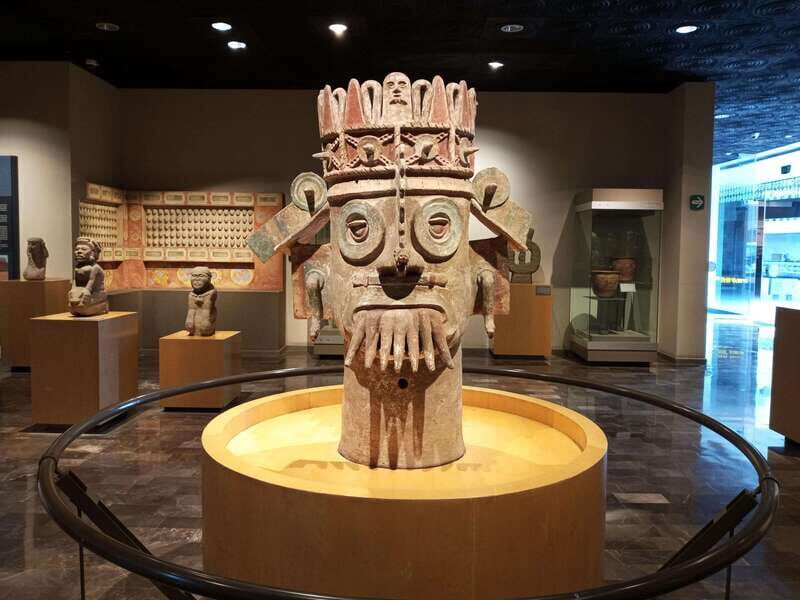
A museum this large can make you feel like you’re skating past the meaning. This guided route fights that. It keeps the spotlight on key cultural sections—Teotihuaca, Mexica, Maya, Toltec, and Gulf of Mexico cultures—so you come away with a clearer sense of how these civilizations show up in the collection.
Here’s what you’ll gain from this approach: context you can carry with you the next time you see symbols, art styles, or architecture references around Mexico City. When you learn what your guide emphasizes—construction, symbolism, and how different cultures are represented through objects—the museum stops feeling like a one-time stop and starts feeling like a reference point.
Also, the tour style is built around interpretation, not just description. In past groups, guides like Hector have shared in-depth explanations about what you’re seeing and the symbolism in artifacts. In practice, that means you’re less likely to walk away thinking, I saw famous things, but I don’t know what I learned.
Iconic must-sees: Sun Stone, Coatlicue, Olmec Heads, Mask of Pakal
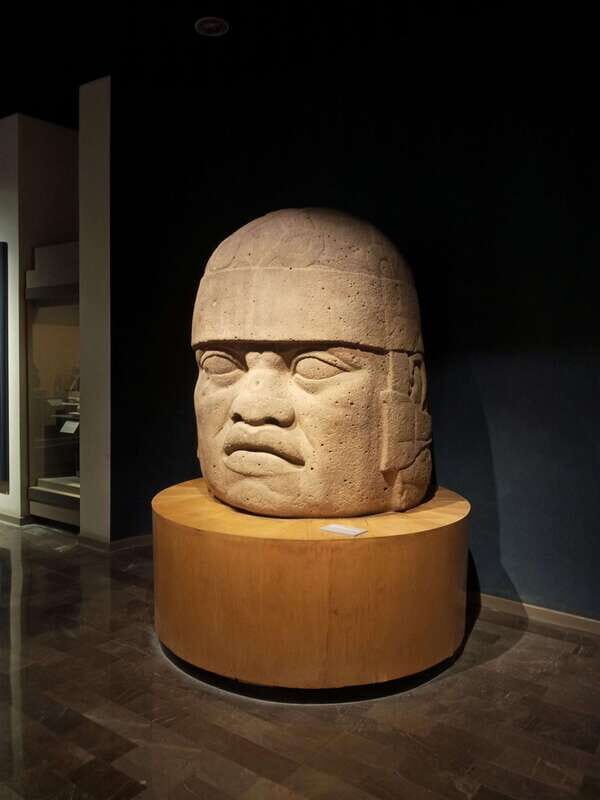
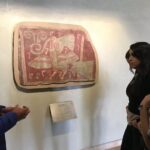
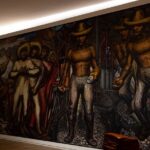
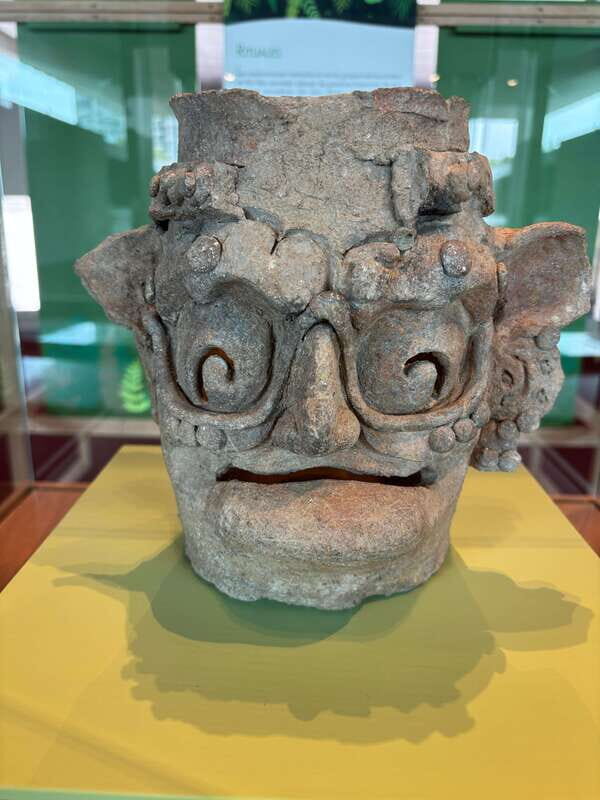
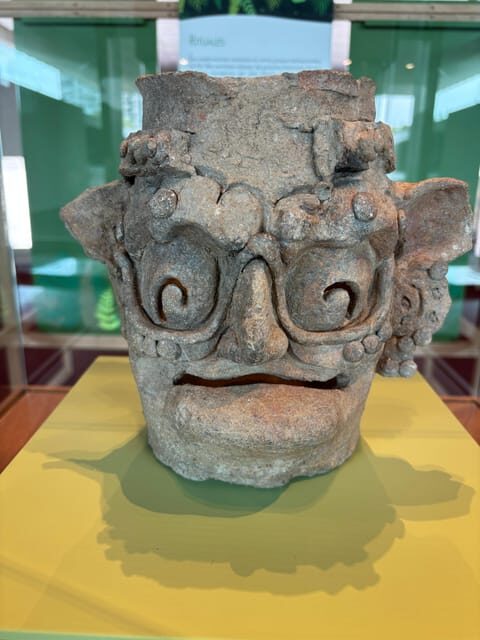
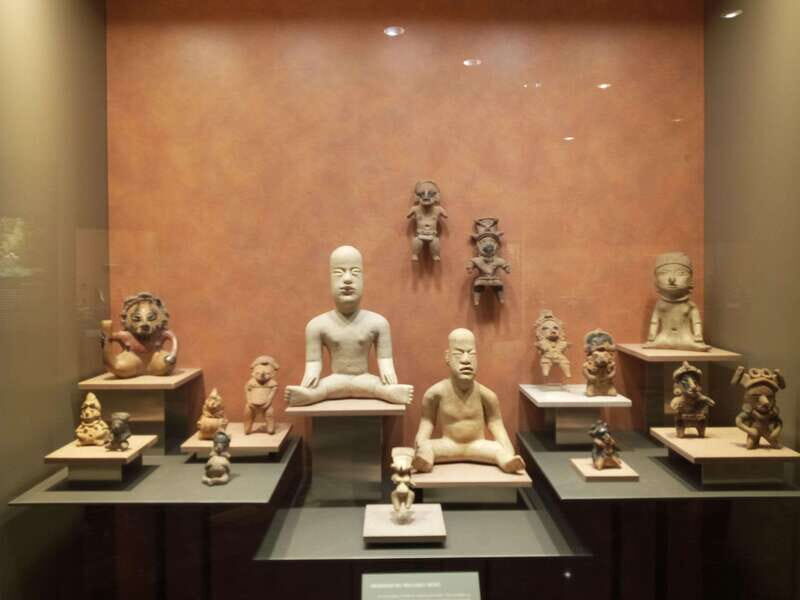
The tour doesn’t hide from the big names. You’ll see iconic pieces that many visitors come looking for, including the Sun Stone, the Coatlicue, Olmec Heads, and the Mask of Pakal.
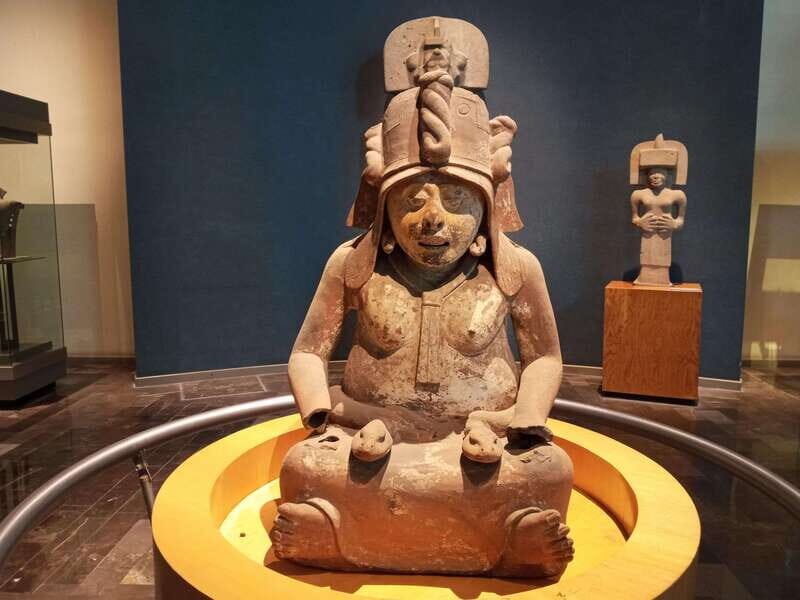
What makes this valuable isn’t only the objects themselves. It’s how they’re presented during the tour. Your guide frames them as part of larger cultural traditions, and they emphasize what those forms and symbols were communicating. That matters because a museum visit can go two ways: you either admire the craftsmanship from a distance, or you actually understand what the objects represent.
For example, one guide’s explanations have been praised for going beyond quick facts and focusing on symbolism and artifact meaning. And another highlight is how well the guide uses the full 3 hours to cover a lot without turning it into a sprint. You’re not just reading labels. You’re getting the museum’s themes translated into a human conversation.
If you want the “greatest hits” without missing the why behind them, this part of the tour is the backbone.
Gardens around the museum: why the outdoor loop is part of the point
Most museum tours focus only on what’s inside. This one includes the gardens surrounding the Museum of Anthropology. You’ll walk through them as part of the overall route, and that’s more than a break in the schedule.
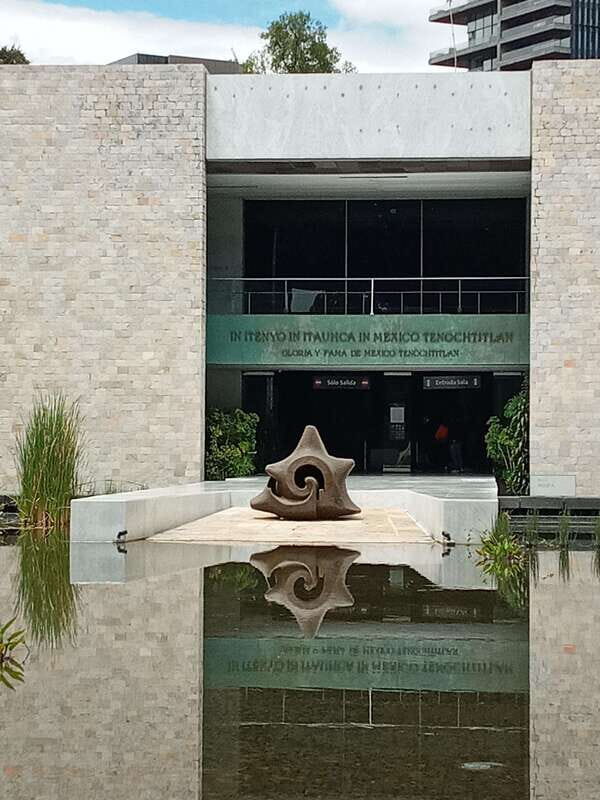
The gardens work like a reset. After time in exhibition halls, the outside space helps you absorb the museum experience as a whole. It also creates a “full-circle” feeling: you’re not only looking at artifacts in isolation—you’re experiencing the museum as a cultural space with designed surroundings that complement what you saw inside.
If you like photo opportunities, the gardens give you angles and quiet moments you can’t get from the crowded galleries. And since you’re on your feet for hours, even simple stretches of open air can make the whole trip feel easier to digest.
You can also read our reviews of more museum experiences in Mexico City




Guides like Edith and Hector: passion, pacing, and real Q&A
A tour can have good content and still feel flat if the guide is reading a script. That doesn’t seem to be the case here. The tour is led by a federal tour guide trained in Mexican history and Mesoamerican cultures, with an emphasis on showing visitors the legacy of ancestors and sharing that with pride.
Two guide names keep coming up in past experiences: Edith and Hector. Both have been praised for being friendly and for answering questions in a way that helps the museum “click.” In one case, a guide even used a good portion of the 3 hours efficiently while keeping the pace enjoyable and moving forward only when the group was ready.
You’ll get the most out of the tour if you lean into questions. If you don’t know what to ask, try a simple strategy: ask what symbol or object feature you should pay attention to next. A good guide will connect that to the cultural themes you’re already hearing.
Price and value: what $38 buys you (and what it doesn’t)
At $38 per person for a 3-hour guided tour, the real value is what’s included: entrance to the museum plus a guided visit by a federal tour guide. You’re paying for interpretation, not just access.
This matters because the Museum of Anthropology is a complex place. Labels alone can be slow to process, and with limited English translation on much of the signage, you’d likely spend extra time trying to piece things together without help. Having a guide in English is a practical advantage, especially if you want to understand the meaning behind what you see.
What’s not included is also clear. Food and beverages aren’t part of the package, and souvenirs aren’t included. So treat the tour as the core event, then plan your meal before or after.
If you’re deciding between doing this guided route or going fully independent, think about your goal. If your goal is a fast, meaningful orientation to the museum’s key cultures and iconic works, this price looks fair for what you receive. If your goal is a slow, cover-every-room marathon, you’ll probably need extra time beyond the 3-hour guided session.
Practical tips for your visit: shoes, language limits, and timing
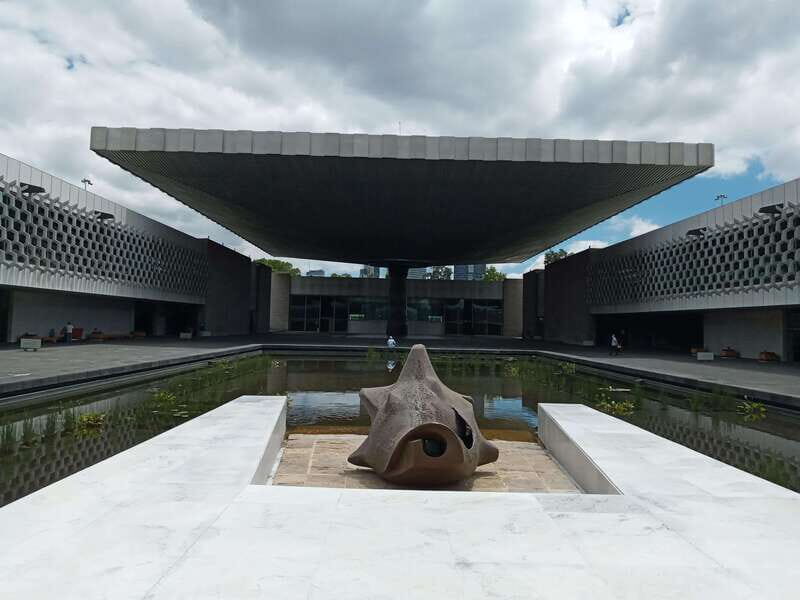
Bring comfortable shoes. You’re walking through main rooms and also through the gardens. This is not the kind of tour where you can rely on sandals and hope for the best.
Language is another practical factor. The tour is in English, but you should know that little of the museum signage may be translated. That’s exactly where the guide helps: you won’t be stuck guessing what everything means while you stand in front of it.
Timing is also worth thinking about. The tour is usually available in the morning and the afternoon. If you go early, you’ll have more energy for the rest of your day. After the tour, a useful tip is planning your next museum block around the museum dining schedule. One past experience noted that lunch isn’t available until 1 pm, but there’s a late breakfast option in the dining room that can work well after the 3-hour tour. That can be a nice reset if you want to keep exploring for another couple of hours on your own.
Who should book this tour (and who might prefer another plan)
You’ll likely love this tour if:
- You want an organized way to see the museum’s main rooms without getting overwhelmed
- You’re especially interested in Teotihuaca, Mexica, Maya, Toltec, and Gulf of Mexico cultures
- You want context around iconic pieces like the Sun Stone, Coatlicue, Olmec Heads, and the Mask of Pakal
- English is your main language and you don’t want to struggle with untranslated signage
You might want a different approach if:
- You want to spend unlimited time in every gallery and read every label without any schedule structure
- You’re determined to see far more than the “main rooms” and highlights included in a 3-hour guided route
For most people, though, this is a smart first pass. It gives you enough structure that your later self-guided exploration feels more intentional, not random.
Should you book the Guided Tour of the Museum of Anthropology?
If you want a high-value, small-group way to understand what you’re seeing at Mexico City’s Museum of Anthropology, I’d say yes. The combination of a federal guide, an English-speaking explanation, and a focused route through major cultural sections and famous artifacts is exactly what helps a big museum become memorable instead of confusing.
Book it when you can keep your next plans flexible for a smooth pace, and arrive ready to ask questions. If you do that, you’ll leave with more than photos. You’ll leave with a map in your head for what Mexico’s ancient cultures look like across the museum’s key objects—and why the museum is arranged the way it is.
FAQ
How long is the guided tour?
The tour lasts 3 hours.
What language is the tour in?
The live tour guide delivers the tour in English.
How many people are in the group?
The group is limited to 8 participants.
What’s included in the price?
Your ticket includes entrance to the Museum of Anthropology and a guided visit by a federal tour guide.
Where do I meet the guide?
Meet at the entrance of the Museum of Anthropology next to the Mexican Flag.
Is there free cancellation or a pay-later option?
Yes. You can cancel up to 24 hours in advance for a full refund, and you can reserve now and pay later to keep your plans flexible.