REVIEW · OAXACA CITY
Bicycle Tour through Oaxaca learning about its Urban Art and History
Book on Viator →Bookable on Viator
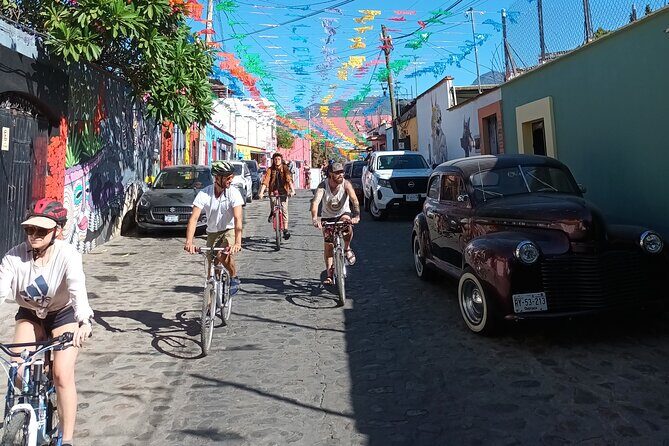
Street art on wheels makes Oaxaca click. This bike tour mixes urban murals with Oaxaca City history, using short stops in older neighborhoods so you can actually look instead of just pass by. The route is designed for photos and storytelling, with plenty of quick pauses to catch details.
I especially like the way the guide links what you see on walls to the neighborhood behind it. If you end up with Daniel, you’ll appreciate his friendly, clear explanations and excellent English, which makes the art and history easier to understand as you ride.
One thing to consider: parts of the ride run over cobblestones and through real city traffic, so it can feel a bit intense at first. The good news is the ride is short and the pace is managed, but you should still plan to be alert.
In This Review
- Key highlights you’ll feel right away
- Why a bike tour is one of the best ways to see Oaxaca Centro
- Meeting point and first setup: what to expect before you ride
- Jalatlaco’s street art loop and Templo de San Matías: murals with neighborhood context
- Stop 1: Oaxaca streets and oldest neighborhoods
- Stop 2: Templo de San Matías Jalatlaco
- Xochimilco’s Los Arquitos and colonial water history
- Stop 3: Los Arquitos de Xochimilco
- Cerro del Fortín viewpoint and the Benito Juárez connection
- Stop 4: Cerro del Fortín
- Santo Domingo de Guzmán: baroque church beauty plus modern cultural spaces
- Stop 5: Ex-convent and cultural center at Santo Domingo
- Safety, pace, and how to ride Oaxaca’s cobblestones
- Value check: what $34.65 buys you in real experience
- Who this tour suits best (and who should rethink it)
- Quick decision: should you book this Oaxaca street-art bike tour?
- FAQ
- How long is the bicycle tour?
- What does the tour cost?
- Is the tour offered in English?
- Where do I meet the guide?
- What’s included in the price?
- What is not included?
- Are there admission fees at the stops?
- How big is the group?
- What kinds of bikes are available?
- What if the weather is poor?
Key highlights you’ll feel right away
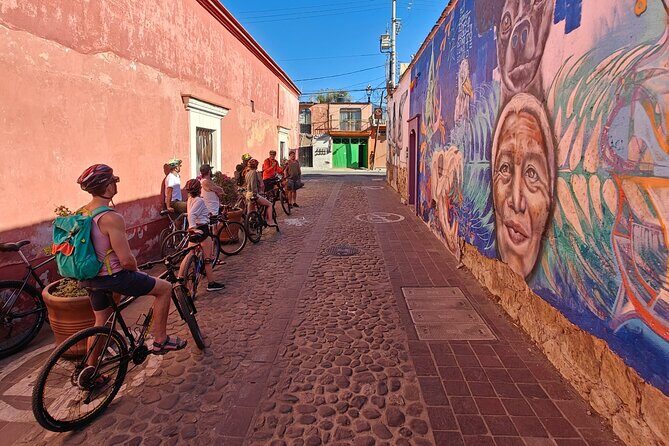
- Street art stops in older neighborhoods like Jalatlaco and Xochimilco, built for photos
- Daniel’s English and storytelling, so murals make sense instead of just looking cool
- Free-admission sights at each listed stop, so you avoid surprise ticket costs
- Top-of-the-city viewpoint time at Cerro del Fortín for panoramic views
- Helmet, bike, and technical support included, which lowers the stress level
Why a bike tour is one of the best ways to see Oaxaca Centro
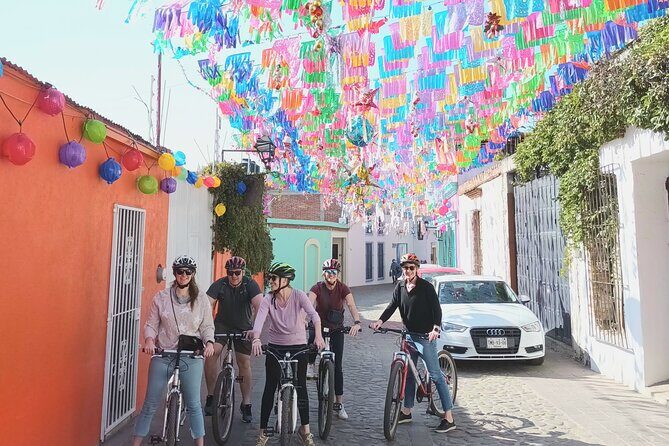
Oaxaca City is packed with places you can admire at walking speed, but you also risk zigzagging, missing turns, and wasting time in the wrong direction. A bicycle tour solves that. You get mobility without losing the ability to stop and look closely.
What I like about this format is the balance. You don’t just ride from point A to point B. You pause often enough to take in street art, architecture, and small neighborhood details that are easy to miss if you’re sightseeing on autopilot.
The route also keeps the tour practical for a short outing. In about two hours, you hit multiple historic zones while still feeling like you had time to absorb them.
You can also read our reviews of more historical tours in Oaxaca City


Meeting point and first setup: what to expect before you ride
You’ll meet at Bike & Roadtrips Oaxaca on C. de Mariano Abasolo 315, RUTA INDEPENDENCIA, Centro, Oaxaca de Juárez. The meeting spot is near public transportation, which helps if you’re coordinating around the rest of your day.
Plan for a little “getting ready” time before the actual riding. Some bookings note that setup can take around 25 minutes. That means the tour experience feels like a real activity, not an instant zip-and-go. Once bikes and helmets are sorted, you’re ready for a relaxed pace with a clear plan.
You’ll want to bring your own water because bottled water isn’t included. If you tend to get thirsty quickly, grab something before you arrive.
Jalatlaco’s street art loop and Templo de San Matías: murals with neighborhood context
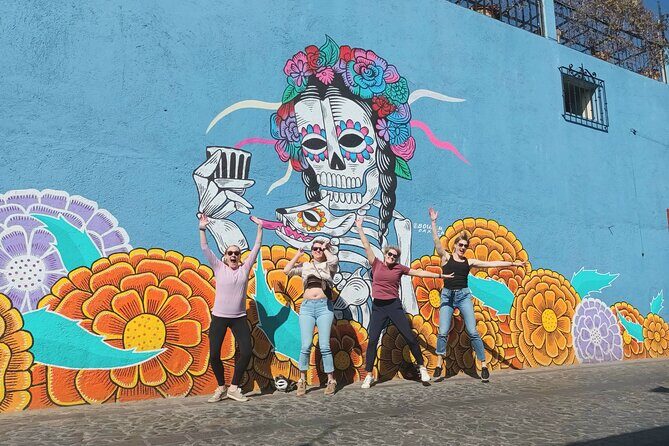
The heart of the tour begins in the older areas of Oaxaca—especially Jalatlaco. This is where street art isn’t just decoration; it becomes a guide to what people value and how the neighborhood tells its stories.
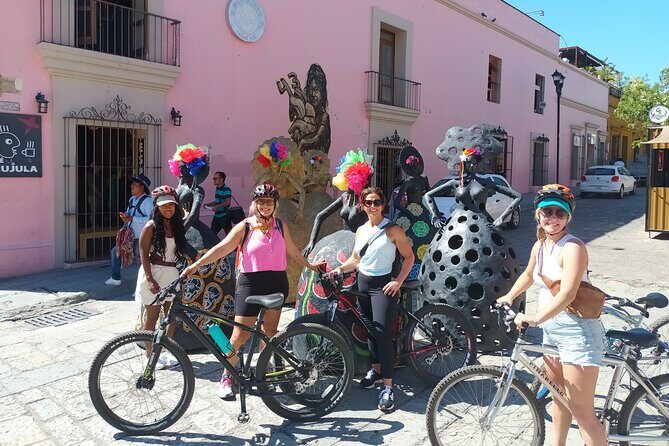
You’ll start by riding through representative places in Oaxaca City along picturesque streets filled with murals by Oaxacan artists. Expect multiple breaks so you can stop, photograph, and actually look at the artwork up close. This is a big part of why the tour works: it slows you down just enough to notice patterns, symbols, and local themes.
Stop 1: Oaxaca streets and oldest neighborhoods
This first segment is built around “see and learn” rather than “ride and rush.” You’ll spend about 30 minutes on this stop with admission free. The focus is on local-preference spots, older neighborhood alleys decorated by Oaxacan artists, and emblematic Oaxaca architecture.
For photographers, this is the stage where you’ll want to get your bearings. For first-time visitors, it’s also where you learn what areas of the city feel most distinct—so later, you can explore more intentionally on foot.
Stop 2: Templo de San Matías Jalatlaco
Next up is the Templo de San Matías Jalatlaco in the Jalatlaco neighborhood. This area is known for colorful mural energy connected to Day of the Dead celebrations and for traditional comparsas, which are a big part of neighborhood festivity life.
You’ll have about 20 minutes here, and again admission is free for the listed visit. The practical value: you’ll learn how urban art connects to community identity, not just how to spot a nice wall painting.
The photography payoff is real too. The architecture plus the mural scene makes it an easy place to capture Oaxaca’s personality without staging or searching.



Xochimilco’s Los Arquitos and colonial water history
After Jalatlaco, the tour moves into Xochimilco, another older neighborhood with colorful streets and historic houses. This is one of those areas where the vibe shifts from mural-heavy blocks to more architectural detail—old buildings and structures that hint at how the city functioned long before today’s crowds.
Stop 3: Los Arquitos de Xochimilco
You’ll spend around 20 minutes at Los Arquitos de Xochimilco. The big story here is the arches tied to colonial-era engineering: these arches were part of the San Felipe aqueduct, built in the mid-eighteenth century to supply water to the population.
This stop is one of the best examples of why the tour description matters. You’re not only learning about what looks old—you’re connecting it to how people lived. Once you understand the aqueduct angle, the arches stop being just pretty and start becoming evidence of the city’s real growth and planning.
You’re also seeing pre-colonial context in the neighborhood narrative. Xochimilco is described as being founded in 1486 by Xochimilca–Aztec warriors. That kind of timeline perspective can help you read the city better as you continue exploring after the ride.
Cerro del Fortín viewpoint and the Benito Juárez connection

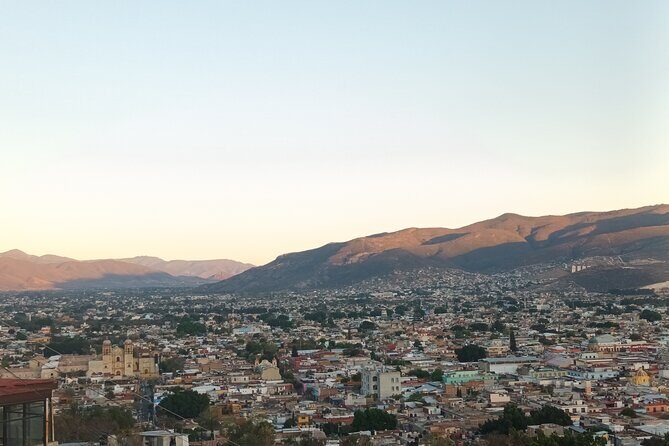
After the neighborhood storytelling, you get rewarded with height. Cerro del Fortín is where the tour gives you a break from close-up details and hands you a wider view of Oaxaca City.
Stop 4: Cerro del Fortín
Depending on the group’s physical condition, you’ll head to the viewpoint on the highest hill near the center for panoramic views. This is about 30 minutes with free admission.
What you’ll want to do here is slow down and scan. From a viewpoint, you can start linking what you saw earlier—mural zones and church architecture—to the overall city shape. It makes your first impressions feel organized instead of random.
You’ll also pass by a crafts house and the house of one of Mexico’s most emblematic figures, Benito Juárez García. Even if you don’t go inside, having those reference points along the route adds a layer of historical anchoring to the photos.
If sunsets are your thing, this is the stop where timing often matters. Ask the guide what light will be best, especially if you’re shooting with a phone camera.
Santo Domingo de Guzmán: baroque church beauty plus modern cultural spaces
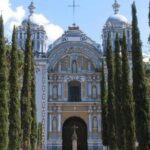
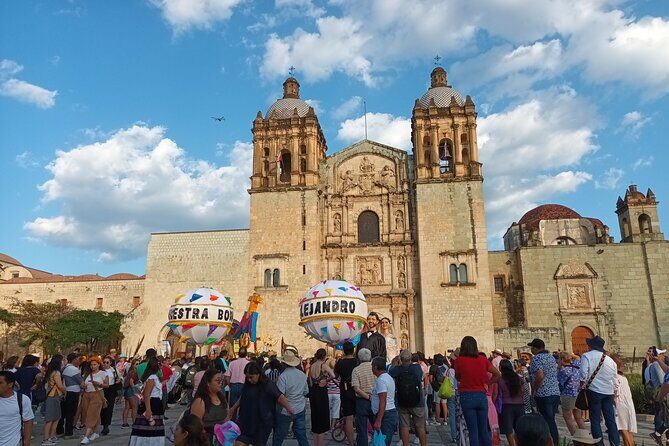
The last main cultural stop is Templo de Santo Domingo de Guzmán. This is one of the standouts on the list, not just because it’s a beautiful church, but because it’s now a cultural center.
Stop 5: Ex-convent and cultural center at Santo Domingo
You’ll spend about 20 minutes at this stop, and admission is listed as free for the visit. Today, the complex functions as a cultural center that includes the Ex-convent, the Museum of the Cultures of Oaxaca, an Ethnobotanical Garden, the Burgoa Library, and a Public Newspaper Archive.
That range matters. You’re not only seeing New Spain baroque architecture (with construction beginning in 1570), you’re also seeing how the space evolved over time into something used by today’s cultural life.
The tour notes a fun possibility: with luck, you might see a calenda or wedding procession in the streets of the city. That’s not something you can count on, but it’s a reminder that Oaxaca’s traditions often spill into the street scene around major landmarks.
Safety, pace, and how to ride Oaxaca’s cobblestones
A short bike tour can still include tricky riding surfaces. Oaxaca City has cobblestones, and that’s where first-time cyclists often feel the difference between “this is fine” and “whoa, slow down.”
One drawback to plan for is exactly that: cobblestones and city traffic can make the ride feel difficult at first. The good news is that the guide provides technical assistance and keeps the group safe. Helmet use is included, and that helps you feel protected without thinking too much.
Here’s what I’d do to make the ride feel easier:
- Wear closed-toe shoes with grip
- Expect slow steering and plan for short stops
- If you’re nervous, tell the guide at the start so they can keep your comfort level in mind
Most travelers can participate, and bikes come in multiple sizes: S, M, L, and XL. If you’re between sizes, ask for the best fit during setup. A good bike fit makes a huge difference over uneven streets.
Value check: what $34.65 buys you in real experience
At $34.65 per person for about two hours, this tour is priced in a way that feels right for first-day sightseeing. It’s not trying to be a long, all-day “see everything” plan. It’s more like a smart intro that helps you understand where to go next.
You’re paying for four clear things:
- Local guide time that connects murals to neighborhood history
- Bike rental plus helmet so you don’t have to arrange equipment
- Technical assistance, which makes the experience lower-stress
- A structured route that hits multiple stops you might skip if you’re walking alone
Also, admission at each listed stop is marked as free. That means you avoid adding extra costs on top of the tour price for these specific sights.
Not included is bottled water. That’s a small miss, but it’s easy to solve with a quick purchase near your meeting time.
The overall value is strongest if you’re a first-time visitor. You’ll come away with a neighborhood map in your head and a better understanding of what Oaxaca chooses to celebrate on its walls and in its public spaces.
Who this tour suits best (and who should rethink it)
This is a great fit if you like street art, enjoy walking-into-history sightseeing, and want a practical way to cover more ground than pure walking allows. It’s also ideal if you want an easy way to learn where neighborhoods like Jalatlaco and Xochimilco feel different from each other.
It may be less ideal if:
- You have very limited cycling comfort on uneven streets
- You hate any chance of traffic exposure
- You need long museum time at each stop (this is timed and focused on route flow)
If you’re flexible and open to a guided mix of art, architecture, and viewpoints, you’ll likely find it an efficient and memorable way to spend an afternoon.
Quick decision: should you book this Oaxaca street-art bike tour?
Book it if you want a short, high-impact way to understand Oaxaca City through its murals and historic neighborhoods. The biggest reasons to say yes are the photo-friendly stops, the structured neighborhood context, and the fact that you’re not left figuring things out solo.
Pass or choose a different option if you’re uncomfortable riding over cobblestones or you know you’ll be anxious around city traffic. For everyone else, this is a smart way to get your bearings fast and leave with stories you can repeat while you explore on your own.
FAQ
How long is the bicycle tour?
It lasts about 2 hours.
What does the tour cost?
The price is $34.65 per person.
Is the tour offered in English?
Yes. The tour is offered in English.
Where do I meet the guide?
Meet at Bike & Roadtrips Oaxaca, C. de Mariano Abasolo 315, RUTA INDEPENDENCIA, Centro, 68000 Oaxaca de Juárez, Oax., Mexico.
What’s included in the price?
You get bicycle use, a helmet, a local guide, and technical assistance.
What is not included?
Bottled water is not included.
Are there admission fees at the stops?
The listed stops are marked as free admission.
How big is the group?
The tour has a maximum of 8 travelers.
What kinds of bikes are available?
Bikes are available in sizes XL, L, M, and S.
What if the weather is poor?
This experience requires good weather. If it’s canceled due to poor weather, you’ll be offered a different date or a full refund.