REVIEW · OAXACA CITY
Make Your Own Chocolate with Oaxacan Tradition Private Class
Book on Viator →Operated by Chimalapa Cacao · Bookable on Viator
Chocolate starts with your hands. You’ll learn Oaxaca cacao the traditional way and end with a drink you helped create. I like the hands-on process (roasting on a clay comal, peeling cacao beans by hand, grinding with a kitchen tool) and I also like the lesson-first approach, where you compare cacao beans and talk about cocoa versus commercial chocolate versus conscious chocolate. One possible drawback: this is a real workshop, not a quick tasting, so plan on getting messy and spending close to 3 hours.
The class runs in a small group of up to 4 people, which makes the explanations easy to follow and the tasting more personal. Expect English instruction, a final cup made from your custom blend, plus a simple cocoa-based treat. If you want a low-effort, sit-and-watch activity, this won’t match your style.
In This Review
- Key things to know before you go
- What this Oaxacan chocolate class is really about
- Price and value for $98.57 per person
- The 2.5-hour flow: from cacao seeds to your final drink
- 1) Start with Oaxaca cacao and the cocoa-to-chocolate lesson
- 2) Roast your cacao on a clay comal from San Marcos Tlapazola
- 3) Peel cacao by hand, with the cultural ritual built in
- 4) Turn cacao into chocolate, and pick your style
- 5) Grind for your drink using a traditional kitchen tool
- 6) Taste, then finish with cocoa-based food
- Who leads the class, and how the teaching feels
- Best parts people love most (and why you’ll care)
- The process is truly hands-on
- The education keeps you from feeling lost
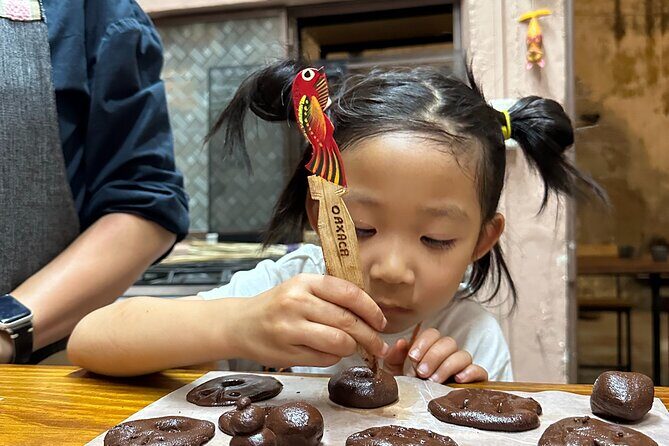
- Kids tend to handle it well
- You get a custom outcome
- The food finish makes it feel like a full experience
- Practical considerations before you book
- 1) This is work, not just a view
- 2) Expect close to 3 hours
- 3) It’s small for a reason
- 4) Language is English
- Where it starts in Oaxaca City
- Is it worth it if you already know chocolate?
- Who should book this class
- Should you book Make Your Own Chocolate with Oaxacan Tradition?
- FAQ
- How long is the chocolate-making class in Oaxaca?
- How many people are in the group?
- Is the experience offered in English?
- What do we make during the class?
- Is there a food component at the end?
- Can I cancel if my plans change?
Key things to know before you go
- Small group, up to 4 people, so you get attention while you work the grinder and taste.
- Clay comal from San Marcos Tlapazola (Central Valleys), used for roasting the cacao the traditional way.
- Hand-peeling cacao beans as a real ritual, with culture and history woven in.
- You choose your chocolate profile, including the percentage of sugar and regional mix-ins (often with chili).
- You grind and drink it like locals, using a traditional grinder to integrate the chocolate.
- You finish with a cocoa-based sandwich and a cocoa toast, plus you take home what you made.
What this Oaxacan chocolate class is really about
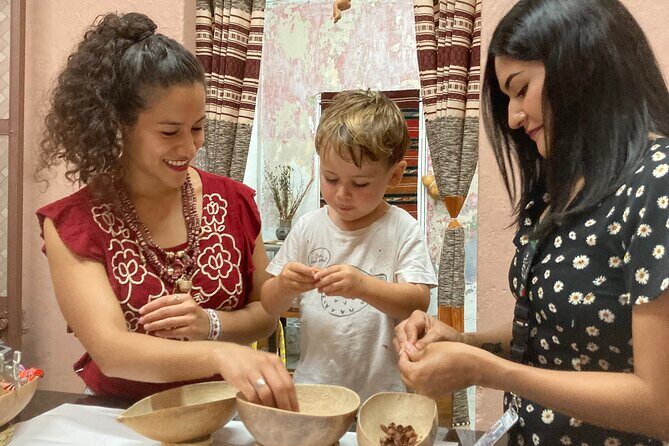
This workshop is about learning the chain of steps behind chocolate. You don’t just taste a finished product and move on. You follow the process from cacao seed to roasted nibs to ground paste to a drink—and you get to make choices along the way.
The setting helps. Even without big showy theatrics, the experience feels rooted in Oaxaca’s cacao culture. The comal is from a specific community, the roasting is done on a traditional surface, and the class keeps pointing you back to what cacao tastes like at each stage.
And yes, you’ll leave with chocolate you made yourself. More importantly, you’ll understand why it tastes the way it does.
You can also read our reviews of more private tours in Oaxaca City

Price and value for $98.57 per person
At $98.57 per person, this isn’t a bargain snack stop. But the structure explains the cost: you’re paying for a private-style, small-group class (max 4), taught in English, with hands-on work throughout.
You also get multiple parts that add up:
- roasting cacao on a clay comal
- hand-peeling beans
- grinding the chocolate for a drink
- tasting and customizing your blend
- finishing with food (a cocoa toast dessert and a cocoa-based sandwich)
If you’ve ever done a “tasting” where you barely touch anything, this feels different. Here you participate in the steps. That’s the value.
The 2.5-hour flow: from cacao seeds to your final drink
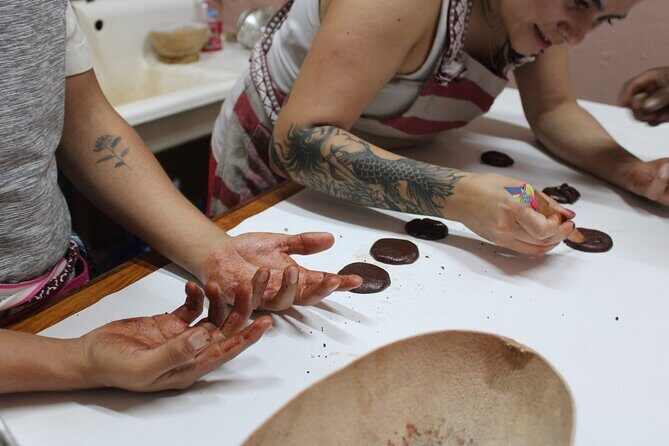
The timing varies a bit in practice, but you’re looking at about 2 hours 30 minutes to around 3 hours. The rhythm stays consistent: learn, roast, peel, transform, taste, and drink.
1) Start with Oaxaca cacao and the cocoa-to-chocolate lesson
You begin with an introduction to the world of cocoa from Oaxaca. The class focuses on helping you recognize the organoleptic qualities of cacao seeds—meaning you’re taught to pay attention to the sensory differences you can smell and taste as you go.
This is also where you sort out the terminology. You’ll learn the difference between:
- cocoa (the raw starting point)
- commercial chocolate (often processed toward a more uniform flavor)
- conscious chocolate (aiming to preserve more of what cacao naturally offers)
This matters because the next steps could otherwise feel like busywork. The teaching gives you a lens: you’ll understand why roasting and grinding change flavor, and why “percent sugar” isn’t the only story.
2) Roast your cacao on a clay comal from San Marcos Tlapazola
Next comes the roasting, done on a clay comal made in San Marcos Tlapazola (Central Valleys, Oaxaca). Roasting is a turning point in flavor: heat develops aroma and shifts bitterness and sweetness.
You’ll feel the workshop’s authenticity here. Instead of just “warming” something in a machine, you’re working in a traditional cooking method. It also sets the tone—this class is hands-on from the start.
A few more Oaxaca City tours and experiences worth a look
3) Peel cacao by hand, with the cultural ritual built in
Then comes the tactile part: you peel cacao by hand. This isn’t described as a quick step. It’s presented as a ritual, with the teacher sharing parts of the history and culture of cacao in their community while you do the work.
It’s a great moment for kids too, if you’re traveling as a family. One reason the class gets such strong remarks is that it’s patient with younger learners. You’re not treated like you’re in the way. You’re part of the process.
4) Turn cacao into chocolate, and pick your style
After peeling, you move into artisanal chocolate making. Here you can choose:
- the percentage of sugar for your chocolate
- how you mix in different regional ingredients
In practice, some blends lean into Oaxacan flavors, including chili. That can be a surprise in a good way—especially if you like chocolate with savory or spicy edges.
This is where the class becomes personal. Two people can start with the same cacao and still end with noticeably different results, just based on sugar level and mix-ins.
5) Grind for your drink using a traditional kitchen tool
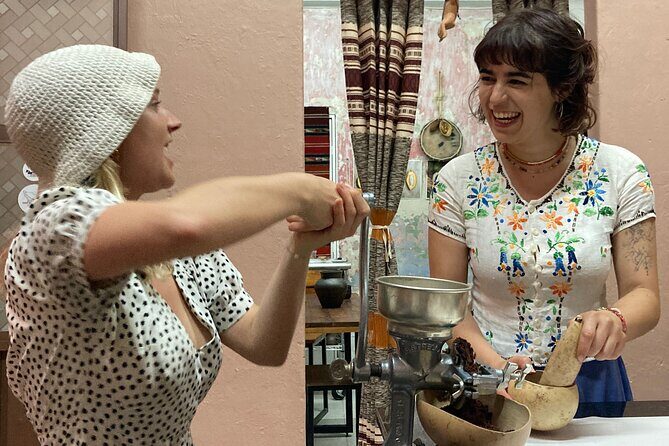
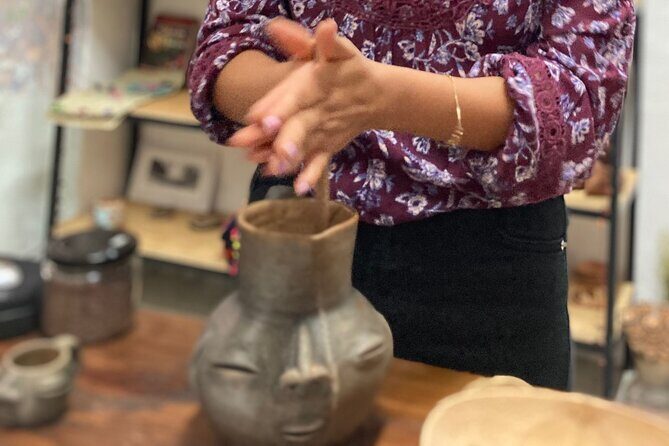
Finally, you prepare your drink using a grinder. This is a traditional utensil meant to help integrate the chocolate properly.
If you’ve only had chocolate as something that comes out of a package, this part reframes the whole experience. Grinding is work. And because you’re doing it yourself, you pay attention to texture—how the drink changes as the chocolate blends.
Some people even describe it like a mini workout. If you’re traveling with friends, it’s also a fun way to compare how different blends taste in the cup.
6) Taste, then finish with cocoa-based food
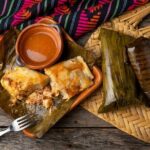
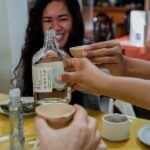
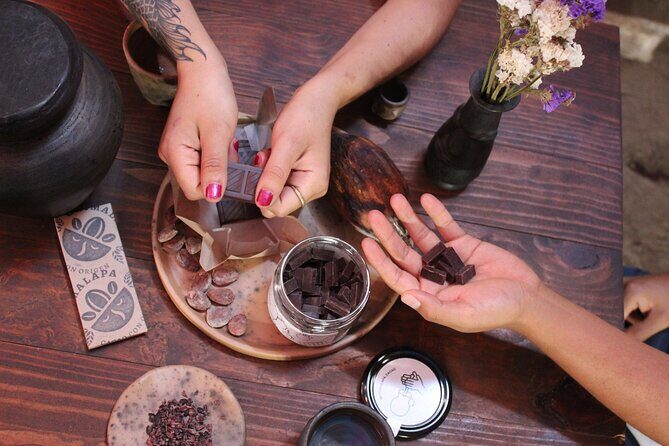
You finish by tasting the drink you made. The class also includes food to round it out: a cocoa-based sandwich and a cocoa toast dessert.
This matters because cacao tastes different when paired with food. The sweetness level you chose lands differently with bread and sandwich flavors than it would as an isolated drink.
Who leads the class, and how the teaching feels
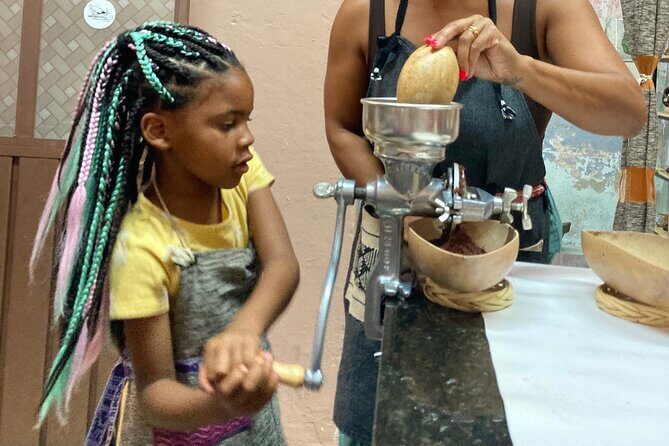
This class is provided by Chimalapa Cacao. In the hands-on experience, you’ll be taught and guided by the team.
Names that come up with impressive consistency include Fernanda, Lupita, Diego, and Ruth. What you’re likely to feel, based on how people describe the experience, is a mix of structure and patience:
- clear step-by-step instruction
- time to answer questions
- guidance that works for both adults and kids
That’s a big deal in a workshop like this, because you can’t just wing it. Cacao steps rely on care, heat, and texture. The teachers make sure you understand what you’re seeing and tasting.
Best parts people love most (and why you’ll care)
The process is truly hands-on
The most praised element is the work itself: roasting, peeling, grinding, mixing. That’s the difference between a class and a snack tour. You leave feeling like you made something real, not just sampled something once.
The education keeps you from feeling lost
Another top theme is that the teaching is practical. You learn enough to understand why each step changes flavor. That turns tasting into learning instead of guesswork.
Kids tend to handle it well
Families often highlight that children enjoy it—sometimes even younger kids. The activity is concrete and sensory, and the team seems comfortable slowing down when needed.
You get a custom outcome
The final drink isn’t generic. Your chosen sugar percentage and regional mix-ins mean you can steer the flavor profile.
The food finish makes it feel like a full experience
Ending with a cocoa-based sandwich and cocoa toast keeps the class grounded. You aren’t just tasting chocolate in isolation; you’re enjoying cacao as part of a simple meal.
Practical considerations before you book
1) This is work, not just a view
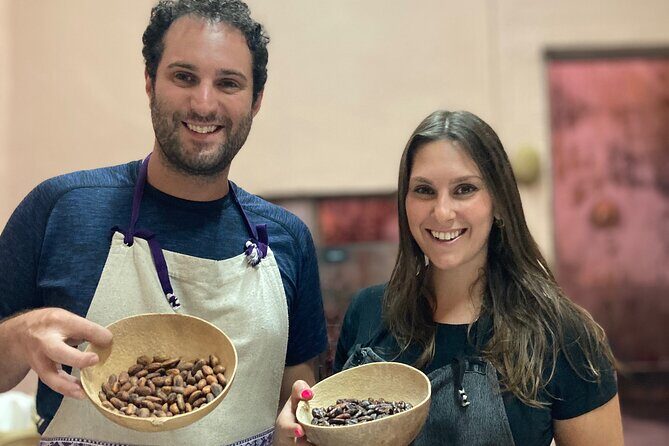
You should expect to peel and grind. There may be cacao residue, and your hands will be doing real tasks. If you’re uncomfortable with mess or physical steps, plan accordingly.
2) Expect close to 3 hours
The duration is listed around 2 hours 30 minutes. In reality, the pacing often stretches a bit once you slow down for tasting and making decisions.
3) It’s small for a reason
With a maximum of 4 travelers, it’s a more intimate class. That’s great for personal attention, but it also means you’re scheduling around limited availability.
4) Language is English
The experience is offered in English, which is helpful if you don’t speak Spanish. That said, cacao terms and aroma descriptions can still be multisensory, so don’t worry if you don’t catch every term—your senses do part of the teaching.
Where it starts in Oaxaca City
The meeting point is at:
5 de Mayo 210, Ruta Independencia, Centro, 68000 Oaxaca de Juárez, Oax., Mexico
The activity ends back at the meeting point. Since it’s near public transportation, you can usually build it into a day without needing a private car.
A small note that helps: center yourself on arriving on time. When the class begins with roasting, you don’t want to be late while the comal is heating up.
Is it worth it if you already know chocolate?
If you already care about cacao or have read about single-origin chocolate, you’ll still get value here. The class doesn’t just serve a product; it teaches the process and how roasting and grinding shift flavor.
If you’re totally new, you’ll also be fine. The structure starts from basics: what cacao is, how sensory qualities work, and how finished chocolate differs from raw cocoa.
Either way, you’ll probably leave with more than a souvenir—you’ll have a way to taste chocolate more thoughtfully afterward.
Who should book this class
This is a strong match for:
- couples who want a memorable, sensory experience beyond museums
- families looking for a hands-on activity where kids can participate
- food lovers who enjoy learning through doing
- anyone curious about Oaxaca cacao culture and not just chocolate sweets
It’s less of a match if you want:
- a mostly passive tour
- very short timing
- a strict focus only on sightseeing
Should you book Make Your Own Chocolate with Oaxacan Tradition?
If you want a chocolate experience that feels authentic—where you roast, peel, grind, mix, and taste—you should book. The small group size, the traditional roasting on a clay comal, and the fact you choose your blend make it more than a demo.
If you’re on the fence because of the price, think of it like this: you’re paying for a guided workshop with real labor and a finished product you personally make. For chocolate people, that value tends to hold up.
FAQ
How long is the chocolate-making class in Oaxaca?
The class runs for about 2 hours 30 minutes (approx.). Many people experience it as closer to around 3 hours once tasting and drink-making take time.
How many people are in the group?
The class has a maximum of 4 travelers, which keeps it more personal while you roast, peel, and grind.
Is the experience offered in English?
Yes. The class is offered in English.
What do we make during the class?
You’ll learn the traditional process of making chocolate and finish by preparing a chocolate drink with a grinder. The class also includes tasting and food such as a cocoa toast and a cocoa-based sandwich.
Is there a food component at the end?
Yes. The sample menu includes cocoa toast as dessert, and you also close with tasting your drink alongside a cocoa-based sandwich.
Can I cancel if my plans change?
You can cancel for a full refund up to 24 hours before the experience starts. If you cancel within 24 hours of the start time, the amount you paid is not refunded.
—
If you want, tell me your travel dates and whether you’re coming with kids. I can help you plan where this fits best in a day in Oaxaca City.