REVIEW · MEXICO CITY
Iztaccihuatl Guided Climb
Book on GetYourGuide →Operated by Travesías México · Bookable on GetYourGuide
Iztaccihuatl feels huge, and you get up close. This 1-day guided climb from Mercado Michoacán takes you onto steep volcanic terrain with professional help and big mountain views—including Popocatépetl and Mexico’s highest peak, Pico de Orizaba.
I especially liked the way you’re led through the day so you’re not guessing what’s next—guides such as Sergio and Alberto have a reputation for being patient when altitude slows people down. I also love that you reach high passes and viewpoints like the 100 Hut at about 4,720 meters, then ride those panoramas back down with your group. The main consideration: this is steep and exposed, and the altitude can hit hard.
In This Review
- Key points at a glance
- From Mercado Michoacán to the first pass: your day starts early
- Guided time on Iztaccihuatl: steep, exposed, and controlled
- The national park lunch break: fuel, warmth, and a bathroom reality check
- Why the passes feel like magic: Popocatépetl and Pico de Orizaba in the same view
- What’s included (and why it’s good value at $214)
- Packing smart for altitude: don’t overthink it, just be ready
- Who should take this climb—and who should skip it
- Should you book Iztaccihuatl Guided Climb?
- FAQ
- How long is the Iztaccihuatl guided climb?
- Where is the meeting point?
- How many people are in the group?
- What languages are the guides?
- What is included in the price?
- Is lunch included?
- What should I bring for the climb?
- Are restrooms available at the trailhead?
Key points at a glance
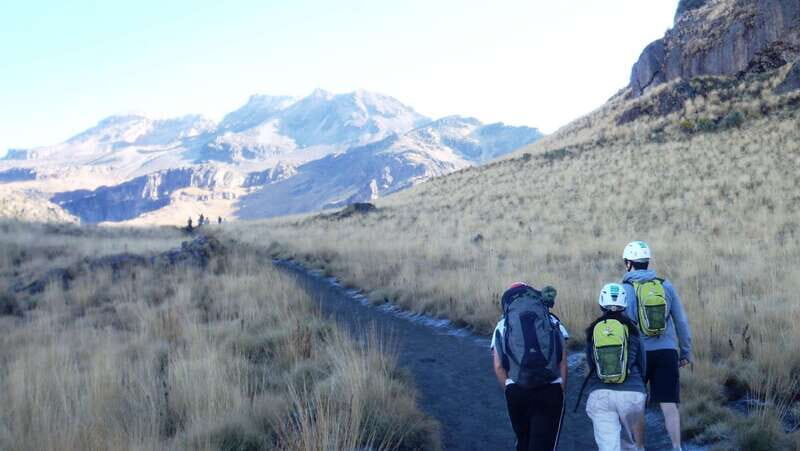
- Panoramas that line up Popocatépetl, Puebla, and Pico de Orizaba from the mountain passes
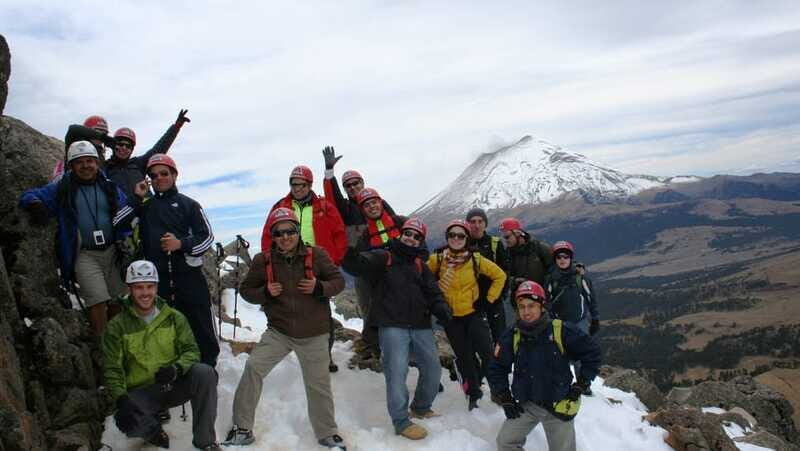
- A guided trek focused on safe pacing across scree slopes and ridgelines
- Third highest volcano in Mexico, with a high destination around the 100 Hut (~4,720 m)
- Small group (max 15) and bilingual guide support (English and Spanish)
- Gear, transport, fees, lunch, and insurance included, plus a borrowed backpack
From Mercado Michoacán to the first pass: your day starts early
Your day kicks off at a clear, easy meeting point: the corner of Vicente Suarez and Michoacán, by the benches in front of Mercado Michoacán. This matters because the climb itself has limited daylight, and the schedule is built around getting you to the trail while you still feel human.
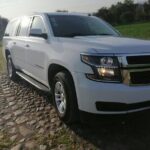
You’ll ride in a van for about 2 hours. It’s long enough to settle in, but not so long that you’re stiff when you start walking. Along the route you get scenic stops on the way to Iztaccihuatl, which helps break up the travel grind and gives you the first taste of what the volcanoes look like from ground level.
The first big mental shift happens at the first pass. You’re not just moving forward—you’re changing sides of the mountain. That turn is when the scenery snaps into focus and you start seeing how the volcanic chain sits over Puebla’s region. If you get motion sickness easily, this is also a good time to take it seriously: the road and altitude combo can be rough for some people.
You can also read our reviews of more guided tours in Mexico City

Guided time on Iztaccihuatl: steep, exposed, and controlled
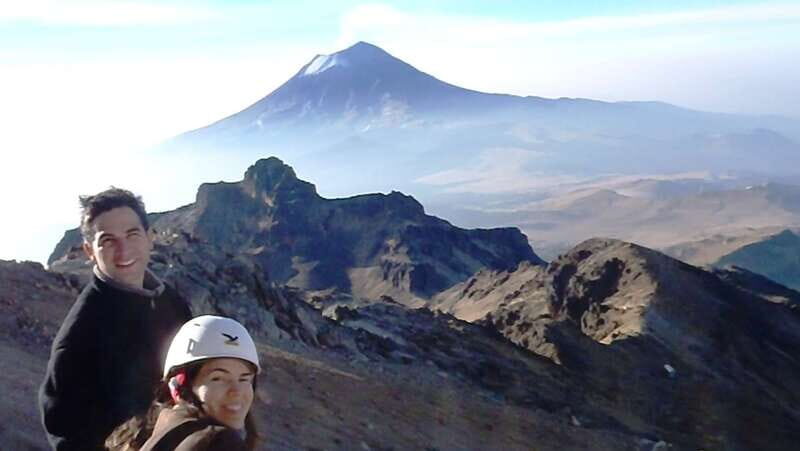
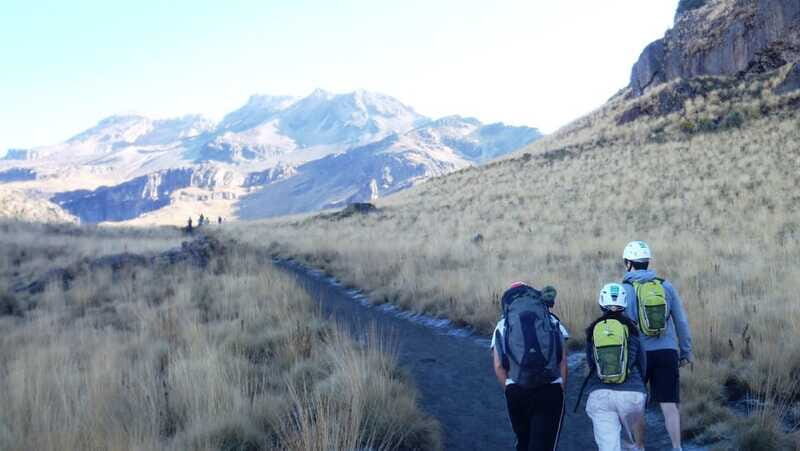
The walking portion is the heart of the experience, with roughly 7.5 hours of climbing, guided tour, and on-trail time. You’re not left to figure out the route on your own. Instead, a guide keeps the group moving with a rhythm that works on steep volcanic ground.
Expect scree and uneven footing. That’s the tradeoff for seeing big views. This isn’t a flat walk where you can talk the whole time. You’ll likely pause for photos and for the guide to explain what you’re looking at, then keep going when the terrain asks for it.
Altitude is part of the deal here, and you should treat it like an actual variable, not a line on a brochure. Some people in past groups have had lightheadedness and even vomiting during the hike. That doesn’t mean the tour is unsafe—it means you need to respect pace and pay attention to your body. The best thing you can do is use the guide’s support early, slow down before you feel bad, and take breaks without shame.
On many days, groups can reach the third portillo at around 15,000 feet, but then you turn back in order to keep daylight. That turnaround is smart. It keeps the day from becoming a rushed descent in low visibility.
The national park lunch break: fuel, warmth, and a bathroom reality check
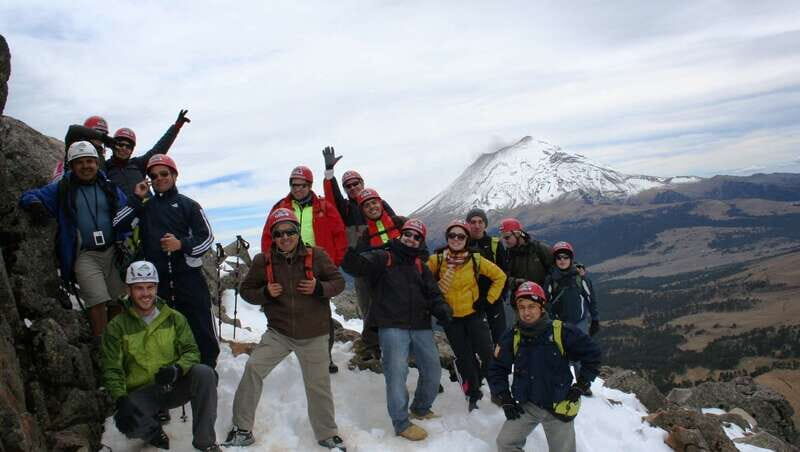
At some point you’ll enter Iztaccihuatl–Popocatépetl National Park for lunch, with about 1 hour set aside for regional food. This pause isn’t just for eating. It also gives you a chance to reset—wipe sweat, change layers if you need to, and make sure your hands and feet feel stable again.
The biggest practical lesson: plan for limited facilities. Once you’re in the national park area, there are no restroom facilities—not even at the trailhead. A smart move is using a restroom stop at a gas station before you get deeper into the park. Bring your own toilet paper and, if you’re carrying out trash, a small doggie bag helps keep you prepared.
Weather also deserves respect. Mountain conditions can swing fast—sun, wind, and clouds can all happen. Bring rain gear even if the morning looks clear, and be ready to warm up during stops even when you felt hot earlier.
When lunch hits, it’s a real part of performance, not just a cultural break. Your legs need it for the return, and your mind feels better too when you know you’ll have a proper break before the final push.
Why the passes feel like magic: Popocatépetl and Pico de Orizaba in the same view
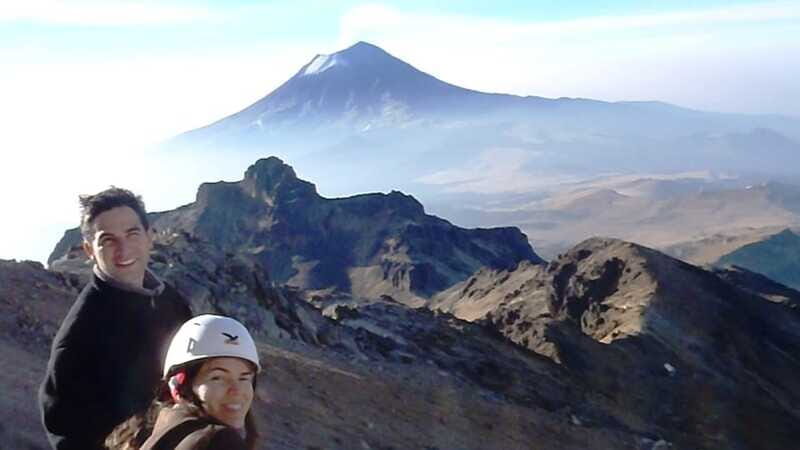
Here’s the point of the day: you’re climbing to places where the mountain chain lines up visually. At the first pass, you get a view of the other side of Iztaccihuatl, and Popocatépetl comes into view in a way that feels immediate—like you can read the mountain’s story just by looking.
Then you continue toward a scree slope and eventually reach a higher pass (the day’s third pass). That’s where the scenery expands again: you’re now on the side that lets you see Puebla in the distance, plus the big presence of Pico de Orizaba, which is the highest point in Mexico.
This is why a guided climb can feel different from a self-led hike. The guide helps you understand what you’re looking at and where the views came from. You’re not only walking—you’re learning how to “read” the terrain: ridges, slopes, and which valleys open up in which direction.
If you love photo moments, you’ll get them—but the better value is that the views are connected to your effort. Each pass has meaning. Each turn tells you something about the volcanoes’ relationship to the surrounding valleys.
What’s included (and why it’s good value at $214)
At $214 per person for a full day, the biggest value isn’t just the price tag. It’s what’s rolled into it, which saves you from building a whole setup yourself.
You get:
- Transportation (van to the mountain and back)
- A guide for the trek
- Mountain fees
- Technical equipment
- Lunch and food
- Insurance
- Loan of a backpack
That combination is where the money goes. A guided, fee-based national park climb usually costs more once you start adding separate tickets, guide time, transport, and equipment. Here, those pieces are bundled, and that’s why this price can feel reasonable if you don’t want to manage logistics all by yourself.
One more value point: small groups. With a limit of 15 participants, the guide can pay attention to pacing and comfort. That matters a lot on altitude and steep terrain, because one slow or struggling person can change the whole vibe.
Alcoholic drinks are not included. That’s normal for day hikes, but it’s worth noting so you don’t show up expecting a beer-with-your-view situation.
Packing smart for altitude: don’t overthink it, just be ready
This tour gives you technical equipment and a borrowed backpack, but you still need to bring the basics that keep you safe and comfortable. The list is straightforward and worth treating seriously.
Bring:
- Comfortable shoes and/or hiking shoes
- Sunscreen and sunglasses
- Change of clothes and a towel
- Rain gear
- Gloves
- Comfortable clothes you can layer
Altitude turns simple items into essentials. Sunglasses help with glare. Gloves help when wind hits at higher elevation. Rain gear helps when the weather flips. A change of clothes and towel can make the return ride feel less miserable.
Also, if you tend to get cold easily, plan for it. Even if the day starts mild, mountains can get windy and chilly fast.
One small planning tip I really like for climbs like this: keep your important gear easy to reach. You don’t want to play backpack Tetris while your group is waiting at a pass.
Who should take this climb—and who should skip it
This is not a gentle hike. It’s guided, but it’s still steep with exposure and real elevation demands.
It is not suitable for:
- Pregnant women
- People with back problems
- People with heart problems
- People with respiratory issues
If you fall into any of those categories, don’t try to “tough it out.” Altitude and steep terrain can worsen symptoms, and the tour’s design doesn’t suggest it’s built for medical limitations.
It’s also a good idea to be honest with yourself about altitude. If you know you struggle with lightheadedness at height, this climb can be a tougher day than you’re expecting. The guide can help you pace, and groups can move slower, but the environment itself is still demanding.
On the flip side, if you’re an active traveler who enjoys climbing for views—and you’re okay with uneven volcanic ground—this hike can feel like one of the most rewarding ways to see central Mexico’s volcano power.
Should you book Iztaccihuatl Guided Climb?
Book it if you want a guided high-altitude volcano climb with views that connect multiple famous peaks, and you prefer a small group where pacing matters. The fact that transport, fees, insurance, technical equipment, and lunch are included makes the $214 price easier to justify than piecing together a climb yourself.
Skip it if steep, exposed terrain and altitude make you nervous for a reason. This isn’t the kind of tour where you can casually wander and still enjoy the day. Also skip or reconsider if you’re in one of the listed non-suitable categories like heart or respiratory issues.
If you do book, come ready to move steadily, follow the guide’s pace, and plan for the basics people forget—especially the lack of restrooms once you’re in the national park area. With that mindset, the day delivers: you work for big viewpoints, then you come back with your legs tired and your eyes full.
FAQ
How long is the Iztaccihuatl guided climb?
The experience runs for 1 day.
Where is the meeting point?
You meet at the corner of Vicente Suarez and Michoacán, at the benches in front of Mercado Michoacán.
How many people are in the group?
The group is limited to a small size, with a maximum of 15 participants.
What languages are the guides?
The live tour guide speaks English and Spanish.
What is included in the price?
Included are transportation, the guide, mountain fees, technical equipment, lunch and food, insurance, and a loan of a backpack.
Is lunch included?
Yes. Lunch with regional food is included for about 1 hour.
What should I bring for the climb?
Wear comfortable shoes or hiking shoes. Bring sunglasses, sunscreen, change of clothes, a towel, gloves, rain gear, and comfortable layered clothing.
Are restrooms available at the trailhead?
According to guidance shared for this climb, there are no restroom facilities once you reach the national park, including at the trailhead, so you’ll want to plan beforehand and bring toilet paper.