REVIEW · MEXICO CITY
Hike at Nevado de Toluca Volcano
Book on Viator →Operated by Ecotura · Bookable on Viator
Four thousand meters makes this hike unforgettable. Nevado de Toluca isn’t just a walk in the mountains; it’s a chance to hike among crater lagoons on a volcano with major altitude drama built in. I especially like the small group size (max 16) and the way the day is structured so you’re not just dropped off and left to figure things out. Expect guides to stay focused on safety and pacing so you can enjoy the place, not just survive it.
The one catch: this is a serious altitude outing. The hike begins around 4,000 meters, and it’s not for sedentary fitness levels. If you’re unsure, it’s worth thinking hard before you commit to a 5:30am start plus demanding walking.
In This Review
- Key things that matter before you go
- Nevado de Toluca: the volcano with crater lagoons
- The 5:30am pickup and the calm before the high altitude
- What hike are you actually doing: summit or the lagoon loop?
- Starting at 4,000m: pace, breathing, and why guides matter
- On the trail: crater lagoons, big steps, and high-altitude technique
- Lunch and snacks: your energy plan for a 12-hour day
- Guides, English, and the difference between feeling safe and feeling rushed
- Group size and the feel of the day
- Price and value: what $105 really buys you
- Weather matters: how to read the mountain’s mood
- Who this hike suits best
- Should you book? My take
Key things that matter before you go
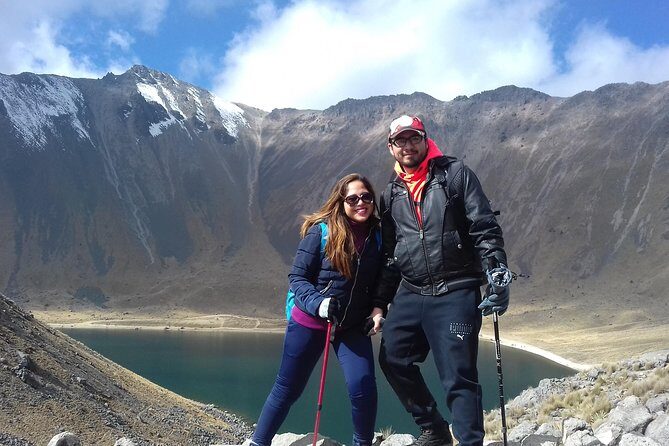
- Early 5:30am start from a central CDMX hotel so you reach the trail while conditions are best
- A crater with lagoons linked to archaeological remains, plus the Nahuatl name Xinantecatl meaning naked lord
- Two possible styles of hiking depending on the day: a lagoon-focused route or a summit push
- Guides that manage altitude pacing and help you go slow enough to avoid getting wrecked
- Included lunch and snacks to keep energy steady before the return ride
- Max 16 hikers which usually makes it easier for the group to move together
Nevado de Toluca: the volcano with crater lagoons
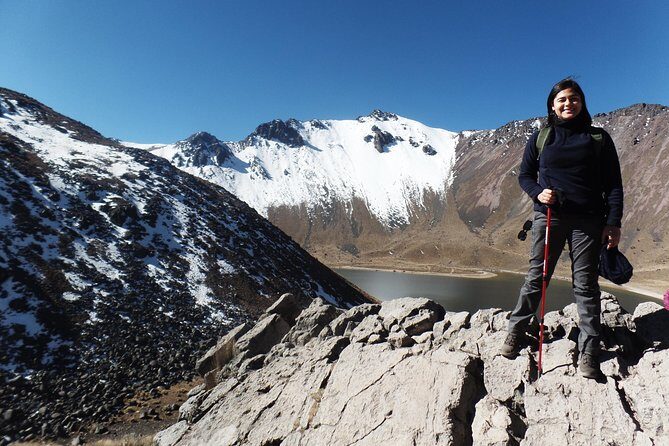
Nevado de Toluca is the only volcano in Mexico known for having lagoons inside its crater, and archaeological remains have been found there. That combo makes the hike feel different right from the start. You’re not only “doing a mountain.” You’re visiting a place with deep layers—geology first, then the human story.
And then there’s the name. Xinantecatl is a Nahuatl word that translates as naked lord. You’ll hear that kind of cultural detail from guides, and it helps you see why people treat this as more than a checkbox hike.
This trip also comes with the classic Nevado feeling: thin air, serious cold at elevation (even if Mexico City feels mild that morning), and big crater views. The mountain doesn’t care that it’s your vacation. It asks you to show up prepared.
You can also read our reviews of more hiking tours in Mexico City
The 5:30am pickup and the calm before the high altitude
Your day starts at 5:30am at Fiesta Americana Reforma on Av. P.º de la Reforma 80. You’ll ride in an air-conditioned minivan, and your tour ends back at the same meeting point.
Why does this early start matter? Because at 4,000m+, conditions can change quickly and energy matters. An early departure also means you’re less likely to arrive after fatigue has already stacked up from travel and breakfast-as-an-afterthought.
One practical thing I like about how this tour is run: it’s built for convenience. You get transport plus lunch/snacks included. You’re not piecing together three different plans before you even hit the trailhead.
If hotel pickup/drop-off is offered, it’s for selected hotels only, so double-check whether your hotel qualifies when you book.
What hike are you actually doing: summit or the lagoon loop?
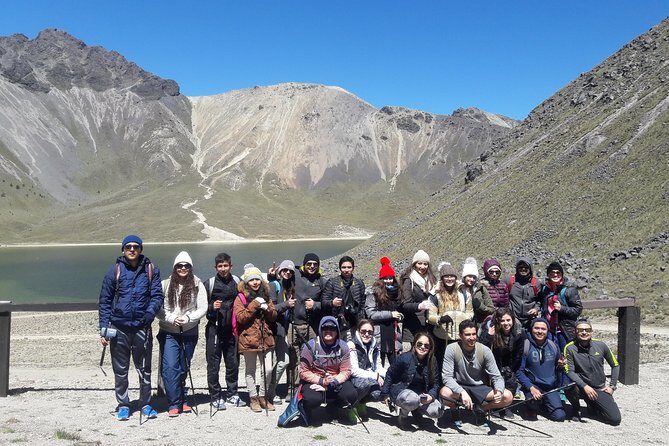
Here’s the big decision point. The Nevado de Toluca experience can be done in different ways. One style focuses on hiking around the two crater lakes. Another option is a higher effort summit hike.
Your tour listing highlights reaching the summit, but the experience on the ground can vary by what’s operating that day. In practice, it’s smart to confirm with the operator before you leave Mexico City: are you going for the summit that morning, or are you doing the crater lagoon route?
This matters because it changes:
- how hard the hike feels
- how long you’ll be walking
- what kind of views you’ll prioritize
If you’re the type who wants the biggest badge-at-the-top moment, ask for the summit option. If you’d rather focus on crater scenery and steady progress without the extra punch, the lagoon route can be more your speed.
Starting at 4,000m: pace, breathing, and why guides matter
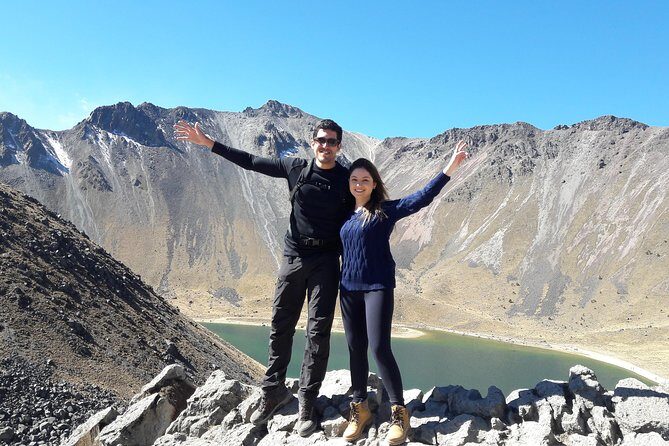
The hike begins around 4,000 meters above sea level. That’s not just a number on a brochure. At this altitude, your lungs and legs work harder even when the incline doesn’t look extreme.
That’s where the guided pacing becomes the difference between a great day and a miserable one. Reviews and operator approach point to guides who help the group move slowly and safely—especially for altitude adjustment. In at least one example, guides helped hikers go slow enough to reduce the risk of altitude sickness.
You should assume you’ll walk slower than you’re used to. If you show up expecting a normal hiking tempo, you’ll end up annoyed or overexerted early.
Also, bring the mindset of a climber, not a commuter:
- breathe steadily
- take breaks before you feel awful
- don’t compete for distance
If you’re unsure about your fitness, this tour is described as requiring at least a moderate fitness level with an emphasis on not being suitable for sedentary people. Minimum age is 18, too.
On the trail: crater lagoons, big steps, and high-altitude technique
Once you’re at the trail, the hike is all about rhythm. On lagoon-focused routes, you can expect a circuit feel, moving around the crater and its water features. One detailed description of a lagoon route measured about 7 km with roughly 327m of elevation gain and around 5 hours of hiking time at a slow enough pace for many hikers with reasonable condition.
The important part isn’t just distance. At altitude, every step becomes heavier. Even if the elevation gain doesn’t sound huge on paper, the high start altitude makes it feel like more.
For summit-style hikes, you’ll be pushing into even more strenuous territory. That’s the physical challenge your highlight section promises.
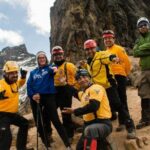
The good news: equipment and support help. One review notes that hiking poles and drinking water were provided. Poles are underrated at altitude—they save your knees on uneven ground and help you keep balance when breath gets short.
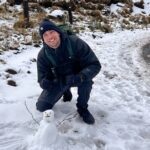
If you do the crater lakes portion, you may also encounter snow-covered slopes depending on conditions. The main tip here is attitude: it may look intense, but a well-run group with good guide instruction can make it much safer than it first appears.



Lunch and snacks: your energy plan for a 12-hour day
This is about a 12-hour outing (approx.). Breakfast isn’t included, so plan to eat beforehand—or at least grab something quick before pickup. Once you’re in the hike portion, you want your calories and fluids under control.
What’s included:
- lunch
- snacks
In one example of a shorter crater lakes hike, a light lunch pack and water were part of the day. Even when the pace is slow, high altitude burns energy quickly. The included meals are not a bonus. They’re part of keeping you functional for the descent and return ride.
When to hydrate? Before you feel thirsty. When to eat? Don’t wait until hunger hits hard. It’s a long morning, and you’ll enjoy the views more when your body isn’t fighting you.
Guides, English, and the difference between feeling safe and feeling rushed
A recurring strength here is the guide team: friendly, attentive, and focused on safety. One review specifically praised guides for being invested in the hikers and staying respectful toward the mountain.
If you’re traveling in English, that’s another plus. The experience is described as offered in English, and at least one guide (Paola) has been noted for very good English skills. Another guide name that appears in firsthand feedback is Alexandria, described as professional and helpful.
For me, what matters is this: when you’re dealing with altitude, communication is part of safety. Clear instructions about pacing, steps, and weather-aware decisions are easier when your guide can explain in your language.
Group size and the feel of the day
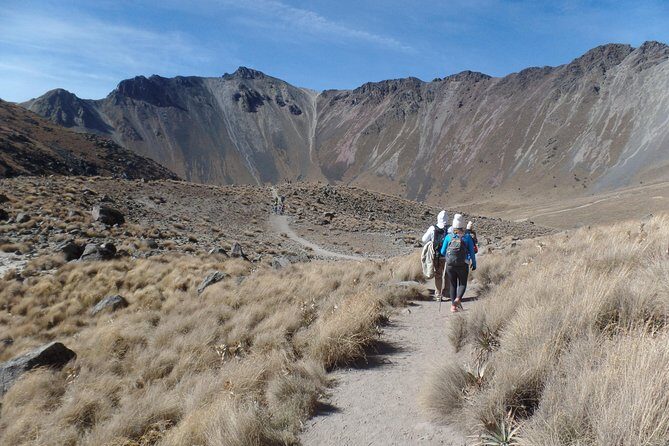
With a maximum of 16 travelers, this doesn’t feel like a cattle call—at least compared with mega-group tours you may see in Mexico City’s big-adventure scene.
Smaller groups also tend to move more smoothly at altitude. You can spread out for breath and then regroup for instruction. It’s easier for the guide to notice who is struggling and offer pacing support.
One practical reality: Nevado de Toluca can be popular and other operators may be out there too. If you want a quieter, more personal feel around the crater, consider going in months suggested for fewer visitors. Based on a helpful note, targeting March–May or October–November may improve crowd levels. Weekdays can also help.
Price and value: what $105 really buys you
At $105 per person, this sits in the “worth it if you want convenience and a real guide” range—not a cheap DIY day, but not luxury pricing either.
Here’s what you’re paying for:
- transportation by air-conditioned minivan
- hotel pickup and drop-off (selected hotels)
- all fees and taxes
- lunch and snacks
- the guided hiking component
You’re also paying for the fact that you’re starting from Mexico City early, then dealing with the mountain’s demands. That guide support, plus having food sorted, is where the value is.
If you planned to do this independently, you’d still need transport, entry planning, and a way to manage altitude safety. This tour gives you that structure in one ticket, which is exactly what you want on a day that starts at 5:30am and ends long after normal dinner time.
One more value point: confirmation is received at booking time, and the tour uses a mobile ticket. That reduces the mental load before you leave.
Weather matters: how to read the mountain’s mood
This experience requires good weather. That’s not a marketing line—it’s a practical reality at high elevation. If conditions are poor, you’ll be offered a different date or a full refund (per the tour’s policy).
So when you book, treat it like a weather-sensitive adventure. Pack for cold and wind. Even if Mexico City is warm, the crater can feel different fast.
If you’re the kind of traveler who hates uncertainty, this may be a tough one. But if you’re flexible and okay waiting for good conditions, the payoff can be excellent.
Who this hike suits best
This tour is best for you if:
- you like physical days and want high-altitude challenge
- you have at least moderate fitness and you hike regularly
- you want a guided experience for safety and pacing
- you enjoy nature plus cultural context (the Xinantecatl story, crater lagoons, and archaeological connections)
It’s not a great match if you’re sedentary or just trying to “see a viewpoint without effort.” Since the hike begins around 4,000m and involves demanding walking, your body will feel it.
Also, it’s for adults only (minimum age 18).
If you’re deciding between summit and lagoon styles, pick based on your altitude comfort. A steady lagoon route can still feel epic when the pacing is right.
Should you book? My take
I think you should book this hike if you want a serious day outside Mexico City that feels authentically tied to place—crater lakes, volcano lore, and high-altitude effort handled with guided pacing. The small-group size, included lunch/snacks, and strong safety focus are the ingredients that make the day work.
Hold off if you’re unsure about altitude or you hate early starts. This isn’t a casual outing. It asks for respect: to your fitness, to the thin air, and to the mountain’s schedule.
If you book, do one smart thing: confirm whether your specific day is a summit push or a lagoon-focused route. That one detail can make the day line up with what you’re hoping to get out of Nevado de Toluca.