REVIEW · CABO SAN LUCAS
Cabo San Lucas: 2-Hour Whale Watching Adventure
Book on GetYourGuide →Operated by Cabo Adventures · Bookable on GetYourGuide
In This Review
- Instant whale vibes
- Key things you’ll notice (even before the whales arrive)
- Cabo whale watching from a soft-sided inflatable boat
- When you’ll actually see whales: season and expectations
- The boat ride you’ll feel: speed, comfort, and how close you get
- Guided tracking: what the marine guide is really doing
- What the whales do matters: breaching, playing, and listening
- Snacks, water, and the small comforts that keep the hunt going
- Pickup and ride timing: San José del Cabo or Cabo San Lucas
- The real cost: $99 plus fees adds up, but it can still be fair value
- What to bring: keep it practical for wind and spray
- Who should book this whale watching adventure
- Should you book this Cabo whale watching tour?
- FAQ
- FAQ
- When is the best time to see whales on this tour?
- How long is the whale watching experience?
- What boat will I ride on?
- Is the hydrophone included?
- Do I need to pay any extra fees besides the $99 price?
- What’s the age requirement?
- Is pickup available from Cabo San Lucas and San José del Cabo?
- Is there a bathroom on board?
- What should I bring for the trip?
- Who can’t participate?
- What languages is the guide?
- What’s the cancellation policy?
Instant whale vibes
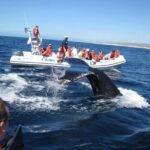
There are few things more satisfying than waiting on ocean time for humpbacks to show up. This Los Cabos whale-watching cruise runs in the season when migrating humpback whales are reliably around from mid-December to mid-April, and you get closer than you expect thanks to a whale-friendly inflatable boat design.
I especially like the small-group feel. It helps you move with the animals instead of feeling like you’re in traffic, and it makes the guide’s attention feel personal. I also love the onboard hydrophone, which lets you listen to whales’ underwater communication instead of only guessing from the surface.
One thing to consider: this tour is not for everyone. If you’re pregnant, have back or neck surgery/injuries, or you need wheelchair access, you won’t be able to join, and there’s also no bathroom on board.
Key things you’ll notice (even before the whales arrive)
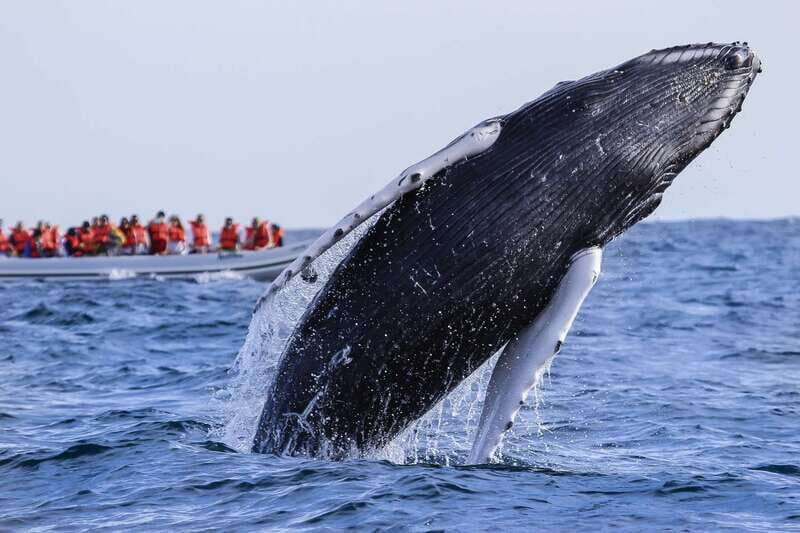
- Whale season timing: mid-December through mid-April is when you’re looking for migrating humpbacks in Los Cabos waters
- Small-group pace: fewer boats in your orbit tends to mean a more intimate, less crowded feeling
- Inflatable boat safety and photo angle: high-speed, soft-sided inflatable boats are designed for close wildlife viewing
- Underwater hydrophone: listen to whale communication while you’re out on the water
- Real show moments: breaches and playful dolphin behavior can happen close and suddenly
- Warm-water comfort tips: warm clothing plus a jacket helps because you’re moving fast over open water
You can also read our reviews of more whale watching tours in Cabo San Lucas
Cabo whale watching from a soft-sided inflatable boat
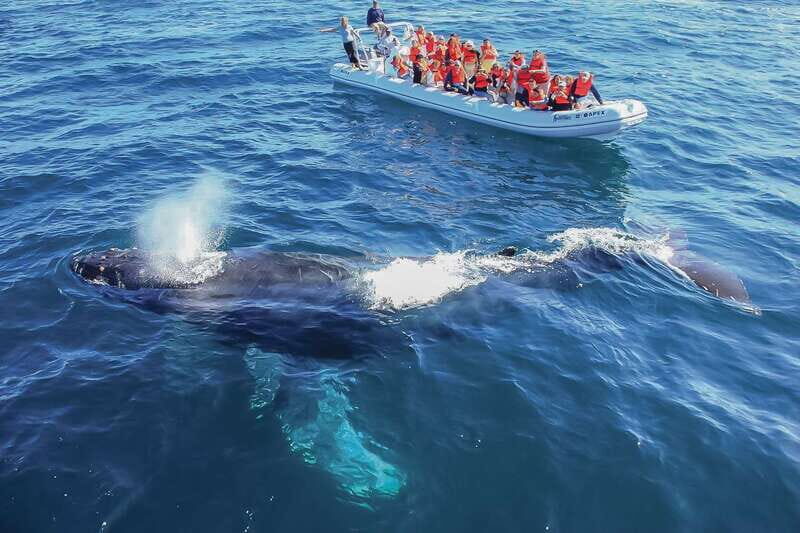
Cabo San Lucas has a talent for turning “just a boat trip” into a real wildlife encounter. This is one of those tours where your plan matters less than the whales’ plan. Your job is to show up, follow instructions, and be ready when they decide to perform.
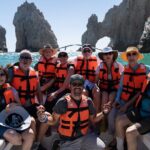
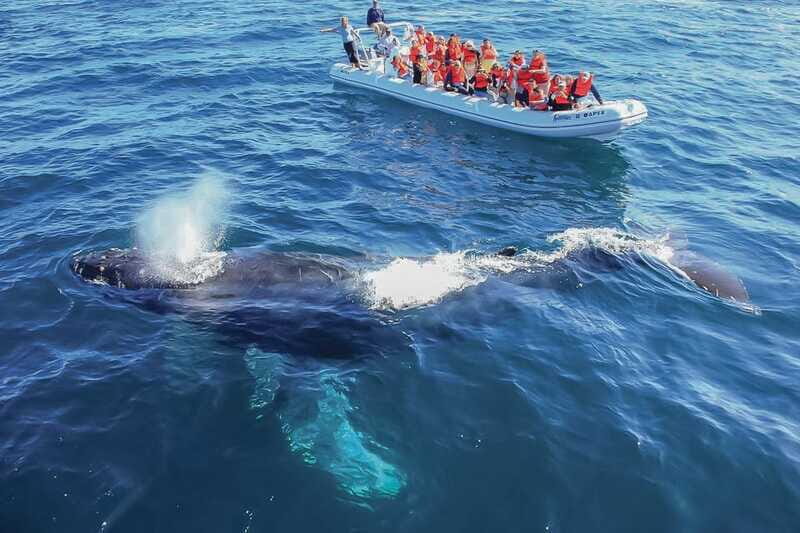
The big reason this tour works is the boat. You’re not riding in a stiff, hard-sided vessel. You’re on a comfortable high-speed inflatable boat, built to be whale-friendly. That matters because whales are sensitive to how boats handle distance and vibration. In practice, it usually means you can get into viewing range without the whole experience feeling stressful for the animals.
Also, inflatable boats change how you experience the ocean. You still feel speed, wind, and movement, but the ride can be easier on you than you might expect. That’s a quiet but real quality-of-life point, because whale watching is one of those activities where you sit and look for long stretches, then suddenly the action happens and you want to be ready to film.
When you’ll actually see whales: season and expectations
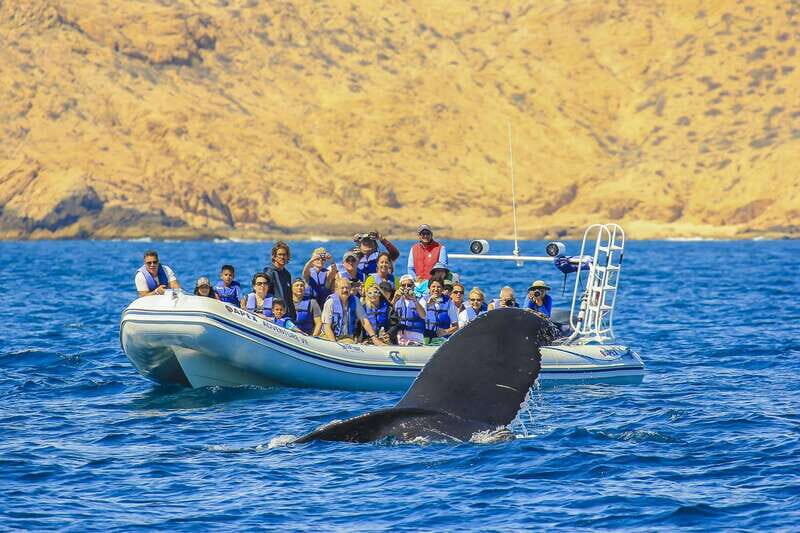
Timing is the whole game here. You’re looking for humpback whales in Los Cabos waters from mid-December to mid-April. That’s the window when migrating whales are present, and when the best chances line up for both sightings and behavior like breaching.
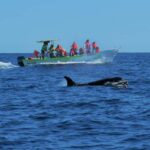
What I love about this setup is the honesty in the approach: there’s no promise of a predictable script. The ocean doesn’t run on a schedule, and whales especially don’t. Your guide’s job is to track movement and put you where the action might be, but the whales still set the pace. You’ll often feel like the boat is reacting in real time, which is part of the thrill.
Inside that season, you’ll be watching for humpbacks and also dolphins. The tour highlights playful humpbacks and dolphin frolicking, and that’s exactly what makes this feel more lively than a quiet scan-and-wait cruise.
The boat ride you’ll feel: speed, comfort, and how close you get
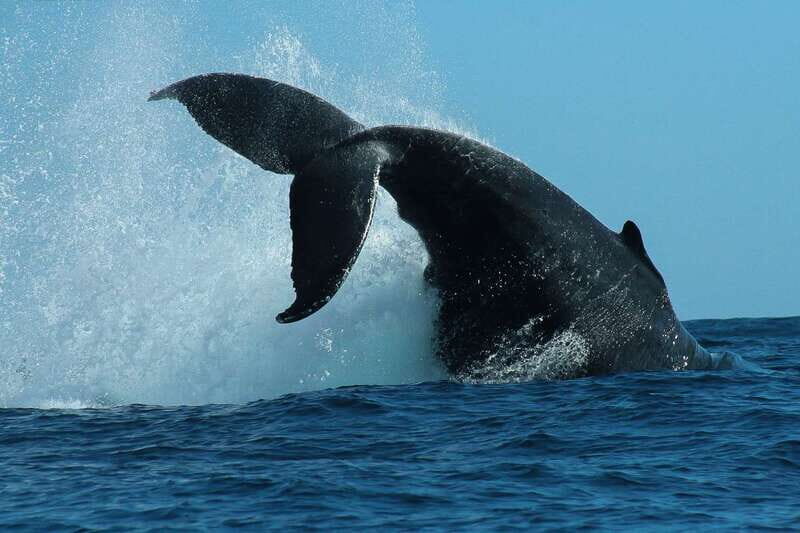
You’ll travel out by guided cruise in an airboat-style inflatable setup with high speed. The itinerary shows a van ride and then a whale-watching window listed at about 2.25 hours on the water once you reach Cabo San Lucas. Even if the total booked activity is marketed as two hours, plan on your day feeling like more than just the time on the waves. That’s normal for whale trips because getting offshore takes time.
The payoff is that speed helps you reach whales quickly. If the first sightings are elsewhere, a fast boat helps keep your chances up. And when the whales are close, it’s a different viewing experience than you get from far-back distances. You’re watching them like they’re happening in real space, not like you’re scanning through binoculars.
One more practical point: you should dress as if you’ll get hit by wind and spray. The tour has you looking out at the ocean for long moments, and wind can turn “warm and sunny” into “why did I skip a jacket.” Bring sunglasses and a sun hat, but also bring a warm layer. Even on a comfortable day, being underway changes the feel fast.
Guided tracking: what the marine guide is really doing
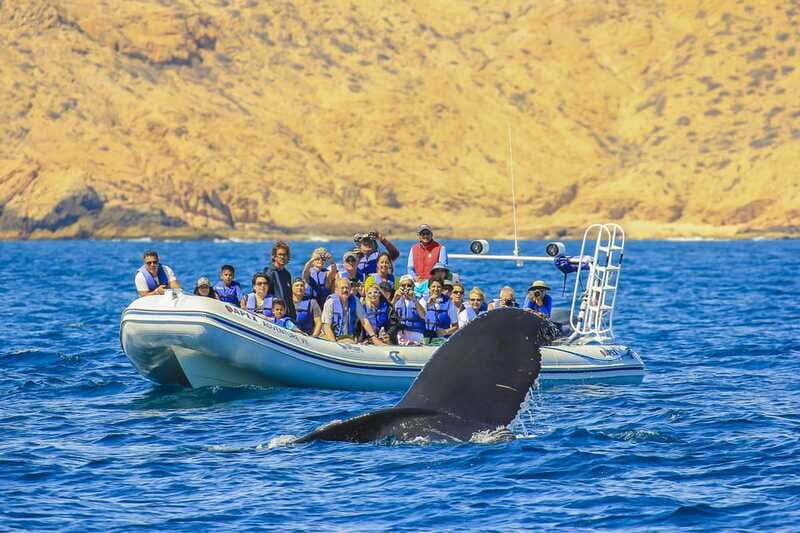
This tour includes a marine guide and an onboard hydrophone. The guide’s role isn’t just pointing out whales. They’re teaching you how to read whale behavior and what you might be seeing as the animals move.
You should expect explanations about humpback habits and how the animals interact with their environment. It’s the kind of learning that makes the whole trip feel smarter, not just louder. When you understand what you’re looking at—breaches, surface activity, movement patterns—you tend to remember the experience better and take better photos, too.
The hydrophone part is especially valuable. You can listen to whales’ underwater communication using the equipment on board. That gives you a second layer to the encounter. Instead of only relying on visual cues, you get sound. It’s one of the reasons this kind of tour feels more like nature education than a generic sightseeing cruise.
A few more Cabo San Lucas tours and experiences worth a look



What the whales do matters: breaching, playing, and listening
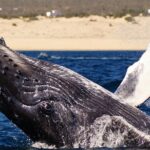
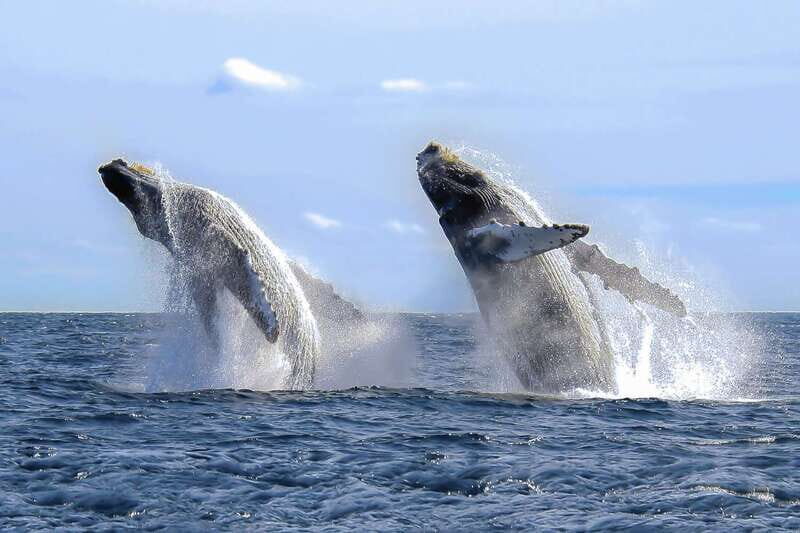
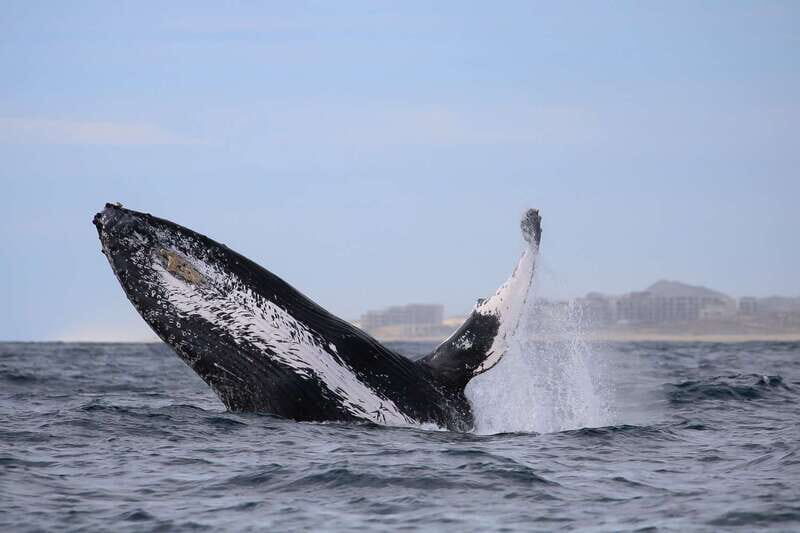
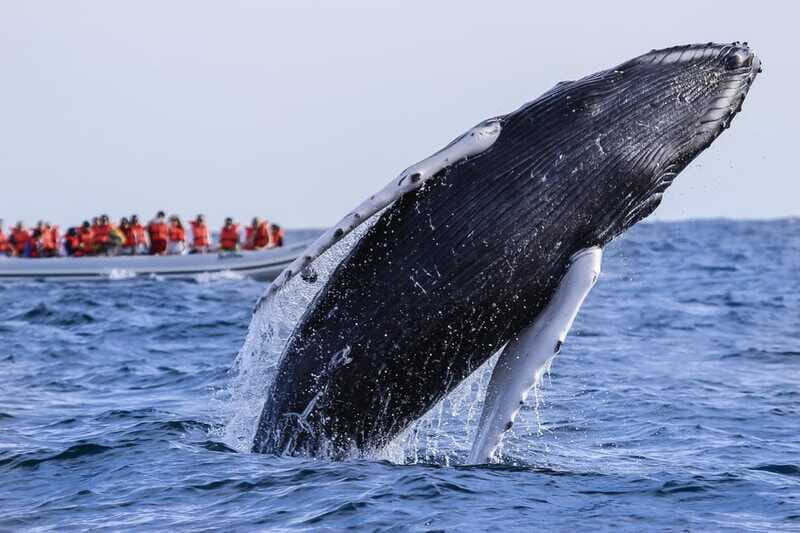
When the whales are active, the experience shifts quickly from observation to performance. The tour highlights whales breaching and dolphins frolicking, and that’s the sort of behavior that makes everyone on the boat snap from quiet watching to excited filming.
Breaching is dramatic because it’s visible from far enough away to get the whole group involved, but close enough to feel real. And dolphins often add movement that keeps your attention from drifting. They tend to make the ocean look busy, while whales bring the big, slow majesty.
Then there’s the underwater communication. Hearing whales through the hydrophone makes you feel like you’re part of the underwater world rather than only watching the outside of it. It’s a neat trick of technology, and it changes how the trip lands in your memory.
Snacks, water, and the small comforts that keep the hunt going
You’ll have snacks and bottled water while you sail. It’s not a full meal situation, so don’t treat it like dinner. But the reality of whale watching is waiting and scanning, which can get draining even in good weather.
Having water available means you’re less likely to burn through your energy too early. Snacks keep you from turning grumpy mid-session. The whole point is keeping you focused on the ocean instead of on bodily needs.
Also, because this is a fast-paced trip at sea, those small comforts matter more than you think. You don’t want your day to end because you forgot that being outside is work for your body, too.
Pickup and ride timing: San José del Cabo or Cabo San Lucas
You get two pickup options: San José del Cabo and Cabo San Lucas. The itinerary lists a van segment of about 1.5 hours, then you’re in the Cabo San Lucas area for the cruise and whale watching.
That van ride is a double-edged sword. It’s time you’re not on the ocean, but it gets you to the starting point efficiently. If you’re staying in either town, pickup also saves you from figuring out the schedule on your own.
The tour has two drop-off locations, again Cabo San Lucas and San José del Cabo, so you don’t have to arrange a separate ride afterward. You’ll get email confirmation of pickup time and location, and the transport vehicle is identified as a white Cabo Adventures van with drivers in light blue polo shirts.
The real cost: $99 plus fees adds up, but it can still be fair value
The base price is $99 per person for the whale watching experience. Then the fine print adds a couple charges you should plan for.
Not included:
- $10 transportation fee per adult round-trip
- $5 transportation fee for children
- $2 dock fee per person (required at check-in)
So, for an adult, you’re effectively looking at $99 + $10 + $2, or $111 all-in, before optional photos. Kids pay less for the transportation portion, but the dock fee still applies as listed.
Is that a lot? It’s not cheap. But it’s also not just a sightseeing cruise from a far distance. You get:
- a whale-focused guide
- onboard hydrophone
- high-speed access that helps you get to whales faster
- an inflatable boat designed for close, whale-friendly viewing
If you compare this to other whale trips that feel like a boat parade, the small-group approach and close viewing matter. You’re paying for the kind of experience where you can actually hear whale communication and watch whales and dolphins play nearby.
If you’re the type who hates big crowds, this tour’s structure sounds like it fits your style.
What to bring: keep it practical for wind and spray
Bring warm clothing. Even when it feels mild on land, being on a fast boat can cool you down fast. Also pack:
- sunglasses
- a sun hat
- a camera
- a jacket
- extra cash (handy for optional extras and photos)
The tour also warns that you may get wet, so consider wearing clothes that dry easily or bringing a spare layer. Since there’s no bathroom on board, plan for that before you go.
Your goal is to be comfortable enough to stay present. If you’re fighting cold or wind the whole time, it’s harder to enjoy the moment when the whales appear.
Who should book this whale watching adventure
This tour fits best if you:
- are traveling during mid-December through mid-April
- want close-range whale viewing from a whale-friendly inflatable boat
- care about learning (hydrophone + guide interpretation)
- prefer smaller groups and a less crowded feel
It’s also a good choice if you’re a first-time Cabo whale watcher but not a fan of big, chaotic boat scenes. The focus here is getting you into the right area quickly and keeping the experience intimate.
It may not fit if you:
- are pregnant
- have back or neck surgery/injuries
- need wheelchair access
- can’t walk and board the boat without assistance
- are traveling with kids under age 5
One more real-world note: if you’re prone to getting uncomfortable on moving boats, dress warm and secure yourself for the wind. You’ll be scanning and watching a lot.
Should you book this Cabo whale watching tour?
If your goal is a close-up whale experience that feels focused—boat, guide, and hydrophone working together—then I’d say yes, this is worth booking during the best season. The value comes from more than the sighting. You’re paying for the chance to hear whale communication, move quickly, and watch whales and dolphins show behavior up close.
If you’re in the wrong season, the whole thing becomes more uncertain, since you’re relying on migrating animals being present. And if you have any mobility or medical limitations listed for the tour, skip it so you don’t end up with disappointment.
FAQ
FAQ
When is the best time to see whales on this tour?
You’re looking for migrating humpback whales in Los Cabos from mid-December to mid-April.
How long is the whale watching experience?
The tour is listed as lasting 2 hours, and the cruise/whale watching portion is shown as about 2.25 hours once you reach Cabo San Lucas.
What boat will I ride on?
You’ll ride on a comfortable, high-speed inflatable boat designed to be safe and whale friendly.
Is the hydrophone included?
Yes. Hydrophone onboard is included, so you can listen to whales’ underwater communication.
Do I need to pay any extra fees besides the $99 price?
Yes. There is a $10 round-trip transportation fee for adults (and $5 for children) plus a $2 dock fee per person required at check-in.
What’s the age requirement?
The minimum age is 5 years.
Is pickup available from Cabo San Lucas and San José del Cabo?
Yes. Pickup is available from both San José del Cabo and Cabo San Lucas, and you also get drop-off at both locations.
Is there a bathroom on board?
No. There are no bathrooms on board.
What should I bring for the trip?
Bring warm clothing, sunglasses, a sun hat, a camera, and a jacket. You may get wet, so pack clothes that can handle it.
Who can’t participate?
Pregnant guests may not participate, and it’s not suitable for people with back or neck surgery or injuries. It’s also not suitable for wheelchair users or guests who can’t walk and board the boat without assistance.
What languages is the guide?
The tour guide speaks Spanish and English.
What’s the cancellation policy?
You can cancel up to 24 hours in advance for a full refund.