REVIEW · OAXACA CITY
Tour Monte Albán “clasico”
Book on Viator →Operated by Oaxaca Dreams · Bookable on Viator
Monte Albán in the morning, crafts all afternoon. This Monte Albán clasico tour pairs a guided run through the Zapotec power center with stops that show how Oaxaca’s makers work, from mezcal and alebrijes to black clay ceramics and chocolate. I like it most for the way guides like Luis, Ángel, and Eloy bring the ruins to life, and for the chance to see local artisans in their own working spaces.
The big consideration is physical comfort: the Monte Albán grounds involve stairs and climbing, and the site is not set up for people with mobility disabilities. A few people also flag rough roads and occasional vehicle comfort issues, so bring sun protection and a practical mindset for a long, active day.
In This Review
- Key takeaways before you go
- Monte Albán with a guide you can actually follow
- The ride to Monte Albán: air-conditioned, but expect the road
- San Antonio Arrazola mezcal stop: quick, optional, and hands-on
- Alebrijes workshop in Arrazola: watch the work, then shop wisely
- Traditional Oaxaca buffet lunch: plan on paying for it
- San Bartolo Coyotepec black clay ceramics: the technique is the star
- Chocolates La Soledad: a short sweet finish
- Shopping reality check: demonstrations, sales, and how to keep control
- Meeting point, group size, and where the tour actually ends
- Comfort and accessibility: what to watch for
- Who should book Monte Albán clasico?
- Should you book this tour?
- FAQ
- How long is the Monte Albán clasico tour?
- Is the Monte Albán admission ticket included?
- Is lunch included?
- Are there extra costs at the artisan stops?
- Do I get hotel pickup?
- Where does the tour end?
- Is Monte Albán accessible for people with physical disabilities?
Key takeaways before you go
- Monte Albán ticket included for the main 2-hour stop, with guided context plus time to look around
- Small groups up to 20, which makes it easier to ask questions and keep the day on schedule
- Artisan stops beyond the ruins, including alebrijes, black clay ceramics in San Bartolo Coyotepec, and a chocolate factory visit
- Mezcal tasting is optional, with extra costs for sampling (worth budgeting if you drink)
- You end near the Zócalo, not at your hotel door, so plan a short ride or walk afterward
- Heat is real, with little shade at key points and lots of walking
Monte Albán with a guide you can actually follow
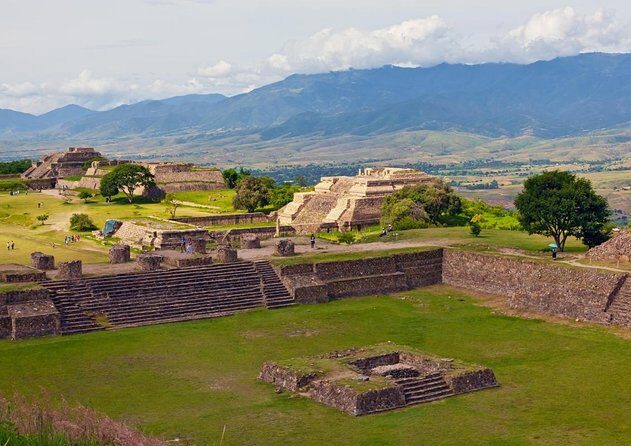
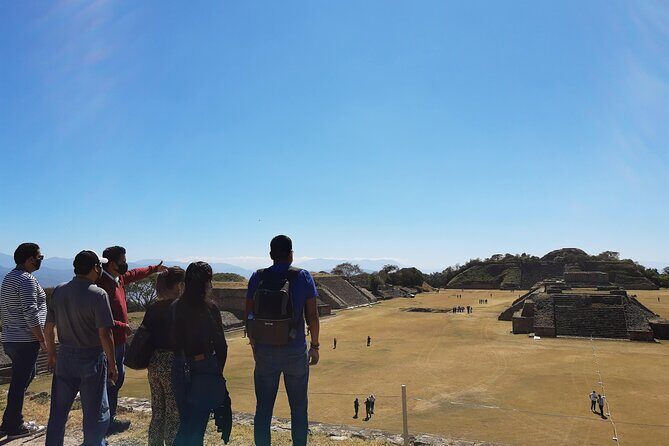
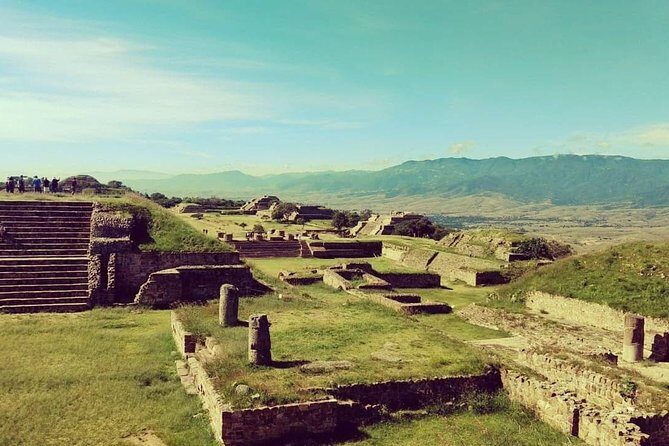
Monte Albán is the kind of site that rewards a good explanation. The tour starts with the Zona Arqueologica de Monte Albán, the major archaeological complex of the Zapotec world in Oaxaca. You’ll spend about 2 hours here, with your guide leading the story and pointing out what matters.
In practice, you can expect a guided walkthrough (including history and key features), and then time to explore on your own for photos and slower wandering. One of the best parts is that guides don’t just name structures; they connect what you’re seeing to Zapotec culture and the way the site functioned. Guides such as Luis and Ángel are repeatedly praised for making the information clear and engaging, with smooth switching between Spanish and English for many groups.
Two practical notes help you enjoy it more:
- Wear shoes that handle uneven ground and stairs. Monte Albán isn’t flat-city walking.
- Bring water and sun protection. Even if your legs are fine, the heat can be the hardest part.
Admission for Monte Albán is included, which is a big value win. It means you’re not trying to coordinate tickets while your day is moving.
You can also read our reviews of more tours and experiences in Oaxaca City.


The ride to Monte Albán: air-conditioned, but expect the road

The tour includes an air-conditioned vehicle, and that matters because Oaxaca’s sun can be relentless. The ride is long enough that comfort helps.
That said, transport comes with a caveat. Some people mention the van can feel bumpy, and there have been reports of broken or weak AC on certain days. If you’re sensitive to heat or motion, go in prepared: sit where you’ll have the best airflow, ask about AC if it seems weak, and consider motion-sickness basics if needed.
Timing also affects how the day feels. The start is 9:00 am, and the schedule stacks the most active walking earlier, which can be a good thing because morning light is often easier on your body. Still, by midday, you’re out-and-about in craft areas and lunch time crowds, so plan for a full day rather than a casual stroll.
San Antonio Arrazola mezcal stop: quick, optional, and hands-on
After Monte Albán, the tour heads to San Antonio Arrazola for a traditional mezcaleria stop. This is a short visit, about 20 minutes, and the tasting isn’t included.
Here’s what makes it worth considering: several guides explain the process, and the stop can include an optional tasting. In one detailed example, the tasting offered 9 different mezcals, and the person doing it felt the range justified the extra cost. Even if you only take one or two sips, it gives you a real sense of how many flavors can come from the same spirit world.
If you don’t drink alcohol, you can still treat this stop as a cultural primer. But if mezcal is your thing, I’d budget extra so you don’t have that moment where you realize it’s paid at the counter.
Alebrijes workshop in Arrazola: watch the work, then shop wisely
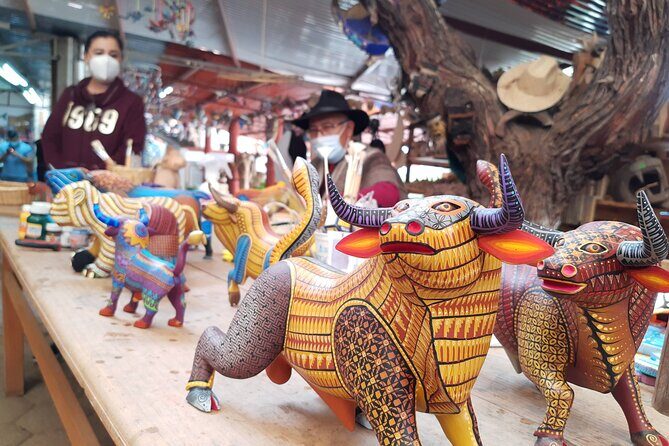
Next up is an alebrijes workshop in the same Arrazola area. This part runs about 45 minutes and focuses on how these painted wood creatures are made.
This is one of those stops that can feel either magical or like a sales push, depending on your expectations. The good news: you do see the process and meet the makers. The tricky part: the workshop environment is built around craft sales, and prices can be higher than you expect.
My advice: enjoy the craft demonstration as a show of skill, not a guarantee of good shopping deals. If you buy, decide what you want before you reach the price list. Look for clear craftsmanship cues like steady paint lines, strong carving detail, and whether the piece looks like it was finished carefully rather than rushed.
Traditional Oaxaca buffet lunch: plan on paying for it
Lunch is built into the day as a buffet stop at a traditional Oaxaca restaurant. The schedule gives you about 1 hour here, but lunch isn’t included in the tour price. You should expect to pay at the restaurant.
What you’ll likely find includes classic Oaxacan flavors such as:
- moles
- meats and stews
- salads
- tortillas cooked on the comal
One of the reasons people like this lunch stop is that it doesn’t feel like a rushed sandwich stop. It’s a proper buffet where you can try different dishes, and some plates work well for both meat-eaters and people looking for vegetarian options.
Two practical tips from real-world experience on this kind of tour:
- Monte Albán grounds can have rules about food, so don’t plan on snacking during the ruins walk. Wait until you’re at lunch.
- If you have dietary restrictions, eat early in the buffet window and ask staff what’s in sauces. Moles can be wonderfully complex, but you’ll want to know what you’re choosing.
Because lunch costs aren’t listed here, I can’t give you an exact number. But reviews describe buffet pricing in the neighborhood of a couple hundred pesos, with drinks and alcohol typically extra. Bring some cash just in case.
San Bartolo Coyotepec black clay ceramics: the technique is the star
After lunch, the tour visits Ayuntamiento San Bartolo Coyotepec, known for its black clay ceramics. This stop runs about 1 hour and is listed as a no-ticket stop for the visit.
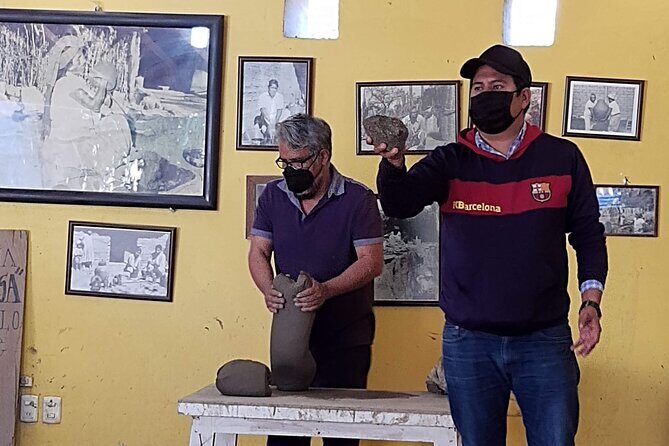
This is one of the most educational parts of the day because it’s about technique. You’re not just seeing finished pots; you’re seeing the elaboration process behind the black color effect. The method is part science, part tradition, and it’s the kind of craftsmanship you’ll feel in the details—how the clay is treated and how the finished look comes from the steps.
If you like souvenirs that feel tied to a real place, this stop delivers. And unlike some craft markets, this one tends to feel more grounded in making than in flash.
Chocolates La Soledad: a short sweet finish
The last major stop is Chocolates La Soledad, about 20 minutes. This visit connects to cacao’s long legacy in Oaxaca and prehispanic times, and it also works as a palate reset after savory lunch and strong flavors from mezcal.
The chocolate stop is quick, which is good if you don’t want to burn your final hour standing in line. You’ll usually get time to look, sample if offered, and browse before heading back toward Oaxaca’s center.
If you want edible souvenirs, this is the part of the day to choose them. It’s easier to carry chocolate than a heavy ceramic unless you have a plan for packing.
Shopping reality check: demonstrations, sales, and how to keep control
Across the artisan stops, you’ll see how Oaxaca crafts are made, but you’ll also be surrounded by products. A few people point out that the stops can feel like purchasing trips. That doesn’t mean it’s a bad experience; it just means you should set your expectation correctly.
Here’s how to keep the day feeling worthwhile:
- Treat demonstrations as the real value. You’re paying for access to the process, not just a souvenir hunt.
- Bring extra cash for what you genuinely want, not what looks appealing from across the room.
- If you feel prices are high, it’s okay to admire and pass. You’re not forced to buy, and it’s better to leave with one meaningful piece than five impulse buys.
For some crafts like alebrijes, there can be cooperative-style production patterns that affect how and where items are sold. That can lead to price tags aimed at tourists rather than local bargaining. You’ll still get a fun look at how the work happens; just go in with a pricing mindset.
Meeting point, group size, and where the tour actually ends
The tour starts from Vicente Guerrero 105, Centro, Oaxaca de Juárez, with a 9:00 am start time. If you’re getting pickup, you’ll want to be ready in the lobby 10 minutes before the pickup time.
Group size is capped at 20 travelers, which is a sweet spot for a day like this. You still get a guided experience without feeling like you’re in a giant cattle car.
At the end, you return to central Oaxaca: the tour finishes at the Zócalo area near Portal del Palacio. One reason this matters: you might not end at your hotel door. If your lodging is close to the Centro area, you’re golden. If it’s farther out, plan a short taxi or walking route.
Comfort and accessibility: what to watch for
This tour allows service animals. It also offers an air-conditioned vehicle, which helps with the long day.
But the Monte Albán segment is the key accessibility issue. The site is not conditioned for people with some physical disability, and the ruins involve stairs and uneven walking. If mobility is limited for you, you may want to consider a different format or confirm what assistance, if any, your guide can provide during the climb.
Also keep in mind that the tour is active. You’re moving between multiple stops and spending time outdoors.
Who should book Monte Albán clasico?
This tour is a great match if you want a one-day hit of Oaxaca:
- you care about Zapotec history and want a guided Monte Albán experience with included admission
- you want craft culture beyond the city center
- you like seeing real makers at work (mezcal, alebrijes, black clay ceramics, chocolate)
- you’re okay with a day that includes walking and heat
It’s less ideal if:
- you have mobility constraints that make stairs or long outdoor walking hard
- you need guaranteed, perfectly smooth transport every minute of the day
- you want a fully hands-off day with no craft shopping atmosphere at all
For language, the tour is offered in English, and many guides can switch between languages. Still, some groups have reported mostly Spanish delivery, so if English is critical for you, it’s smart to confirm on booking that your guide will handle both languages well.
Should you book this tour?
If you’re staying in Oaxaca City for a short time, I think this is a smart way to use a full day. Monte Albán is the centerpiece, and the included admission makes the value easier to justify. Add craft workshops that explain process (not just finished products), plus a traditional lunch stop, and you get a full cultural circuit without needing to coordinate everything yourself.
Book it if you can handle stairs and sun. Bring water, sunscreen, and good shoes, and don’t treat the artisan stops as a must-buy situation. If you do that, you’ll likely leave with better context for what you saw in the ruins and a few tangible reminders of Oaxaca’s craft culture.
FAQ
How long is the Monte Albán clasico tour?
It runs about 9 hours.
Is the Monte Albán admission ticket included?
Yes. The Monte Albán archaeological site ticket is included for the main stop.
Is lunch included?
No. Lunch is not included, though there is a buffet stop for traditional Oaxaca food during the day.
Are there extra costs at the artisan stops?
Yes. The mezcal stop and the alebrijes workshop list admission tickets as not included, and any tasting is an added cost. Other stops like the black clay ceramics and chocolate visit are listed as admission ticket free.
Do I get hotel pickup?
Pickup is offered, and the meeting point is Vicente Guerrero 105 in Oaxaca’s Centro. You should be ready in the lobby about 10 minutes before pickup.
Where does the tour end?
It ends near the Zócalo de Oaxaca, close to Portal del Palacio.
Is Monte Albán accessible for people with physical disabilities?
The information provided says the Monte Albán area is not conditioned for people with some physical disabilities.