REVIEW · OAXACA CITY
Prepare an Oaxacan Mole by a Traditional Cook
Book on Viator →Operated by Etnofood Experiencias · Bookable on Viator
Mole starts in the market. This hands-on Oaxaca City class pairs a guided ingredient walk with cooking instruction from chefs like Víctor and Wendy, built around traditional Oaxacan mole. I especially like the market-to-kitchen format and the fact you work the meal yourself, not just watch. One drawback to note: the class is very “group production,” so you might do a lot of chopping and prep rather than seeing every single assembly step up close, and recipe follow-up can depend on how messages are handled afterward.
You’ll get an English-taught experience (and it moves at a friendly pace), with lunch included and optional drinks for adults 18+. The program also states it does not use animal-origin products, so think meat-free mole-style cooking rather than the version you might be used to. Expect a working kitchen—so if your knees aren’t happy with standing, plan carefully.
The session runs about 3 hours 30 minutes, starts at TeoLabXicoténcatl in Centro, and ends back where you began. It’s designed for small groups (the info lists a maximum of 12, but the activity details say a maximum of 4), so you should anticipate a more personal setup than big factory-style classes.
In This Review
- Key highlights you’ll actually feel during the class
- Oaxaca mole in real life: what you’re learning
- TeoLabXicoténcatl and the small-group rhythm
- Mercado stop: picking mole’s ingredients and learning the names
- Back in the kitchen: from grinding and grilling to mole’s signature depth
- Beyond mole: tortillas, salsas, corn dough dishes, and a dessert
- Food and drink: what ends up on your plate
- Price and value: is $59.68 worth it?
- Who should book this (and who should skip)
- Getting the most from your afternoon
- Should you book this Oaxaca City mole class?
- FAQ
- What will I cook during the class?
- How long does the experience take?
- Is the class offered in English?
- What’s included with the price?
- How many people are in the group?
- Does the class include animal products?
Key highlights you’ll actually feel during the class
- Market ingredient shopping that sets up your mole flavor
- Hands-on mole prep plus sauces and corn dough dishes
- Tortillas from scratch, including techniques using a tortilla press
- Use of traditional tools like a mortar and pestle
- You eat a full lunch built from what you cooked
- English instruction with interactive Q&A and small-group attention
Oaxaca mole in real life: what you’re learning
Oaxacan mole isn’t one single sauce. It’s a family of sauces, each with its own ingredient mix, grinding style, and cooking rhythm, which is why the best classes focus on process and building blocks instead of just handing you a bowl of finished sauce.
In this class, you start by gathering the ingredients you’ll need—especially the chilies, seeds, aromatics, and corn items that make mole taste like Oaxaca rather than like generic “Mexican sauce.” Then you move into the kitchen to prepare Oaxacan mole using the methods taught by the chefs in charge, along with accompanying components.
The practical win here is that you learn how mole is “assembled” through stages: toasting/grilling flavors, grinding and mixing, then cooking and adjusting until it tastes right. Even if you can’t replicate every step perfectly at home, you’ll understand what to prioritize the next time you make a mole-style sauce.
You can also read our reviews of more tours and experiences in Oaxaca City.


TeoLabXicoténcatl and the small-group rhythm
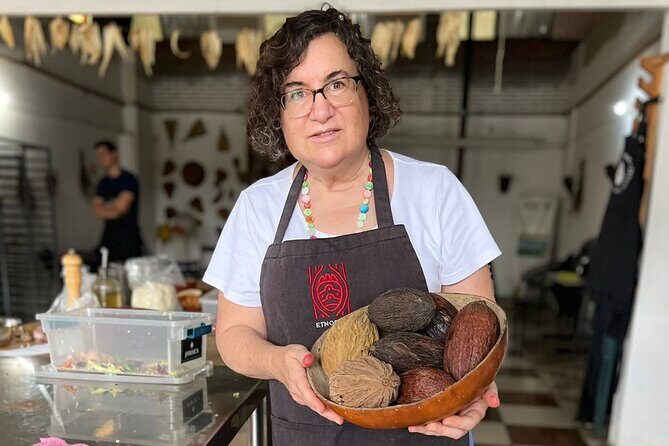
Your meeting point is TeoLabXicoténcatl 609 in Centro. That matters because Centro is where most visitors naturally end up, and you’re not starting the day with a long commute or complicated transfer.
This experience is capped at very small numbers. The info lists two different maximums (up to 12 in one place, and up to 4 in another), but either way you should expect a small-group setup compared to the mass-market cooking scene. In practice, that smaller size is what makes the class interactive: people get hands-on tasks, questions get answered, and you’re able to sit down and eat without feeling like you’re on a conveyor belt.
You’ll also notice the staffing model: you aren’t only learning from one person. Chefs and assistants work together, and the pace shifts depending on who’s prepping and who’s teaching the next step.
Mercado stop: picking mole’s ingredients and learning the names
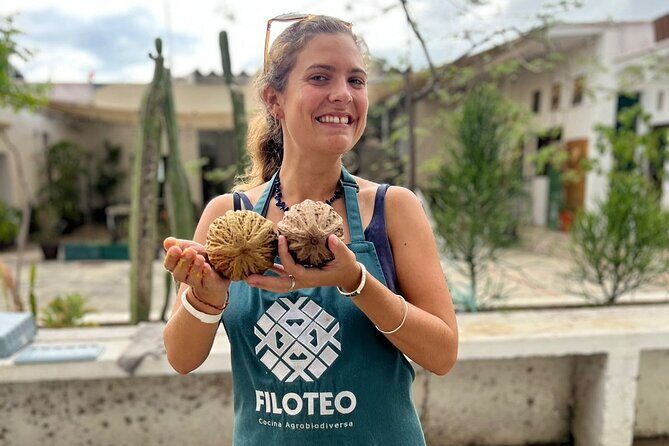
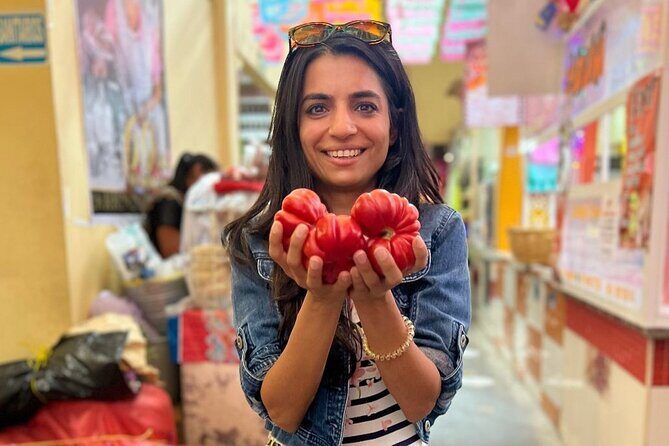
The market portion is more than a photo break. It’s where your future mole starts, because the ingredients you choose (and how fresh they are) strongly affect the final flavor.
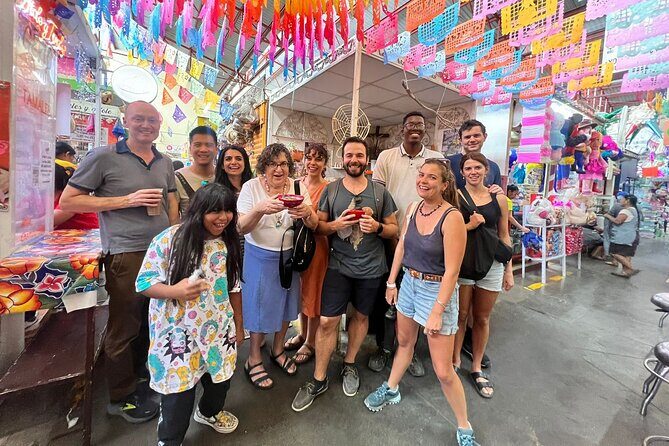
You’ll shop with the chefs, then taste and examine local products along the way. People consistently highlight that you get explanations for ingredient types and names—like which chilies and regional items matter, and how the market vendors connect to the cooking tradition. This also helps you avoid the common tourist mistake of buying the wrong “mole ingredient substitutes,” then wondering why your sauce tastes flat.
If you like talking to vendors and picking items with purpose, this part of the day will feel like Oaxaca in miniature: real stalls, real choices, and a clear reason for each ingredient you buy.
Back in the kitchen: from grinding and grilling to mole’s signature depth
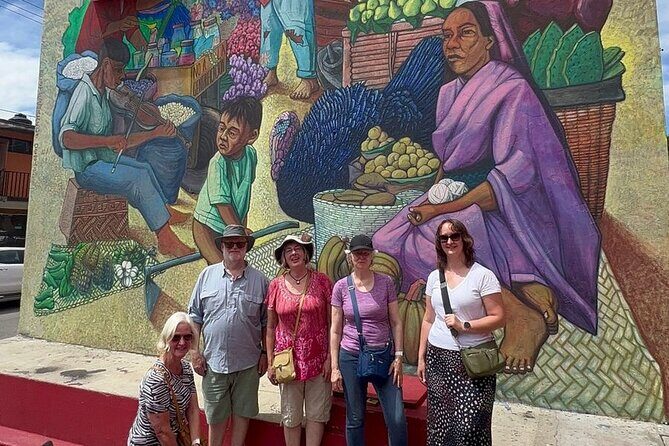
Once you reach the kitchen, you get the hands-on version of mole making. The class breaks into tasks, so you’re not standing around while someone else works. Depending on the moment, you might be chopping vegetables, prepping aromatics, or working on the corn dough components.
A few kitchen elements show up again and again in this style of class:
- Mortar and pestle work (often with a traditional tool called a molcajete)
- Grinding dried chilies and spices
- Grilling vegetables or toasting aromatics to build flavor before they go into the sauce
- Staged cooking, so the mole thickens and develops character
This is where you’ll learn why mole tastes so layered. The chef isn’t just mixing ingredients and hoping. You’re watching or participating in the stages that change flavor molecules: heat + grinding + time.
One caution: because tasks are distributed among a small group, you might not see every last “put-together” moment from your exact station. Some people love this format because it gets everyone active; others wish they’d seen more assembly “from scratch to final simmer” in one continuous view. Either way, you’ll end the class with a clear understanding of what components go where and why.
Beyond mole: tortillas, salsas, corn dough dishes, and a dessert
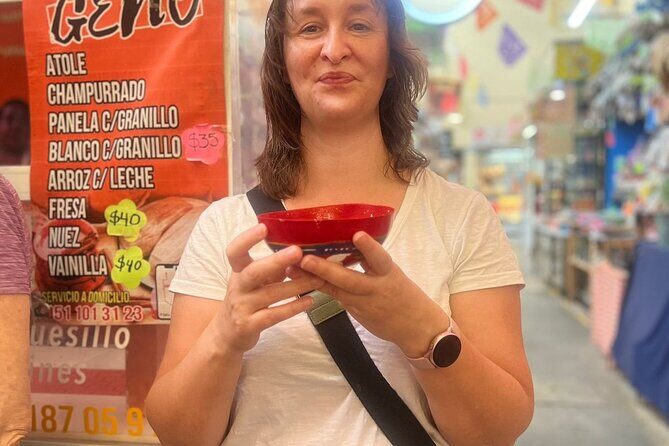
Your main focus is Traditional Oaxacan Mole, but the meal is built like a proper Oaxaca spread. You’ll also work on sauces—think multiple salsa varieties rather than a single one-size-fits-all topping.
Corn dough is a big part of the experience. You may prepare items like tortillas and related corn dough dishes (the class description specifically points to tortillas, memelas, and tetelas). Making these adds a deeper lesson than “eat mole with bread,” because mole in Oaxaca isn’t just a sauce. It’s meant to be paired with specific corn-based textures.
In at least some runs of the class, you also create elements like rice to serve alongside the mole, plus a typical Oaxacan dessert at the end. While the exact dessert isn’t named in the class details, the point is consistent: you cook, you eat, and you end with something sweet that fits the region’s flavor preferences.
If you’re the type who likes learning the “supporting cast,” this class is satisfying. Too many cooking classes focus only on the star dish and ignore the corn tradition that makes it make sense.



Food and drink: what ends up on your plate
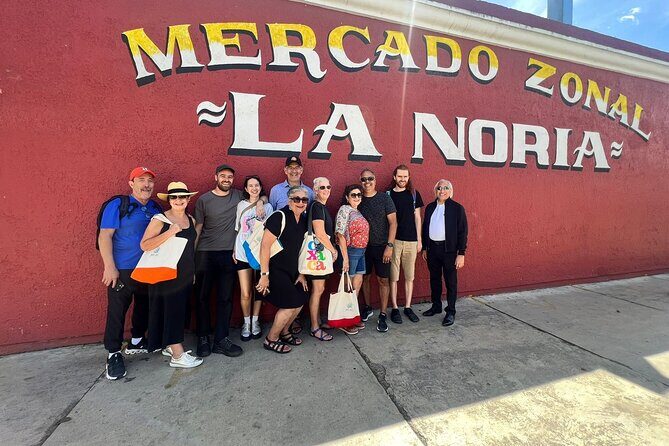
Lunch is included, and it’s not stingy. The experience is designed so you sit down together after you’ve cooked, which means you get to taste what you made while the kitchen work is still fresh in your head.
You’ll eat multiple items from the meal you prepared, typically anchored by the mole. Many people mention abundant food and a full plate that includes not only the sauce but also tortillas and other sides.
Alcohol is also included for adults 18+, and some versions of the experience include a mezcal tasting as part of the fun. Even if you don’t drink, the meal itself is generous enough to be the main event.
The other practical point: the class states it uses no animal-origin products. So you should expect a mole and menu built without meat-based ingredients. If you’re used to mole versions with different bases, this is the one detail that can change your expectations—yet many participants still describe the results as deeply flavorful.
Price and value: is $59.68 worth it?
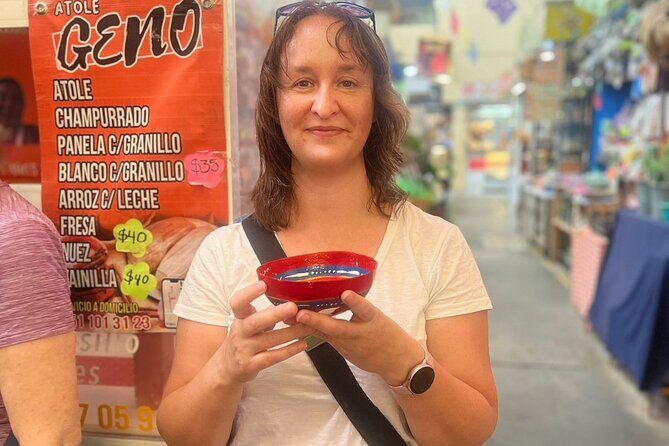
At $59.68 per person for roughly 3.5 hours, this class has a strong value angle because it includes:
- A market ingredient run (not just a “buy here” stop)
- A hands-on cooking session
- Lunch built from the dishes you help make
- Bottled water
- Alcoholic drinks for adults 18+ (if you choose them)
The real value isn’t only the price tag—it’s the “transferable knowledge.” Mole has a reputation for being complicated, but once you understand the ingredient stages and the role of chilies and corn, you can start making mole-style sauces with more confidence later.
One more value note: the class description says recipes will be sent, and multiple people specifically mention receiving recipes from the chef. Still, recipe delivery depends on how follow-up works in practice. If you’re counting on a text or message to arrive reliably, you might want to set that expectation before you leave.
Who should book this (and who should skip)
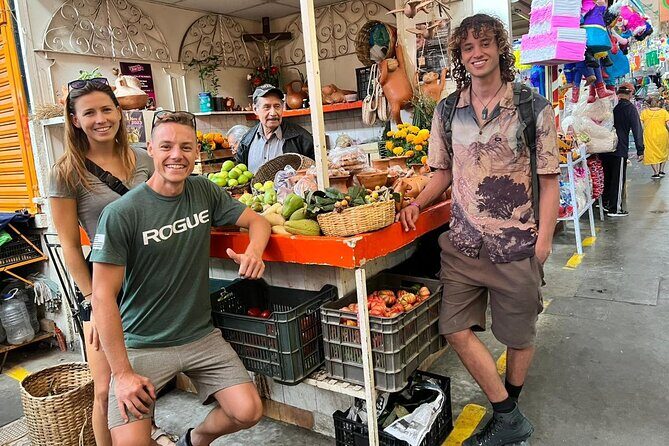
This tour is a good fit if you:
- Want to learn mole as a process, not just as finished flavor
- Enjoy market time and want to know what ingredients to buy in Oaxaca
- Like hands-on cooking with a small group
- Care about tasting the meal right after you make it
It may be a poor fit if:
- You rely on a cane or have knee problems, because you’ll be standing and working in a kitchen setting.
- You want a strict “watch the chef assemble everything step-by-step” format. This class distributes tasks, so some steps might be shared across the group rather than shown continuously in one clear view.
The upside is that even when your exact station has “prep work,” you still learn by doing. The downside is visibility of the final assembly if you’re the type who learns best by watching a single continuous workflow.
Getting the most from your afternoon
A few habits make a difference in classes like this:
- Pay attention to the ingredient explanations at the market. That’s where you build the why behind mole.
- Take notes on chili types and corn-based components while you’re actively working. You’ll remember them better when it’s time to serve.
- If you want the recipes afterward, confirm how you’ll receive them. The class promises recipes, and some communication happens via messaging once you’re done.
Also, go hungry. The class is designed to end with an abundant lunch, and you’ll want room to taste everything you cooked.
Finally, if you’re traveling on a tight schedule, remember this experience is non-refundable and can’t be changed once booked. Plan your day so you can actually enjoy the full market-to-kitchen flow without stress.
Should you book this Oaxaca City mole class?
Book it if you want an Oaxaca City food experience that mixes market learning with hands-on cooking and then rewards you with a full lunch you helped make. The combination of a mole-focused method, corn dough skills like tortillas and memelas/tetelas, and sauce-making is a practical way to understand why Oaxaca mole tastes the way it does.
Skip it if you need low physical demand, or if you want a purely observational cooking show. This is a working class. You’ll be part of the production—often grinding, chopping, and prep—then you’ll eat what you made.
If you’re still deciding, this is how I’d weigh it: for $59.68, you’re paying for ingredient knowledge plus a real cooking session plus lunch. That’s a strong deal in a city where you can easily spend more for dinner and learn less.
FAQ
What will I cook during the class?
You’ll prepare Traditional Oaxacan Mole, make various Oaxaca sauces/salsas, and work with corn dough for items such as tortillas and corn dough dishes. The class also includes a typical Oaxacan dessert.
How long does the experience take?
It runs about 3 hours 30 minutes (approx.).
Is the class offered in English?
Yes. The experience is offered in English.
What’s included with the price?
Included are lunch, bottled water, and alcoholic beverages for adults 18+.
How many people are in the group?
The information lists a minimum of 1 and a maximum of 12 people, and it also states a maximum of 4 travelers in the activity details. Either way, expect a small group.
Does the class include animal products?
The experience states it does not use products of animal origin.