REVIEW · OAXACA CITY
Essence Zapoteca Monte Albán, Barro Negro and Alebrijes for a day.
Book on Viator →Bookable on Viator
Zapotec ruins and crafts in one tight day. You’ll start with Monte Albán and its valley panoramas, then head to the birthplace story behind alebrijes and the workshop culture of black pottery. It’s a neat way to see how ancient power and modern folk art both shape Oaxaca today.
I like the mix because it’s not just sightseeing. You get hands-on craft context at two studios, and the best versions of this day have guides like Miguel or Pavel who know how to make history feel usable. One possible drawback: the workshop stops can feel a bit sales-forward, and lunch is on your own, so plan your budget before you arrive hungry.
In This Review
- Key things to notice before you go
- Why this Oaxaca day tour works: ruins plus living craft
- Monte Albán: how to see the site without losing your bearings
- San Antonio Arrazola for alebrijes: Tonas, Nahuales, and the craft behind the color
- Lunch at La Cabaña: what’s included, what’s not, and how to budget
- Dona Rosa Studio in San Bartolo Coyotepec: black pottery made the traditional way
- The day’s rhythm: transport, water, crowd control, and the ending in Centro
- Price and value: where $53.17 fits and where you spend extra
- Should you book this Oaxaca day of Monte Albán, alebrijes, and black pottery?
- FAQ
- What is the duration of this Oaxaca experience?
- What time does the tour start?
- Where does the tour begin and end?
- How much does it cost?
- Is Monte Albán admission included?
- What about lunch—do I pay separately?
- What’s included besides the entry fees?
- Is the tour offered in English?
- How large is the group?
- Do they allow service animals?
- FAQ
- Is this experience weather dependent?
- Can I cancel for a full refund?
- Do I need a printed ticket?
- Is gratuity included?
- Is confirmation sent after booking?
Key things to notice before you go
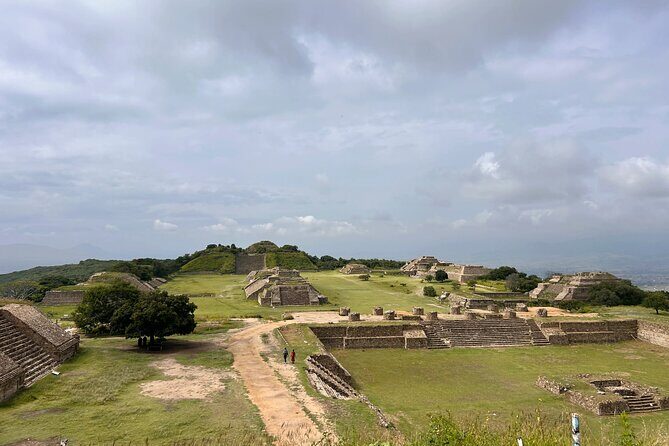
- Monte Albán for 2.5 hours with an expert guide and valley viewpoints
- Taller Tonas y Nahuales with an alebrijes origin story tied to San Antonio Arrazola woodcarving
- Natural pigments and process talk instead of only looking at finished art
- Lunch at La Cabaña is extra, but the buffet options include moles, tlayudas, soups, and vegan choices
- Black pottery at Dona Rosa Studio with explanation of traditional techniques, including the potter’s wheel
- Small group (max 15) and a guided day that ends back in the city center
Why this Oaxaca day tour works: ruins plus living craft
This is the kind of day trip that makes Oaxaca feel less like a list of places. You start in the big, dramatic stone world of Monte Albán, then shift into small workshops where you can see how people make, decorate, and carry tradition forward. If you care about both history and craft, the pairing is smart.
The tour is also long enough to matter—about 8 hours—but not so long that you lose the day to long waits. The group size stays under 15, which helps you keep moving and ask questions without feeling like a number in a crowd.
You can also read our reviews of more tours and experiences in Oaxaca City.


Monte Albán: how to see the site without losing your bearings

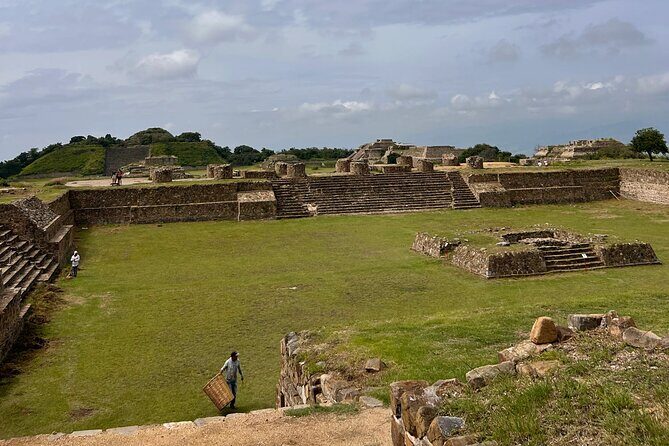
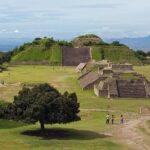
Monte Albán is the main event, and the time given—about 2 hours 30 minutes—is a real gift. You’re not rushed past the highlights and you’re not stuck too long in one spot either. With an expert guide, you get the story behind the plazas and buildings, not just a scenic walk.
What I love here is the way the guide connects architecture to meaning: how spaces were laid out, why certain buildings mattered, and how the Zapotec world shaped what you see today. The panoramic valley views also land differently when you understand the site’s purpose, because you start noticing alignments and geography instead of only taking photos.
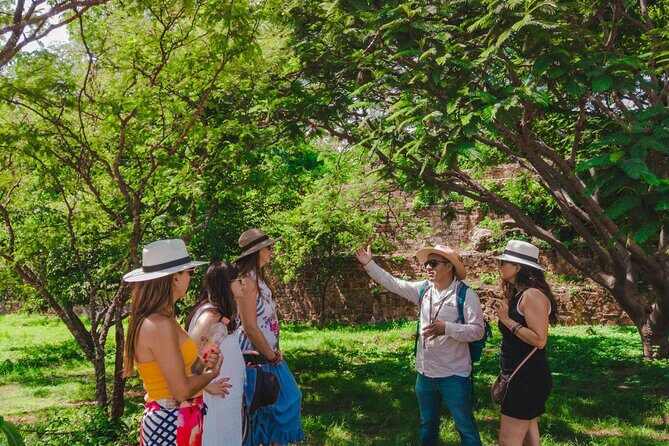
A practical note: Monte Albán has stone steps and open areas. One downside is that different operators run different groups, so you can run into the usual crowd scramble at popular viewpoints. The best way to handle this is simple: arrive ready to move, and use your guide to decide where to stand and where to walk next so you don’t get stuck waiting for your turn.
San Antonio Arrazola for alebrijes: Tonas, Nahuales, and the craft behind the color
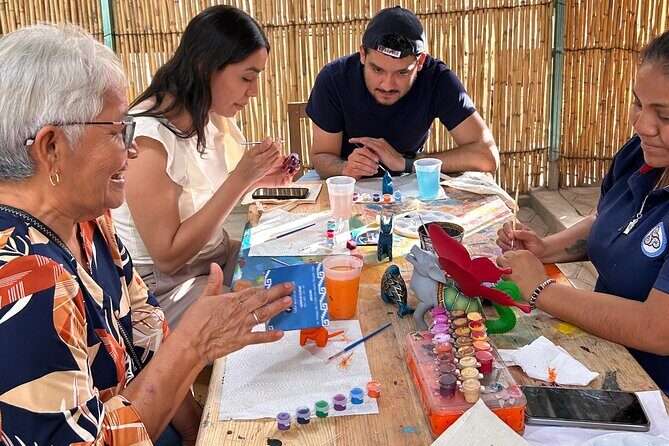
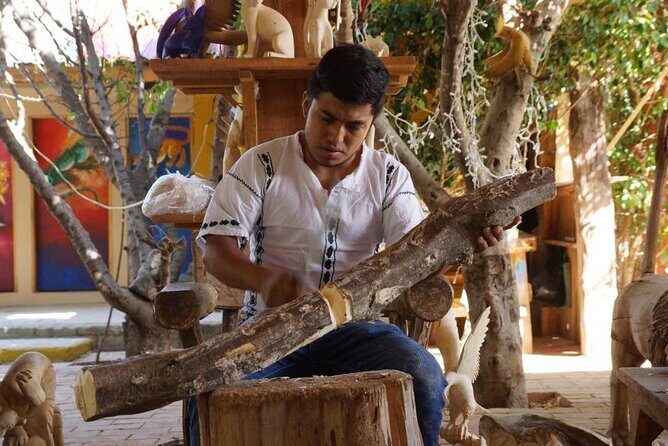
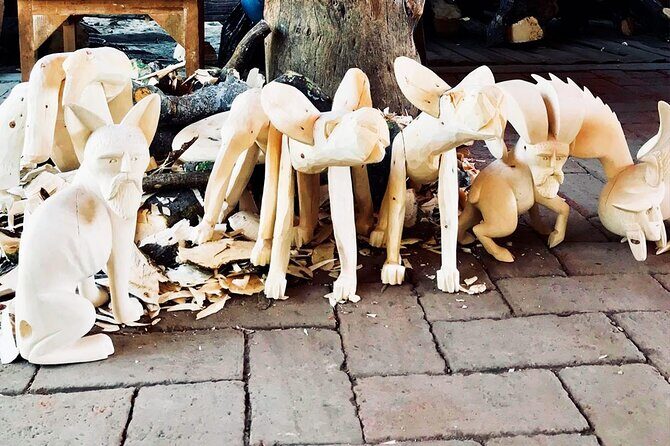
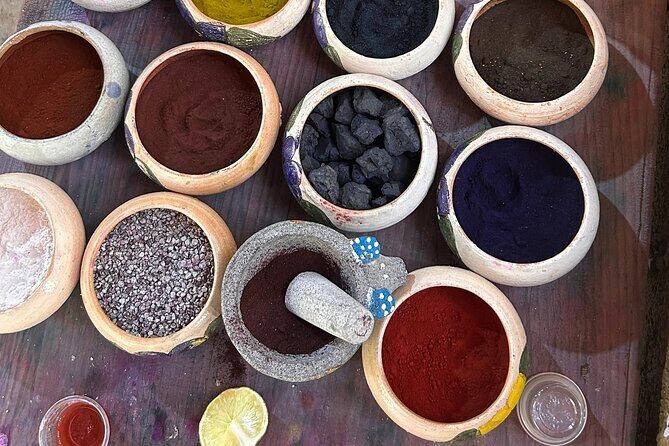
After the ruins, the day shifts into woodcarving culture at the Taller Tonas y Nahuales connected to Ángelico Jiménez Carrillo. This stop is interesting because it treats alebrijes like more than decorative souvenirs. You get the background on how these colorful figures connect to the animal imagery that inspires them—tonas and nahuales—and you see the practical work that turns ideas into wood, pigment, and form.
In the workshop, the guide focuses on the process:
- how the wooden figures are created
- how artists work with natural pigments
- how the studio context explains what families pass down
I also like that you’re not only looking at one shelf of products. The workshop includes a gallery with pieces of different sizes, showing you the range of how this craft can be expressed. If you’re the type who likes to understand why something is shaped the way it is, you’ll probably enjoy this stop more than a quick factory-style visit.
One caution from how these days can play out: workshops sometimes spend extra time in selling mode. You can still protect your time by asking questions early—what makes a design take more work, how pigment is prepared, what details matter for tone and finish—so your attention stays on craft rather than only on buying.
Lunch at La Cabaña: what’s included, what’s not, and how to budget
Lunch is served at La Cabaña, and the format is a buffet for about 1 hour. The selection is described as having Oaxaca classics like moles, tlayudas, soups, and local stews, with protein options such as chicken, beef, or pork.
You’ll also have vegan options, including salads and steamed and fresh vegetables. That’s a big deal on a day like this, because it means you’re not stuck hunting for a separate meal while the rest of the group finishes.
Here’s the practical catch: lunch is not included in the tour price. The tour gives you the time and the restaurant experience, but you pay for your own meal. I suggest two simple moves:
- Set a rough lunch budget before you go so you’re not deciding while tired and hungry.
- If you have dietary needs, look for the vegan items quickly at the start of the buffet line so you don’t end up with whatever’s left near the end.
Dona Rosa Studio in San Bartolo Coyotepec: black pottery made the traditional way
The last craft stop is Dona Rosa Studio in San Bartolo Coyotepec, a place known for its black pottery tradition. This is one of those experiences that feels more meaningful when you understand it’s not just the final color—it’s the technique and the belief system around making.
You’ll observe how pieces are created, and you’ll hear about ancestral methods, including the pre-Hispanic potter’s wheel (a key detail in the tour description). The guide also explains why black pottery is culturally important in the community, plus the rituals and beliefs tied to the production.
If you’re trying to choose what to look at during the visit, focus on the steps that lead up to the finish. The story around the process helps you understand why this isn’t a one-step craft. And once you see that, the finished pottery makes more sense in your hands—less like an item on a shelf and more like a result of repeated family knowledge.
As with the other studio stop, there may be opportunities to purchase items. From what’s described for this tour day, the goal is to learn and observe—but it’s still wise to keep your expectations realistic and stay in charge of your timing.
The day’s rhythm: transport, water, crowd control, and the ending in Centro
This tour runs from 9:00 am and lasts about 8 hours. You travel by a modern, air-conditioned vehicle, and you’ll get bottled water during the trip, plus travel insurance on board.
I like that it ends in the city center near the Zócalo area, so you’re not stuck dealing with another hop after a long day. It’s also useful if you want to continue with dinner and browsing in Centro.
That said, real-world comfort can vary. One recent experience noted that water wasn’t supplied even though bottled water is listed as included. I’d treat that as a reminder: bring a small backup bottle if you know you get thirsty in the heat.
Crowd handling also matters. Monte Albán can get busy, and multiple groups arrive around similar times. The tour is paced to help you move through key areas without sitting idle, but you’ll still want good shoes and a willingness to climb steps. If you’re sensitive to walking on uneven stone, you’ll appreciate having a guide direct your path.
Group size helps here too. With a maximum of 15 travelers, you tend to get a bit more attention than on the larger buses. You’ll also hear the bilingual guide more clearly when the group isn’t too spread out.
Price and value: where $53.17 fits and where you spend extra
At $53.17 per person, this is a value-style day that bundles several high-cost items. The biggest included cost is admission to Monte Albán, plus the guided experience there. You also get transportation, bottled water, and travel insurance.
The craft stops are what you’re really paying for in terms of access and interpretation. You’re not just seeing a shop—you’re seeing how artisans describe their own work: alebrijes origins, natural pigments, and black pottery techniques like the potter’s wheel.
Where your extra spending comes in:
- Lunch is not included, so you’ll pay for your meal at La Cabaña
- Tips/gratuities are optional and left to you
So the real value question is: do you want guided context for both the archaeology and the crafts? If yes, this price makes sense because a big chunk of what you’d otherwise pay separately—entry, transport, and structured guidance—is already covered. If you already know Monte Albán well and you’d rather do crafts on your own schedule, you might spend less another way. But for many visitors, that guided structure is exactly what makes the day feel worth it.
Should you book this Oaxaca day of Monte Albán, alebrijes, and black pottery?
I’d book it if you want a single day that covers ancient Oaxaca plus the craft traditions that still shape daily life. It’s especially good if you care about process—how pigments are made, how wood carving becomes form, how black pottery techniques are passed down.
Skip it or choose a different option if you strongly dislike sales-heavy stops or you’re picky about time at Monte Albán. A full day can sometimes feel like it balances between sites, workshops, and driving; if you want more hours at the ruins alone, you’ll likely wish the schedule leaned more toward Monte Albán.
Overall, this is a solid “first-taste” trip for Oaxaca City visitors: structured, guided, and varied, with enough time to enjoy the big sights and still end your day near Centro.
FAQ
What is the duration of this Oaxaca experience?
The tour runs for about 8 hours.
What time does the tour start?
It starts at 9:00 am.
Where does the tour begin and end?
It starts at Melchor Ocampo 1017, Barrio de la Noria, Oaxaca de Juárez and ends in the city center near Av. de la Independencia 709, Zócalo area.
How much does it cost?
The price is $53.17 per person.
Is Monte Albán admission included?
Yes. Admission to the Monte Albán archaeological site is included.
What about lunch—do I pay separately?
Yes. Meals are not included, and lunch at La Cabaña is paid for by the customer.
What’s included besides the entry fees?
You get an air-conditioned vehicle, bottled water, a certified bilingual guide, and travel insurance on board.
Is the tour offered in English?
Yes. The tour is offered in English.
How large is the group?
The tour has a maximum of 15 travelers.
Do they allow service animals?
Yes. Service animals are allowed.
FAQ
Is this experience weather dependent?
Yes. It requires good weather, and if it’s canceled due to poor weather, you’ll be offered a different date or a full refund.
Can I cancel for a full refund?
You can cancel up to 24 hours before the experience for a full refund.
Do I need a printed ticket?
No. The tour uses a mobile ticket.
Is gratuity included?
No. Gratuities are optional and you decide the amount.
Is confirmation sent after booking?
Yes. Confirmation will be received at the time of booking.