REVIEW · MEXICO CITY
Soumaya: the greatness of Mexican & western art.
Book on GetYourGuide →Operated by José Vicente Figueroa- GM International Travel · Bookable on GetYourGuide
Six floors of art history, with a plan. This guided tour at Museo Soumaya turns a giant collection into a clear, walkable story. I like how the guide keeps the emphasis on Mexico while still giving you the Western context behind it.
Two things I really enjoy: the 6-floor route is paced for real viewing time, and the guide makes the big-name works feel understandable, not intimidating. One thing to consider: if your priority is purely European art, this tour’s Mexican-first framing may leave you wanting a different angle for the non-Mexican floors.
In This Review
- Key things to know before you go
- Why Soumaya Works So Well With a Guide
- Meeting at the Main Gate in Polanco
- The 2.5-Hour Game Plan: Six Floors, One Clear Story
- Modernism: Ars & Techné (Why Technique Becomes Meaning)
- Myths & Allegories: From the Visible to the Invisible
- Old Masters: Europa & Viceroy (The Political Side of Art)
- From Romanticism to Avant Garde: The Bridge Floors
- 20 Centuries of Mexican Art: The National Spine of the Tour
- Rodin’s Era (The Western Magnet and the Contrast Play)
- Main Artists You Will Hear About Along the Way
- What the Tour Feels Like in Real Life (Pace, Questions, and Attention)
- Practical Tips to Get More Than a Tour Photo
- Who Should Book This Soumaya Tour
- Should You Book This Tour?
- FAQ
- Where is the meeting point?
- How long is the guided tour?
- How many people are in the group?
- What languages are available for the guide?
- Is the tour wheelchair accessible?
- How many floors do you visit during the tour?
- Do I need to be an art expert to enjoy it?
- What if I need to cancel?
- Is there a way to book without paying right away?
Key things to know before you go
- Meet at the main gate in Polanco and start with the museum already mapped out for your visit
- Six floors in one guided loop, split into Modernism, myths, Old Masters, and more
- A Mexican-based focus, so you get the art story with context, not just names
- Big highlights plus familiar faces, including Rodin, Van Gogh, Monet, Rivera, Orozco, and more
- Small group capped at 10, which keeps questions and pace realistic
Why Soumaya Works So Well With a Guide
Soumaya can feel like an art buffet when you walk in on your own. There is simply too much to see, and the museum will win if you try to do everything in one go. With a guide, you get a route that makes the collection make sense.
I also like that this is not the kind of tour that assumes you studied art history. The guide’s job is to translate what you are seeing into a storyline you can follow. You end up noticing details you would likely miss in a quick, free-form visit.
You can also read our reviews of more tours and experiences in Mexico City.


Meeting at the Main Gate in Polanco
You start at the main gate of Museo Soumaya in Polanco. This matters more than it sounds. Getting the logistics right early means you spend your limited tour time looking at art, not hunting for the first room.
The tour is designed for a small group (up to 10), so the guide can actually respond to what you are asking. In past tours, Jose Vicente Figueroa has been singled out for being especially patient with mixed ages, including kids and elderly parents, which is a nice sign if you are bringing family.
The 2.5-Hour Game Plan: Six Floors, One Clear Story
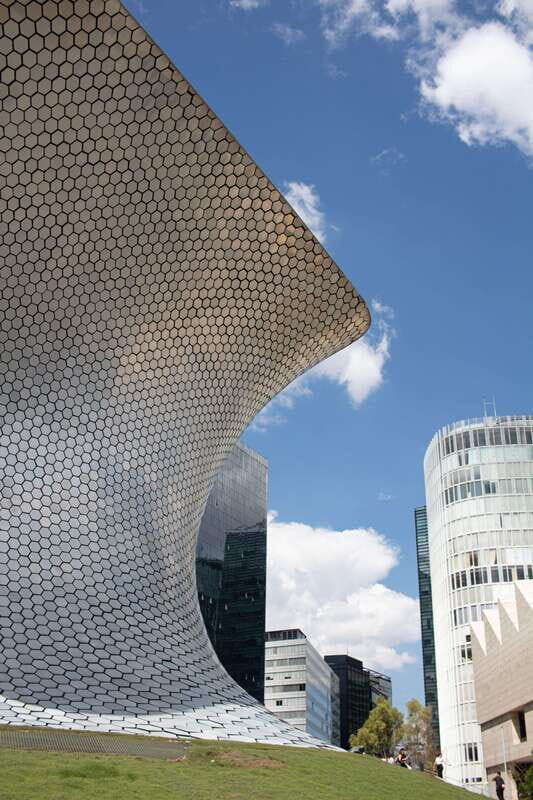
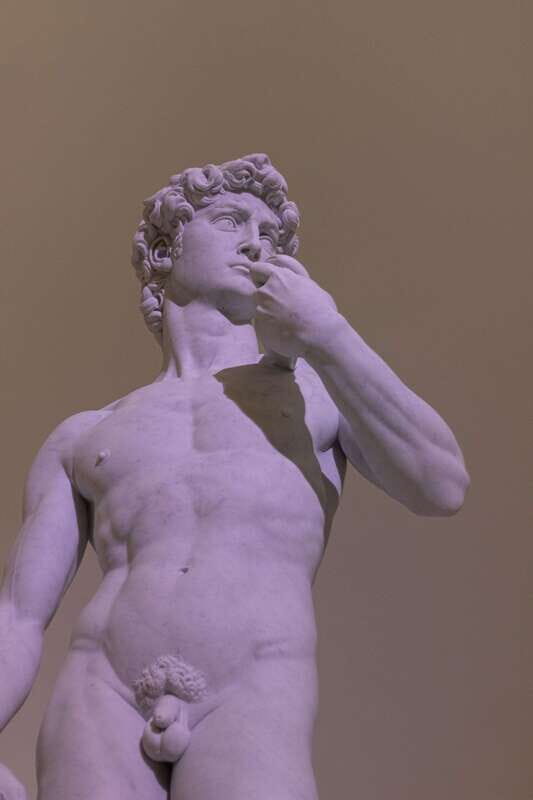
The guided experience runs for 2.5 hours and covers the full museum across six floors. Each floor is organized into themes, not random chronology, so you can connect ideas across different periods and styles.
The key approach is simple: the guide hits the main pieces in each area and gives you the context that helps the works stick in your head. That is how you leave feeling like you saw something meaningful, even if you did not have time to study every canvas for an hour.
Modernism: Ars & Techné (Why Technique Becomes Meaning)
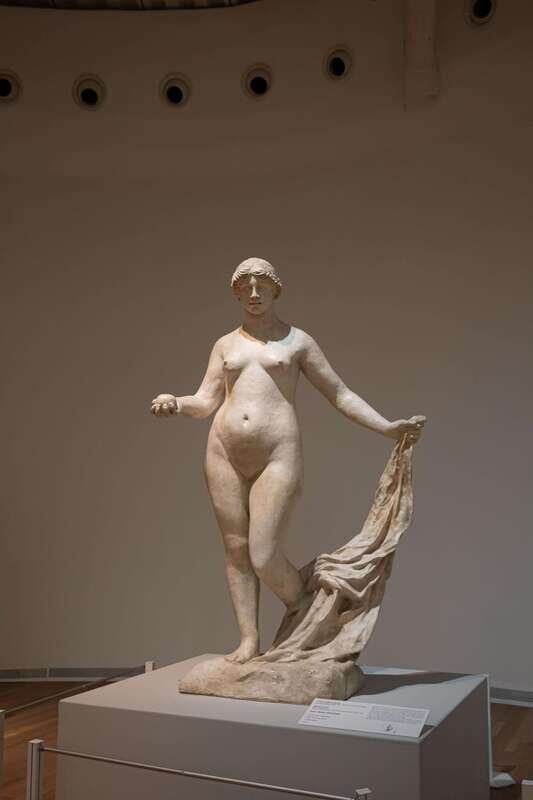
On the Modernism floor, you are looking at art where process matters. Ars & Techné is basically the idea that making is part of the message: the method, craft, and experimentation are not side notes.
If you love when art has a “how” behind it, this floor will click. You will also get the sense that modern art is not just about style changes. It is about a new way of thinking—about perception, technology, and what counts as art in the first place.
You will see major Western names here too, which helps you compare how different cultures shifted from older rules to newer possibilities. That comparison is useful when you later hit the Mexican modern and contemporary floors.
Myths & Allegories: From the Visible to the Invisible
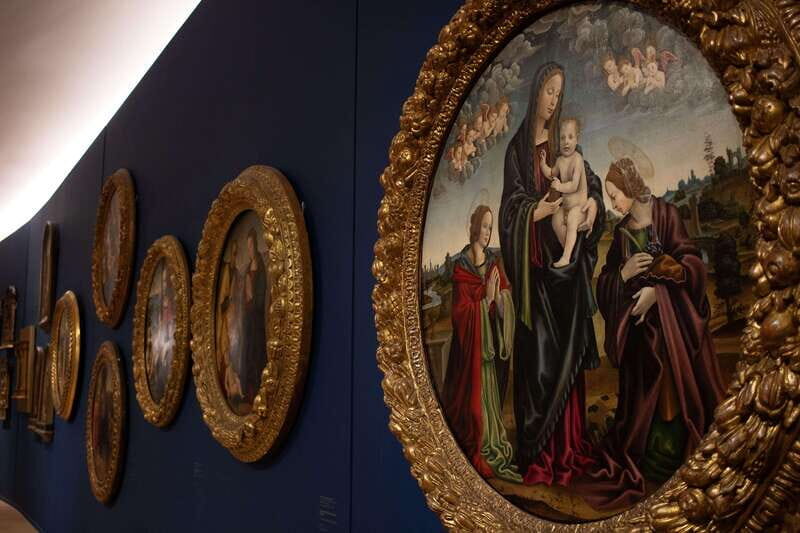
This is where the museum starts to feel less like a set of separate exhibitions and more like a conversation. Myths & allegories push you to ask a question while you look: What is the story underneath the surface?
You can expect the guide to point out symbolism and recurring visual themes. Even if you do not know mythology ahead of time, the tour approach is designed to bring you along.
This floor is a great reminder that “Western” art and “Mexican” art are not isolated worlds. Artists, patrons, and ideas traveled, changed, and reappeared in new forms. The museum’s thematic grouping makes that easier to notice.


Old Masters: Europa & Viceroy (The Political Side of Art)
The Old Masters section, labeled Europa & viceroy, is not only about “pretty old paintings.” It is about power, influence, and how art operated in a world of empires and colonial administration.
You will likely recognize the names the guide brings up, and you will also get help understanding what those works are doing beyond decoration. Think of this as learning the “stage” where later Mexican art narratives start to build their voice.
This portion also sets you up for the Mexican-focused sections later. Once you see how older European styles and themes worked, it becomes clearer how Mexican artists adapted, resisted, or transformed those traditions.
From Romanticism to Avant Garde: The Bridge Floors
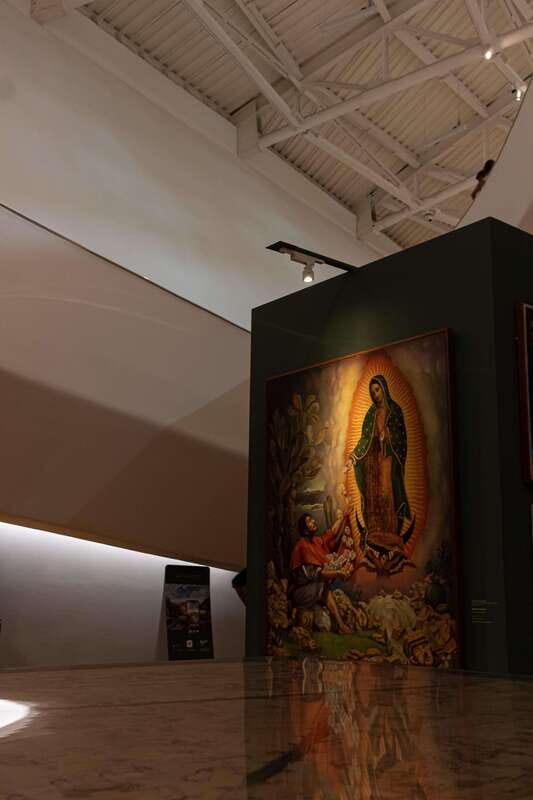
Romanticism to Avant Garde is the bridge. It sits at the point where taste is changing fast and artists are testing the edges of what is acceptable.
I like these bridge floors because they prevent the museum from feeling like a straight line. You get the sense of tension—old ideas still present, new ideas pushing in, and art serving as both mirror and argument.
If you are the type who gets bored when tours move room to room, this is a good spot to engage. The guide’s job here is to connect the stylistic shift to the larger cultural mood, and that makes the works easier to care about.
20 Centuries of Mexican Art: The National Spine of the Tour
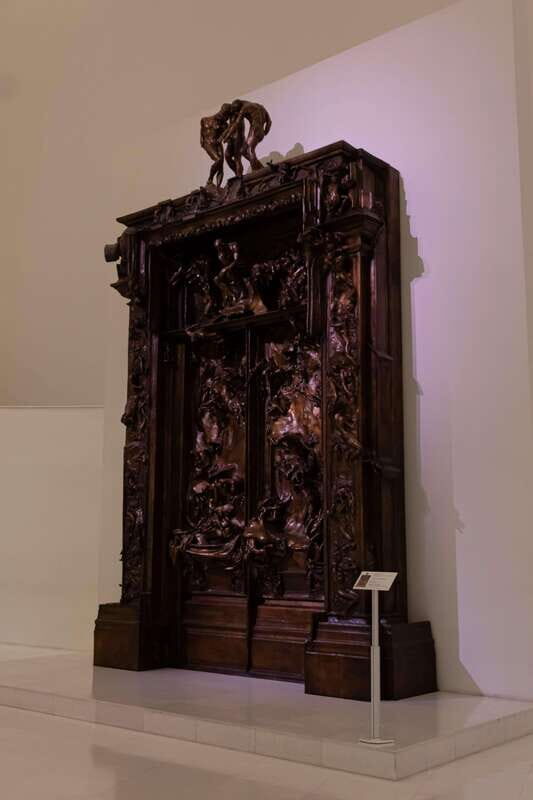
This is the heart of the experience. The tour keeps a national-based focus, and the center of gravity is 20 centuries of Mexican art. If your interests lean Mexican, you will feel like the guide is speaking your language.
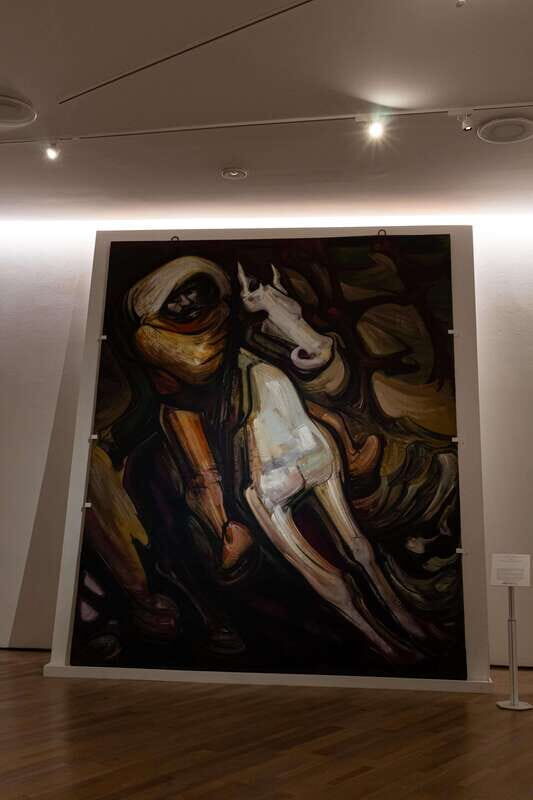
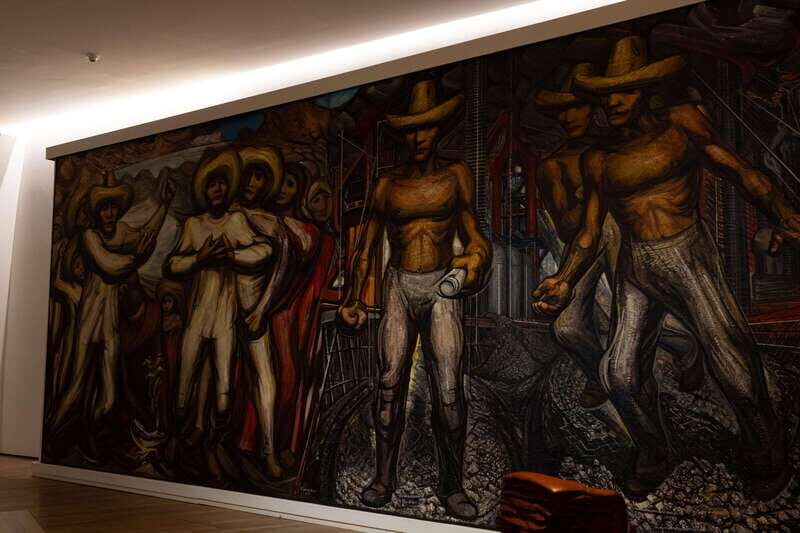
You will encounter major Mexican artists such as Rivera, Orozco, and Velasco, plus names like Correa and De Echave Orio. The guide’s framing helps you see how different artists approach identity, politics, landscape, and narrative.
One of the best parts is that you are not just hearing a list of titles. The guide links what you see to why it mattered in Mexico, and how ideas shifted over time. That is the difference between “I saw a painting” and “I understand what I just walked through.”
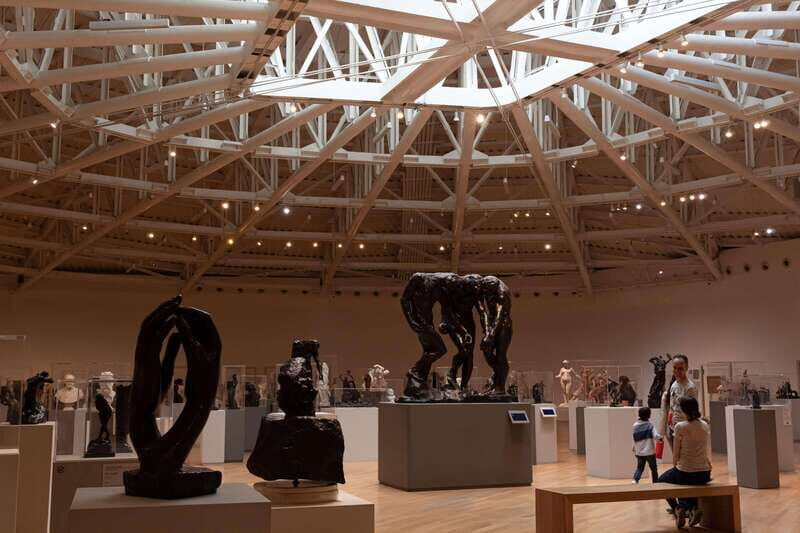
Rodin’s Era (The Western Magnet and the Contrast Play)
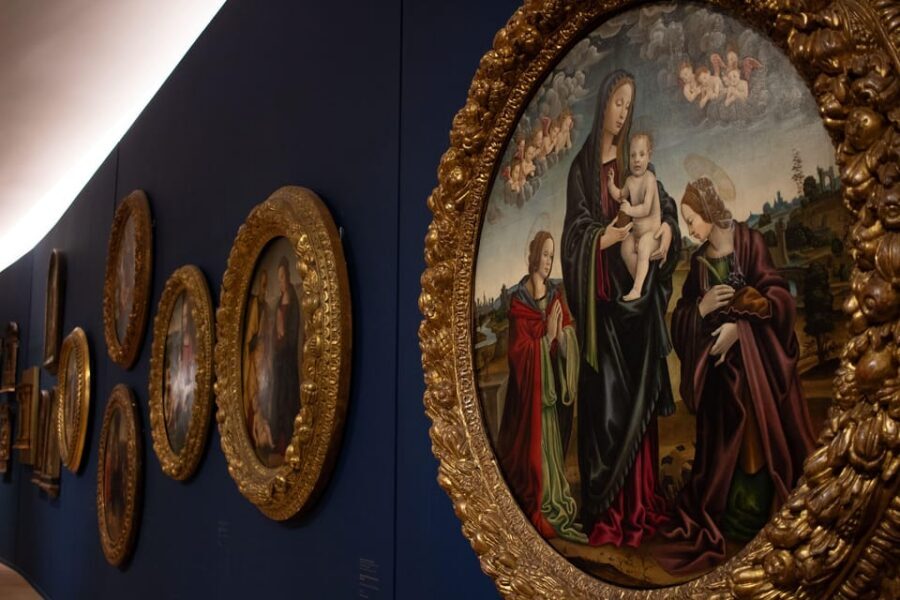
Rodin’s era brings the museum’s Western pull into sharper focus. Rodin is a natural anchor for visitors because his work is instantly impactful, even if you are not an art-history person.
This part of the tour also gives you a strong contrast to the Mexican narrative floors. You can stand in one area and feel the difference in mood and artistic priorities, then switch back and compare how symbolism and subject matter work across cultures.
It is also a good reminder that the museum is not trying to force one single storyline. It is letting you read multiple ones at once, as long as you have a guide to keep the thread from tangling.
Main Artists You Will Hear About Along the Way
Across the six floors, the guide spotlights a wide set of familiar and important names, including Rodin, Dumier, Van Gogh, Pissarro, Monet, Manet, Juan de Flandes, Rivera, Orozco, Velasco, Correa, De Echave Orio, and Miguel Ángel.
I like when a tour includes big names, but only if it does more than name-drop. Here, the tour approach is to connect those artists to the themed rooms you are walking through, so the names become signposts instead of trivia.
What the Tour Feels Like in Real Life (Pace, Questions, and Attention)
Because the group is limited to 10 participants, you get a manageable pace. You can ask questions without turning the experience into a chaotic seminar, and the guide can notice when people are zoning out.
Jose Vicente Figueroa has come up as a stand-out guide for combining enthusiasm with strong pacing. If you end up with Francisco instead, the tour still seems to follow the same style: explain the story, point out curious visual details, and guide you room by room so you do not just drift through galleries.
This is also one of those museum tours that works for mixed groups. If your party includes kids, adults, and older visitors, you will likely appreciate the patience built into the format.
Practical Tips to Get More Than a Tour Photo
You have 2.5 hours, so treat it like a sprint with stops. Wear comfortable shoes. You will be walking between floors and looking up close often enough that sore feet will hijack your attention.
Bring a curious mindset. The guide is going to point out specifics, and those specifics are what make the collection feel alive. If you ask questions while you still have the room fresh in your mind, you will remember more later.
Finally, decide what you want most. If you are aiming for Mexican art, this tour’s structure is well matched to that goal. If European art is your main quest, you might want extra independent time afterward so you can spend longer on what you love most.
Who Should Book This Soumaya Tour
Book it if you want a guided way to understand both Mexican art and the Western art currents around it. This is ideal for art lovers who are curious, not necessarily trained.
It also fits families and multi-generation groups, especially if you value patience and clear explanations. With a small group cap and a guide who can adapt, the museum visit stays human instead of awkward.
I would reconsider if you want a deep, specialist-level analysis of every European work. This tour is themed and paced, and it spends its strongest energy where the story centers on Mexico.
Should You Book This Tour?
Yes, I think you should book it if you plan to see Soumaya once and you want your time to feel focused. The value is in the structure: six floors, a Mexican art-centered storyline, and a guide who turns the collection into something you can follow without needing art-school background.
If you are an all-European-art person, you may still enjoy the route, but make sure you have time afterward to explore the rooms that interest you most on your own.
FAQ
Where is the meeting point?
You meet at the main gate of Museo Soumaya.
How long is the guided tour?
The tour lasts 2.5 hours.
How many people are in the group?
This is a small group limited to 10 participants.
What languages are available for the guide?
The tour offers a live guide in English, Portuguese, Spanish, German, Italian, and Russian.
Is the tour wheelchair accessible?
Yes, it is wheelchair accessible.
How many floors do you visit during the tour?
The guided route explores the museum across 6 floors.
Do I need to be an art expert to enjoy it?
No. The tour is designed for people passionate about Mexico and Western art, and you do not need to be an expert.
What if I need to cancel?
There is free cancellation up to 24 hours in advance for a full refund.
Is there a way to book without paying right away?
Yes. You can reserve now and pay later, meaning you book your spot and pay nothing today.
If you want, tell me your dates and whether your priority is Mexican art, Western art, or a balanced split, and I can suggest a smart plan for what to look at before and after the 2.5-hour guided portion.