REVIEW · SAN MIGUEL DE ALLENDE
Recorrido Histórico a Pie: Descubre y Explora San Miguel (ES/EN)
Book on Viator →Operated by Travel to San Miguel · Bookable on Viator
San Miguel de Allende reads like a story. This 2-hour historical walking tour helps you piece it together fast, stop by stop, with a small group and a local guide. I really like the way the route mixes famous landmarks (like the Parroquia) with under-the-radar stops you’d likely miss on your own. One thing to consider: the pacing is history-forward, so if you’re hoping for mostly scenery with minimal dates and context, you might want a quicker, lighter vibe.
You’ll start at the Parroquia de San Miguel Arcángel and end back nearby, keeping it easy even if you’re jet-lagged. I also like the practical touches—free-entry sites, a short bathroom break, and that infused water tasting—because it keeps a tight schedule feeling human. The one “watch-out” is that a couple of stops depend on opening hours (and one house can be closed on Mondays), so your guide may flex slightly if doors aren’t cooperating.
In This Review
- Key Points You’ll Care About
- Getting Started at Parroquia de San Miguel Arcángel (and Why This Matters)
- Parroquia de San Miguel Arcángel: Colors, Crypts, and the Big Picture (20 Minutes)
- Ignacio Allende House (Exterior Only): Independence Without the Long Detour (10 Minutes)
- Casa del Mayorazgo de Canal: How the Elite Lived in the 1700s (10 Minutes)
- Bellas Artes (Convent Cloister + Art School Story) and the Siqueiros Link (20 Minutes)
- Visiting the Convento of the Inmaculada Concepción: Architecture Meets Real Access (10 Minutes)
- A Top-Tier Hotel Stop for Ceramics, Azulejos, and Panoramic Views (10 Minutes)
- The Chorro, Lavaderos, Casa de la Cultura, and Old Haciendas: Where Daily Life Shows Up (10 Minutes)
- Parque Benito Juárez: Markets, Music, Flowers, and People Watching (10 Minutes)
- Ending at San Francisco de Asís: Congregation and Temple Architecture (10 Minutes)
- Value for $32: Why This Feels Fair for a 2-Hour Orientation
- Guide Quality You Can Expect: The Names People Remember
- Who Should Book This Tour (and Who Might Want Something Different)
- Quick Practical Tips Before You Go
- Should You Book This San Miguel Historical Walking Tour?
- FAQ
- How long is the walking tour?
- What does the tour cost?
- Is the tour offered in English?
- How big is the group?
- Where does the tour start and where does it end?
- Are tickets included for the stops?
- Is a mobile ticket used?
- Is there food or drink included?
- Important Note on Changes and Weather
Key Points You’ll Care About

- Small group size (max 10) keeps the tour personal and question-friendly
- English offered and run with short, focused stops so you don’t get overloaded
- Major churches plus quieter civic and colonial sites, not just Instagram spots
- Admission is free for the included stops, which makes the price feel lighter
- Timing depends on real-world access, like convent availability and daily opening hours
- Infused water + a bathroom break means you don’t feel rushed or stuck
Getting Started at Parroquia de San Miguel Arcángel (and Why This Matters)
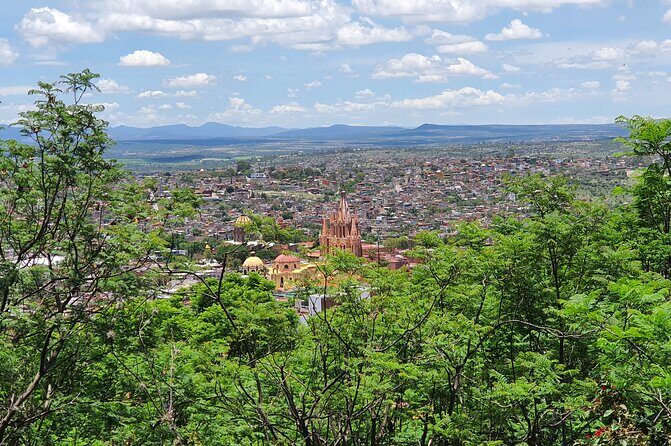
You begin at the Parroquia de San Miguel Arcángel in the Centro area, right in the heart of town. That matters because San Miguel is built on layers—Indigenous roots, colonial decisions, and later independence-era identity—and the Parroquia is a perfect “anchor” for explaining how the city shaped itself.
What I like about starting here is that it sets your mental map immediately. From the first minutes, you’re not just looking at buildings; you’re learning what those buildings meant to the people living there. If you’ve never visited San Miguel before, this kind of orientation is gold. You’ll leave with a framework for everything else you see after the tour—why streets look the way they do, why the church presence feels so central, and why some corners feel protected while others feel civic and everyday.
If you’re traveling with a service animal, this tour allows them, and it’s also near public transportation. That’s helpful because walking tours can sometimes feel like you’re on your own once you’re dropped off. Here, the logistics support the experience.
You can also read our reviews of more tours and experiences in San Miguel de Allende.
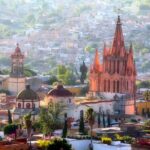

Parroquia de San Miguel Arcángel: Colors, Crypts, and the Big Picture (20 Minutes)
This is the first stop, and your guide kicks things off with visuals—images and videos—covering how San Miguel evolved from the older city to the modern one. Expect a fast but structured walkthrough of the city’s significance in the 1500s, plus the role churches played as power centers and community hubs.
You’ll also learn what’s behind the Parroquia’s look: the colors, the church elements people often notice from afar, and the more story-driven details like crypts and the way the site’s religious history ties into the city’s identity.
Why this stop is worth the time: it helps you stop treating the Parroquia as just a pretty façade. Instead, you get the context for how the city became what it is today, including the way architecture carried meaning and influence.
Possible drawback: because the tour starts with a lot of background, if you’re the type who wants to start sightseeing immediately, the first stretch may feel more lecture-like. One earlier description includes extra mythology context, and a couple of people felt that first portion could be shortened. If you’re sensitive to that, keep your expectations simple: you’re buying historical context up front.
Ignacio Allende House (Exterior Only): Independence Without the Long Detour (10 Minutes)
Next up is the Ignacio Allende House—Casa de Ignacio Allende—but you’ll view it from the outside. The reason is practical: the house has strong historical value, and the schedule is designed for efficient coverage.
Still, even from outside, this stop connects San Miguel to Mexico’s independence story. You’ll hear about who Ignacio Allende was, and you’ll also get an explanation of where the city’s name comes from. It’s short, but it adds a layer many first-time visitors miss: San Miguel isn’t only colonial-era beauty; it’s also part of the political story that reshaped Mexico.
Why this stop works: you get a clearer sense of why important people are tied to specific places, and how those ties influence local memory.
What to watch for: since you’re not going inside, don’t expect museum-style exhibits. This is meant to connect dots, not to replace a ticketed heritage visit.
Casa del Mayorazgo de Canal: How the Elite Lived in the 1700s (10 Minutes)
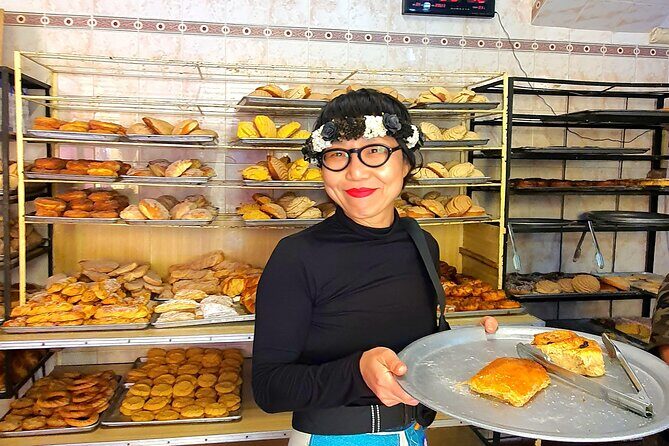
The Casa del Mayorazgo de Canal is one of San Miguel’s important homes from the 18th century, and your visit focuses on how the place functioned socially and practically. You’ll learn how noble families managed status and daily life through this kind of household design—specifically how a “small house in San Miguel” could still signal rank and importance.
The important reality check: the casa is open depending on the day or time, and it’s closed on Mondays. So if your visit lands on a Monday, don’t be surprised if you don’t see the exact interior moments you were picturing.
Why this stop is valuable: churches often dominate people’s San Miguel understanding. This one balances the story with domestic life and social structure—who lived where, how property and power worked, and what “importance” looked like inside real homes.
Bellas Artes (Convent Cloister + Art School Story) and the Siqueiros Link (20 Minutes)
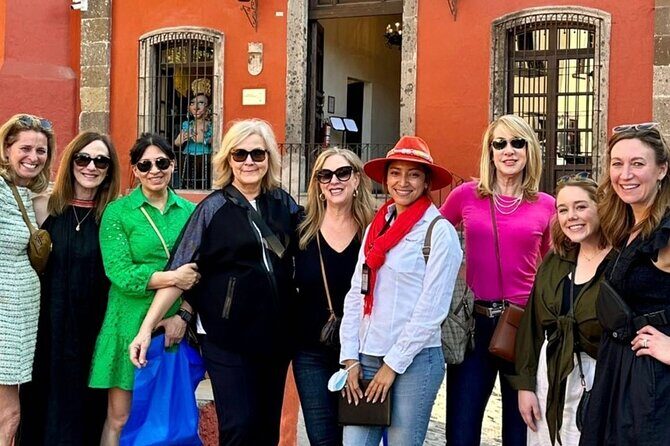
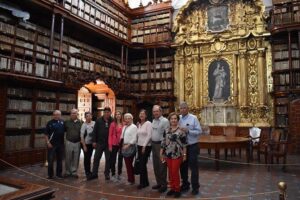
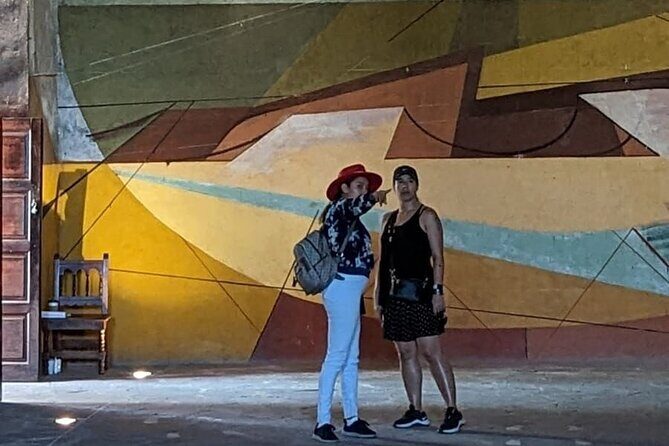
Then you get into the Bellas Artes area, described as an old cloister from the Convento de la Inmaculada Concepción, built in 1755. This matters because it shows a theme you’ll see repeatedly during the tour: religious architecture reused and re-purposed over time.
In the 1920s, it became an art school. And you’ll see mention of a mural by David Alfaro Siqueiros associated with the school. Even if you don’t take a long time here, it’s a strong “cultural bridge” between colonial foundations and later Mexican art identity.
Why I like this segment: it connects past and future. The city’s story doesn’t freeze in the 1700s. It keeps moving.
Drawback to keep in mind: time is tight. You’ll get highlights, not a long art history lesson. If you’re a mural fan, you may want to return later on your own for a slower look once you understand the backstory.





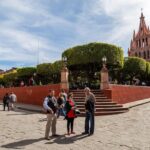
Visiting the Convento of the Inmaculada Concepción: Architecture Meets Real Access (10 Minutes)
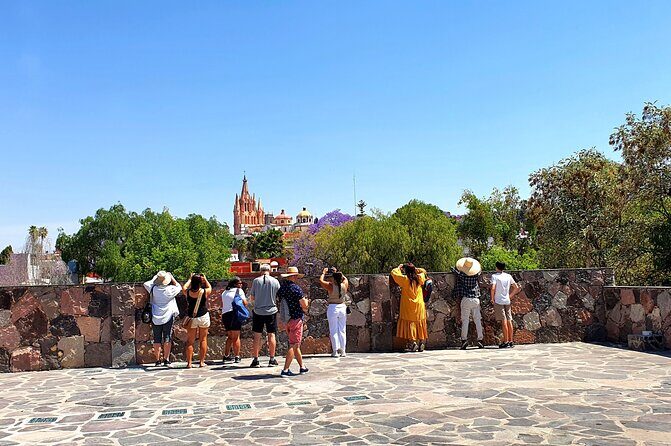
You’ll then visit the Convent of the Inmaculada Concepción area, but this part is flexible. You’ll go depending on opening hours and whether it’s accessible that day.
There’s also a key detail you should know in advance: the convent is sometimes accessed with private arrangements, and it can close without warning. That isn’t a problem with the tour so much as a reminder that you’re dealing with living spaces and schedules, not a sealed museum.
How to use this info: if the convent portion is open, you’ll understand the architecture and the foundation of the congregation. If it’s not open, your guide will still keep the route moving so you can get the bigger story.
My advice: don’t plan to view this as guaranteed interior time. Treat it as “best case” access. That mindset makes the day more relaxed and more enjoyable.
A Top-Tier Hotel Stop for Ceramics, Azulejos, and Panoramic Views (10 Minutes)
Another stop is at one of the 10 best hotels in Mexico, and the visit focuses on its surrounding historical spaces: the old convent environment, the patio, and the historical hacienda, plus a panoramic view of San Miguel.
What’s especially useful here is the craft angle. The tour highlights that Indigenous artisans create ceramics and azulejos (decorative tilework). Even if you’re not shopping, this makes the architecture feel lived-in and human.
Why this stop feels like value: you get scenery and craft context in just 10 minutes, without adding a separate paid museum stop on your schedule.
Potential trade-off: because the time is brief, you might not have the space to wander slowly or take in every detail. This is a “context + glance” stop. If you love tilework, plan a longer return visit later.
The Chorro, Lavaderos, Casa de la Cultura, and Old Haciendas: Where Daily Life Shows Up (10 Minutes)
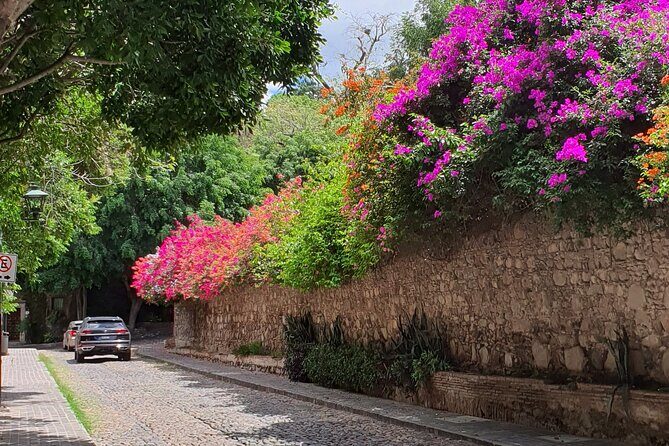
After Parque Juárez, the tour heads toward the Chorro, the Lavaderos, Casa de la Cultura, and old haciendas, sitting on benches as you listen to the explanation of why these places still matter to sanmiguelenses.
This is where the walking tour starts feeling less like a postcard route and more like a local-life route. Lavaderos especially help explain why water, work, and community spaces have always been part of San Miguel’s rhythm. The Chorro area ties in water history and movement through town, which helps you understand why certain spots aren’t just scenery.
What I like here: it’s practical history. Instead of only dates and big names, you learn how everyday needs shaped the city.
Possible drawback: if you’re hoping for nonstop major landmarks, this section may feel more “social and civic” than “wow cathedral” (though it can still be impressive once you know what you’re looking at).
Parque Benito Juárez: Markets, Music, Flowers, and People Watching (10 Minutes)
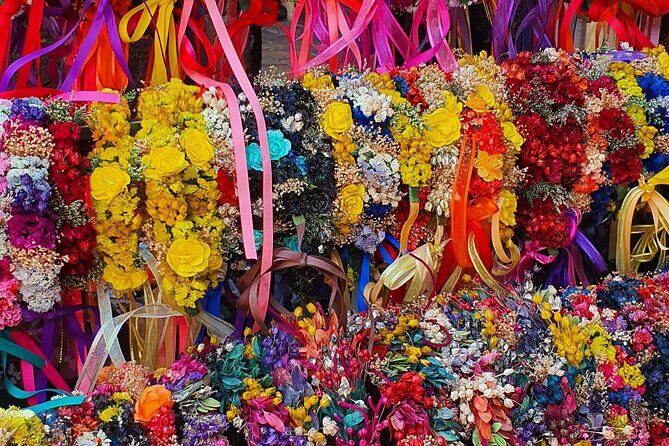
Park Benito Juárez is a quick stop, but it’s one of the best places to learn how the city plays. Depending on the date, you might see local artists showing work, artesanías markets, festivals, music, flower events, and even things like chocolate or beer being promoted around the space.
This segment is shorter than the church-focused stops, but it gives you a feel for modern San Miguel. It’s a reminder that history isn’t frozen—people still gather here for celebrations, weddings, and parades.
Why it works: after standing in religious and colonial context, switching to civic life helps your brain reset. It also helps you pick where to spend your own free time later.
Ending at San Francisco de Asís: Congregation and Temple Architecture (10 Minutes)
The tour finishes at the church of San Francisco de Asís. This is a good closing choice because it keeps you in the religious/architectural theme—while giving a different flavor than the Parroquia stop.
You’ll explore the importance of the congregation in San Miguel, learn about the foundation of the congregation, and see elements of the temple architecture. Even if you can’t stay for an extended visit, you’ll understand what the site represents in the city’s overall story.
Why this ending is satisfying: it wraps up the tour with a final “meaning” stop. You’ll leave with a sense of continuity: colonial-era faith, later social structure, and the ongoing influence of religious communities on the city layout.
Value for $32: Why This Feels Fair for a 2-Hour Orientation
At $32 per person for about two hours, the big question is whether it’s worth your time. Here’s how I judge it.
First, many sites on the route have free admission listed for the tour stops. That means you’re paying primarily for interpretation and route design, not entry fees. Second, the group size is capped at 10, which makes it less crowded than many “big history” tours. Third, you get at least one comfort break plus the infused water tasting—small, but it matters on a walking schedule.
So you’re not just buying a walk. You’re buying a fast map of what matters in San Miguel and why it matters.
Guide Quality You Can Expect: The Names People Remember
In San Miguel, a tour can either be a slideshow of dates or a story you can walk with. This one tends to land on story.
The guides most often credited by name include Marimar and Luis. A common theme in their praise is a mix of passion plus details—short videos to support explanations and lots of room for questions. That’s the kind of guide who helps you see why places feel important, not just what they are.
If you’re lucky enough to get Marimar, for example, you’ll likely hear extra context and get practical suggestions for how to keep exploring after the tour. With Luis, the same pattern shows up: clear explanation, friendly energy, and enough local knowledge to give you a strong foundation for the rest of your days.
Who Should Book This Tour (and Who Might Want Something Different)
Book it if:
- you’re visiting San Miguel for the first time and want a strong orientation
- you enjoy churches, architecture, and the story behind places
- you like a small-group format and short focused stops
- you want a history base before choosing museums or slower independent walks
You might prefer a different kind of tour if:
- you want mostly scenery with minimal dates
- you hate anything that feels lecture-like at the start
- you strongly need guaranteed interior access to convent spaces (since access can depend on daily closures)
Quick Practical Tips Before You Go
- Wear comfortable shoes. You’re moving through town at a steady pace for about two hours.
- Bring a light layer. San Miguel afternoons can shift.
- Plan to be flexible. Convent access and certain homes can be limited by daily hours.
- If you’re a photo person, know you’ll get short windows. This is a highlights tour, not a slow wander.
Should You Book This San Miguel Historical Walking Tour?
Yes, if you want the fastest way to understand San Miguel de Allende beyond the surface. This route is built for first-time visitors: major landmarks, plus practical civic places like the Lavaderos and Parque Benito Juárez, and enough context to make your later exploration easier.
I’d skip it only if you know you want a lighter, more casual walk with minimal historical detail. The tour is structured to explain meaning, not just to pass by sites.
If you book, go in with one mindset: you’re paying for a guide who helps you read the city. Once you do, San Miguel’s streets start making sense quickly—and that’s the best souvenir you can take home.
FAQ
How long is the walking tour?
It’s about 2 hours.
What does the tour cost?
The price is $32.00 per person.
Is the tour offered in English?
Yes. The tour is offered in English.
How big is the group?
The maximum group size is 10 travelers.
Where does the tour start and where does it end?
It starts at Parroquia de San Miguel Arcángel in the Zona Centro area and ends back at the meeting point.
Are tickets included for the stops?
Admission tickets for the listed stops are free.
Is a mobile ticket used?
Yes, it’s a mobile ticket.
Is there food or drink included?
There is a pause for a bathroom break and a tasting of infused water with fruit.
Important Note on Changes and Weather
The experience requires good weather. If it’s canceled due to poor weather, you’ll be offered a different date or a full refund.