REVIEW · SAN MIGUEL DE ALLENDE
Come to Querétaro to know the EVENTS that changed the History of Mexico
Book on Viator →Operated by ALEJANDRO VILLAR AGUILAR · Bookable on Viator
History hits you fast in Querétaro. This tour strings together three major chapters of Mexico’s story, from the start of independence to the city’s 16th-century roots and the engineering that helped it grow, led by Alejandro Villar Aguilar. I especially like how he ties names and dates to real places, including the Casa de la Corregidora story of Don Miguel Domínguez and Doña Josefa Ortiz, and how the pacing gives you quick stops instead of long, tiring trudges. One thing to plan for: it’s weather-dependent, and only bottled water is included, so bring your own light snack if you get hungry.
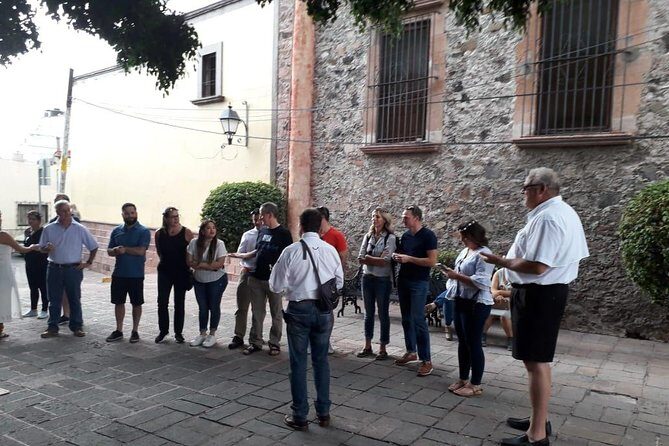
You’ll meet in the center at Plaza de Armas and head out on foot with a private group, in English. Most of the time is focused and manageable, with shorter visits at each stop and chances to sit while the explanations land. Expect a smart, question-friendly guide, plus a history walk that feels practical, not stuffy.
In This Review
- Key highlights you’ll care about
- Why this 8:00 a.m. history walk makes Mexico’s story click
- The value behind the format
- Casa de la Corregidora: Where 1810 independence begins to take shape
- What makes this stop feel different
- A possible drawback to consider
- Santa Cruz de los Milagros: 1531 foundations, El Calvarito, and early mission life
- Why mission-era history deserves your attention
- How long you’ll spend here
- One practical note
- El Acueducto de Querétaro: The 1726 water solution that still dominates the skyline
- What you learn by seeing the structure
- Price and logistics: What you’re buying for $83.59
- Pickup and starting point
- Mobile ticket: a small but real convenience
- Pacing, comfort, and what to bring so the day stays easy
- Bring this (seriously)
- Questions are part of the deal
- Who this tour is best for (and who might not love it)
- Should you book this tour?
- FAQ
- What time does the tour start?
- How long is the tour?
- Where do we meet?
- Is pickup offered?
- Is the tour private?
- Is it in English?
- What’s included, and do I need snacks?
- Are admission tickets required for the stops?
- Is it weather-dependent?
Key highlights you’ll care about
- A guide who connects the dots between early colonial events and 1800s turning points, including Maximilian
- Government House of 1810 context at Casa de la Corregidora, tied to Miguel Domínguez and Josefa Ortiz
- Mission-era foundations in 1531 at the Santa Cruz de los Milagros complex, including El Calvarito
- A real engineering flex at the 1726 aqueduct, stretching 1,280 meters with an arcade up to 28 meters high
- Comfortable logistics: private group, mobile ticket, English, start time at 8:00 a.m.
- No snack included: bottled water is covered, so plan food if you need it
Why this 8:00 a.m. history walk makes Mexico’s story click

The best part of this experience is the way it teaches history through location. You’re not looking at dates on paper. You’re standing where events unfolded, then hearing how the next chapter connects.
Starting around 8:00 a.m. also makes the tour more comfortable. Querétaro can get warm, and earlier hours mean you’ll feel less worn out before the explanations begin. It’s also easier to enjoy a walking format when you’re not rushing from one scorching street corner to the next.
This is a private tour, so you don’t have to share attention with a large crowd. That matters for history tours because good answers often come from questions you didn’t know you had yet. The guide is English-speaking and tends to be flexible, so if you want extra context, you’re more likely to get it.
You can also read our reviews of more historical tours in San Miguel de Allende
The value behind the format
At $83.59 per person for a roughly 3 to 6 hour experience, what you’re really paying for is interpretation. Entry to the featured sites is marked as free, so your cost isn’t mainly a ticket price. Instead, it’s the guide time: connecting independence origins, mission foundations, and the city’s growth through infrastructure.
If you like wandering without getting lost, this works. If you prefer a self-guided pace only, it might feel less necessary. But if you want your head to feel clearer about Mexico’s 1800s and colonial beginnings, the guided structure is the point.
Casa de la Corregidora: Where 1810 independence begins to take shape
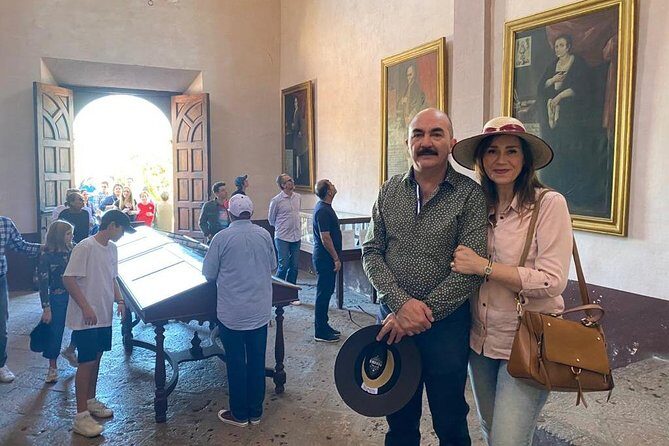
Your first stop is the Palacio de Gobierno Casa de la Corregidora. This is where the independence story of New Spain is linked to 1810, which later becomes Mexico about 11 years afterward. That timeline matters, because it helps you understand independence as a process rather than one moment.
The site connects to the government house of the Corregidores—Don Miguel Domínguez and Doña Josefa Ortíz. Even if you already know the big terms, it helps to hear how these people fit into the political reality of their time. You start to see independence not as a single spark, but as tension inside the colonial system.
What makes this stop feel different
Many history stops are just architecture with a plaque. This one has a built-in story engine: the building context supports the discussion of authority, power, and rebellion. You’re given time on the site (about 40 minutes), which is enough to understand the basic narrative without feeling like you’re in a museum sprint.
Admission is marked free, which is a smart touch for your overall day. It keeps the experience focused on learning rather than turning into a pay-to-enter scavenger hunt.
A possible drawback to consider
Because you’re learning, you might spend more time than you planned asking questions here. That’s a good problem to have, but it can affect the feel of the rest of your day if you’re strict about schedules. If you’re visiting alongside other plans, keep a little buffer.





Santa Cruz de los Milagros: 1531 foundations, El Calvarito, and early mission life
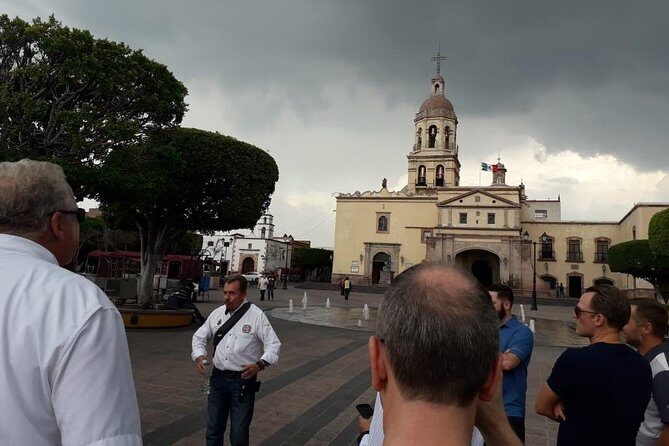
Next comes Templo y ex-convento de la Santa Cruz de los Milagros. This stop is all about the city’s start points. The complex connects to the foundation of the city in 1531, followed by a chapel area known as El Calvarito.
El Calvarito is described here as a place where the first indigenous people were baptized. After that, the Franciscan convent comes into the story, including its role as an early Fide propaganda college in America. Even if those terms are new to you, the guide’s job is to translate them into plain language: who was being taught, why education mattered, and how mission structures shaped daily life.
Why mission-era history deserves your attention
This part of Mexico’s story is easy to skim past when you’re only chasing independence dates. But the mission period helps explain the deeper layers: language, institutions, and how colonial society took root.
I like that this stop doesn’t just say Spanish arrived and the rest happened. It points you to specific places and processes: the chapel setting, the baptism connection, then the Franciscan role in building systems of influence through education and religion. The result is a clearer understanding of how later political events could happen on top of these earlier structures.
How long you’ll spend here
You’ll typically have around 50 minutes at this site. That’s a good slot for learning while still keeping momentum. Admission is also listed as free, so you’re not juggling costs mid-tour.
One practical note
This stop may include time spent looking, listening, and moving through historic spaces that can feel a bit uneven. You don’t need to be an athlete, but comfortable walking shoes help. If you’re sensitive to uneven ground, you’ll appreciate that the morning start and short stop times keep things manageable.
El Acueducto de Querétaro: The 1726 water solution that still dominates the skyline
After mission-era foundations, the tour shifts to something very human and very practical: water. El Acueducto de Querétaro is described as a huge monument built in 1726 to solve the city’s water supply needs as Querétaro grew.
The numbers are what grab you first. It’s 1,280 meters long, and the arcade rises to about 28 meters high. That’s a serious piece of civic infrastructure. The aqueduct wasn’t just a beautiful background. It was an engine for growth.
What you learn by seeing the structure
This is where history becomes tangible. You’re watching how a city invested in survival needs—water—and how engineering decisions shaped urban life. It also helps explain why a city could expand in the first place. When you understand water systems, many other parts of history make more sense.
This stop is shorter (about 30 minutes), and that works well. The aqueduct is visually strong; you don’t need an hour to get the idea. The guide’s job is to give context and make sure you notice the right elements without turning it into a technical lecture.
Admission is also marked free, which keeps the day’s value high.
Price and logistics: What you’re buying for $83.59
Let’s talk value in a real way. Your price—$83.59 per person—isn’t mostly about paid entry fees since these highlighted stops are listed with free admission. You’re paying for:
- A private guided experience (your group only)
- A structured route with time on three major landmarks
- English commentary
- Included bottled water
- A format that tends to include seating moments so you can absorb information without constant walking
The duration range is 3 to 6 hours. That can sound broad, but it usually reflects how much time you want for questions, how long each stop runs, and the day’s pace. If you’re the type who asks plenty of follow-ups, you’ll likely land nearer the longer side.
Pickup and starting point
Meet at Plaza de Armas, Centro, 76000 Santiago de Querétaro. Pickup is offered, and the provider coordinates with your hotel or location. You’ll agree on a pickup time after booking, which makes this easier if you’re staying slightly outside the center.
If you’re near public transportation, that’s helpful too, because it gives you options if pickup timing changes. And because the tour ends back at the meeting point, you don’t have to worry about a complicated drop-off.
Mobile ticket: a small but real convenience
You’ll have a mobile ticket, which cuts down on paperwork. For a morning start, that’s one less hassle on your phone while you’re walking around.
Pacing, comfort, and what to bring so the day stays easy
One reason this experience gets strong marks is how it feels doable. The walking is not described as punishing, and the schedule is built on short blocks with time to sit for explanations.
Starting at 8:00 a.m. also helps you avoid the worst heat, and that matters for comfort more than people expect. If you’ve done city walks before, you know the difference between a tour that feels friendly and one that feels like a forced hike.
Bring this (seriously)
- A light snack, since snacks aren’t included
- Comfortable shoes for historic streets and uneven surfaces
- A water bottle too, even though bottled water is included, if you like extra
Questions are part of the deal
A big part of why this tour works is the guide’s ability to answer. The explanations aren’t limited to history trivia. They include connections that many visitors find helpful, including how events in Mexico’s 1800s can be understood alongside the U.S. story. You may also hear about Cinco de Mayo and political changes in the 1800s, plus background around Maximilian’s reign, depending on your interests and what comes up during the walk.
If you’re traveling from the U.S. or Texas, you’ll likely appreciate those comparisons, because they anchor unfamiliar names and events.
Who this tour is best for (and who might not love it)
This is ideal if you:
- Want a guided, understandable path through key Mexico storylines
- Enjoy history that connects people, not just buildings
- Like structured walking tours but hate long, exhausting days
- Appreciate English commentary and a private-group feel
It might not be your best match if you:
- Prefer fully self-guided sightseeing with no interpretation
- Want zero walking time and no group pacing at all
- Are only interested in one narrow topic (like independence alone) and don’t care about colonial mission roots or civic engineering
Because the tour covers multiple eras, it’s best for curious travelers who want the big picture but still want it grounded in real places.
Should you book this tour?
I think you should book this walk if you want history that makes sense fast. The combination of Casa de la Corregidora, Santa Cruz de los Milagros, and the 1726 aqueduct is a smart mix: politics, religion and education, then infrastructure and growth. Add in a private English guide and included bottled water, and you’ve got a high-value morning plan.
Skip it only if guided walking feels like work to you, or if you know you’ll never ask questions. Otherwise, this is the kind of tour that leaves you with names, timelines, and a city that feels more than just pretty streets.
FAQ
What time does the tour start?
It starts at 8:00 a.m. and returns to the meeting point.
How long is the tour?
The duration is approximately 3 to 6 hours.
Where do we meet?
The meeting point is Plaza de Armas, Centro, 76000 Santiago de Querétaro, Qro., Mexico.
Is pickup offered?
Yes. Pickup is offered, and the provider coordinates with your hotel or location to agree on a pickup time.
Is the tour private?
Yes. It’s a private tour/activity, so only your group participates.
Is it in English?
Yes, it is offered in English.
What’s included, and do I need snacks?
Bottled water is included. Snacks are not included, so it’s smart to bring a small one if you need it.
Are admission tickets required for the stops?
Admission is listed as free for the featured sites on the route.
Is it weather-dependent?
Yes. It requires good weather. If it’s canceled due to poor weather, you’ll be offered a different date or a full refund. You can cancel for a full refund up to 24 hours before the experience starts.