REVIEW · PUEBLA CITY
Puebla + Secret Tunnels of Xanenetla (private tour)
Book on Viator →Operated by Unlimited Experiences · Bookable on Viator
Puebla’s tunnels can change your whole day. This private 4-hour route packs Puebla’s top historic stops—plus live guide commentary, pickup, and included tastings—so you get bearings fast. I especially like how the plan strings together big-picture culture in a tight loop, from the Biblioteca Palafoxiana to baroque churches.
The second thing I really like is the balance: you get both famous sights and food-and-crafts Puebla style, like Calle de los Dulces and Mercado el Parián. One possible drawback to keep in mind: the Xanenetla Tunnels can be restricted or closed due to rainwater leakage, so your visit may be only from the outside depending on conditions.
In This Review
- Key things to know before you go
- A Private Morning That Hits Puebla’s Big Icons in One Loop
- Tickets, timing, and what you actually get for $125
- Biblioteca Palafoxiana: the first public library feeling in the Americas
- Puebla Cathedral: two towers, UNESCO weight, and Manuel Tolsá’s altar
- Capilla del Rosario (Templo de Santo Domingo): baroque you can read with your eyes
- Calle de los Dulces and the sweet-shopping reality check
- Barrio del Artista and Mercado el Parián: craft without the museum attitude
- Barrio del Artista
- Mercado el Parián
- Xanenetla tunnels: the highlight that can flip to outside-only
- Forts of Loreto and Guadalupe: history on the hill with real city views
- What makes the guide matter (and what to ask for)
- Lunch isn’t included, but snack time helps
- Should you book this Puebla + Xanenetla private tour?
- FAQ
- How long is the Puebla + Secret Tunnels of Xanenetla private tour?
- What time does the tour start?
- How much does the tour cost?
- Is hotel pickup included?
- Is this tour private?
- What’s included in the tour price?
- Are entrance tickets included?
- What happens if the tunnels are closed?
- Is the tour in English?
- What’s the cancellation policy?
Key things to know before you go
- Hotel pickup and drop-off in Puebla or Cholula keeps the morning stress-free
- Tickets included for the Palafoxiana Library, Rosario Chapel, and the Xanenetla Tunnels access (when open)
- Four hours, eight stops means you’ll cover a lot without racing across town
- Included snack tasting of tortita de Santa Clara-style sweets and camote helps you skip the first-food scramble
- Guide commentary is part of the value: you’re not just looking at buildings, you’re hearing the stories
- Weather can affect the tunnels: plan with flexibility and ask what will be possible that day
A Private Morning That Hits Puebla’s Big Icons in One Loop
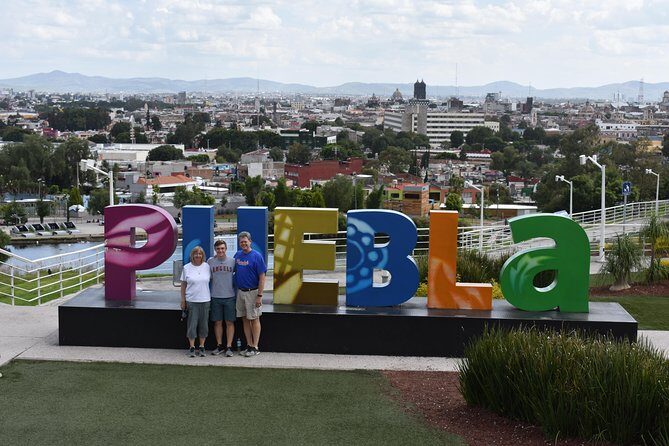
A good Puebla day doesn’t have to be a jigsaw puzzle. This private tour is designed as a single, sensible loop through the Historic Center and up to a viewpoint. You start at 10:00 am, and you get pickup from any hotel or Airbnb in Puebla or Cholula, which is a real time-saver if you’re staying in the center or nearby.
Because it’s private, you also get more control over pacing. If you want a quicker stop for photos or you slow down for interior details, your guide can adjust. That flexibility matters here because some places (like the Cathedral and Rosario Chapel) can feel “on the move” unless someone gives you a reason to look closely.
You can also read our reviews of more private tours in Puebla City


Tickets, timing, and what you actually get for $125
At $125.00 per person for about 4 hours, this tour is priced like a comfort-and-convenience experience. You’re paying for (1) private transportation, (2) guide-led storytelling, and (3) included entrance access for several key sights. That adds up quickly if you’d otherwise need multiple taxis, timed entries, and a lot of self-planning.
Here’s the fair trade-off: it’s efficient, which means each stop is brief. If you’re the type who wants long museum time or deep reading about art and architecture, you may find yourself wishing for 30–60 extra minutes in your favorite place. Also, the tour can be impacted by tunnels access rules, so you should treat the tunnels as a highlight that’s “subject to safety” rather than a guaranteed indoor wander.
Biblioteca Palafoxiana: the first public library feeling in the Americas
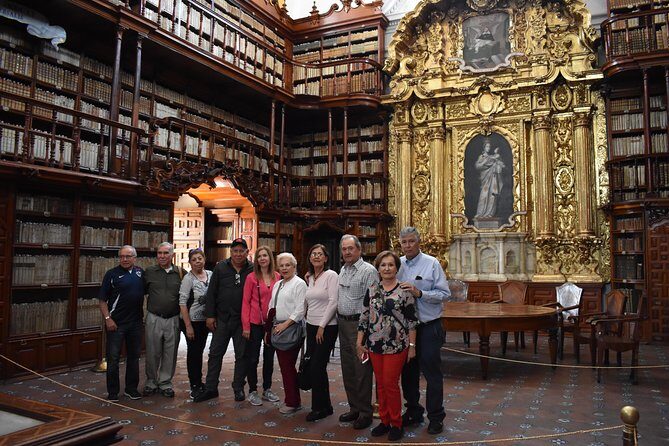
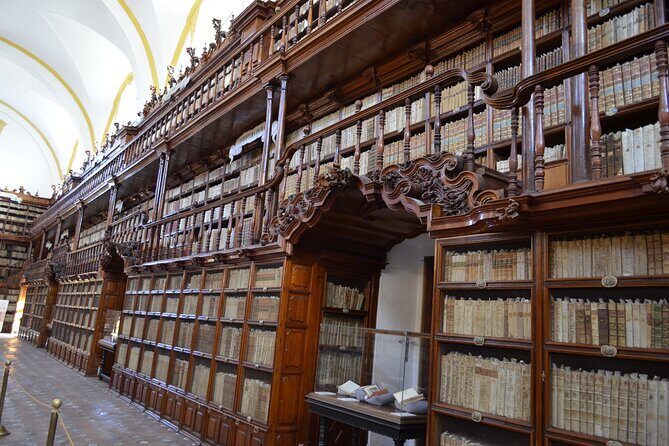
The morning begins at the Biblioteca Palafoxiana in Puebla’s Historic Center. This place isn’t just historic—it’s visually impressive in a way that makes the story click fast. The library was founded in 1646 by Bishop Juan de Palafox y Mendoza, and it’s widely recognized as the first public library in the Americas.
What you’ll notice right away is craftsmanship: carved wooden shelving, a sense of order, and an altar dedicated to the Virgin of Wisdom. The collection is also a big deal—over 45,000 ancient books and manuscripts, with materials spanning the 15th through 19th centuries and covering topics like theology, law, philosophy, and literature.
You’ll only spend about 30 minutes here, so come with one question in mind. For example: do you care more about the library’s founding story, or about what kinds of knowledge were kept there? A guide’s live commentary really helps you make that time count.
Puebla Cathedral: two towers, UNESCO weight, and Manuel Tolsá’s altar
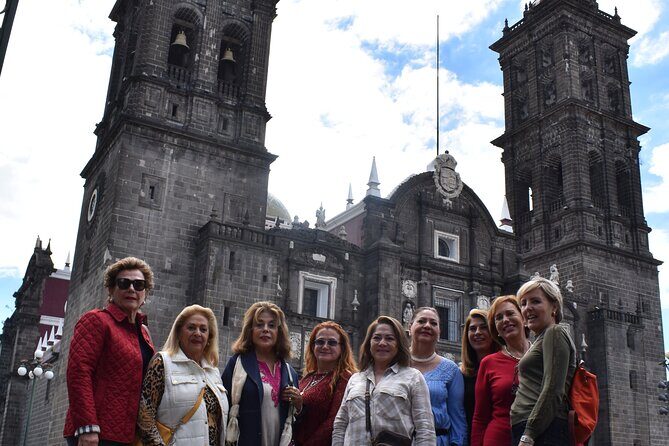
Next you’ll head to Puebla Cathedral in the Zócalo area. This is the city’s main monument stop, and the timing works because it anchors the whole day. Construction spans the 16th and 17th centuries, mixing Renaissance and Baroque architecture. And yes, the Cathedral has two major towers, which are considered among the tallest in Latin America.
Inside, the main altar by Manuel Tolsá is a standout. The chapels around it also deliver layers of detail—good for slowing down your eyes rather than just snapping photos from the entrance. You’ll spend around 40 minutes, and that’s just enough to get the lay of the place and appreciate why the Cathedral became a UNESCO World Heritage Site.
Practical note: Cathedral interiors can feel cooler than the street, but lighting can vary. If you’re into photography, bring your phone charger and keep your settings flexible.
Capilla del Rosario (Templo de Santo Domingo): baroque you can read with your eyes
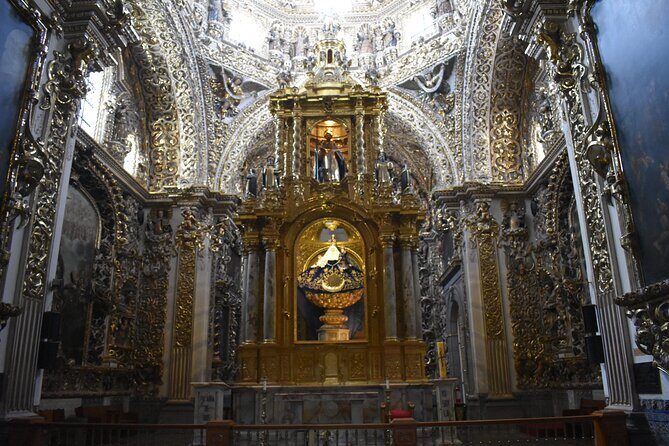
If the Cathedral is the big centerpiece, the Capilla del Rosario is the art-world punchline. It’s located inside the Templo de Santo Domingo complex and is known for its dazzling 17th-century Baroque decoration—often called the Eighth Wonder of the World.
What’s special isn’t just that it’s ornate. It’s that the decoration uses multiple Puebla-famous materials and color stories together: gold, Talavera elements, and stucco, layered into religious symbolism. The chapel’s dome is designed to represent the heavens, and the smaller details—angels, floral ornaments, and other iconography—create a “look again” effect.
You’ll get about 30 minutes, and that time can either fly by or feel rewarding. If you’re the kind of visitor who likes to pick a theme (heavens/angels, for example) and find it repeatedly across the artwork, this chapel is a great match. A guide can also point out what to focus on so you don’t just stare at everything equally.


Calle de los Dulces and the sweet-shopping reality check
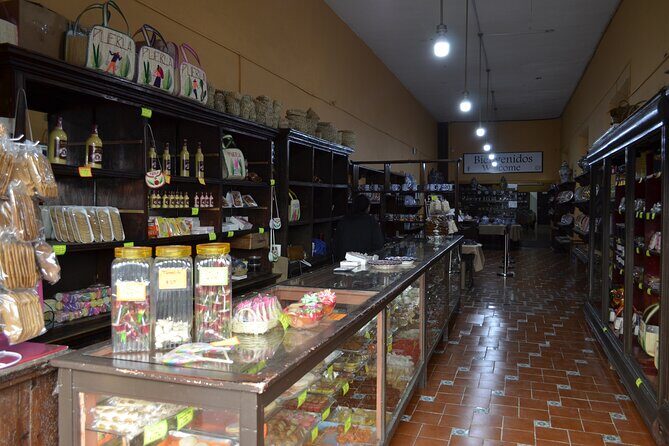
After churches, you shift into street-level Puebla: Calle de los Dulces (also known as Calle 6 Oriente). This is where the city’s sweet tradition shows up in a concentrated, walkable way. Expect shops lined with local candies and treats like camotes, tortitas de Santa Clara, muéganos, and macarrones poblanos.
You’ll spend about 20 minutes here. That’s enough to taste, browse, and decide what to buy for friends without turning your tour into a full food excursion. Your best move is to treat this as a “choose carefully” stop: pick two or three items you know you’ll actually eat, not ten things you bought for their packaging.
The guide’s included snack tasting (tortita-style sweets and camote) also helps you calibrate your preferences before you shop more aggressively.
Barrio del Artista and Mercado el Parián: craft without the museum attitude
Next you’ll get a side of Puebla that feels more hands-on: art spaces and markets.
Barrio del Artista
In the Barrio del Artista, you’re walking through an area that grew from artistic activity starting around the 1940s. The atmosphere is built around workshops and galleries where local artists create and display work. You’ll see cobblestone streets and little squares that encourage a slower stroll, and you can connect what you just saw in churches to how Puebla expresses creativity in daily life.
Time on this stop is short—around 15 minutes—so think “quick gallery walk” rather than “plan an afternoon.”
Mercado el Parián
Then comes Mercado el Parián, located in the Barrio de los Sapos area. This market is a strong place to find handmade souvenirs: Talavera pottery, embroidered textiles, clay figurines, and traditional toys. One practical advantage is that you’re not only shopping—you can interact with artisans and watch traditional techniques at work.
You’ll have about 15 minutes here, which is exactly the right length for browsing and comparing. If you love Talavera, this is the stop where you can actually shop with context—what kind of pieces you want, what colors you prefer, and what looks good as a realistic suitcase item.
Xanenetla tunnels: the highlight that can flip to outside-only
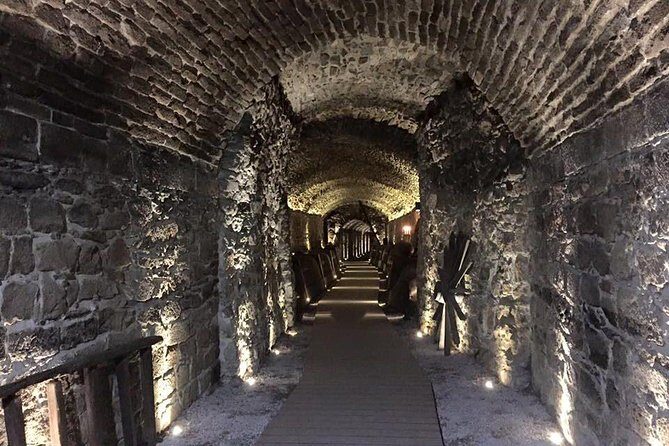
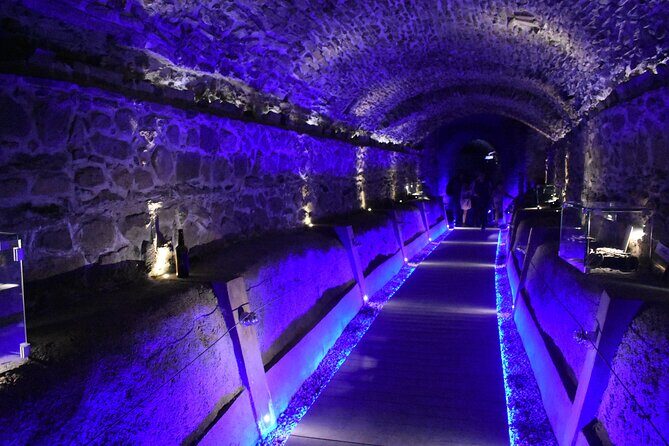
This is the stop with the biggest “check the day” factor: the Túneles de Puebla (Xanenetla Tunnels). The idea is thrilling—a subterranean labyrinth tied to Puebla’s past, connecting strategic points and associated with transportation, defense, and escape during colonial times and the Mexican Revolution.
When the tunnels are open as planned, you’ll spend about 30 minutes and you’ll get access that feels like you found a secret layer of the city. But there’s a serious reality here: the tunnels have been closed at times due to rainwater leakage, and when that happens, visits may be outside-only.
If you really want the indoor experience, ask your guide or the operator the day of your tour what access level is currently permitted. Also, keep expectations flexible. Even from outside, the setting and historical storytelling can still make it worthwhile—just don’t build your entire day around one exact version of the tunnels.
Forts of Loreto and Guadalupe: history on the hill with real city views
The final major stop is up on Cerro de Acueyametepec: the Forts of Loreto and Guadalupe. This place matters in Mexico’s national story. It was the setting for the Battle of May 5, 1862, when the Mexican army under General Ignacio Zaragoza defeated French forces—a turning point in the conflict.
Today, the forts include museums and cultural spaces that explain what happened, plus a big payoff: the panoramic views over Puebla. You’ll spend around 30 minutes here, which is perfect for seeing the scale of the hill and getting your bearings over the city.
One thing to watch for: on at least some days, the experience can shift toward viewpoint time rather than full museum-walk time. If museums inside matter to you, it’s smart to ask early, before you go uphill, whether you’ll be entering the museum spaces or focusing on the forts area from outside.
What makes the guide matter (and what to ask for)
A private tour lives or dies on guidance. Some guides lean into legends, local details, and story-driven stops, which can be a big reason this tour scores well. People have specifically praised guides like Olivia, who reportedly answered questions well and kept things smooth, and Suzana, who shared legends and secrets while adapting the day for different walking needs.
At the same time, not every guide interaction will feel equally deep. If you care about a particular thread—revolutionary-era context for the tunnels, for example—ask for that directly at the start. A simple question like What part of Puebla’s history should I focus on today? gives your guide a target and helps the commentary match your interests.
Lunch isn’t included, but snack time helps
No food is included beyond the tasting snack: tortita de canta clara (tortitas de Santa Clara style) and camote, plus bottled water. That’s helpful because you’re less likely to hit the midday slump during church stops.
Still, plan for real lunch after the tour. The good news is that you’ll finish with options back near the Historic Center where you can choose based on your hunger level.
Should you book this Puebla + Xanenetla private tour?
Book it if you want:
- a time-smart introduction to Puebla’s biggest sights in one connected route
- pickup and drop-off so you don’t wrestle with logistics
- a mix of architecture, sweets, crafts, and a chance at the Xanenetla Tunnels
Skip or choose carefully if:
- you’re mainly chasing long museum time and deep art study
- you’re traveling during rainy conditions and you only want tunnels if they’re fully accessible
- you already visited several of these stops on your own and you’re looking for more off-the-beaten-path replacements
My practical final advice: confirm tunnels access in advance of the day and ask whether you’ll enter the forts museums or focus on viewpoints. If those answers look good, this tour is a strong way to get Puebla into your head quickly—cathedral grandeur, Rosario chapel detail, sweet street treats, and a tunnel story that makes the city feel larger than the map.
FAQ
How long is the Puebla + Secret Tunnels of Xanenetla private tour?
It runs for about 4 hours (approx.).
What time does the tour start?
Start time is 10:00 am.
How much does the tour cost?
The price is $125.00 per person.
Is hotel pickup included?
Yes. Pickup is offered at any hotel or Airbnb in Puebla or Cholula.
Is this tour private?
Yes. It’s a private tour/activity, meaning only your group participates.
What’s included in the tour price?
A tour host/guide, private transportation, bottled water, access to the Palafoxian Library, access to the Chapel of the Rosary, access to the Xanenetla Tunnels, and snacks including a tasting of tortita de canta clara and camote.
Are entrance tickets included?
Yes for the Palafoxian Library and Chapel of the Rosary, and access to the Xanenetla Tunnels. The Puebla Cathedral stop is listed as free admission, and the Forts of Loreto and Guadalupe are listed as free admission.
What happens if the tunnels are closed?
The Xanenetla Tunnels have been closed at times due to rainwater leakage, with visits available only from the outside. If access changes, your experience may shift accordingly.
Is the tour in English?
Yes, it’s offered in English.
What’s the cancellation policy?
Free cancellation is available up to 24 hours in advance for a full refund. Within 24 hours, the amount paid is not refunded.