REVIEW · CHICHEN ITZA
Private Tour in Chichen Itza Official History Guide
Book on Viator →Bookable on Viator
Chichén Itzá clicks faster with a guide. This private, English-speaking history tour takes you through the site’s big-name monuments without wasting time, and the best part is how the timing helps you see more calmly, with space before the crowd swell. The one catch: Chichén Itzá admission and parking are extra, so budget for that up front.
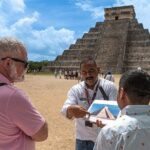
What I like most is the way the guide turns stone into stories—names, symbols, and how the buildings fit together—often using visual aids like photos and drawings to make the details easier to follow. You’ll also get flexibility: if your group needs a slower pace, the tour can adjust, which matters if you’re traveling with kids or just want time to look.
In This Review
- Key Highlights Before You Go
- The Big Value of a Private Chichén Itzá History Guide
- Stop 1: The Central Area and the Main Pyramid Complex
- A realistic expectation
- Stop 2: Temple of the Warriors and the Northern-to-Southern Walk
- The photo-and-shade rhythm
- Guide Style Matters: Pepe, Enrique Tun, and What You Gain
- Price and Logistics: What You Pay and What It Really Covers
- Is it good value?
- Timing Your Visit: Why This Route Works
- What You Should Bring (So the Tour Feels Easy)
- Who This Tour Is Best For
- Possible Drawback to Keep in Mind
- Should You Book This Private History Guide?
- FAQ
- Is admission to Chichén Itzá included?
- Do I need to pay for parking?
- How long is the tour?
- Is the tour private?
- What language is the tour offered in?
- What is included in the price?
- Where do we meet?
Key Highlights Before You Go
- Private timing help that can mean a calmer first look at the main pyramid complex
- Full-site walk of major buildings, not just the postcard spots
- Clear logistics on arrival, including where to get entrance fees and restroom access
- Photo-friendly pacing, with shade stops built into the route
- English storytelling that stays engaging, with visual material used to explain what you’re seeing
- Family-friendly adaptability, including patience for kids and mixed ages
The Big Value of a Private Chichén Itzá History Guide
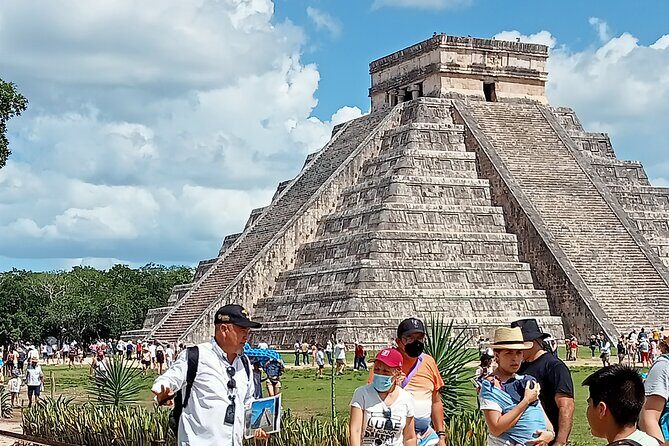
Chichén Itzá is famous for one thing and misunderstood for many things. A self-guided visit can feel like you’re collecting views—pyramid, ball court, cenote—without a sense of why they mattered to the Mayan people who built and used them.
On this tour, the difference is the guide’s job: to connect what you’re looking at to what it meant. That matters because the site isn’t a single monument. It’s a whole working world of temples, plazas, and ceremonial spaces laid out over time. Walking it with a real history guide helps you stop seeing it as a highlight reel and start seeing it as a plan.
It’s also private, so you’re not stuck in a rigid line of strangers. Your group moves at a pace that’s realistic for photos, shade, and questions—especially useful if your crew includes kids, or if you like to pause and stare (in a respectful way) when something looks weird—because at Chichén Itzá, weird is the whole point.
You can also read our reviews of more guided tours in Chichen Itza
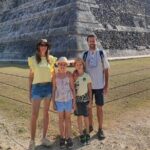
Stop 1: The Central Area and the Main Pyramid Complex
You’ll begin at the central group in front of the observatory, which is a smart starting point. From here, you can get bearings fast and move through the site’s most iconic features without backtracking.
This first chunk is about 39 minutes, and it’s built for orientation. You’ll see the major buildings people come for, including:
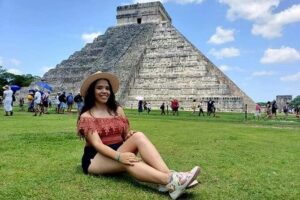
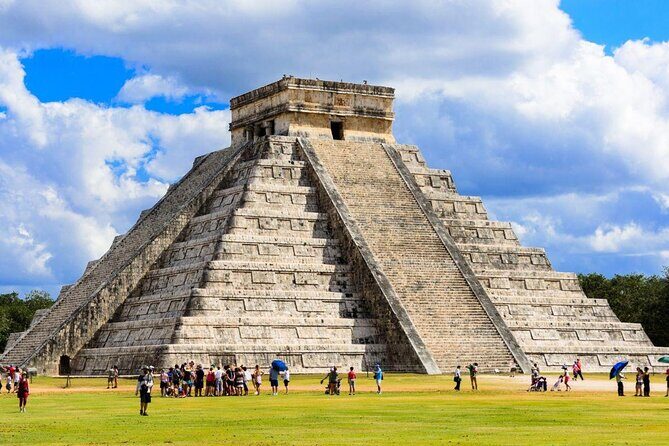
- Temple of Kukulcán (the main pyramid)
- The Great Ball Court
- The Observatory
- The Sacred Cenote
- Other key points in the central area
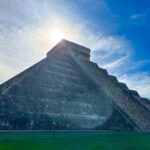
Even if you’ve seen photos before, the scale hits when you’re standing there. The Temple of Kukulcán dominates the space, and the guide’s explanations help you notice how the structure connects to the way people tracked time and ceremonial cycles.
One practical thing I appreciate here: the tour doesn’t pretend you’ll read everything like a museum placard. Instead, it gives you a focused sweep of the big monuments so you know what you’re looking at before the longer walk.
A realistic expectation
This is not a slow “every stone, every angle” marathon. If you want that, you can still take your time during the stop-and-look moments, but the overall flow is designed to keep you moving and keep the story coherent.
Stop 2: Temple of the Warriors and the Northern-to-Southern Walk
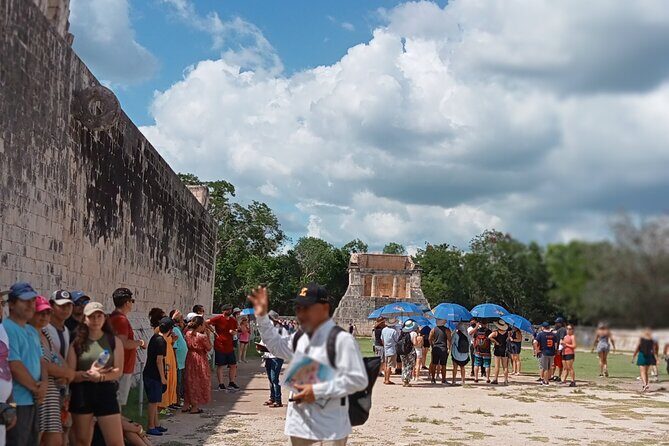
After you meet and get started—your guide will also point out where to get entrance fees and where the restroom is—the tour continues at a deeper, more narrative pace.
You’ll begin the second section in the northern section, where you’ll revisit Kukulcán as part of the broader explanation, then head to key ceremonial and architectural highlights such as:
- Great Ball Court
- Platform of Venus
- Sacred Cenote
- Temple of the Warriors
Then, after a short break, you’ll walk south through the site to see more of the complex layout, including:
- Mayan observatory (again in context, now that you can connect it to the overall plan)
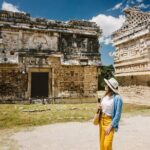
- Nunnery
- Building known as the Church
The route is set up so you don’t just collect stops—you understand how each cluster relates to the next. If you like symbolism, this is where it pays off. In the feedback from previous groups, guides like Pepe (Jose Maria Osorio) are singled out for explaining the meanings behind what you’re seeing, including how the site can be discussed through Mayan glyphs and drawings rather than only through modern interpretations.
The photo-and-shade rhythm
This tour includes time for pictures and, when possible, a search for the nicer shade. That sounds small, but it’s huge at Chichén Itzá. The sun can flatten your attention, and your body can lose patience quickly. Having built-in pauses means you’re more likely to get the photos you actually care about (and not just the ones you grab while you’re sweating).
You can also read our reviews of more private tours in Chichen Itza
Guide Style Matters: Pepe, Enrique Tun, and What You Gain
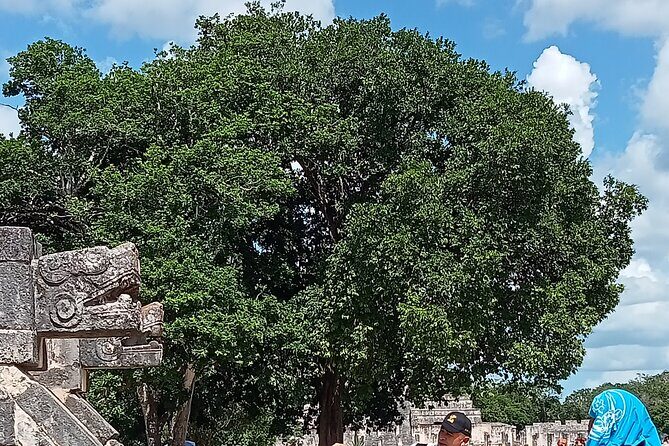
You might meet different guides, and a couple names show up often in feedback: Pepe (Jose Maria Osorio) and Enrique Tun. That matters because guides don’t just speak; they teach.
What stands out across the best experiences is a specific mix:
- Clear English that’s easy to follow
- Storytelling that feels organized, not random facts
- Visual tools (photos, drawings, and similar aids) that make complicated ideas easier to grasp
- Patience, including for children and mixed-age groups
That patience isn’t fluff. With kids, you need breaks, and with adults who want to ask questions, you need time. Several notes point to guides who don’t rush you and who adapt to the group’s energy.
One small but useful detail: some guides are also helpful with timing and logistics around your visit. For example, there’s mention of a time-change consideration between the Cancun area and Chichén Itzá, and how arriving early can help you start smoothly.
Also, if you appreciate accuracy, look for guides who explain not only what the buildings look like, but how interpretations have changed as archaeology and anthropology evolve. Feedback highlights guides who try to keep up with newer discussion and who explain the “why” behind features—not just the “what.”
Price and Logistics: What You Pay and What It Really Covers
The tour price is $113.50 per group (up to 10 people), for about 2 to 3 hours. It’s offered in English and includes a mobile ticket and bottled water.
Then comes the part that trips people up: admission is not included and neither is parking.
- Parking fee: MX$110.00 per booking
- Chichén Itzá admission: MX$643.00 per person
Is it good value?
For me, the value comes from two things:
- You’re paying for a real history guide, not just access to walk around.
- The private format matters at Chichén Itzá. A guide can reduce stress, explain what you’re looking at, and manage pacing so you don’t spend the “best attention time” stuck behind other groups.
If you’re traveling as a pair or small family, private pricing can feel high—until you factor in how much time you’ll save figuring out where to go and how much more you’ll understand when you’re standing in front of the structures.
If you’re a group of up to 10, this can be especially efficient. Even with the extra admission cost, spreading the group price can make it reasonable for the amount of guided time you get.
Timing Your Visit: Why This Route Works
Chichén Itzá tends to get crowded, especially around the busiest hours. The tour format you’re choosing is designed to avoid that problem as much as possible by building the walk around efficient sequencing.
Practically, that means:
- You start with orientation at the central complex
- You move through major buildings while you still have breathing room
- You build in breaks for shade and pictures
If you’re sensitive to heat and crowds, this is the point of paying for a private guide. You’re not just buying facts. You’re buying a better experience: less frustration, more looking, more understanding.
What You Should Bring (So the Tour Feels Easy)
This tour includes water, but you’ll still want to plan for the site conditions.
Bring:
- Comfortable walking shoes (the surfaces can be uneven)
- Sunscreen and a hat
- A small bottle or refill system if you prefer more water options
- Your phone for the mobile ticket
- Patience for ticket lines and on-site movement (your guide will handle much of this, but the site is still the site)
If you care about photos, wear something that lets you move easily between shaded and sunny spots. The guide will help you with picture timing, but your body still needs to cooperate.
Who This Tour Is Best For
This private tour is a strong fit if you:
- Want more than the pyramid photo and actually want to understand the site layout
- Prefer asking questions and moving at your group’s pace
- Travel with kids (several experiences mention patience and engagement)
- Want English explanations that don’t talk over you
- Care about context—why structures like the ball court, observatory, and Sacred Cenote are part of a bigger ceremonial world
It’s also a good choice if you’ve been to Chichén Itzá before and want a more accurate, better-organized interpretation. One recurring theme is that guides can make the site feel like it “comes alive” rather than remaining a collection of ruins.
Possible Drawback to Keep in Mind
The biggest consideration is simple: you still pay for admission and parking. The guided value is real, but you’ll want to arrive ready financially and mentally. If you’re hoping for one all-in price, this isn’t that.
Second, this tour is designed for a focused 2–3 hour run. If you want an extremely slow, stop-forever pace, you might feel slightly guided along at times. The best experiences show that guides can be flexible, but the structure still aims to cover the major monuments efficiently.
Should You Book This Private History Guide?
Yes—if you want Chichén Itzá to make sense. This is the kind of tour that turns a famous ruin into a readable place: pyramid, ball court, observatory, Sacred Cenote, and the walk to the Temple of the Warriors and beyond.
Book it if you value:
- A guide-led story (often with visual tools)
- More calm time rather than constant pushing through crowds
- A route that covers the key monuments without feeling rushed
Hold off or reconsider if:
- You’re very cost-sensitive about add-on fees, since admission and parking are extra
- You want a slow, ultra-detailed archaeologist-style walk with no pressure at all (this is guided and structured, just not rushed)
If your goal is a high-signal visit—less guessing, more understanding—this private approach is a smart way to spend your time in Yucatán.
FAQ
Is admission to Chichén Itzá included?
No. Chichén Itzá admission is not included. The admission fee listed is MX$643.00 per person.
Do I need to pay for parking?
Yes. Parking fees are listed as MX$110.00 per booking.
How long is the tour?
It runs about 2 to 3 hours (approx.).
Is the tour private?
Yes. It’s a private tour/activity, so only your group participates.
What language is the tour offered in?
The tour is offered in English.
What is included in the price?
Bottled water is included.
Where do we meet?
You start at Chichén Itzá, meeting at the central group in front of the observatory (listed as MCHH+JF Chichén-Itzá).