REVIEW · OAXACA DE JUAREZ
Oaxaca: San Martín Tilcajete, Jalieza & Ocotlán Crafts Route
Book on GetYourGuide →Operated by EL CONVENTO DMC, S.A. DE C.V. · Bookable on GetYourGuide
Alebrijes to black pottery, one full day. I love how this route keeps you close to the making process, with artists explaining techniques right in their own spaces. I also like the smart variety of Oaxaca materials—copal wood carving, backstrap loom weaving, and the famous black clay. The main drawback to consider is that each stop is timed, so you won’t get hours to linger if you’re the type who wants to browse slowly.
What makes this day work is the mix: hands-on workshops in several artisan towns, plus market time when it’s operating. You’ll spend the day in a comfortable van with a certified bilingual guide, and you’ll get dropped back near your hotel or Airbnb.
This is a great fit if you want culture you can see and understand, not just souvenirs on a shelf. It’s less ideal if you’re hoping for a long, relaxed meal-and-shopping afternoon with no schedule.
In This Review
- Key Highlights You’ll Feel on This Day
- Why This Oaxaca Crafts Route Works in 8 Hours
- San Martín Tilcajete Alebrijes: Copal Wood to Painted Characters
- Santo Tomás Jalieza Backstrap Weaving: Zapotec Patterns You Can See
- Markets That Feel Local: Villa de Zaachila on Thursdays, Ocotlán on Fridays
- Villa de Zaachila (Thursdays Only)
- Ocotlán de Morelos (Especially Lively on Fridays)
- San Bartolo Coyotepec Black Clay Pottery: The Dark Color and Natural Shine
- Price, Pace, and the Value of a Guided Route at $46
- Practical Tips for a Smooth Day on Rough Oaxaca Roads
- Wear and bring the basics
- If you get motion sickness
- Don’t get trapped by the shop part
- Who This Oaxaca Crafts Route Is Best For
- Should You Book This Tour?
Key Highlights You’ll Feel on This Day
- Alebrijes workshop time where copal wood goes from blank to painted figure
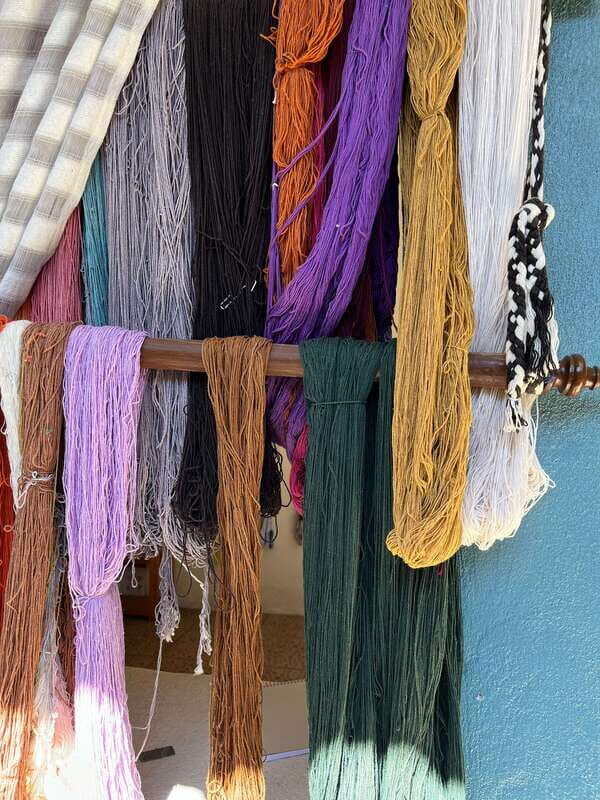
- Backstrap loom weaving with visible care for Zapotec geometric patterns
- Black clay pottery in San Bartolo Coyotepec, including the finish that creates the deep sheen
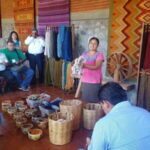
- Market day variety: Villa de Zaachila on Thursdays, Ocotlán de Morelos especially lively on Fridays
- A guided route that balances making + shopping without nonstop pressure
Why This Oaxaca Crafts Route Works in 8 Hours

Oaxaca has a craft reputation for a reason. But the difference between a good craft day and a forgettable one is simple: you need time where people actually work. This route does that, moving through multiple artisan towns that each specialize in one strong tradition, so the day feels focused even with several stops.
With an 8-hour schedule, you also get the best side of logistics. You’re not bouncing around alone, trying to solve public transportation, directions, and timing across different communities. You’ll ride in a van between towns, and the day is run with a guide who can explain what you’re seeing in Spanish and English.
The pacing is the trade-off. You’ll see a lot, but you’ll also feel the clock. Expect each workshop to be enough to understand the process and shop thoughtfully, not enough to master it. If you like to shop slowly, I’d treat the workshops as your “watch and learn first” moment, then do your serious buying at the one or two stops that match your interests most.
You can also read our reviews of more tours and experiences in Oaxaca De Juarez.


San Martín Tilcajete Alebrijes: Copal Wood to Painted Characters
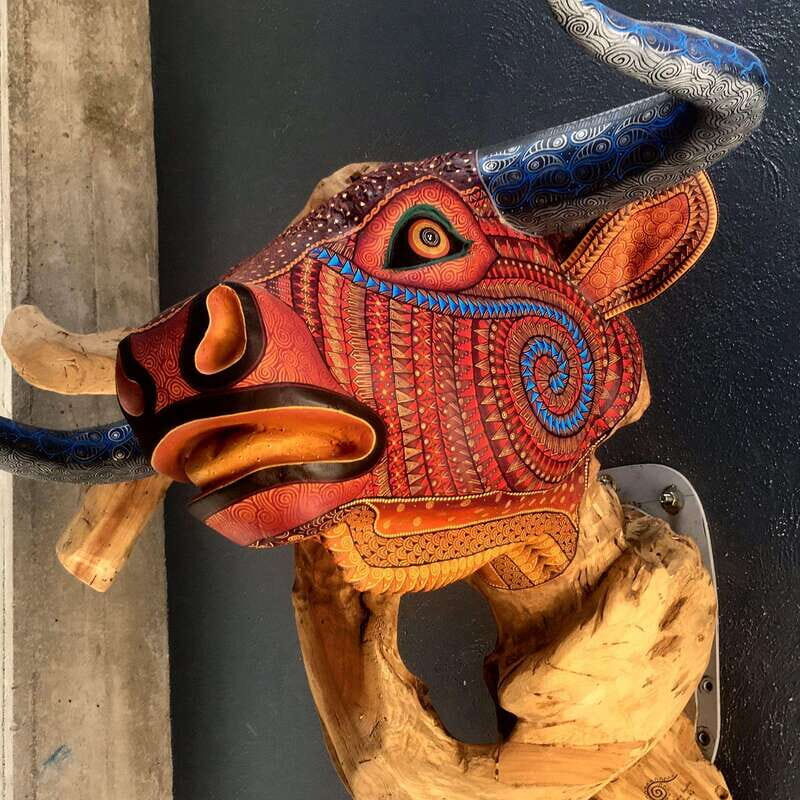
San Martín Tilcajete is where many people first fall for alebrijes—those colorful, expressive wooden creatures. Here, you’ll get a workshop visit that focuses on how these figures are made, not just how they look.
What I like about this stop for you is the material story. Alebrijes in this route are carved from copal wood, and you can usually tell why once you watch the carving steps. The wood becomes form first, then personality. The figures aren’t random decoration; they tend to be full of symbolism, with details that reflect how artisans think and what they want to communicate.
In the workshop, you’ll see the process up close, including the carving and the painting stage. The guides do well at connecting technique to meaning, so it doesn’t feel like you’re just watching hands move. And yes, you’ll have time afterward to look at finished pieces more carefully. Many people enjoy that setup: watch the work, then step into the shop/gallery mood where you can browse without feeling rushed.
A practical note: alebrijes are easy to buy, and that can be dangerous for your luggage. If you’re planning to bring something home, set a rough budget before you enter the sales area. Also, wear shoes you can stand in, since you’ll likely move between display, workshop area, and photo spots.
Santo Tomás Jalieza Backstrap Weaving: Zapotec Patterns You Can See
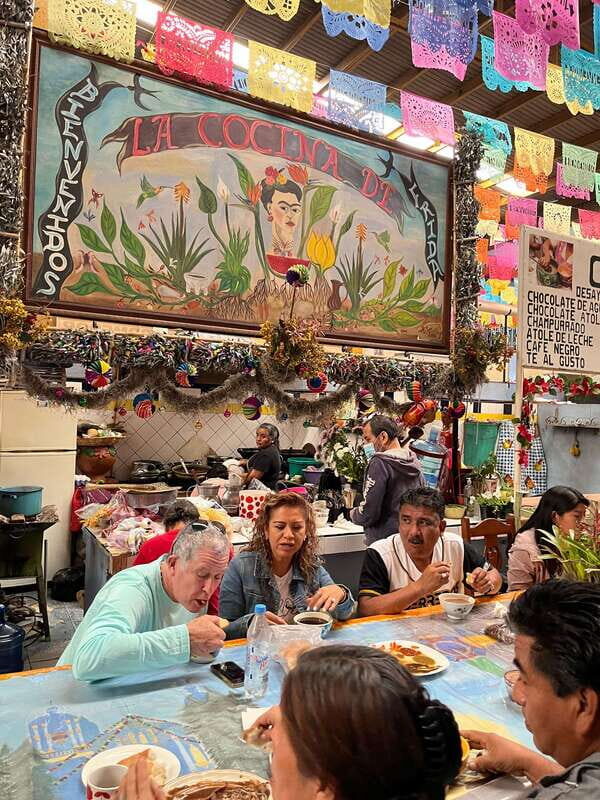
Next up is Santo Tomás Jalieza, known for a craft that’s both ancient and intensely practical: backstrap weaving. This is the kind of tradition that looks delicate until you see how it’s built, tensioned, and worked by hand.
Here’s why this stop matters. You’re watching a process passed down through generations, and the technique is physically demanding. That helps you understand why the results look so precise. The patterns are also not random. Expect geometric designs that reflect Zapotec heritage, with repetition and symmetry that come from the structure of the loom and the weaver’s skill.
This visit is a good antidote to craft days that only show finished products. With weaving, you can spot effort in every step. Even if you don’t know the language of the patterns, you’ll come away seeing how patience turns into accuracy.
Another practical benefit: textiles can be tricky to shop if you’re worried about size, care, or price. A guided stop helps you ask better questions. You’ll also have a clearer sense of what you’re buying, because you’ll have seen how the fabric takes shape rather than arriving at the shop at the “already finished” stage.
Markets That Feel Local: Villa de Zaachila on Thursdays, Ocotlán on Fridays

This route includes market time, and the best version depends on the day you go. That’s key, because markets are living places. They change character based on when you visit.
Villa de Zaachila (Thursdays Only)
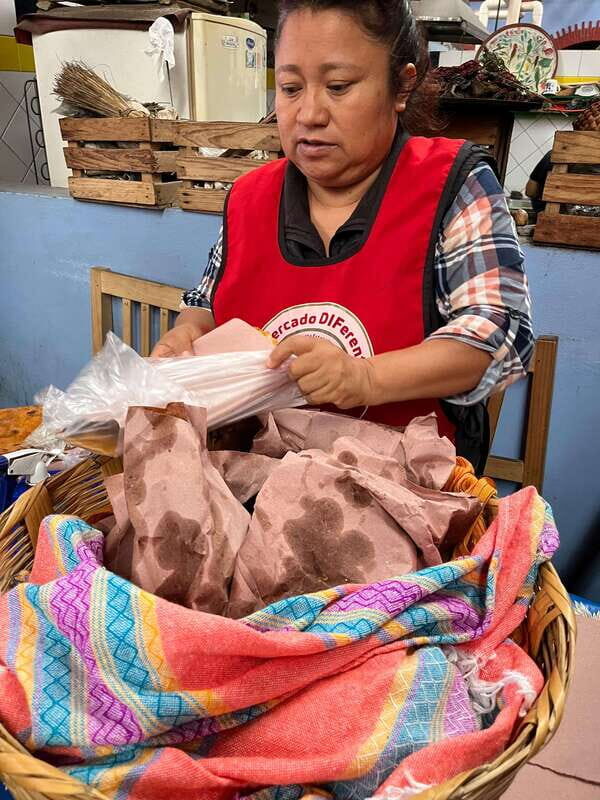
On Thursdays, you visit the traditional market of Villa de Zaachila. This is one of those situations where you’ll likely notice the difference between a local market and a tourist market: people come to buy daily items, not just souvenirs. Expect fresh produce, handmade tortillas, regional cheeses, flowers, spices, textiles, and local dishes.
If you’re a food-and-culture person, this market stop is where the day can feel extra real. You’re not only seeing crafts—you’re seeing how textiles and food move through everyday life.
One caution: markets can be lively, which means lots of people and fast movement. Bring comfortable shoes and plan for short walking distances between stalls. Also, don’t assume every stall will have what you want at every moment; you’re there to browse and notice what’s common.






Ocotlán de Morelos (Especially Lively on Fridays)
On Fridays, Ocotlán de Morelos is the big energy. The market there is described as the town’s cultural heartbeat, with crafts alongside fresh produce and regional specialties.
This market stop can be especially fun if you love murals and street art vibes, because Ocotlán also has artistic energy beyond crafts. Still, there’s one thing to plan for: time. Market visits on a tight schedule can feel like “see the highlights” rather than “slowly wander every aisle.” If you want a deep market experience, go in with priorities: pick one or two categories you care about most (like textiles, food, or small crafts) and ignore the rest.
There’s also a balance issue. Some people love when the guide helps you spot what matters; others felt the Ocotlán portion could be rushed or the explanations move too quickly. My practical advice: ask your guide to slow down if you miss a key point, and don’t worry if you only catch parts of the market story. The atmosphere itself is part of the value.
San Bartolo Coyotepec Black Clay Pottery: The Dark Color and Natural Shine
If you’re choosing one stop to remember, San Bartolo Coyotepec is the one people tend to praise the most. This is the town associated with black clay pottery, and the name isn’t just branding.
Here, artisans shape and polish clay using ancestral Zapotec techniques that create the pottery’s distinctive deep black color and natural shine. That shiny finish is what surprises most first-timers. It’s not glossy paint; it looks like the surface has been worked to a smooth, luminous effect.
In the workshop setting, you’ll get a clear sense of craftsmanship. The shaping step shows how functional objects become art through form. The polishing step explains the look—why the surface holds that dark sheen.
This is also a smart stop if you care about authenticity. Pottery is hard to fake well when you can see the making process. You’ll understand why black clay pieces often cost what they cost, because you’ve seen time and skill go into the final effect.
If you plan to buy something here, think about how you’ll transport it. Pottery is heavy and breakable. If you’re carrying a suitcase, consider what can realistically survive bumps. For gifts, pottery can be easier to justify because it’s tied to a specific place and technique.
Price, Pace, and the Value of a Guided Route at $46
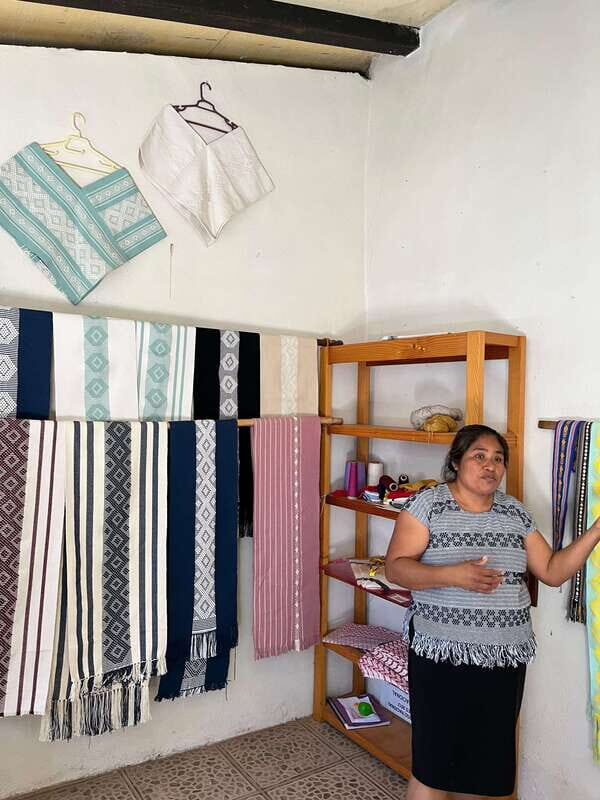
At around $46 per person for an 8-hour day, this is one of those “good value if you want organized craft access” deals. You’re paying for more than transportation. You’re paying for entry into workshop spaces, a certified bilingual guide, and a route that strings together multiple artisan towns without you having to coordinate everything yourself.
Here’s the value logic:
- The workshops focus on process (carving, weaving, pottery finishing), not just showroom browsing.
- You’re taken to specific craft communities that specialize in one thing each.
- You get market time on the days it actually operates well (Thursday for Zaachila, Friday for Ocotlán’s lively market vibe).
The main reason it’s not automatically perfect is the pace. Short stops mean you might leave wanting more time in the place you loved most. That’s not a flaw in the craft towns. It’s the reality of fitting several communities into one day.
So I’d match your expectations to your interests:
- If you’re fascinated by one craft (say, black clay), you might shop more at that stop and skim the rest.
- If you’re a “variety person,” you’ll probably love the mix of alebrijes, weaving, pottery, and markets.
Also, plan for shopping spending. The tour itself doesn’t include food and drinks, and you’ll likely want snacks or water during market time. Set aside a budget beyond the tour price so you don’t get surprised when you see something you really want.
Practical Tips for a Smooth Day on Rough Oaxaca Roads
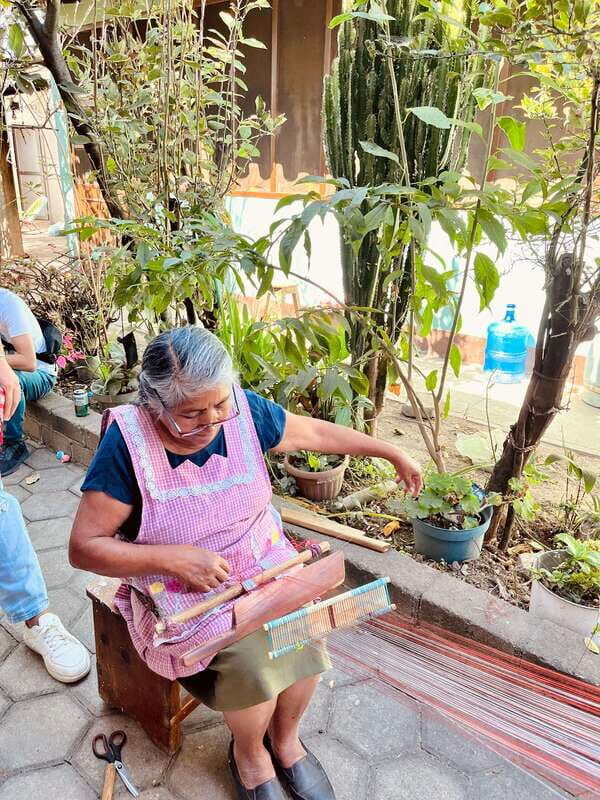
A craft route like this is more comfortable than self-guided travel, but you still need to prep for Oaxaca driving and walking.
Wear and bring the basics
- Comfortable shoes matter because you’ll spend time standing and moving around workshops and markets.
- Bring drinks since the day runs for hours and you’re not told that food and drinks are included.
- Have breakfast before you go. The tour notes it’s recommended, and you’ll feel better once you hit market time.
If you get motion sickness
Some people have had trouble on the day’s van ride because the roads can be rough and winding. If you’re sensitive, take motion-sickness precautions before you leave (your usual remedy, sitting positions if you can choose, and keeping your eyes on the horizon helps).
Don’t get trapped by the shop part
Even when the tour includes workshops, there’s usually time in a store or gallery after the demo. The better approach is to browse with a clear plan:
- Decide what you want (a specific craft, size, or price range) before you enter.
- Ask the guide what’s most typical or meaningful for the region.
- If the buying energy starts to feel too strong, you can step back and come back later after you’ve seen everything.
The goal is to leave with one or two things you truly understand, not with random purchases that were made in a hurry.
Who This Oaxaca Crafts Route Is Best For
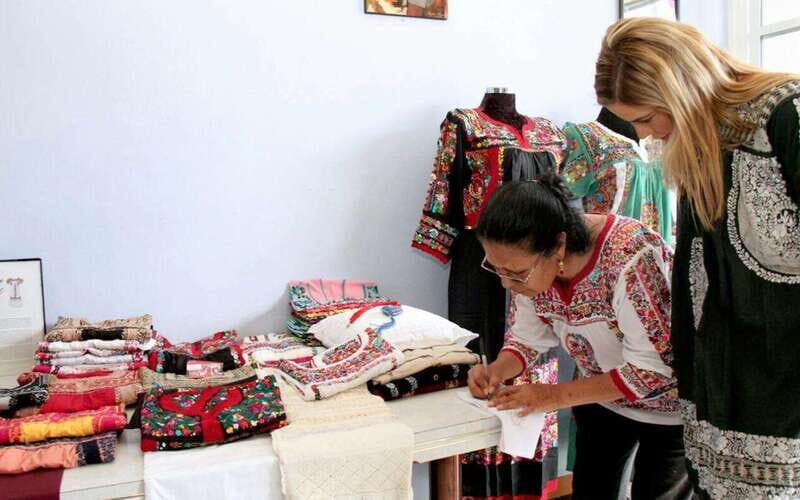
This is best for you if:
- You want craft towns in one day, without the stress of planning transit.
- You like hands-on seeing: watching carving, weaving, and pottery finishing.
- You care about Oaxaca culture through materials—wood, textiles, clay—and how technique creates meaning.
It’s less ideal if:
- You want a relaxed day with long stops and minimal walking.
- You’re expecting full meals included as part of the price.
- You get motion sickness easily and don’t want to take precautions.
Also, the route is described as not suitable for people over 287 lbs (130 kg) and people over 95 years, so check that fit before booking.
Should You Book This Tour?
If your idea of a great Oaxaca day is watching artisans work—then stepping into markets and buying with context—this route is an easy yes. The value comes from the mix of process-focused workshops and market time tied to actual market days.
I’d book it if you can handle a schedule and you’re comfortable with short visits at each location. If you’re the type who needs long, slow time in one community, consider budgeting extra time separately in the town you like most after the tour ends.
If you go, go ready to walk, ask questions, and choose purchases based on what you saw being made. That’s when this day turns into more than a quick craft circuit.