REVIEW · OAXACA DE JUAREZ
Oaxaca: Oaxacan Mole Workshop with a Traditional Cook
Book on GetYourGuide →Operated by Etnofood · Bookable on GetYourGuide
Mole starts with a market, not a packet. This Oaxaca workshop pairs a local market hunt with hands-on cooking, so you understand mole by the time you taste it.
Two things I really like: the ingredient shopping feels practical and local, and the class turns that shopping into real skill in the kitchen.
One consideration: the walk to the market and the pace of chopping and tasting can be a bit much if you have low fitness or back issues, and the heat-heavy flavors won’t be for everyone’s stomach.
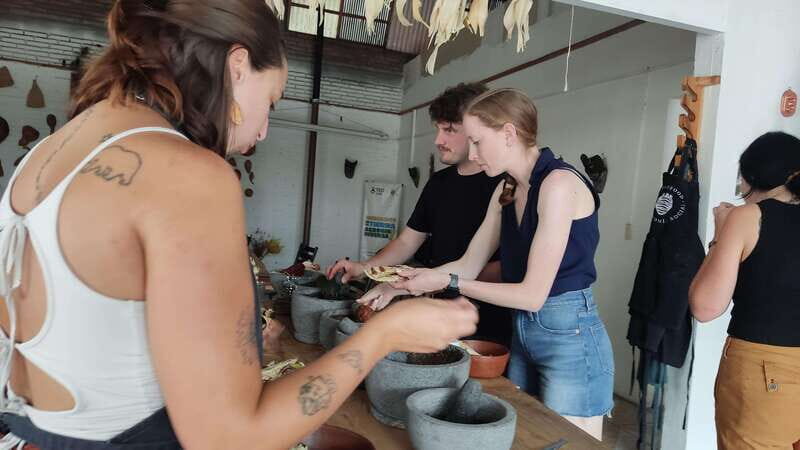
In the kitchen, you’re not watching from the sidelines. With chefs like Victor Ramirez (and other team members such as Wendy or Quetzalli), you get clear direction and active tasks, from cutting and mixing to making tortillas and salsa. The small-group setup (max 4) keeps it from feeling like a factory line.
Here’s the good news: you’ll leave with a mole you can explain, not just a meal you consumed. The only real drawback is that this is still a 3.5-hour class, so you may see some practical shortcuts (like using a blender or a tortilla press) rather than the slowest, oldest-school methods for every step.
In This Review
- Key takeaways
- Market Shopping on Xicotencatl Street: Where Mole Ingredients Start
- The Kitchen Session: Making Oaxacan Mole the Hands-On Way
- What you’ll actually cook
- What “technique” means here
- Zapotec Food Stories: The Culture Portion That Doesn’t Feel Like a Lecture
- What You Eat at the End: Pairings, Dessert, and the Mole Tasting Moment
- Mezcal and what’s included
- The special surprise ingredient
- Price and Value for a 3.5-Hour Oaxaca Cooking Workshop
- Who Should Book This Mole Workshop (and Who Might Skip It)
- Should You Book This Oaxaca Mole Workshop?
- FAQ
- How long is the Oaxaca Oaxacan mole workshop?
- What’s included in the cooking class price?
- Where do I meet for the workshop?
- Is transportation provided from my hotel?
- Do you offer the class in English or Spanish?
- Is the market walk difficult?
Key takeaways
- Market-first mole education so you learn what ingredients do, not just what they are
- Small group of 4 keeps you chopping, mixing, and asking questions
- Mole plus a full Oaxacan spread with tortillas, salsa, and other sides that round out the meal
- Chef-led technique and culture talk including Zapotec connections to food
- Mezcal included for ages 18+ and seasonal fruit-flavored water
- A final tasting table where your work turns into lunch (or early dinner)
Market Shopping on Xicotencatl Street: Where Mole Ingredients Start
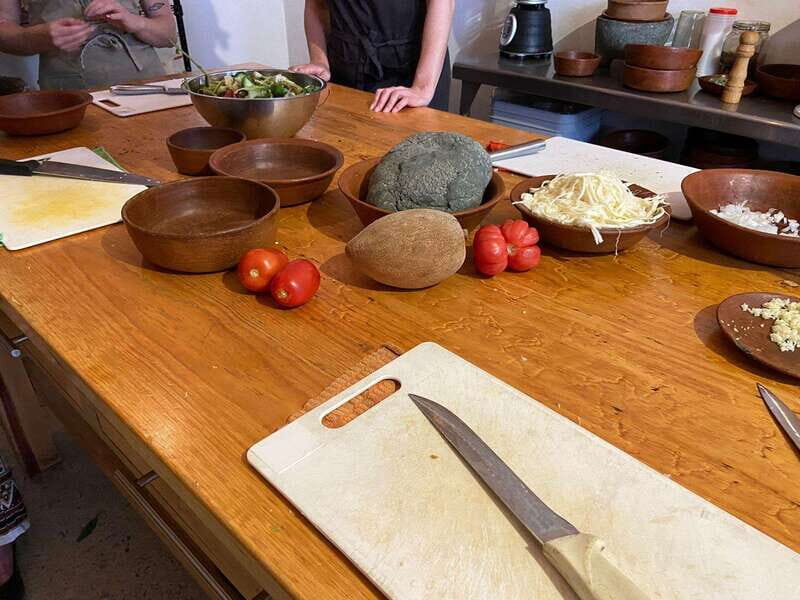
The meeting point is five blocks from the City Zócalo area on Xicotencatl Street 609, Downtown District. Look for a Foodlab with the sign FILOTEO outside, plus a large dog on the facade.
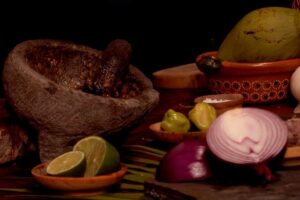
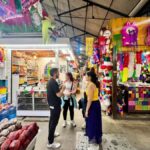
From there, you walk to a local market. It’s not a quick photo stop. You’re there to shop with a purpose: chilies, fruit, vegetables, herbs, cacao/chocolate, and other mole companions. This matters because Oaxaca mole isn’t one flavor. It’s a chemistry project built from many ingredients, and the market is where you start to see how those parts work together.
What I’d love about this market format is the way it gives you context you can use later. You learn what to look for, what smells right, and how vendors think about the ingredients they sell. A few people in past classes also called out that the market felt off the main tourist trail, which is exactly what you want if you came to Oaxaca for the real food system.
Practical tip: wear comfortable shoes. The class includes that walk, and you’ll also be moving around enough to get a light workout without it becoming an athletic event.
A few more Oaxaca De Juarez tours and experiences worth a look

The Kitchen Session: Making Oaxacan Mole the Hands-On Way
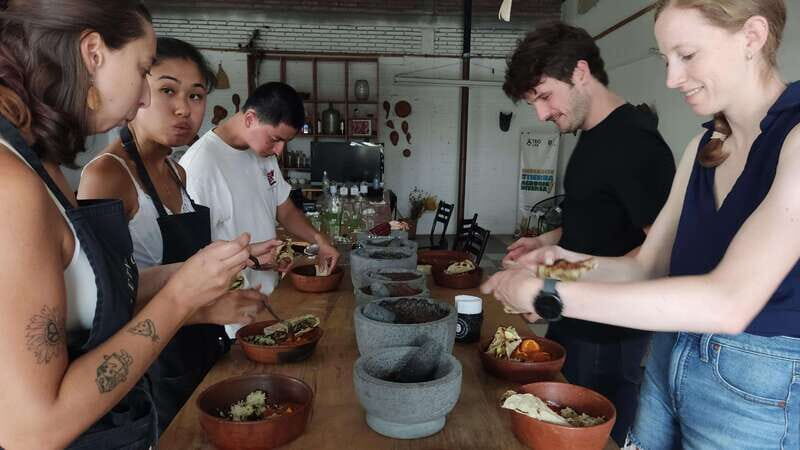
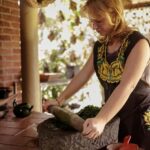
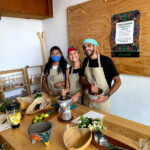
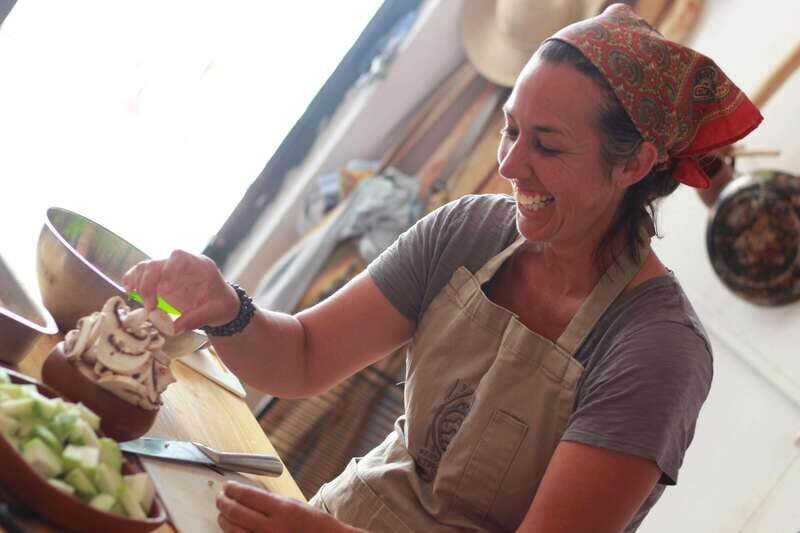
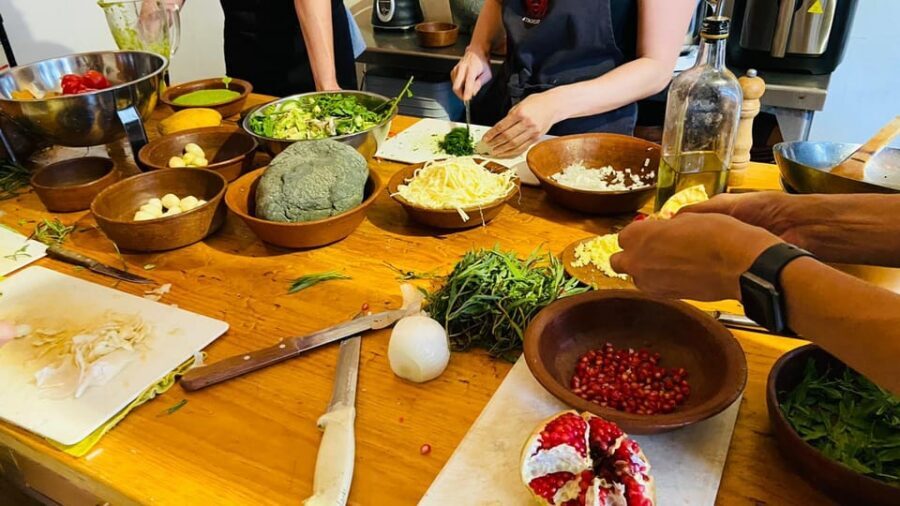
Once you’re in, the kitchen setup is designed for working cooks, not just demonstrations. Past classes described clean, modern kitchens where you’re assigned tasks right away: chopping, frying, mixing, and assembling. With a group that’s capped at 4 participants, you won’t spend most of the session waiting for your turn.
Chef Victor Ramirez came up repeatedly in feedback for being funny, warm, and patient with questions. Other instructors and team members also show up (Wendy and Quetzalli are named in some accounts). Translation: you get both technique and storytelling, so the cooking doesn’t feel like a checklist.
What you’ll actually cook
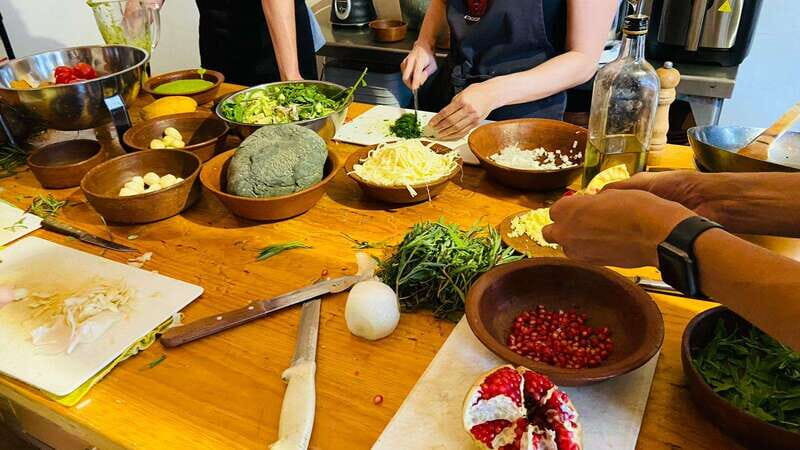
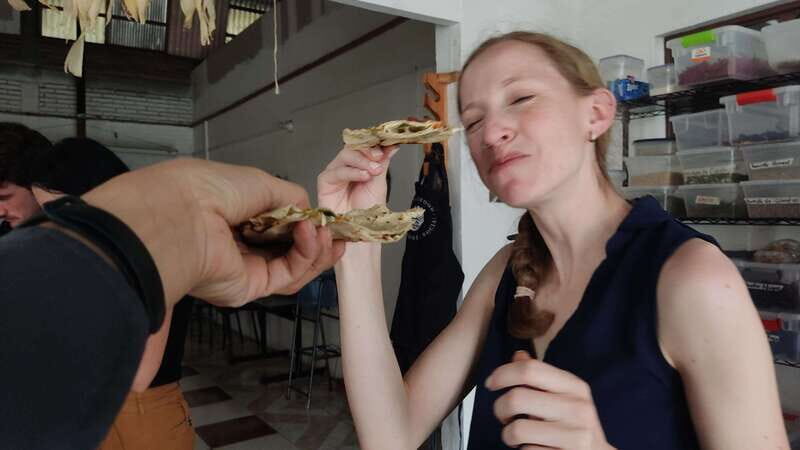
The core of the class is Oaxacan mole, taught using authentic methods and local practices. In many cases, the meal doesn’t stop at mole. You may also make:
- tortillas (often with a tortilla press)
- quesadillas
- salsa or pico-style fresh toppings
- guacamole or guacachile (chilies + avocado style)
- additional sides that round out the main plate
One detail to keep in mind: your exact mole variation may differ by what the class is planning that day. Some participants specifically mention black mole, while another mentioned green mole being selected. In either case, the point is the same: you learn how mole tastes its way from ingredients to sauce.
What “technique” means here
This is not just taste-testing and reading recipes. You learn the mechanics:
- how to handle chilies and balance heat
- how to combine ingredients into a sauce
- when to stir and how to judge the texture
- how to pair mole with the right kind of main course and toppings
One person noted that some steps used modern tools like a blender and that tortillas were made from prepared masa rather than grinding whole maize on-site. That might sound like a small technical note, but it changes the experience. You spend less time on labor and more time on flavor and assembly. If your dream is a full, traditional multi-day production process, this is not that. If your dream is to learn what matters and walk away able to cook something similar at home, this format is more practical.
Zapotec Food Stories: The Culture Portion That Doesn’t Feel Like a Lecture
A mole workshop can easily turn into a history lecture you don’t remember. This one tries to do the opposite: tie history and culture directly to ingredients.
You’ll get explanations of the history and culture of Oaxacan mole, plus cultural notes connected to Zapotec traditions and how communities share food. Several people in feedback highlighted that the chef spoke with real pride, including stories about family and how food carries values like sharing.
Even better, the culture talk comes while you’re working. Instead of memorizing facts, you connect meaning to what you’re tasting: cacao’s role, chili flavor patterns, the way local produce shows up in everyday cooking, and why mole is treated as a centerpiece dish rather than a side condiment.
If you’re the type who loves markets and wants the “why” behind the “what,” this cultural framing is a big reason the rating stays high.


What You Eat at the End: Pairings, Dessert, and the Mole Tasting Moment
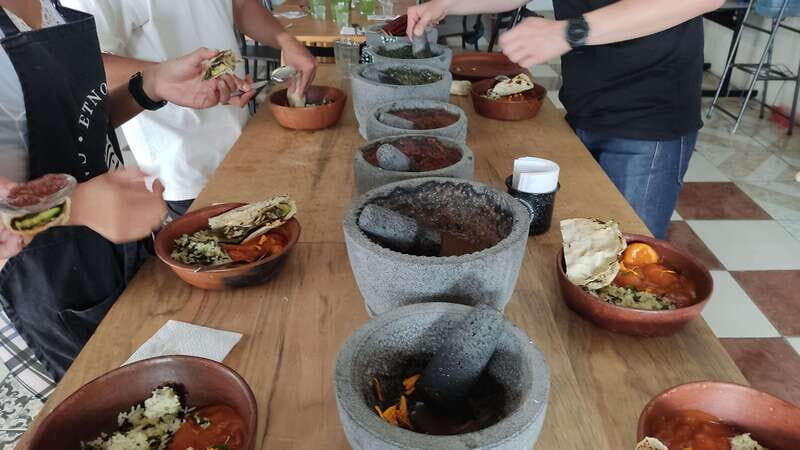
The class ends with a shared tasting. That’s not a gimmick. The final meal is the payoff: the mole you helped make, plus the accompaniments built during the cooking session.
The workshop also includes a typical Oaxacan dessert cooked in the class. Past feedback mentioned a wide variety of dishes across classes, but the consistent theme is that you’re building a full menu, not nibbling a sample of sauce on a lone plate.
Mezcal and what’s included
For ages 18 and above, mezcal comes included to accompany the mole. For everyone else, there’s seasonal fruit-flavored water.
One small note: outside alcohol isn’t allowed. If you’re planning to bring your own bottle, don’t. But do show up curious about the mezcal pairing if you drink, because it’s included and timed for the end when your palate is ready for it.
The special surprise ingredient
There’s also a “locally grown ingredient” twist built into the menu. That could be an herb or an exotic fruit, depending on what’s seasonal. This is a fun detail because Oaxaca changes with the weather and the harvest, and you’ll taste that freshness in the final spread.
Price and Value for a 3.5-Hour Oaxaca Cooking Workshop
At $64 per person for 3.5 hours, the value comes from three things that matter:
- You shop for key ingredients during a market walk, so the class includes a meaningful cultural and sourcing piece.
- You cook with real tools and real guidance in a small group. The hands-on part isn’t watered down.
- You eat what you make, including mole plus additional dishes and a dessert.
What you should know: transportation isn’t included. So if you’re staying far from the Zócalo area, plan a route (or a cab) that gets you to Xicotencatl Street 609.
Also, ingredients may be hard to recreate exactly at home. That’s normal. But you’ll learn flavor logic—how to interpret chilies and balance sauce—so you can substitute with what you find later.
Who Should Book This Mole Workshop (and Who Might Skip It)
This is a great pick if:
- you like markets and want to understand what goes into mole
- you want hands-on cooking in a small group instead of a big class
- you’re curious about Zapotec food culture through the lens of ingredients
- you want to leave with a meal you helped create, not just a photo
It’s not the best fit if:
- you have back problems or low fitness, because the market walk is part of the experience
- you’re traveling with kids under 10
- you want the slow, traditional every-step approach with old-school equipment for all components
- you’re sensitive to very spicy, chile-forward dishes (mole is built on chiles, even when it’s balanced)
Should You Book This Oaxaca Mole Workshop?
If you’re in Oaxaca for real food and you’d like a mole lesson that actually turns into lunch, I think it’s worth booking. The small-group pace, the market-first approach, and the repeated emphasis on hands-on instruction by chefs like Victor Ramirez make it feel like skill-building, not entertainment.
If you want a purely hands-on, ultra-traditional, no-shortcuts reenactment of every historic step, temper expectations. But if your goal is to learn how Oaxacan mole works and to come home able to cook a version of it, this class hits the sweet spot.
FAQ
How long is the Oaxaca Oaxacan mole workshop?
The class lasts 3.5 hours.
What’s included in the cooking class price?
You get fresh ingredients for mole, utensils and tools, instruction to prepare mole, and a tasting at the end. It also includes information about the history and culture of Oaxacan mole, cooking tips, and assistance from an experienced chef. Mezcal is included for ages 18 and up, plus seasonal fruit-flavored water.
Where do I meet for the workshop?
Meet at Xicotencatl Street 609, Downtown District, about five blocks from the City Zócalo. It’s a Foodlab with a FILOTEO sign outside and a large dog on the facade.
Is transportation provided from my hotel?
No. Transportation to and from the class venue is not included.
Do you offer the class in English or Spanish?
Yes. The live tour guide provides instruction in English and Spanish.
Is the market walk difficult?
The experience includes a walk to the market and requires a moderate level of physical fitness. It’s not suitable for people with back problems or low fitness. Children under 10 are also not recommended.