REVIEW · OAXACA DE JUAREZ
Oaxaca de Juarez: Traditional Oaxacan Cooking Class
Book on GetYourGuide →Operated by Cocina Oaxaqueña Sonia · Bookable on GetYourGuide
Smoke, stone, and tortillas in one Oaxaca class. I love that you cook with traditional tools instead of just watching, and the day starts with a real look at how Oaxacan meals come together. You also get a ride out to a mountain village setting that makes everything feel grounded and local.
The second thing I really like is the organic garden component, where herbs and chiles are part of the lesson, not an afterthought. Sonia runs it with her team (including Baldo, Teresa, and Esperanza), and the mood stays warm and practical. One possible drawback: the menu leans adventurous, including insect snacks, so if you avoid that kind of food, you’ll want to flag it.
In This Review
- Key things to know before you go
- From Santo Domingo meeting spot to a village kitchen
- The smoke kitchen style: comal, metate, molcajete in real life
- Organic herbs and chiles: where the flavor starts
- Mezcal time with Baldo: tasting without the pressure
- Tortillas by hand, then tetelas, memelas, and tlayudas
- Mole on the metate: learning one of seven and tasting the famous black
- Unlimited food and drinks: why that’s a value win at $87
- Team energy: why the class feels like you belong there
- Dietary options: vegan and vegetarian planning that actually helps
- Who this Oaxaca cooking class is best for
- Should you book Cocina Oaxaqueña Sonia’s class?
- FAQ
- How long is the Oaxaca de Juarez traditional cooking class?
- Where do I meet for pickup?
- How many people are in the group?
- What languages are the classes taught in?
- What will I learn to cook or make?
- Is there mezcal tasting in the class?
- Is food and drink included, and is it unlimited?
- Are vegan or vegetarian options available?
Key things to know before you go
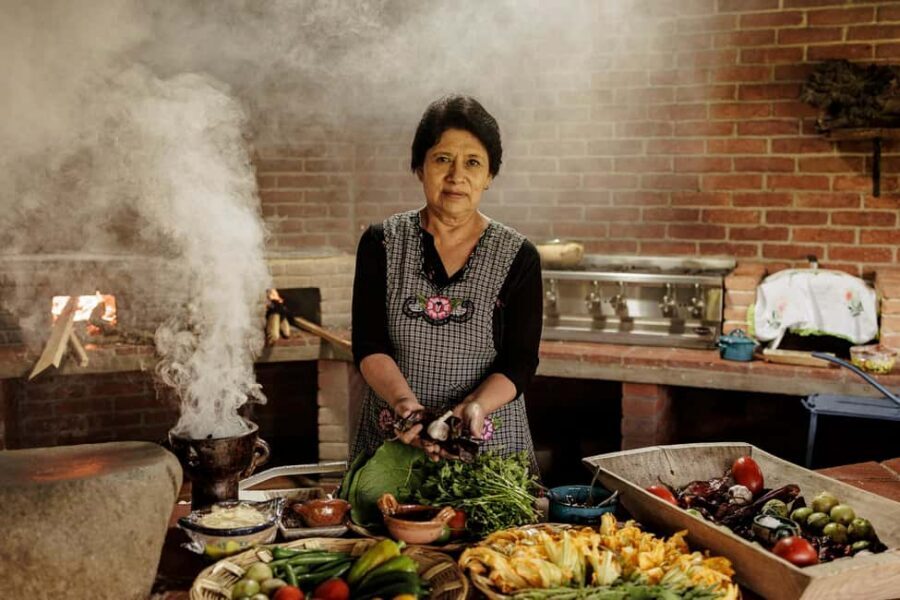
- You’ll cook, grind, and make sauces on real comales and classic stone tools, not just assemble plates.
- You’ll leave the city for a village outside Oaxaca de Juarez, surrounded by mountains.
- Baldo shares mezcal knowledge and you’ll do a tasting with plenty of drinks on the side.
- Mole is the big focus, including learning to cook one of the seven moles on the metate and trying black mole.
- Small group size (limited to 10) means you get more hands-on time with the instructors.
- Veggie and vegan options exist, as long as you let the team know in advance.
From Santo Domingo meeting spot to a village kitchen
The day kicks off at the main door of Santo Domingo church, where Baldo meets you so you can recognize the group fast. This matters more than you’d think—Oaxaca’s center can be busy, and you don’t want a long scramble before cooking starts.
Once you’re in, you’ll head out in an air-conditioned van with comfortable seats. The trip is part of the experience: you’re being moved from city streets into a village setting outside Oaxaca de Juarez, with mountains in view. That shift sets the tone for the cooking class. It’s not just “a class.” It’s a food day.
Tip: Wear comfortable shoes. You’ll be on your feet enough to justify supportive footwear.
You can also read our reviews of more cooking classes in Oaxaca De Juarez
The smoke kitchen style: comal, metate, molcajete in real life
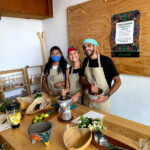
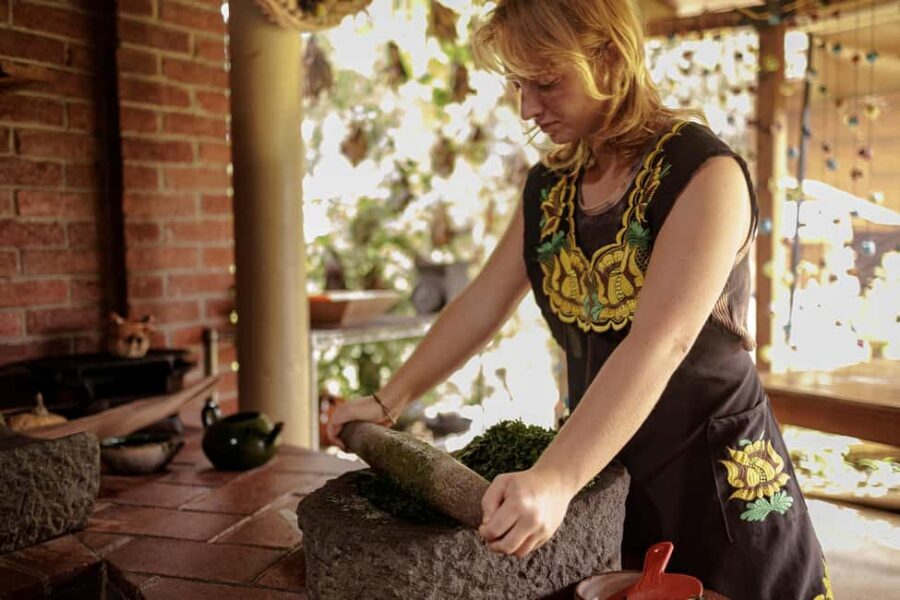
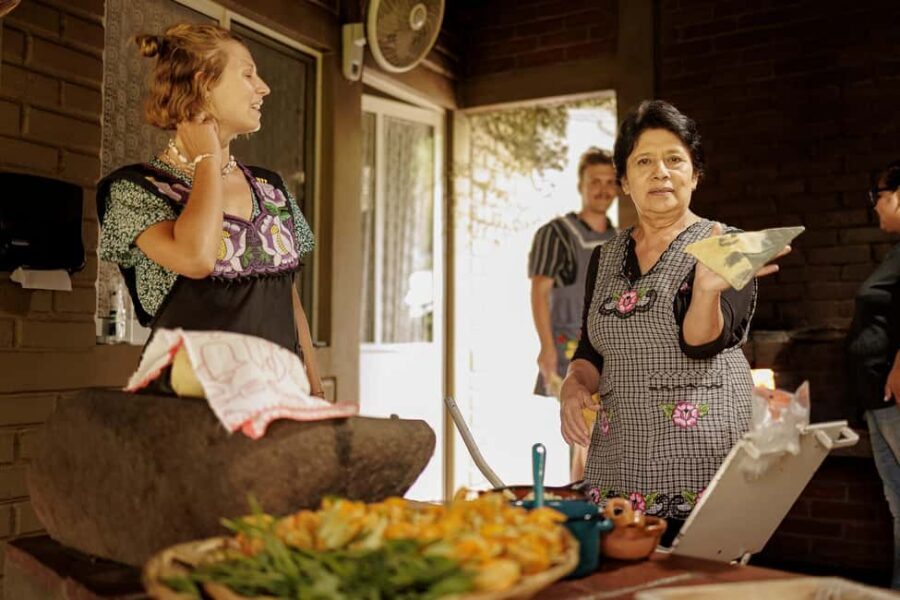
This is where the class turns from food watching into food doing. You’ll cook in a smoke kitchen using traditional tools like comales, metates, and molcajetes. If you’ve never seen tortillas made by hand, this is your chance to understand the rhythm—stone, heat, and time.
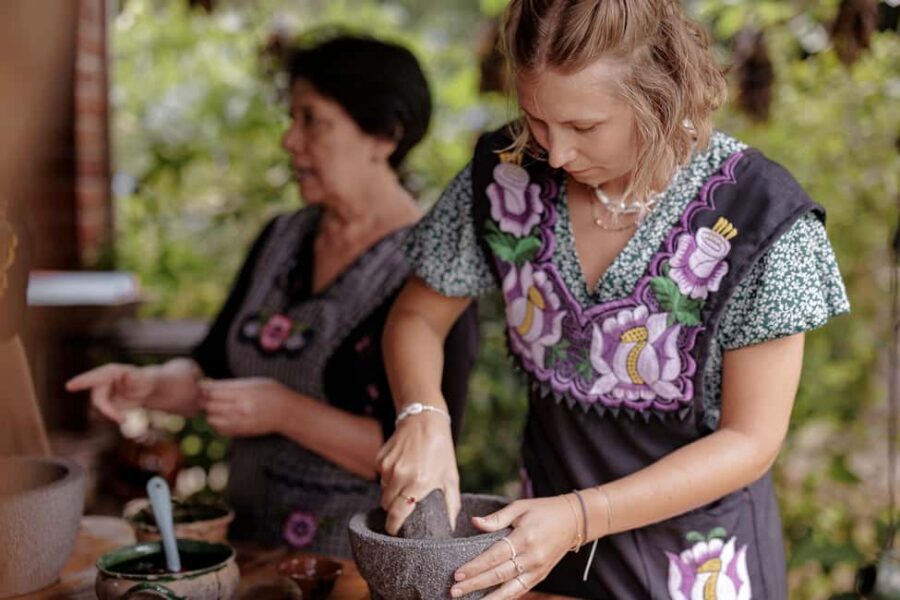
Instead of simplified techniques, the lesson sticks to what people actually do. That’s why the tools matter: the metate isn’t a museum piece. It’s how you grind ingredients for sauces and mole, and it affects texture in a way a blender can’t replicate.
The nice part is that the instructors keep things friendly and hands-on. Sonia’s team helps guide you through what to do with each tool, and everyone participates—cutting, grinding, making sauces, and then eating the results.
Organic herbs and chiles: where the flavor starts
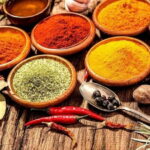
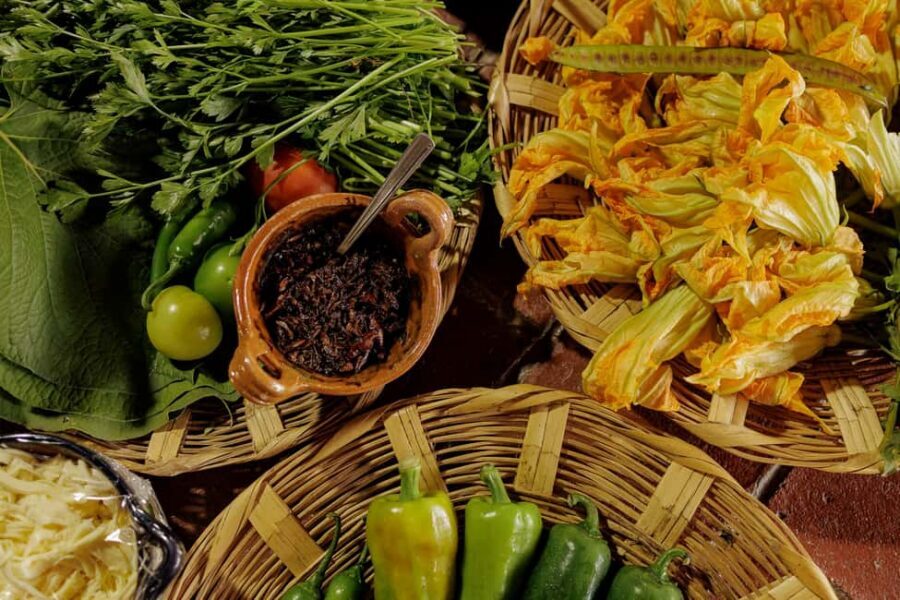
Before you cook your first dish, you start with ingredients—what you can find in Oaxacan homes and how those ingredients show up in daily cooking. A standout here is the garden with organic herbs and chiles. You’re not just told “use fresh chiles.” You see where they come from and how they’re used.
You also learn that Oaxacan cheese-making isn’t a one-time trick. The class includes making quesillo and fresh cheese as part of the routine. Even if you’ve eaten quesillo before, learning the process helps you taste it differently afterward.
This section is a useful reset if you’ve been eating your way through Oaxaca without slowing down. It gives you a base sense of what ingredients drive the cuisine.
Mezcal time with Baldo: tasting without the pressure
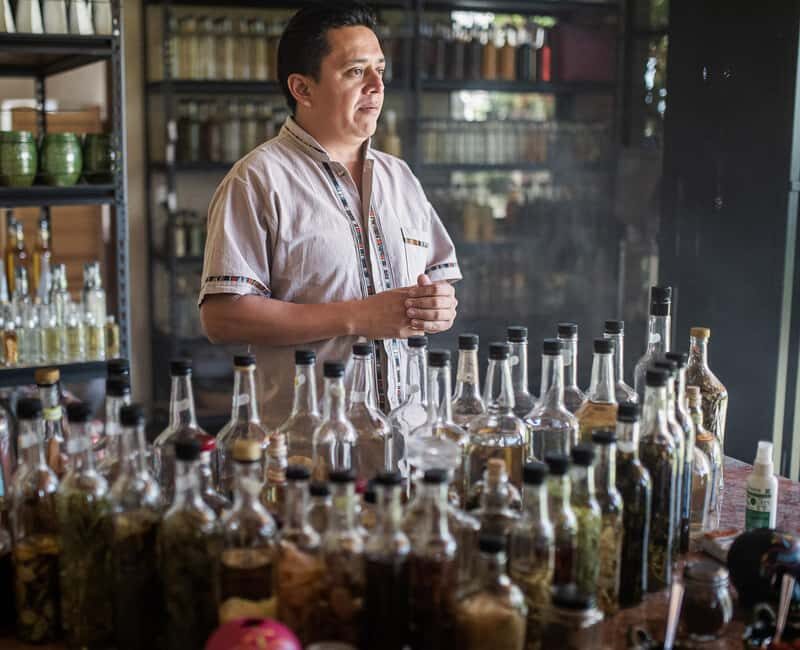
Balco’s mezcal knowledge is a core part of the class. You’ll get a tasting where you can sample as much as you like, alongside fresh water, soft drinks, and juices. This is one of those “don’t overthink it” moments. It’s not about strict rules—it’s about introducing you to flavors and how mezcal shows up in the broader meal culture.
I like that the tasting is placed in the middle of the learning day. You’re not just drinking. You’re preparing your palate for what comes next: earthy sauces, warm corn flavors, and the deep sweetness and bitterness balance you’ll see in mole.
And yes, there’s more than mezcal. Snacks are part of the experience too—Oaxacan insect snacks like gusanos, chicatanas, and chapulines may be included. If you’re curious, this is your chance to try them in a setting where you’re already eating and learning. If you’re not into insects, you can still enjoy the rest of the meal, but it helps to tell the team your comfort level early.
Tortillas by hand, then tetelas, memelas, and tlayudas
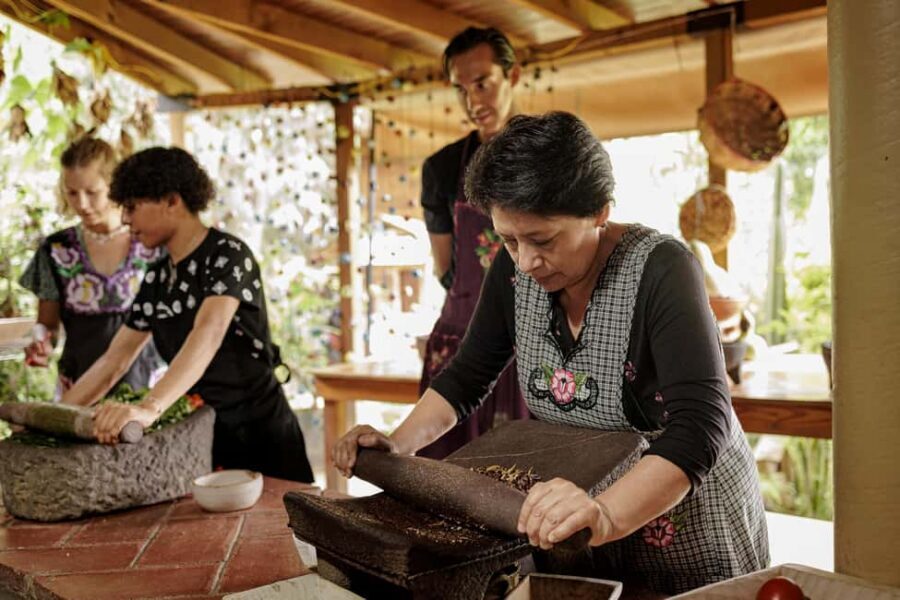
Once the ingredient groundwork is set, the class moves into hands-on classics: tortillas made by hand, then several popular Oaxacan specialties.
You’ll learn tortillas and then also make tetelas, memelas, and tlayudas. Each one teaches something slightly different about structure and toppings—how corn dough behaves, how fillings sit, and how sauces tie the whole plate together.
Toppings and sauces are cooked on a comal over firewood and charcoal embers. That detail matters. Heat from embers and an active comal changes how chiles and seasonings behave. You end up tasting a “back-of-the-kitchen” kind of flavor that feels more complex than what you get from a flat stovetop.
What I’d watch for: how the sauce thickens and how the edges of what you’re cooking develop. That’s where you’ll learn to spot doneness without needing fancy equipment.
A few more Oaxaca De Juarez tours and experiences worth a look


Mole on the metate: learning one of seven and tasting the famous black
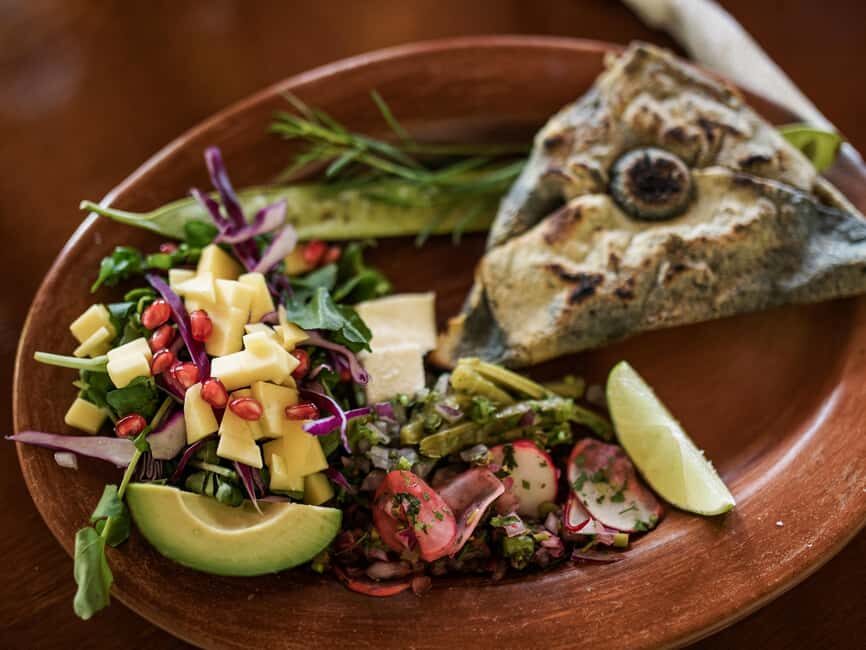
Mole is the centerpiece of Oaxacan cuisine, and this class treats it that way. You’ll cook one of the seven moles using the metate, which is important because mole isn’t just a sauce—it’s a process built on grinding and blending flavors.
You’ll also try specific moles and related sweets, including black mole. The class doesn’t stop at the savory side. You’ll also taste things like water chocolate and pot coffee, plus ice cream and a cake at the end.
Even if you’re not a “mole person” today, the way this lesson is structured helps. You’re not handed a finished sauce and asked to admire it. You’re part of the creation, so when you taste the result, you know what each stage contributes.
Unlimited food and drinks: why that’s a value win at $87
At $87 per person for a 5-hour experience, the big question is value. Here’s where it holds up.
You’re not paying just for instructions. You’re paying for:
- Transportation from Santo Domingo Temple with air-conditioned comfort
- A small group (limited to 10), which means more hands-on time
- Unlimited food and drinks
- Tools and materials like aprons
- A digital recipe book
- Bilingual instruction in English and Spanish
- Passenger insurance, plus a child seat if needed
If you’re comparing this to a typical dinner-only experience, the lesson format is the advantage. You leave with recipes, muscle memory about the process, and an understanding of why mole and corn-based dishes taste the way they do.
Also, unlimited food and drink isn’t a throwaway perk. In a class like this, eating as you cook is part of how you learn. You taste as you go, and the day doesn’t turn into a rushed meal at the end.
Team energy: why the class feels like you belong there
Sonia is the face of Cocina Oaxaqueña Sonia, and Baldo is closely involved in the teaching, including the mezcal portion. Teresa and Esperanza are part of the team too, and the overall vibe is practical and warm.
I like this setup because it’s not performative. You’re taught step-by-step, and the group stays small enough that you’re not lost. When everyone participates, you spend less time waiting and more time doing.
If you want a day that feels friendly without turning into a tourist show, this is a strong match.
Dietary options: vegan and vegetarian planning that actually helps
If you’re vegan or vegetarian, you can still take the class. The key is you have to let them know in advance. With a hands-on meal, dietary adjustments can’t be an afterthought, and this class is set up to handle that planning.
Also, because the menu includes a range of items—from cheese-making to specific sauces—be clear about what you avoid. The more precise you are ahead of time, the smoother the day tends to be.
Who this Oaxaca cooking class is best for
This is a great fit if you:
- Want real Oaxacan technique (metate, comal, tortillas by hand), not just plated dishes
- Like learning through doing, with plenty of time for questions
- Enjoy mole, corn-based foods, and the wider Oaxacan flavor world beyond tacos
It’s also a good pick for a first-time cook in Oaxaca because the group size is small and the instruction is bilingual. If you prefer quiet, solo sightseeing, this may feel a bit lively—but if you’re here for hands-on food culture, you’ll probably love the structure.
Should you book Cocina Oaxaqueña Sonia’s class?
I think you should book this Oaxaca de Juarez cooking class if you want more than a meal. You get a full day arc—ingredients, hands-on cooking with traditional tools, mezcal tasting with Baldo, then mole and sweets. The value works because it’s not just tasting. It’s guided participation.
Skip it only if you’re strongly uncomfortable with the included insect snacks or you know you want a fully seated, non-participatory experience. The format is designed for everyone to take part, and the cooking happens with fire, stone, and real heat.
If you’re on the fence, here’s an easy decision rule: if you can handle spicy chiles and are curious about how tortillas and mole actually get made, this is one of the most worthwhile ways to spend a half day in Oaxaca.
FAQ
How long is the Oaxaca de Juarez traditional cooking class?
The class lasts 5 hours.
Where do I meet for pickup?
You meet Baldo at the main door of Santo Domingo church. Pickup and drop-off are included at Santo Domingo Temple.
How many people are in the group?
The group is small, limited to 10 participants.
What languages are the classes taught in?
Classes are available in English and Spanish.
What will I learn to cook or make?
You’ll make tortillas by hand and also prepare dishes such as quesillo and fresh cheese. The class includes making tetelas, memelas, and tlayudas, plus seasonal sauces and mole.
Is there mezcal tasting in the class?
Yes. Baldo shares mezcal knowledge and you’ll have a mezcal tasting where you can sample as much as you like.
Is food and drink included, and is it unlimited?
Yes. Unlimited food and drinks are included, along with a dessert at the end of class.
Are vegan or vegetarian options available?
Yes, vegan and vegetarian options are offered if you let the team know in advance.