REVIEW · MEXICO CITY
National Museum of Anthropology: a journey into Mexico’s past – English lang.
Book on GetYourGuide →Operated by Hector Balderas Iglesias · Bookable on GetYourGuide
Mexico’s symbols make sense once someone explains them. This 3-hour English walking tour in the Bosque de Chapultepec museum uses Hector Balderas Iglesias to connect what you see—glyphs, animals, and the sun-and-moon universe—to the indigenous worldview behind Mesoamerica. I also love how the tour makes symbolism feel logical, and I love the way the Mural of Duality sets the big ideas quickly.
One thing to consider: it is mostly standing and walking, and it is not designed for kids or teens under 16 because the cosmology talk goes deep.
In This Review
- Key things I think you’ll love
- Why this museum tour feels like a mini class
- Museum setting: Bosque de Chapultepec, big building energy
- Getting oriented at the entrance (near the Mexican flag)
- Mural of Duality: the worldview framework that makes everything else click
- The Umbrella stop: symbolism you can read once you know what to ask
- Teotihuacan Room: context for architecture and worldview
- Mexica (Aztec) Room: decoding the symbolism you’ll spot around Mexico City
- Replica of the tomb of Pakal the Great: why rulers show up in the story
- The big theme: how to read animals, glyphs, and celestial symbols
- Femininity in Mesoamerica: part of the worldview, not a sidebar
- Price and value: why $75 can be a good deal here
- What the pace feels like (and why comfortable shoes matter)
- Photo rules and what to pack (leave some gear at home)
- Should you book the National Museum of Anthropology symbolism tour?
- FAQ
- How long is the tour?
- What is included in the price?
- Where do we meet?
- Is the tour private?
- Is it suitable for children or teens?
- What language is the tour in?
- What should I bring, and what’s not allowed?
Key things I think you’ll love
- Hector’s question-driven style: you learn to read what you’re seeing, not just memorize facts.
- The Mural of Duality as a cheat code: it gives you a framework so later rooms click faster.
- Cosmology made practical: sun, moon, and animal symbolism get explained in plain terms you can reuse.
- Covers multiple power centers: Teotihuacan and Mexica (Aztec) rooms help you compare different traditions.
- Femininity in Mesoamerica comes into the story: it’s not an afterthought. It’s part of the worldview.
- Real visual aids during the walk: you use an iPad with reconstructions and extra images for harder-to-see details.
Why this museum tour feels like a mini class
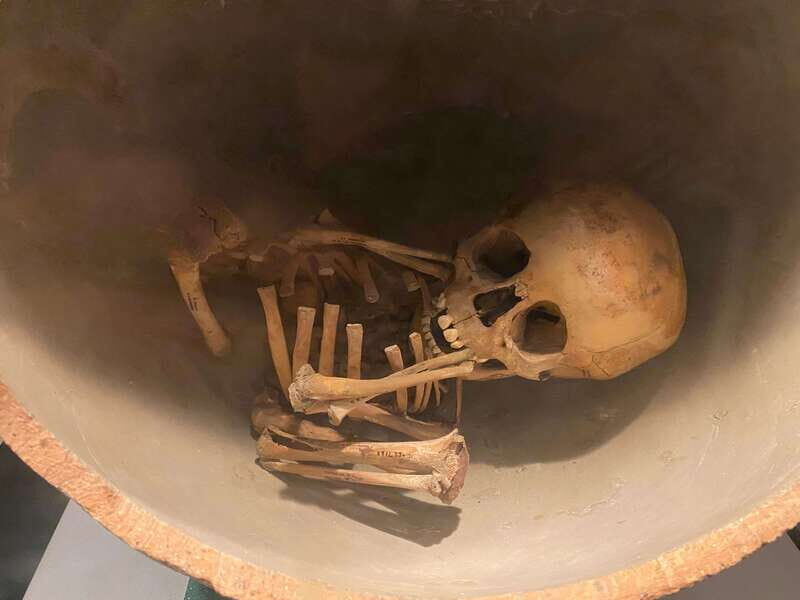
If you’ve ever stood in a museum and thought, I get the dates, but I don’t get the point—this tour fixes that. The National Museum of Anthropology is huge, and the galleries can feel like a long list of objects. This experience turns those objects into a way of thinking.
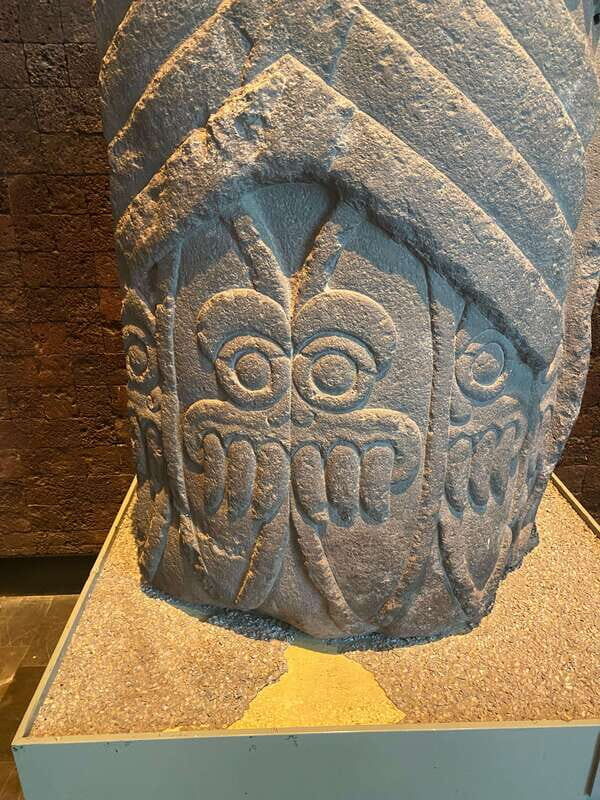
You’re not just looking at artifacts. You’re learning how indigenous peoples of Mexico interpreted the world through symbolism and cosmology. That means questions like why animals show up on vessels and engravings, or why snakes, eagles, or jaguars appear in outfits and paintings, don’t stay as mysteries.
The tone is also interactive. Hector asks questions, and you start spotting patterns instead of waiting for someone to hand you the answer. From what you’ll see and do, it feels more like a guided classroom than a quick highlight loop.
You can also read our reviews of more museum experiences in Mexico City

Museum setting: Bosque de Chapultepec, big building energy
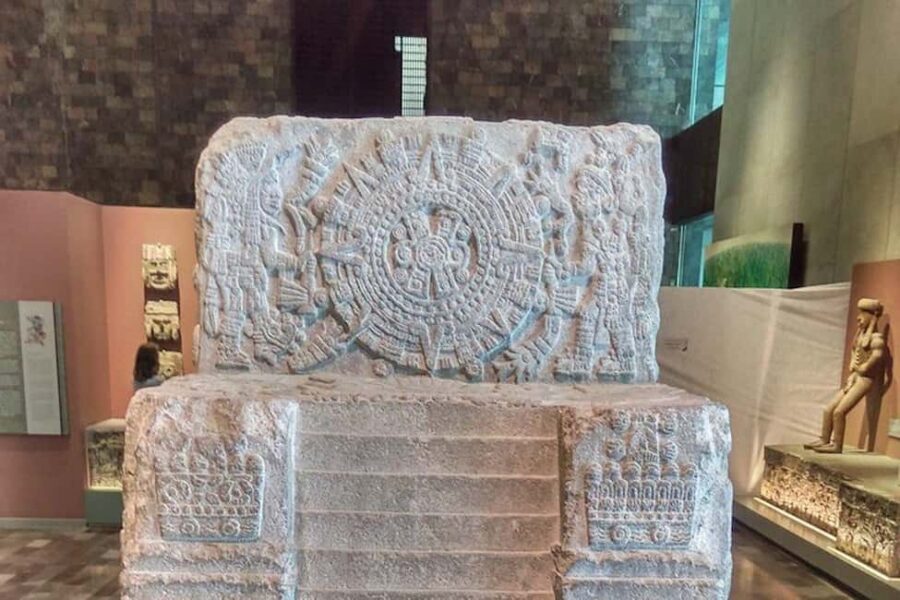
This tour starts at the National Museum of Anthropology, in the Bosque de Chapultepec. Even before you enter the galleries, the setting helps you slow down. Chapultepec is one of those places where you feel the mix of Mexico’s present and its deep past at the same time.
Once inside, plan for how the museum’s scale affects your experience. The building and collection are enormous. A guided route matters because it tells you where to focus first, what to notice, and how each room connects to the worldview theme.
You’ll get admission included to the museum’s permanent exhibitions, plus skip the ticket line, which is a real time-saver if you’re trying to fit this into a busy day in Mexico City.
Getting oriented at the entrance (near the Mexican flag)
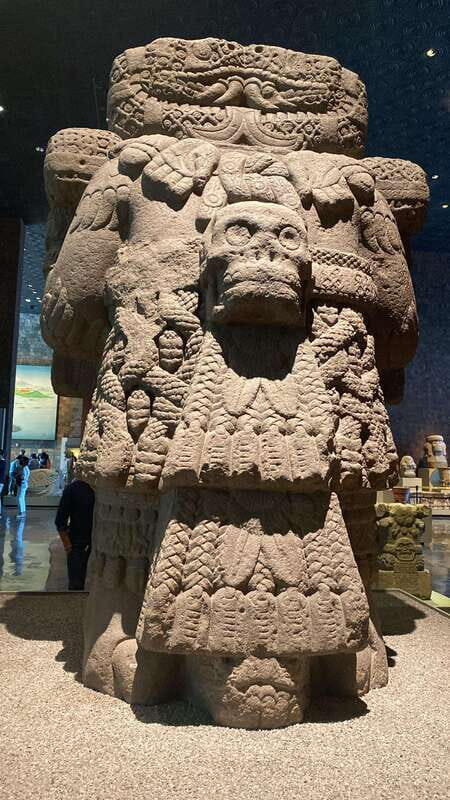
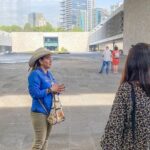
Your meeting point is near the Mexican flag at the museum entrance. That’s helpful because the museum can be a little confusing at the start, and you don’t want to burn your first minutes wandering.
After you meet, you’ll begin with a guided route that’s designed to give you context early. I like that structure because it reduces the most common museum problem: seeing cool things but not knowing what they mean.
The tour is in English, and some content is shown in its original language. That’s not a downside for most people—it actually fits the subject. You’ll understand why certain symbols look the way they do, rather than treating everything like decoration.
Mural of Duality: the worldview framework that makes everything else click
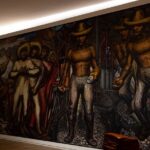
The first major stop is the Mural of Duality. This is where the tour earns its keep, because it lays out the underlying thinking of the cultures you’ll be seeing afterward.
Duality shows up everywhere in symbolic systems: contrasts that don’t cancel each other, but balance each other. When Hector explains it, the museum stops feeling random. You start recognizing the logic behind pairings, categories, and the way images communicate ideas about the cosmos and society.
In practice, this means you’ll walk into later rooms with a mental model. Even if you don’t remember every detail, you’ll remember how to interpret what you’re looking at.
The Umbrella stop: symbolism you can read once you know what to ask
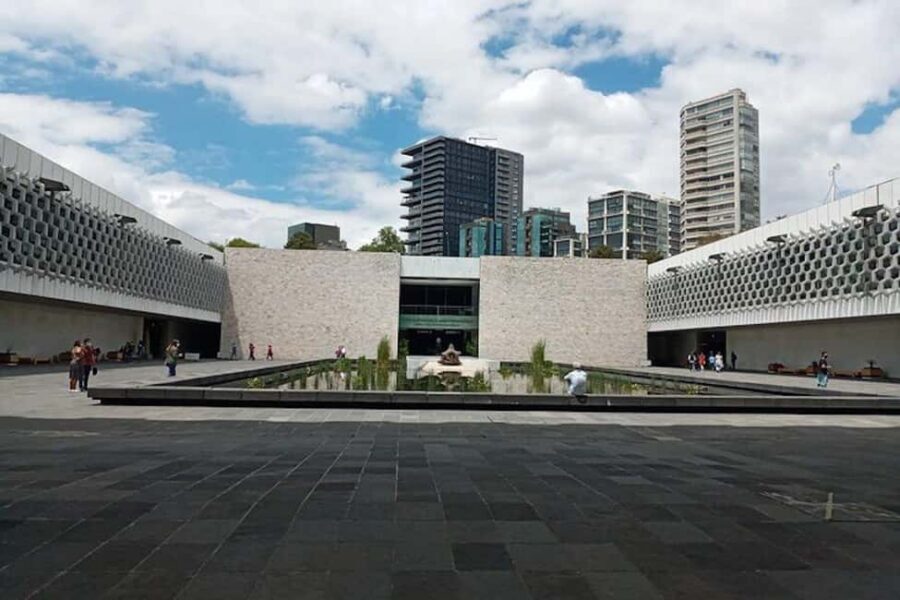
Next comes The umbrella, another guided interpretation moment. Umbrellas in Mesoamerican art and representation can carry major meaning, and this stop focuses on the worldview behind the object rather than treating it as just an interesting shape.
I like this part because it trains your attention. Hector doesn’t only point out what the object is. You learn what kinds of questions to ask: what symbols might be communicating, and why that symbolism matters to how people understood order in the world.
This is also where the tour’s theme becomes clear: ancient Mexico isn’t presented as a pile of facts. It’s presented as a lived way of seeing.


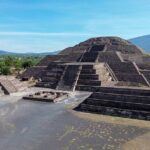

Teotihuacan Room: context for architecture and worldview
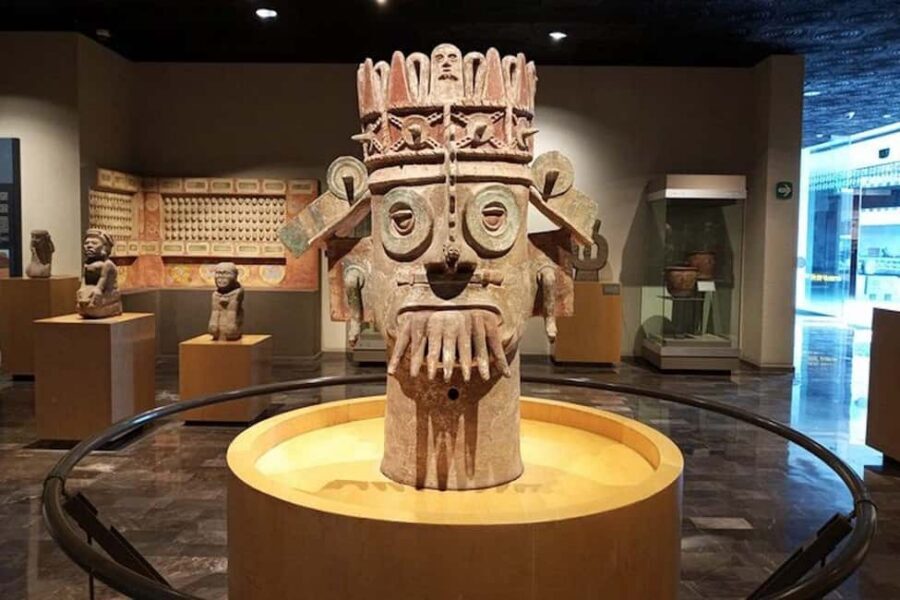
Then you move into the Teotihuacan Room, where the explanations connect what you’re seeing to larger ideas. Teotihuacan is one of the key names people hear in Mexico history, but it’s easy to leave a museum still thinking of it as only a famous site.
In this tour, you get interpretive context. Hector ties the artifacts and representations to how cosmology and ideology shaped everyday meaning. That matters, because it helps you connect what you’ll see to why it was made in the first place.
A practical benefit: Teotihuacan is often brought up in conversations with other Mesoamerican cultures. By spending time here with a guided framework, you’ll be better at comparing how different groups expressed similar big ideas through different symbols.
Mexica (Aztec) Room: decoding the symbolism you’ll spot around Mexico City
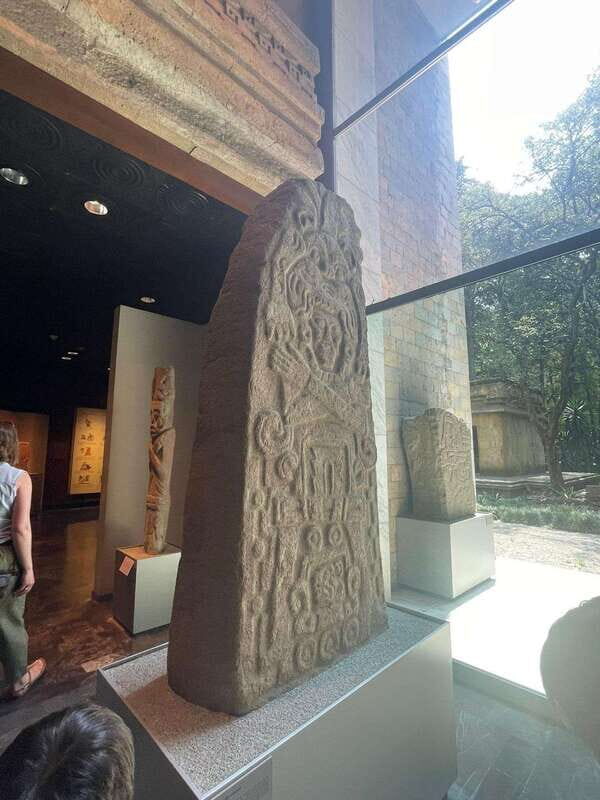
After that, you enter the Mexica (Aztec) Room. This is a room that can go two ways on a museum tour. Either you skim and admire, or you learn how images work.
This tour clearly aims for the second option. Hector explains Mexica symbolism in a way that helps you see why animals and celestial themes appear so often in Mesoamerican art. You’ll connect things like sun and moon references to the larger cosmological system being presented.
I also appreciate that Hector connects the learning to the modern world you’ll be walking through after this. The symbolism you learn here shows up later in architecture and art, and you’ll have the tools to recognize it.
Replica of the tomb of Pakal the Great: why rulers show up in the story
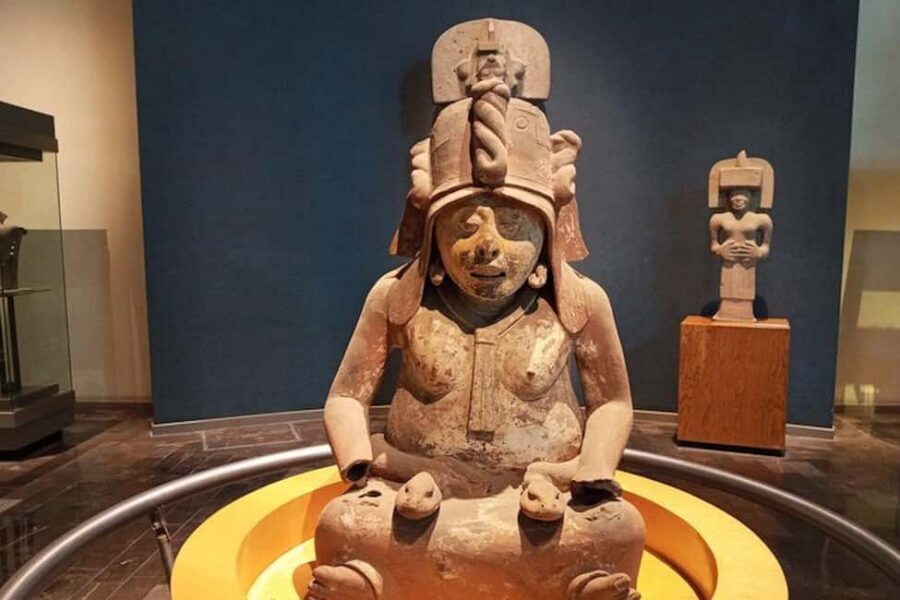
One of the most memorable stops is the replica of the tomb of Pakal the Great. Even as a replica, it’s a powerful teaching moment because it links power, representation, and cosmic meaning.
This is where the tour broadens from symbolism in small motifs into symbolism in major statements. A tomb isn’t just a container for remains. In many ancient cultures, it’s a message. And Hector’s explanations help you understand what kind of message you’re looking at.
You’ll likely come away with a sharper sense of why rulers and ceremonies were wrapped in imagery. It wasn’t only about authority. It was also about how the cosmos was believed to be structured.
The big theme: how to read animals, glyphs, and celestial symbols
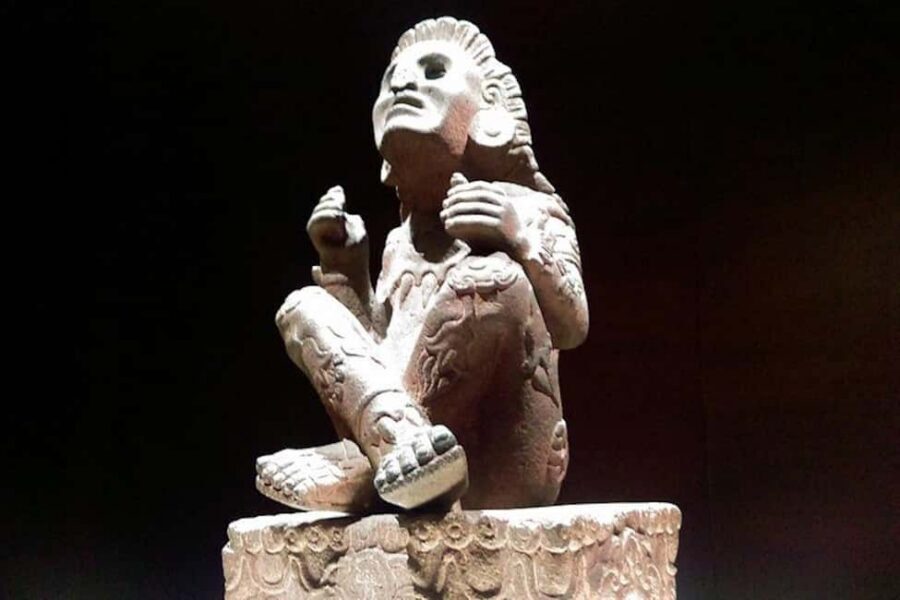
Throughout the tour, you keep returning to the same set of guiding questions. Why are animals shown in certain ways? Why do specific creatures show up repeatedly in representations? What do sun and moon symbols represent in the system of thought?
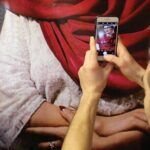
Hector uses these questions to help you interpret rather than just collect trivia. He even brings in extra visual material on an iPad, including reconstructions and additional images. That support helps when an artifact is visually complex, or when details are easy to miss without pointing and context.
In the rooms where you might feel tempted to just take photos and move on, this approach slows you down in a good way. You start noticing the pattern of meaning: the repeated motifs, the logic of the design, and how ideology becomes visible.
Femininity in Mesoamerica: part of the worldview, not a sidebar
One highlight of this experience is the importance of femininity in Mesoamerica. That’s not something every museum tour touches in a clear, thematic way, and it changes how you interpret the symbolism once it’s introduced.
I like that this theme is framed as worldview. It’s not presented like a random topic. It’s used to help you understand how societies encoded values and roles into artistic and symbolic language.
If you’ve read about ancient Mexico only through battles, kings, or dates, this part gives you a fuller sense of what mattered to people—and how that mattered could appear in art.
Price and value: why $75 can be a good deal here
At $75 per person for 3 hours, this is not the cheapest way to see the museum. But the value is the guidance and interpretation.
You get:
- A guided walking tour with a live English guide
- Museum admission included
- A focused route through key rooms like Teotihuacan, Mexica, and the Duality mural area
- Time to explore on your own after the guided portion
If you were to self-guide, you could spend the same time drifting through the museum and still miss what those rooms are trying to teach you. Here, Hector turns symbolism and cosmology into something you can actually use while you look.
In other words, you’re paying for translation—not just language. The translation is cultural context, and that saves you from the common frustration of leaving a museum impressed but unsure.
What the pace feels like (and why comfortable shoes matter)
This tour is done on foot. You should expect standing for long periods while listening to historical and cosmological explanations. That’s why the tour isn’t aimed at kids or teens under 16.
So if you have mobility challenges, it’s good that the tour is wheelchair accessible. Still, it is worth thinking realistically about how much time you’ll spend on your feet in a museum setting.
Bring comfortable shoes and comfortable clothes. Also, plan your day around the fact that food and drinks are not allowed during the visit. You won’t want to arrive hungry, then feel stuck waiting for later.
Photo rules and what to pack (leave some gear at home)
The museum has a lot of restrictions. For example:
- No selfie sticks
- No professional cameras
- No flash photography
- No drones
- No touching exhibits
- No large bags/luggage
If you’re the type who brings a tripod or treats museums like a photo studio, this tour may frustrate you. For the smoothest day, pack lightly and keep your focus on looking, not filming.
A simple day bag with essentials is the safest move. And remember that you’ll spend time in explanations where having your attention on the guide matters more than capturing every angle.
Should you book the National Museum of Anthropology symbolism tour?
Book it if you want ancient Mexico to make sense. This tour is for you if you like big-picture ideas, symbolism, and the way cosmology explains why art looks the way it does. I also think it’s a smart move early in your trip because it gives you backup knowledge before you go to other major sites.
Skip it if you want a casual stroll and quick highlights. This is more brain-on than photo-on. And if you’re traveling with kids under 16, the cosmology content isn’t meant for that age group.
If you’re curious about how indigenous peoples viewed the universe—animals, celestial themes, duality, and how femininity fits into the worldview—this is one of the best ways to start making sense of what you’re seeing in the museum.
FAQ
How long is the tour?
The tour lasts 3 hours.
What is included in the price?
It includes a guided walking tour in English at the National Museum of Anthropology, museum admission with access to permanent exhibitions, and time at specific exhibit areas explained by the guide.
Where do we meet?
You meet near the Mexican flag at the entrance of the museum.
Is the tour private?
Yes, it is listed as a private group.
Is it suitable for children or teens?
It isn’t suitable for children under 16 due to the cosmological explanations.
What language is the tour in?
The live tour guide speaks English.
What should I bring, and what’s not allowed?
Bring comfortable shoes and comfortable clothes. Food and drinks, pets, smoking, large bags/luggage, selfie sticks, professional cameras, flash photography, drones, and touching exhibits are not allowed.