REVIEW · MEXICO CITY
Museum of Anthropology: a look at Mexico’s past
Book on Viator →Operated by Recorridos y Guías Xochitec A.C. · Bookable on Viator
Pre-Columbian Mexico, made clear in 3 hours. This guided visit spotlights the most emblematic rooms at the Museo Nacional de Antropologia, with a certified guide who helps you connect cultures, symbols, and big ideas before the Spaniards.
What I really liked is how the guidance turns a museum maze into a story you can remember. If you’re lucky enough to meet guides like Hector or Edith, you’ll get the kind of explanation that links chronology, mythology, and everyday life into something you can follow without feeling lost. One thing to consider: this tour isn’t available for children under 18, so it’s built for adults and older teens.
In This Review
- Key highlights worth your attention
- Museo Nacional de Antropologia: the best way to orient yourself fast
- Why a guided “2–3 hour” plan works
- Meeting in Polanco by Chapultepec: practical and easy to start
- Stop 1 at the National Museum of Anthropology: your “pre-Spanish Mexico” roadmap
- What makes this stop special (and not just “museum time”)
- How Hector and Edith turn artifacts into stories you’ll remember
- The storytelling method that helps most
- Audio boxes, headset clarity, and how pacing keeps you in the moment
- Time, timing, and what you should bring for an easy 3-hour plan
- Best time to go
- Value check: admission included, licensed guide included, and what you control
- Who this tour is best for (and who should skip it)
- Book it or skip it: my decision guide
- FAQ
- How long is the tour?
- Is the tour in English?
- Where does the tour start and end?
- Is the museum ticket included?
- Do I get an audio device?
- Is transportation included?
- Is lunch included?
- Is bottled water included?
- Who can join the tour?
- What is the maximum group size?
- What if the tour is canceled?
Key highlights worth your attention
- Small group size (max 6): easier questions, more pacing, less rushing.
- Emblematic rooms only: you don’t try to see everything; you see the most meaningful parts.
- English-guided experience: designed for travelers who want the context, not just the exhibits.
- Audio help for larger groups (6+): audiobox equipment is included when the group is at capacity.
- Guides who connect symbols across time: you’ll leave with mental links for what you see later in the city.
- Sit-and-listen moments: the tour includes breaks so your legs don’t take over the experience.
Museo Nacional de Antropologia: the best way to orient yourself fast
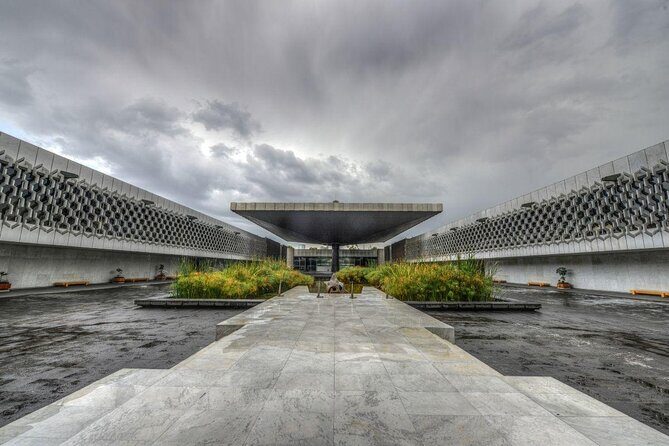
Mexico City’s Museum of Anthropology can feel like information overload if you walk in alone. You’re staring at incredible objects, but you may not know where to start, what matters first, or how everything fits into a timeline. This guided format solves that problem by focusing on the most emblematic rooms and the cultures that lived in Mexico before the Spaniards arrived.
I like that the approach is not random sightseeing. The tour is designed to give you a framework: how people lived, how beliefs worked, and how symbols show up across time. That matters because this museum is packed with artifacts that can look like isolated treasures unless someone puts them into context. With a good guide, you stop asking, What am I looking at? and start asking, Why does this matter?
You’ll also benefit from the guide’s licensing and local certification. The tour includes a federally licensed guide certified by SECTUR, which is a solid indicator that you’ll get interpretation, not just a generic walkthrough. Even if you’re not a “history person,” this kind of explanation helps you read the museum like a book—one page at a time.
You can also read our reviews of more museum experiences in Mexico City


Why a guided “2–3 hour” plan works
You’re not committing to a half-day marathon. The tour runs about 2 to 3 hours (plan for around 3), which is long enough to get real context but short enough to keep energy up. That sweet spot makes it easier to enjoy the rest of Mexico City after. You’ll also find that the themes you learn here pop up later when you tour other sites.
Meeting in Polanco by Chapultepec: practical and easy to start
The meeting point is Av. P.º de la Reforma s/n, Polanco, at Bosque de Chapultepec I Secc, Miguel Hidalgo, 11560 Ciudad de México. The tour ends back at the meeting point, so you don’t spend the experience trying to find your way to a distant drop-off.
This location is useful for two reasons. First, it’s a familiar area for many visitors—near a lot of public transportation options. Second, starting at Chapultepec-adjacent streets helps you plan your day. You can realistically do this in the morning or afternoon without adding extra stress about crossing the city.
One more practical note: the tour is listed as needing a moderate physical fitness level. That usually translates to comfortable walking, standing to see exhibits, and moving between rooms. Bring shoes that you can stand in. And since bottled water and lunch are not included, consider having a snack plan before you go (or plan to buy water on your way in).
Stop 1 at the National Museum of Anthropology: your “pre-Spanish Mexico” roadmap
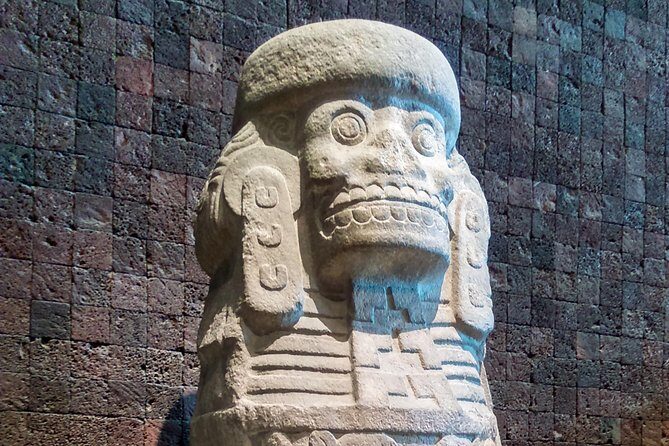
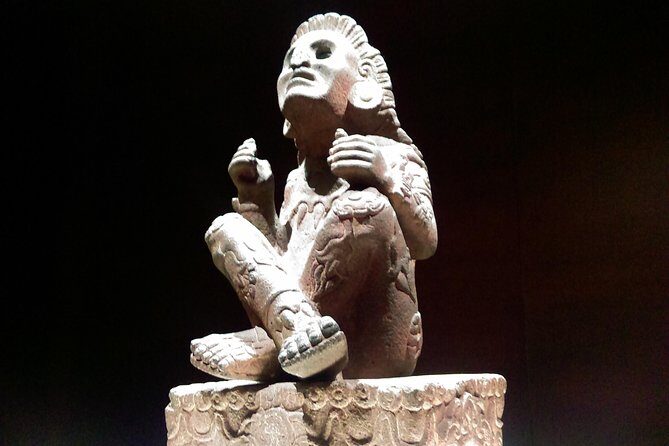
Your main stop is the Museo Nacional de Antropologia itself. The guided route is built around the idea of understanding the cultures and villages that inhabited Mexico before the arrival of the Spaniards. Instead of trying to cover everything the museum owns, the tour highlights the rooms that give you the strongest sense of the big story.
Here’s what you can expect from this stop:
- Emblematic rooms first, details second. You’ll get an overview, then you’ll zoom in on symbols and themes the artifacts represent.
- A guided timeline feel. The explanations are built to help you understand chronology and how different belief systems and societies relate to one another over long stretches of time.
- Mythology and gods as part of daily life. You won’t just hear names. You’ll hear how legends and religious ideas connect to how people made meaning, organized community, and lived with the world around them.
- Symbols you can spot again later. More than one guide-led highlight is that you’ll learn to recognize motifs and patterns—so the museum doesn’t just end when your tour ends.
What makes this stop special (and not just “museum time”)
The real value isn’t the objects by themselves. It’s the way a certified guide helps you decode them. Pre-Columbian artifacts can be visually stunning but also hard to interpret without context. When you’re shown the purpose behind a symbol, or how a belief shows up in art and objects, the museum clicks.
You’ll also appreciate that the tour is structured to avoid the common visitor problem: wandering too fast through too much. The best guided tours give you time to look closely and listen at the same pace.



How Hector and Edith turn artifacts into stories you’ll remember
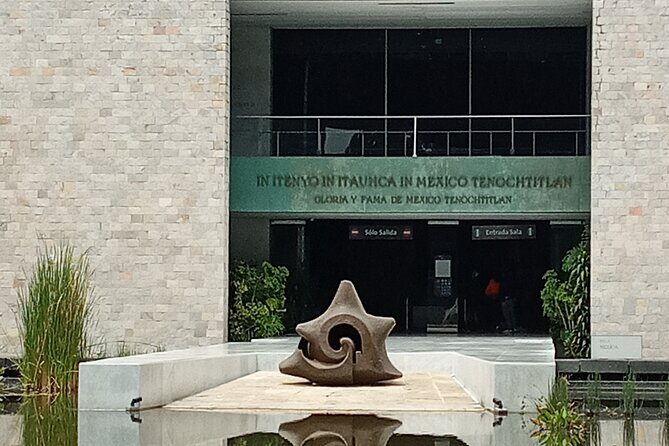
A museum guide can either recite facts or build understanding. This experience clearly aims for the second kind.
Hector is repeatedly praised for making the museum feel like a connected narrative. He’s described as using attention to detail and passion for mystery, mythology, and history, with explanations that feel engaging rather than academic. One theme you’ll hear in that style is how symbols and meanings link across different eras. That’s why people come back and say the museum stayed with them after the tour.
Edith, including Edith Gonzalez, is also highlighted for an easy-to-follow approach. One account notes she has a Ph.D. in history, and that she wrapped displays in story and fact—covering life, politics, geography, conflict, and religion. Even if you’re not a “read every plaque” visitor, this kind of guide helps you absorb the museum without needing to do extra homework afterward.
The storytelling method that helps most
You’ll get the most from the tour if you treat it like a guided conversation. Ask questions. If you’re curious about why a symbol matters or what a belief meant, bring that curiosity. The guided approach is built to connect big ideas, so your questions tend to get answered in a way that fits the overall storyline—not as one-off trivia.
Also pay attention to the pacing. One detail that stands out in the experience accounts is that guides make sure you’re not just standing the whole time. If you need moments to rest your feet while you listen, this tour includes pauses to sit.
Audio boxes, headset clarity, and how pacing keeps you in the moment
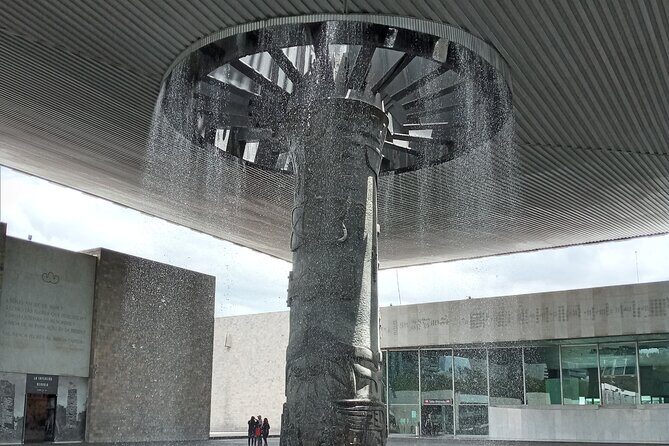
When a museum tour relies on voices over crowds and distance, the explanation can get lost. This experience includes audiobox equipment for 6 clients or more, which is a meaningful quality-of-life detail. If you’re in a group of up to six, you’ll benefit from hearing the guide clearly without constantly turning your head.
Even with audio assistance, your comfort matters. Since the tour runs around 2–3 hours, you’ll want to stay present rather than mentally checking out due to fatigue. The best part of a small group is that the guide can slow down when you need time to look. That’s especially helpful in a museum where the difference between a quick glance and a meaningful look can be just a few extra seconds of context.
If you’re traveling with someone who asks questions a lot (or you are that person), the small size makes it realistic. With a bigger group, questions can feel rushed. Here, you’re more likely to get time to ask, plus time to absorb the answer.
One practical caution: this tour can be very adult-focused in tone, since it isn’t available for kids under 18. If you’re bringing older teens, the tour can still work well, but the best fit is adults who want historical and religious context.
Time, timing, and what you should bring for an easy 3-hour plan
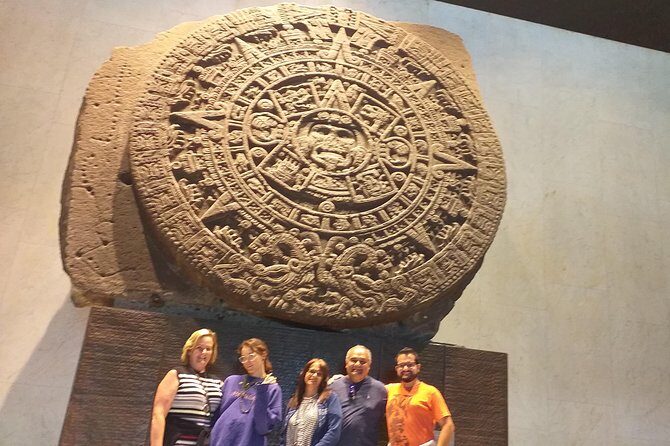
Plan for about 3 hours on the clock, even if it sometimes runs closer to 2. Museums are slow by nature, so build in buffer time around the tour start. The meeting point is fixed, and the tour ends back there.
What to bring:
- Comfortable walking shoes (you’ll be moving between rooms)
- A light layer, since museum temperatures can swing
- Water or a plan to buy water, because bottled water isn’t included
- A charge on your phone if you like to take quick notes or photos (not because of anything special required—just for your own memory)
What not to expect:
- Lunch is not included. If you’re doing this midday, either eat beforehand or plan a nearby meal after.
- Private transportation is not included. You’ll use public transport options since the meeting area is near transit.
Best time to go
If you like thinking time—seriously looking at objects and letting explanations land—go when you’re not rushing to make another timed reservation right after. This tour works best when you can stay relaxed afterward and let what you learned shape how you view other places.
Value check: admission included, licensed guide included, and what you control
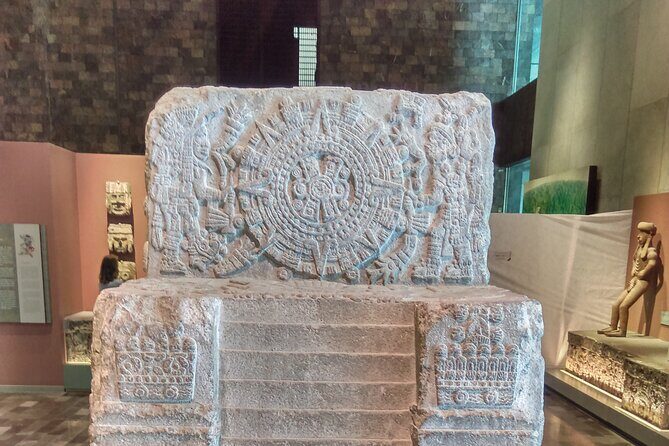
This tour includes the museum access ticket and a Federally licensed guide certified by SECTUR. It also includes audiobox equipment when the group is 6 clients or more. On paper, that sounds straightforward, but in real life it’s a strong value mix because those are the three things that usually cost you the most effort: entry, good interpretation, and clear audio.
You cover what’s not included:
- Private transportation
- Lunch
- Bottled water
If you’re budgeting, remember that the tour gives you a focused hit of context. Instead of paying for a broad museum entry and then spending the first hour trying to figure out a route, you get a guided storyline that helps you see meaning, not just objects.
Group discounts are also part of the package. With a maximum of 6 travelers, you’re not stuck paying for a huge group format when you want something more personal. Smaller groups usually mean better questions and more responsive pacing.
Who this tour is best for (and who should skip it)
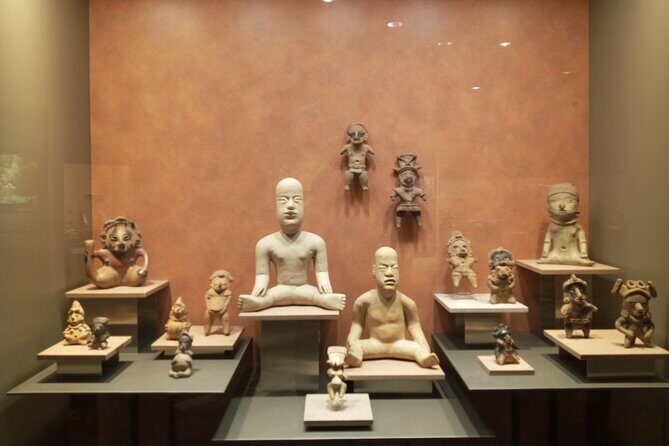
You’ll love this experience if you:
- Want pre-Spanish Mexico explained in a way that connects beliefs, symbolism, and daily life
- Prefer a small group where you can ask questions
- Enjoy mythology, religion, and how ideas shaped art and politics
- Want to get oriented early in your Mexico City trip so other museum moments make more sense later
You may want to skip this tour if:
- You’re traveling with kids under 18 (this one isn’t available for them)
- You need a fully “sit-only” experience (there’s walking and room-to-room movement)
- You want a do-it-your-own style museum visit with no guide structure
Couples, friends, and adult families who want a memorable first museum stop tend to be a good match. The tour also shines for anyone who feels slightly overwhelmed by museums and wants a smart plan.
Book it or skip it: my decision guide
Book this tour if you want a guided, adult-friendly way to understand Mexico’s past without getting lost in museum chaos. The small group size (max 6), English guidance, admission included, and optional audiobox support for larger groups make it feel built for clarity. Most of all, guides like Hector and Edith are praised for turning artifacts into coherent stories—so you leave with meaning, not just photos.
Skip it if you’re looking for a kid-focused museum outing or you prefer exploring totally on your own with zero structure. This isn’t that style.
If you’re visiting the Museo Nacional de Antropologia and you care about understanding what you’re seeing, this guided route is one of the smartest ways to make your time count.
FAQ
How long is the tour?
The experience is listed as about 2 to 3 hours, with the guided museum visit described as lasting around 3 hours.
Is the tour in English?
Yes. The experience is offered in English.
Where does the tour start and end?
It starts at Av. P.º de la Reforma s/n, Polanco, Bosque de Chapultepec I Secc, Miguel Hidalgo, 11560 Ciudad de México, CDMX, Mexico. It ends back at the same meeting point.
Is the museum ticket included?
Yes. Museum access tickets are included.
Do I get an audio device?
You’ll have use of audiobox equipment for 6 clients or more.
Is transportation included?
No. Private transportation is not included.
Is lunch included?
No. Lunch is not included.
Is bottled water included?
No. Bottled water is not included.
Who can join the tour?
It is not available for children under 18 years of age. It also notes a moderate physical fitness level is required.
What is the maximum group size?
The tour/activity has a maximum of 6 travelers.
What if the tour is canceled?
Free cancellation is available up to 24 hours in advance for a full refund. If the minimum traveler requirement isn’t met, you’ll be offered a different date/experience or a full refund.