REVIEW · MEXICO CITY
Mountaineering Iztaccihuatl (5220m)
Book on Viator →Operated by México Travesías · Bookable on Viator
One mountain. Big views. Serious altitude.
I love that this climb is built around acclimatization and a clear rhythm: register at Paso de Cortes, settle in at Altzomoni refuge, then go for the summit with an early start. You’ll also appreciate the safety kit included (helmet, lamp, crampons, ice ax), which matters a lot when conditions turn icy. The main drawback to flag up front: this is for people with strong physical fitness and it’s not recommended for children under 14.
What makes it extra compelling is the tight, small-group setup—up to 10 people—and the way the operation is described by customers who highlight Bernardo as the guy running the show. Still, this is a weather-dependent mountain day. If clouds or poor conditions roll in, your climb plan can shift, so be ready for that reality.
In This Review
- Key highlights to know before you go
- Iztaccihuatl in Context: Why This 5,220-Meter Giant Calls to Climbers
- From Condesa to Paso de Cortes: How the First Day Sets You Up to Succeed
- Altzomoni Refuge and the First-Gate Ascent: Acclimatization Without the Confusion
- Summit Morning at 2:00 am: Timing, Discipline, and the Views You Came For
- Safety Gear You Don’t Have to Hunt Down (Helmet, Lamp, Crampons, Ice Ax)
- Meals, Rest, and Recovery: The Trip Doesn’t Forget the Human Part
- Group Size and Private Transportation: Less Chaos, More Climbing
- Price and Value: What $579.45 Really Buys You
- Weather Matters on This Mountain: Be Ready for Plan Changes
- Who This Fits Best (And Who Might Want a Different Adventure)
- Should You Book the Iztaccihuatl Climb?
- FAQ
- How long is the Mountaineering Iztaccihuatl experience?
- Where do I meet for the tour?
- What time do we start on the second day for the summit?
- What is the approximate summit time?
- What safety equipment is included?
- Are meals included?
- Is alcohol included?
- What is the group size limit?
- Is this experience offered in English?
- What happens if the weather is poor?
Key highlights to know before you go
- Small group size (max 10): easier pacing and fewer moving parts in cold, low-visibility conditions
- Acclimatization at Altzomoni refuge: you get a warm-up ascent toward the first gate before the summit push
- Summit timing starts with a 2:00 am wake-up: the schedule is designed to reach the top around late morning
- Safety equipment included: helmet, lamp, crampons, and ice ax aren’t an extra hassle
- Day 2 ends with Amecameca food: you swap summit effort for a traditional regional meal
- English support: the experience is offered in English with a mobile ticket for convenience
Iztaccihuatl in Context: Why This 5,220-Meter Giant Calls to Climbers
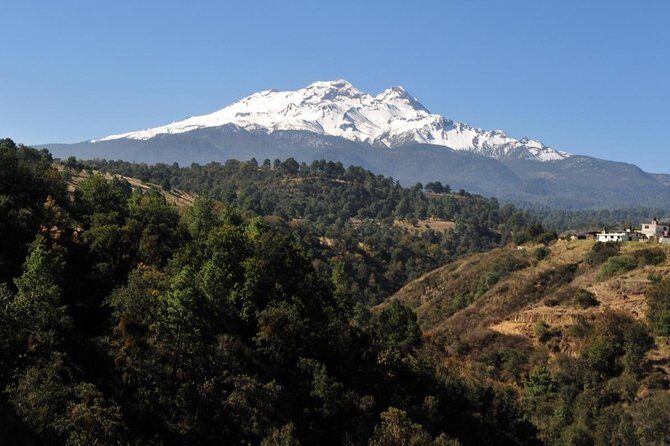
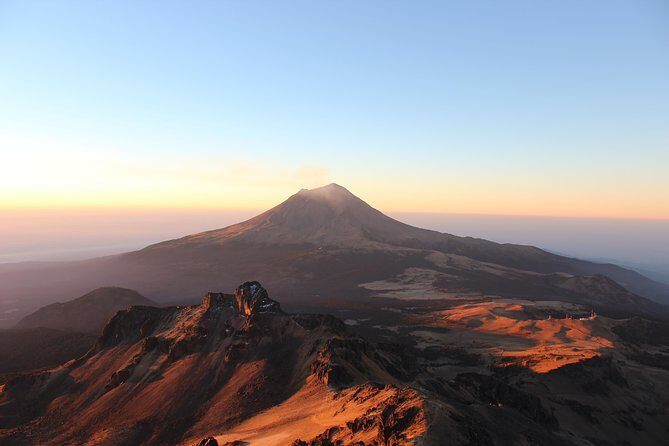
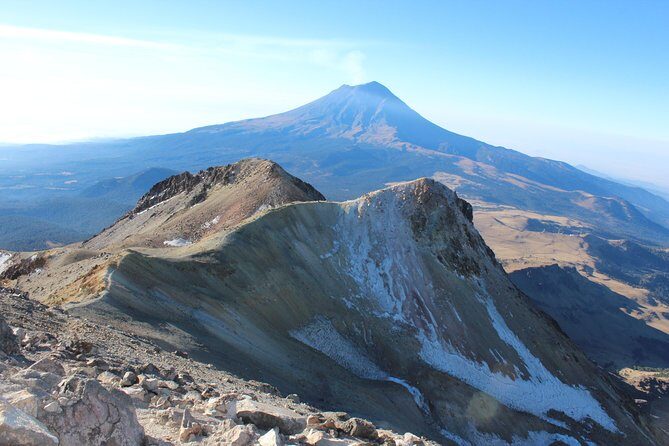
Iztaccihuatl (5220m) has a reputation in Mexico for a reason. It’s emblematic—part of the Iztaccihuatl and Popocatépetl National Park story—and it rewards effort with huge, high-altitude views of the nearby active volcano, Popocatépetl. The overview you’ll hear again and again is simple: you climb, you test yourself, and you come out with that rare satisfaction that only a real mountaintop can deliver.
I like that this trip frames the climb as a challenge with a purpose. It’s not sold as a casual hike, and it doesn’t pretend the altitude is gentle. The climb targets one of Mexico’s highest points, and you’ll feel that in the schedule: early wake-ups, cold-morning conditions, and a second day that’s all about timing.
One more detail that helps your expectations: the tour is priced as a package, not a bare-bones transfer. At $579.45 per person, you’re paying for the mountain logistics plus the kind of safety setup that can cost extra elsewhere—along with meals and private transportation.
You can also read our reviews of more tours and experiences in Mexico City.
From Condesa to Paso de Cortes: How the First Day Sets You Up to Succeed
You start in Mexico City at Av. Vicente Suárez 38, in Colonia Condesa (Cuauhtémoc). This matters because it keeps the beginning simple: you’re not hunting buses across the city at the crack of dawn before the mountain work starts. Then you head toward Paso de Cortes where you register and get oriented for the climb.
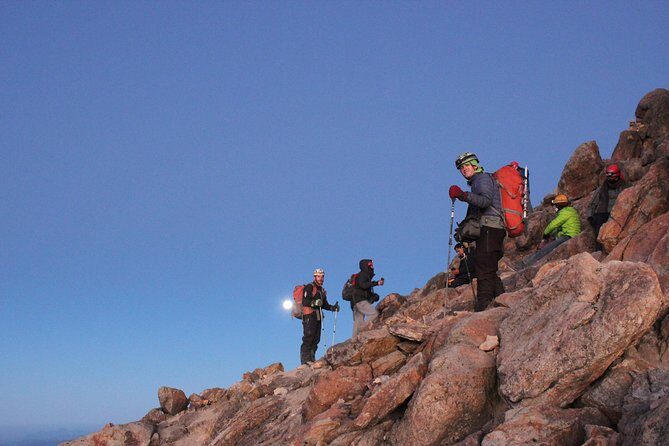
From there, you go to the Altzomoni refuge. Refuges on high mountains aren’t just convenient—they’re part of how you stay functional. On day one, the plan includes an acclimatization ascent toward the first gate. This is a big deal even if you consider yourself fit. At altitude, your lungs and legs need time to adjust, and a short “go higher, then come back” approach can make the summit day safer and more comfortable.
Day one ends with you returning to the refuge for dinner and early rest. I like this because it’s realistic. Summit day involves getting up at 2:00 am. That’s not a “sleep in and see how it goes” situation. The earlier you can rest, the better your body handles cold, altitude, and the long hours that come next.
A practical consideration: you’re going to need patience on day one. The acclimatization section isn’t about bragging rights—it’s about helping your system handle the big effort to come.
Altzomoni Refuge and the First-Gate Ascent: Acclimatization Without the Confusion
The highlight of day one is that acclimatization ascent toward the first gate. Even if you’re an active person, altitude climbs change the game. The higher you go, the more your body works for every step. Doing a planned ascent, then returning to the refuge for rest, gives you a chance to feel the altitude gradually instead of getting slammed by it all at once.
In practical terms, this part of the trip helps you:
- learn how your pace needs to change at altitude
- practice moving efficiently when you’re tired
- arrive at day two with less uncertainty
Also, because you’re in the refuge system, you can focus on being a climber instead of a planner. You’re not juggling “what time should we do what” decisions while your body is working hard.
Summit Morning at 2:00 am: Timing, Discipline, and the Views You Came For
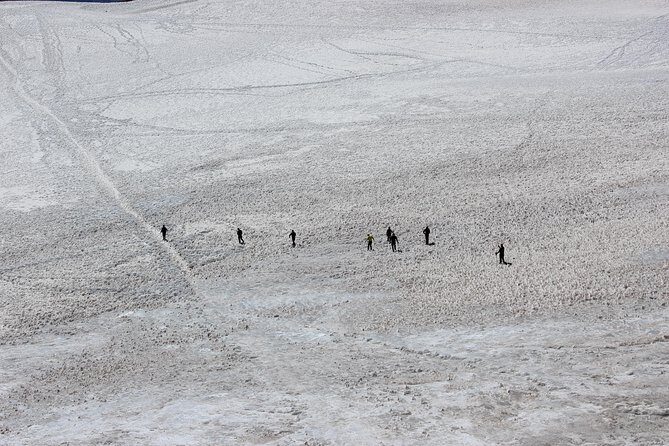
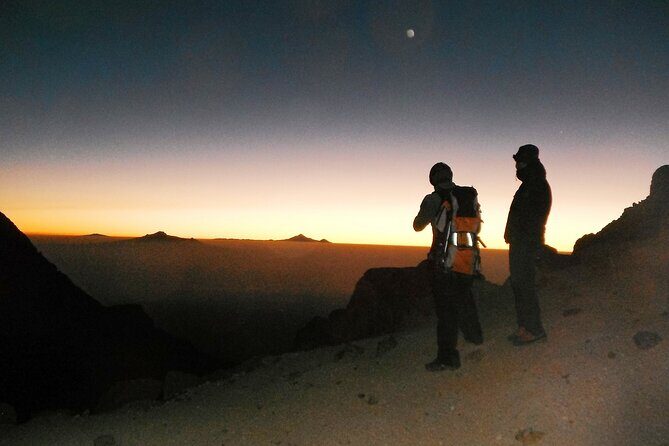
Day two starts early—2:00 am—and the goal is to reach the summit at around 12:00 pm. That timing is a clue to how the climb is structured: you’ll be moving while it’s still dark or near-dark, then you’ll climb into daylight for the summit experience.
This matters because early starts help you avoid some of the worst conditions that can happen later in the day. It also gives you a better chance of getting stable views when the mountain is at its most photogenic.
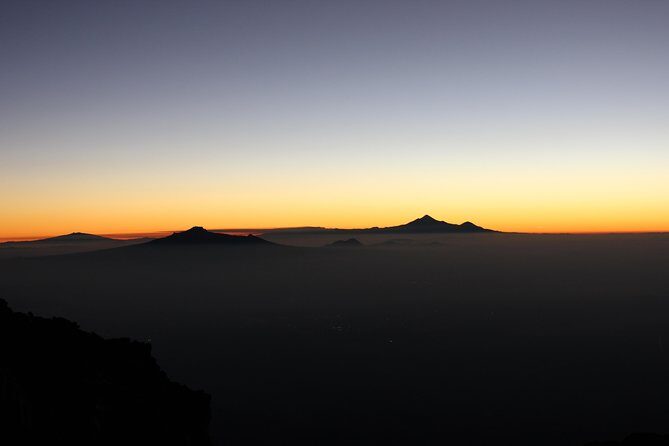
The payoff, based on what people emphasize, is the perspective from the top. Customers specifically call out breathtaking views of Popocatépetl and the sense of standing above it all. Even if you don’t care about volcano photo ops, you’ll still feel the difference between “climbing on a mountain” and “being at the top of the system.”
After the summit moment, the plan is to return to the truck and head to Amecameca for a traditional meal. That post-climb meal part isn’t fluff. It’s a smart recovery piece: you finish the effort, then you get fed in a more grounded, real-world way instead of trying to find food while you’re chilled, tired, and thinking only about your bed.
Safety Gear You Don’t Have to Hunt Down (Helmet, Lamp, Crampons, Ice Ax)
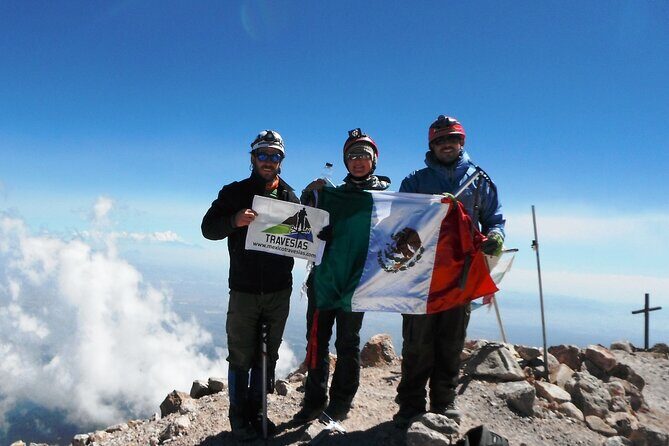
One of the strongest value points here is the included safety equipment: helmet, lamp, crampons, and ice ax. When cold weather and icy surfaces show up, having the right tools matters more than almost anything else. And you don’t want to be scrambling last-minute to rent gear you’re not fully familiar with.
This kit also signals something important about the experience style. This isn’t a “bring trekking poles and vibes” climb. It’s an actual mountaineering setup, which means your leaders expect icy conditions at times and want you properly equipped from the start.
If you’re thinking about your own prep, I’d focus on the basics:
- dress in layers you can manage in the cold
- plan to keep your hands and feet warm and dry
- bring the kind of stamina that lasts past the point you feel like you should be done
The safety gear is included, but your effort and cold-weather readiness are still on you.
Meals, Rest, and Recovery: The Trip Doesn’t Forget the Human Part
Food is included across the two days: breakfast, lunch, dinner, and lunch again. That’s not just convenience—it supports the long, demanding pacing of a 2:00 am summit day. When you’re climbing at altitude, you need energy, and you also need to avoid the stress of finding food at the wrong time.
Dinner on day one at the refuge and early rest is the other key. It’s the part that helps you show up to the summit start line with enough reserves. If you’ve ever been on a tour that treats sleep as optional, you already know how that goes. This plan treats rest like part of the climb.
Alcoholic beverages aren’t included. That keeps the experience focused and helps you avoid turning a recovery day into a “regret and hydrate” day.
Group Size and Private Transportation: Less Chaos, More Climbing
This activity caps at 10 travelers, and that size changes the feel immediately. On mountain days, smaller groups can mean fewer bottlenecks on the route, smoother regrouping, and a more manageable pace. You also spend less time waiting around and more time moving with the plan.
You also get private transportation, which is a practical win. It reduces transfer headaches between Mexico City and the start areas, and it helps keep your day two timing tight after that 2:00 am wake-up.
The tour is offered in English, and that can help you get clear communication on the route and safety expectations—especially when conditions make every instruction count.
Price and Value: What $579.45 Really Buys You
At $579.45 per person for about two days, you might wonder if it’s “worth it” versus cobbling something together. Here’s why the price can make sense based on what’s included:
You’re paying for:
- included safety gear (helmet, lamp, crampons, ice ax)
- meals across the two days (breakfast + two lunches + dinner)
- private transportation
- a guided structure that includes acclimatization at Altzomoni refuge and a summit-day schedule
Where the cost gets justified is in reducing uncertainty. Mountaineering isn’t just the climb—it’s planning, timing, equipment readiness, and safety discipline. When those elements are bundled and managed, you spend your energy on climbing instead of problem-solving.
If you already own all the gear and have a clear plan, you might think you can do it cheaper. But once you add the time and risk of getting it wrong, packages like this can look like better value than they first seem.
Weather Matters on This Mountain: Be Ready for Plan Changes
This experience requires good weather. If poor weather cancels the climb, you’ll either be offered a different date or receive a full refund. That doesn’t mean you should panic—it means you should plan like you’re booking into the mountain’s moods, not a rigid calendar.
Also, because your success depends on conditions, the early morning summit push can’t be treated like a guarantee. The best move is to keep your mindset flexible. On mountains, the mountain wins.
Who This Fits Best (And Who Might Want a Different Adventure)
This is clearly aimed at people with strong physical fitness. Day two starts at 2:00 am, and you’re climbing to a very high elevation. If you want something more leisurely, this isn’t that. If you want a real mountaineering challenge with a structured acclimatization plan, it’s a strong match.
It’s also not recommended for children under 14. That’s a common-sense fit given the altitude, timing, and cold conditions you should expect.
If you’re an adult traveler who’s been waiting for a guided climb that handles the logistics—gear included, meals covered, small group size—this is the kind of trip you should seriously consider.
Should You Book the Iztaccihuatl Climb?
I’d book it if you want:
- a guided, structured two-day plan with acclimatization built in
- included safety equipment so you’re not hunting gear last minute
- a small-group experience (max 10) with private transport
- the chance to stand on one of Mexico’s highest peaks with big views toward Popocatépetl
I’d think twice if you’re not ready for the physical demands of altitude and a 2:00 am summit start. Also, if your schedule can’t bend for weather, you should treat this as a flexible booking rather than a fixed certainty.
If you’re aiming for a serious but well-organized climb in Mexico City’s backyard, this one has the ingredients: strong operations, solid safety provisioning, and a summit schedule that’s clearly designed to work.
FAQ
How long is the Mountaineering Iztaccihuatl experience?
It runs for 2 days (approximately).
Where do I meet for the tour?
The start meeting point is Av. Vicente Suárez 38, Colonia Condesa, Cuauhtémoc, 06170 Ciudad de México, CDMX, Mexico.
What time do we start on the second day for the summit?
You will get up at 2:00 am on day 2.
What is the approximate summit time?
You are expected to reach the summit at approximately 12:00 pm.
What safety equipment is included?
Helmet, lamp, crampons, and ice ax are included.
Are meals included?
Yes. The tour includes breakfast, lunch, dinner, and lunch.
Is alcohol included?
No. Alcoholic beverages are not included.
What is the group size limit?
The maximum number of travelers is 10.
Is this experience offered in English?
Yes, it is offered in English.
What happens if the weather is poor?
This experience requires good weather. If it’s canceled due to poor weather, you’ll be offered a different date or a full refund.