REVIEW · MEXICO CITY
Mexico City: Ticket de entrada Museo Memoria y Tolerancia
Book on GetYourGuide →Operated by Museo Memoria y Tolerancia · Bookable on GetYourGuide
A museum that won’t look away. Museo Memoria y Tolerancia uses history, art, and design to push you toward tolerance instead of silence, with a permanent exhibition spread across 43 rooms. I love the way it pairs major historical testimony with installations you can’t ignore.
What I liked even more is the museum’s strong emotional anchor—especially the Anne Frank section—paired with clear, human-scale storytelling. The big consideration is that it’s not a light visit: the content is heavy, and the permanent exhibitions are recommended for children over 15.
You’ll still walk out thinking and talking about what responsibility looks like in real life. Just plan time to absorb it, because rushing through 1,200+ objects and documents will shortchange the point.
In This Review
- Key things to know before you go
- Finding Museo Memoria y Tolerancia near Plaza Juárez
- Ticket value: $13 for 43 rooms and 1,200+ documents
- Your audioguide in Spanish and English (how to use it well)
- How the permanent exhibition shapes the message of tolerance
- Must-see installations: Jan Hendrix, the Berlin Wall fragment, and the prisoner train car
- Don’t skip the temporary exhibitions included with your ticket
- A realistic plan for your one-day visit (without rushing)
- Who this experience fits best (and who should rethink it)
- Should you book this ticket?
- FAQ
- How long does the visit last?
- What’s included in the ticket?
- Is the audioguide available in English?
- Are children allowed?
- Is food and drinks allowed inside?
- Where is the museum meeting point?
Key things to know before you go
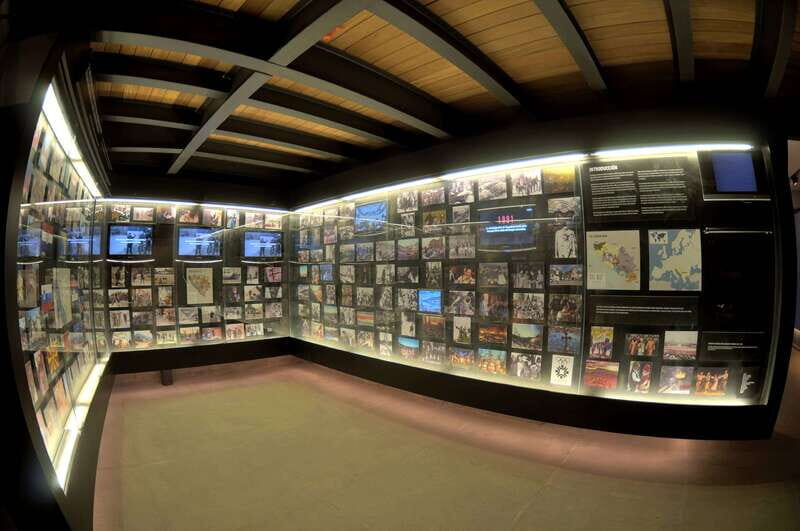
- 43 rooms, 1,200+ objects and documents in the permanent exhibition
- Holocaust and other crimes against humanity are covered with a strong tolerance message
- Audioguide in Spanish and English helps you follow each space at your own pace
- Memorial installations include works by Jan Hendrix and interactive pieces like YOU
- Temporary exhibitions are included, so you’ll get more than just the core displays
- No food and drinks inside, so plan snacks before or after
Finding Museo Memoria y Tolerancia near Plaza Juárez
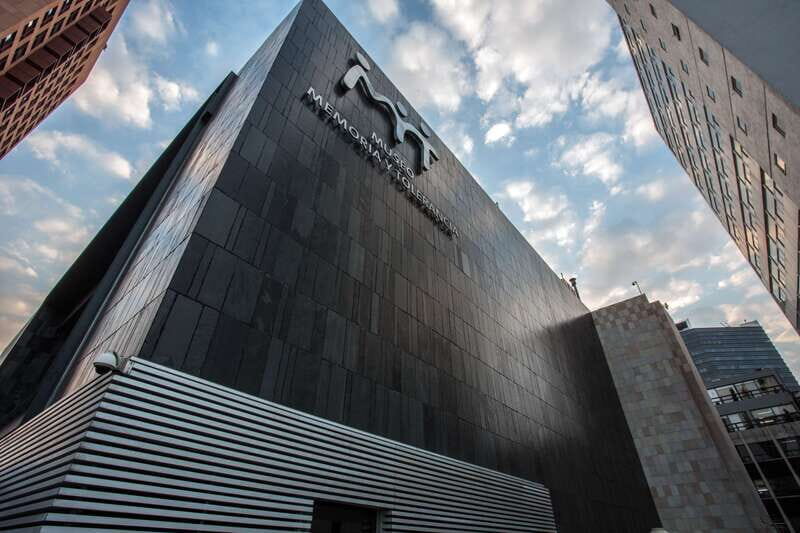
The museum sits downtown in Mexico City at Plaza Juárez, right by the Secretaria de Relaciones Exteriores and in front of the Hemicycle to Juarez. That’s a practical bonus: you can build it into a broader day of city sightseeing without needing extra transit just to get there.
If you’re using public transport, give yourself a little time to orient yourself around Plaza Juárez’s busy streets and monuments. The museum itself is the kind of place where being a few minutes early helps, because once you start walking, you won’t want to feel rushed.
A few more Mexico City tours and experiences worth a look



Ticket value: $13 for 43 rooms and 1,200+ documents
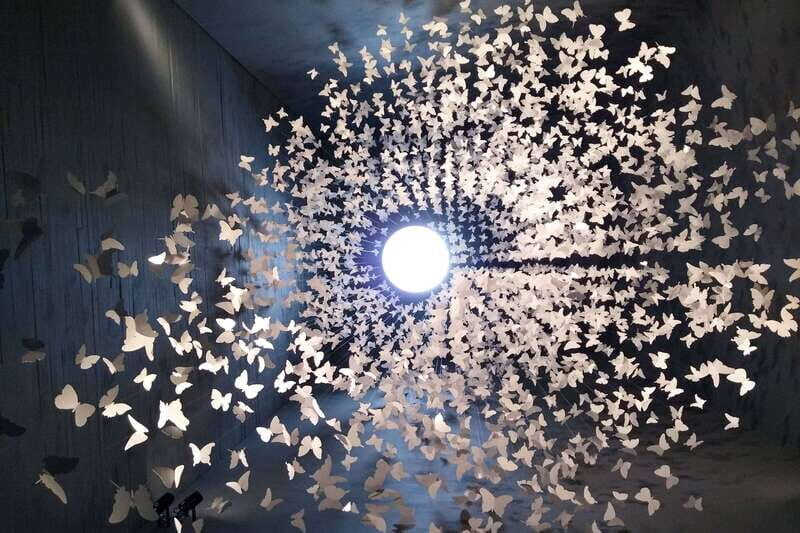
For about $13 per person and a one-day visit, this ticket is good value for the amount you cover. You’re not buying a quick “see a few rooms” stop—you’re paying for a long, structured experience through the museum’s permanent exhibition, plus access to temporary exhibitions.
The museum’s mission is built right into the visit. It focuses on historical memory, especially the Holocaust and other crimes against humanity (including references to the Armenian genocides, Rwanda, Guatemala, Cambodia, Darfur, and Yugoslavia). That matters because it’s not just art on walls; it’s a call to notice how indifference, discrimination, and violence can grow.
And yes, the scale is real: across those 43 rooms, you’ll see more than 1,200 objects, documents, and audiovisual pieces. If you’re the type who likes to read captions, watch media, and actually look, this ticket stretches farther than you’d expect for the price.
Your audioguide in Spanish and English (how to use it well)
Your entry includes an audioguide available in Spanish and English. I like audioguides here because they help you slow down without getting lost. The museum’s content can move emotionally fast, and the audio gives you context so you’re not just absorbing images—you’re understanding what you’re seeing and why it’s placed there.
A simple strategy: before you enter the densest areas, scan the room layout, then let the audioguide guide your first pass. After that, you can go back to specific installations you want to study longer. You’ll get more out of the experience if you don’t feel forced to listen cover-to-cover like a homework assignment.
How the permanent exhibition shapes the message of tolerance
The permanent exhibition is built as a “whole story,” not isolated facts. You go room to room, and each space supports the museum’s bigger idea: awareness through historical memory, with an emphasis on tolerance and a culture of peace.
What makes it powerful is the way it connects victims and historical events to human behavior you can recognize today. The museum isn’t trying to shock you for a moment—it’s warning you about the patterns: discrimination hardening into violence, and how indifference can be a choice.
Because it’s structured into many rooms, you can also pace yourself. If you want a slower visit, you can spend extra time where the museum uses documents and audiovisual pieces to anchor the emotional weight. If you need a break, you can step away from the most intense sections and return when you’re ready.
Must-see installations: Jan Hendrix, the Berlin Wall fragment, and the prisoner train car
This museum earns its reputation through installations that turn history into something you feel with your body, not just your eyes.
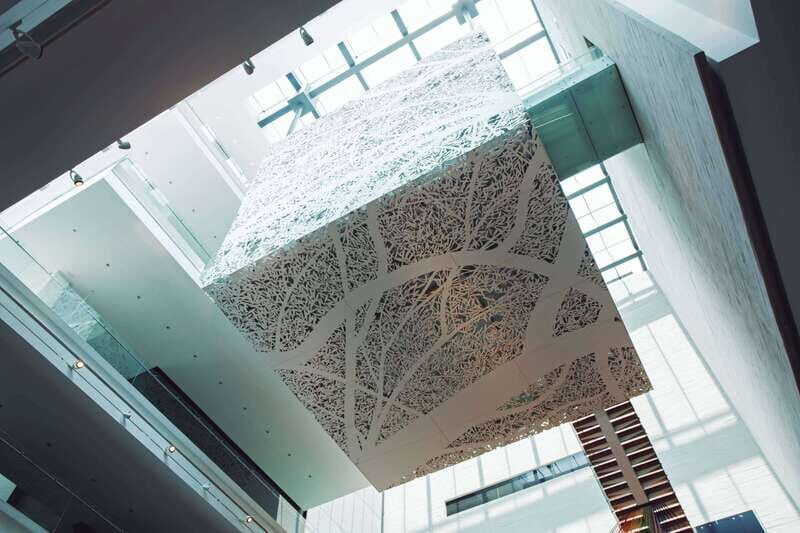
One of the standout names you’ll see again and again is sculptor Jan Hendrix. His works show up as Lost Potential and Cube, and they’re the kind of installations that reward close attention—materials, shape, and placement all do part of the storytelling.
You’ll also come across Lozano-Hemmer’s metronomes, which add a quiet rhythm to the experience. Even if you don’t know the art background, you’ll likely sense how time, repetition, and control echo the museum’s theme.
Other installations keep the message human and action-oriented:
- The Wings of Peace by Jorge Marin, which is sculptural and interactive in the way it invites participation
- YOU by Rivelino, also sculptural and interactive, designed to get you thinking about your place in the story
- Non-Violence Project by Carl Fredrik Reuterswärd, a sculpture tied to the idea that refusing violence matters
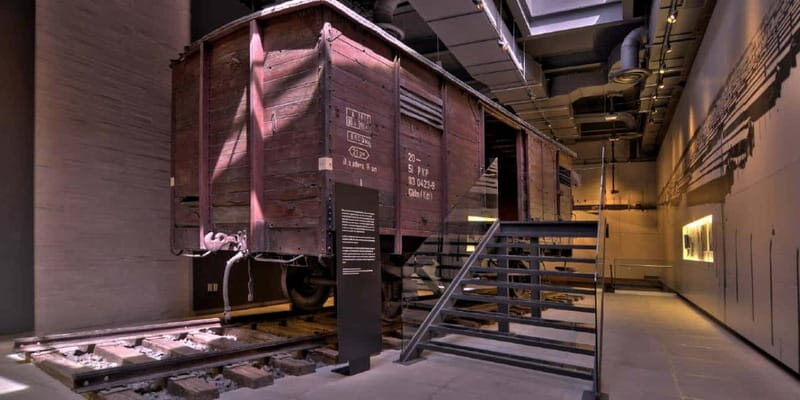
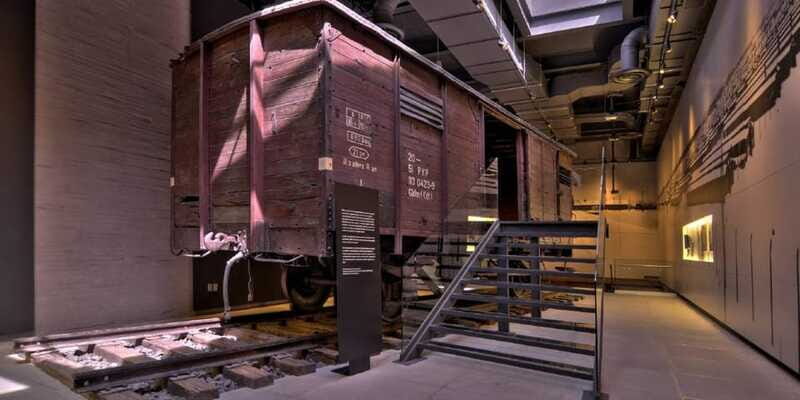
Then there are the objects that hit hardest because of their direct historical connection. You can see a train wagon used in World War II for the transfer of prisoners, and you can also visit a fragment of the Berlin Wall. Those aren’t just symbolic props; they anchor the museum’s message in physical reality.
If you only have energy for a few “key moments,” plan to spend extra time at these installations and historical objects. That’s where the museum’s theme becomes most tangible: memory, consequence, and the responsibility to prevent the next indifference.
You can also read our reviews of more city tours in Mexico City





Don’t skip the temporary exhibitions included with your ticket
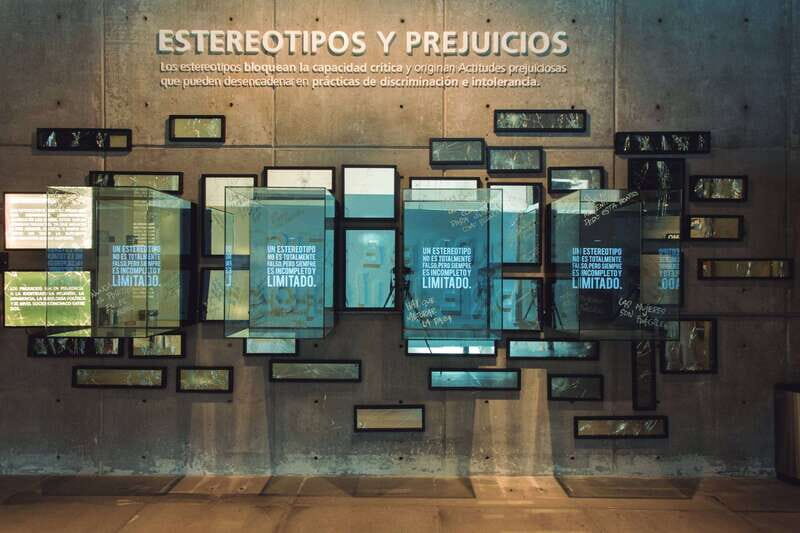
Your ticket includes a visit to temporary exhibitions, which means you’re not locked into one fixed storyline. That’s a real advantage if you’re visiting during a period when a themed exhibit is running, because it can add another angle to the museum’s larger mission.
Practically, it also means your one-day plan should have breathing room. If you cram every minute into the permanent exhibition, you may feel rushed when you reach the temporary spaces. I’d treat temporary exhibitions like dessert: not optional, but something you should save your best attention for rather than squeezing in at the end.
A realistic plan for your one-day visit (without rushing)
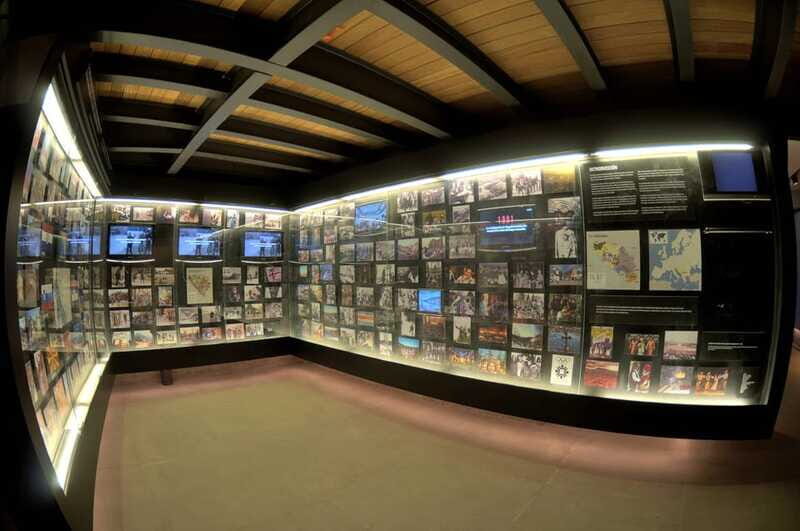
You’ve got one day, and you’re touring 43 rooms. That’s enough time to do a thoughtful visit, but not enough time to behave like you’re speed-running a library.
Here’s a pacing approach that works well for museums with heavy material:
- Use the first section as orientation. Let the audioguide set the tone and help you understand how the rooms connect.
- Pick a few installations to linger on—especially Jan Hendrix’s Lost Potential and Cube, plus YOU.
- Save your strongest emotional focus for the items with direct historical weight, like the WWII prisoner train wagon and the Berlin Wall fragment.
- Plan a short switch when you feel overwhelmed: move to a less intense room, then return with fresh attention.
Also remember: food and drinks aren’t allowed inside. That’s not just a rule—it affects comfort. If you want to stay fully present, stop for water and snacks before you go in, then treat the museum as a focused, caption-and-audio experience.
Who this experience fits best (and who should rethink it)
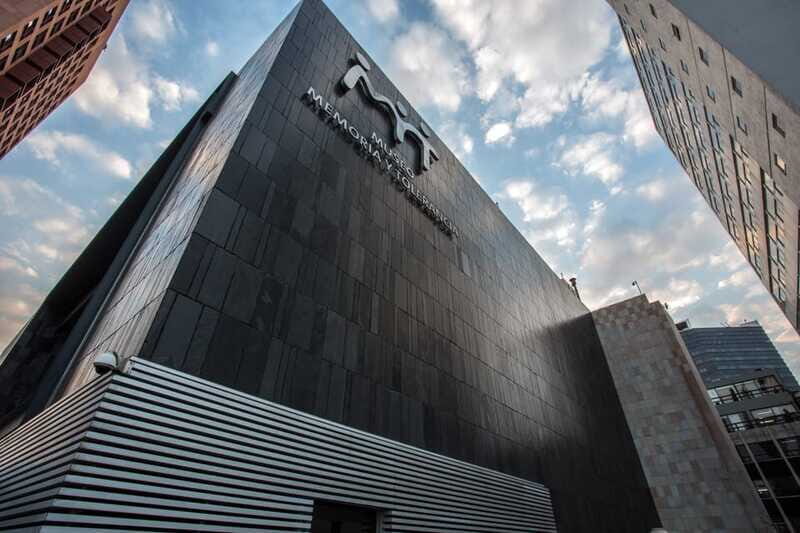
This is a museum about tolerance, human rights, and social action through historical memory. That makes it especially suitable for adults, older teens, educators, and anyone who likes museums that challenge you to connect the past to the present.
The museum’s permanent exhibitions are recommended for children older than 15. Children younger than 15 need to be accompanied by an adult, which is a big hint that the emotional weight here isn’t designed for younger kids. If you’re traveling with mixed ages, I’d build your day around what the younger person can handle, not what you wish they could.
On the plus side, the museum is wheelchair accessible, which matters for comfort and independence in a building with lots of rooms. If mobility is part of your planning, treat the visit as a longer “slow day” rather than a quick stop.
Should you book this ticket?
Book it if you want one of Mexico City’s most purposeful museum experiences: a full permanent exhibition across 43 rooms with 1,200+ artifacts and documents, plus temporary exhibitions, all for a reasonable price. I’d especially recommend it if you’re drawn to museums where art and history work together, and where the goal is behavior change—not just learning facts.
Skip it or reconsider timing if you’re looking for a light, breezy outing. This museum deals with genocide and crimes against humanity, and it’s designed to make you reflect. Also plan your day knowing you can’t bring food inside, and you’ll want time for the audioguide and the installations.
FAQ
How long does the visit last?
The ticket is valid for 1 day. Starting times can vary, so check availability for when you can enter.
What’s included in the ticket?
Your ticket includes entry to the museum, access to temporary exhibitions, and an audioguide available in Spanish and English.
Is the audioguide available in English?
Yes. The audioguide is available in both Spanish and English.
Are children allowed?
The permanent exhibitions are recommended for children older than 15. Children younger than 15 need to be accompanied by an adult.
Is food and drinks allowed inside?
No. Food and drinks are not allowed in the museum.
Where is the museum meeting point?
The museum is located at Plaza Juárez in downtown Mexico City, next to the Secretaria de Relaciones Exteriores, and in front of the Hemicycle to Juarez.