REVIEW · MEXICO CITY
Guadalupe Shrine Tour
Book on Viator →Operated by Amigo Tours · Bookable on Viator
Guadalupe is bigger than you think. This guided Guadalupe Shrine Tour turns a crowded pilgrimage site into a clear story, from the miracle traditions tied to Tepeyac Hill to what you’ll see inside Mexico City’s Basilica of Our Lady of Guadalupe. I especially like having prebooking built in, so you’re not scrambling for entry, and I like that the route includes both basilicas plus the art-focused museum behind the Old Basilica.
One consideration: the tour runs about 4 hours starting at 3:00 pm, so if you want extra exploring beyond the planned stops, the late-afternoon pace can feel a bit tight.
In This Review
- Key highlights worth knowing
- What this Guadalupe Shrine Tour really is: a pilgrimage campus with a story
- Price and what you’re actually paying for at $51
- Getting there from central CDMX: meeting point, pickup, and timing
- Stop inside the basilica complex: Basílica de Santa Maria de Guadalupe
- Basílica Antigua (1709): Spanish colonial with Moorish influence
- Basílica Nueva (1976): the circular design that shapes your view
- Tepeyac Hill walk: where the story begins on the ground
- The museum behind the Old Basilica: 4,000 pieces of 17th-century religious art
- Free time and mass: how to use the last part of your afternoon
- Comfort and group logistics: buses, crowds, and how guides shape the experience
- Is it worth it compared with DIY? My take
- Who should book this Guadalupe Shrine Tour, and who might skip
- Should you book this Guadalupe Shrine Tour?
Key highlights worth knowing
- A booked-in-advance entry plan so you spend less time figuring out logistics at a high-demand site
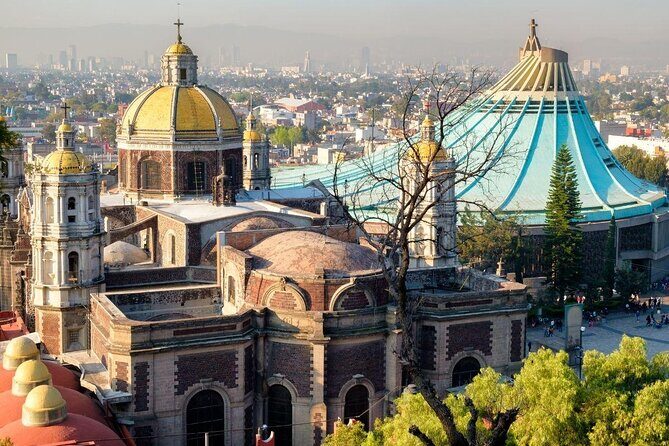
- Two basilicas with very different “inside views”: Old Basilica (1709) and New Basilica (1976)
- Tilma + devotional art context inside the Old Basilica, so the place makes more sense on arrival
- Tepeyac Hill included, with the key walking portion tied to the 1531 apparition tradition
- Museum visit behind the Old Basilica, including 17th-century religious art (4,000 pieces noted in the tour description)
- Small group size (max 20), and guides named in feedback like Ligia, Gabriel, Miriam, and Jocelyn who are praised for pacing and patience
What this Guadalupe Shrine Tour really is: a pilgrimage campus with a story
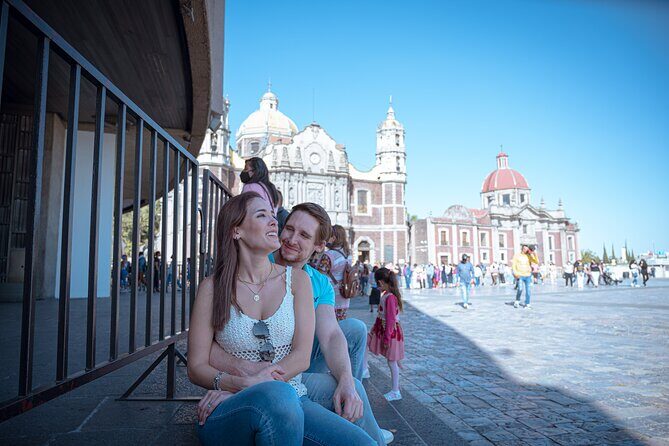
The Basilica of Our Lady of Guadalupe is not just one church building. It’s a whole pilgrimage campus—multiple chapels, major prayer spaces, and museums that explain what people have been seeing and believing for centuries. With a guide, the site stops feeling like a blur of stone and crowds and starts feeling like a map you can actually follow.
I like that the tour is built around a clear arc. You start in the basilica complex, you learn how the miracle tradition connects to Mexican culture, and then you physically go to Tepeyac Hill where the story begins. Even if you’re not deeply religious, you’ll still get why the Virgin of Guadalupe matters culturally in Mexico—because the site is designed for both faith and identity.
The small-group format (up to 20) also helps. At a place this popular, the biggest comfort is not “skipping the line,” it’s not getting separated, spending time guessing, or losing your bearings.
You can also read our reviews of more tours and experiences in Mexico City.


Price and what you’re actually paying for at $51
At $51 per person, this tour sits in the practical midrange for Mexico City. The value isn’t just the guide—it’s the combination of round-trip transportation, a structured route, and the fact that entry is prebooked for a high-demand attraction.
Here’s the math I’d do in your head:
- If you try to DIY this, you’ll likely spend time on transport planning and figuring out what to prioritize inside a huge complex.
- You’ll still need to understand what you’re looking at once you’re there (that’s where guides earn their keep).
- You’re paying to turn a confusing afternoon into a guided, timed experience that fits into a single day.
Also, the tour is offered in English, which matters at a site where you might otherwise be stuck reading signage and hoping you understand what you’re seeing. The tour description also notes mobile tickets and group discounts, which can help if you’re traveling with friends or family.
Getting there from central CDMX: meeting point, pickup, and timing
The meeting point is Hostal Amigo at Isabel La Católica 61-A in Centro Histórico. The tour starts at 3:00 pm and ends back at the same place. The location is near public transportation, which is useful if you’d rather not rely on a taxi or want an easy Plan B.
Hotel pickup is available only if you select the private option. If you do that, the operator asks you to provide your hotel name so they can coordinate pickup. This matters because one theme that shows up in feedback about the site is that timing and meeting-point navigation can be the difference between a calm afternoon and a stressful one.
A practical tip: plan to arrive early to the meeting area. Some people describe finding the exact start office as a little tricky, since it’s tied to a hostel address in the historic center. Give yourself 10–15 minutes extra, and you’ll start the day stress-free.
Stop inside the basilica complex: Basílica de Santa Maria de Guadalupe
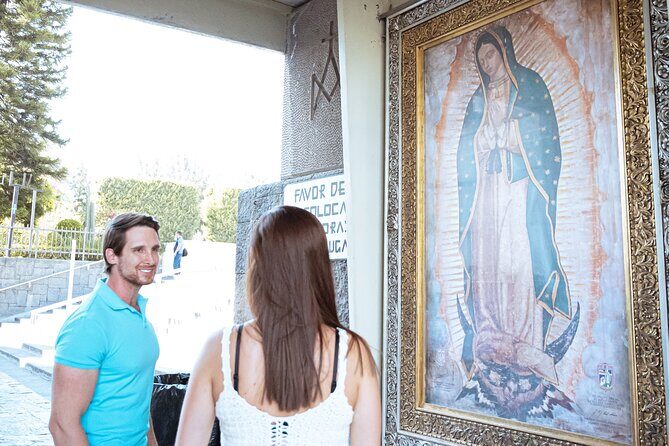
This is where the tour becomes real. The guide takes you into the Basilica of Our Lady of Guadalupe complex and helps you make sense of what you’re seeing. You’ll also learn the outline of the story people come to remember—the 1531 apparition tradition involving a peasant man on Tepeyac Hill and the miraculous imprinting on his tilma—and why the shrine became a major Catholic pilgrimage destination.
From there, you’ll split your focus between the Old Basilica and the New Basilica, which look and feel like different eras even though they’re part of the same devotional center.
Basílica Antigua (1709): Spanish colonial with Moorish influence
Your first big interior visit is Basílica Antigua, the Old Basilica built in 1709. The architecture here is the kind that makes you stop walking. Spanish colonial design with Moorish influence gives it a distinctive look, and it’s the kind of setting that makes devotional art feel closer to human scale.
Inside, you’ll see the centerpiece traditions tied to the miracle story, including the tilma along with devotional paintings. The guide’s job is to connect what you’re seeing with what it’s supposed to mean, including how the Virgin of Guadalupe has become both a religious and cultural symbol in Mexico.
One thing I appreciate about doing the Old Basilica first: it gives you context before the New Basilica changes your viewpoint. If you go in the reverse order, it’s easier to miss how each building supports a different way of praying and imagining the story.

Basílica Nueva (1976): the circular design that shapes your view
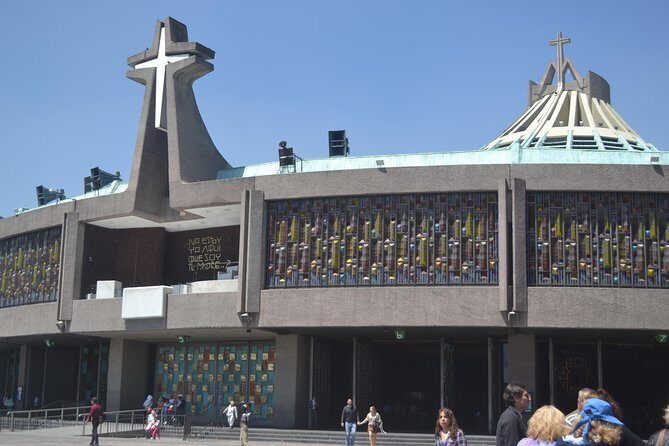
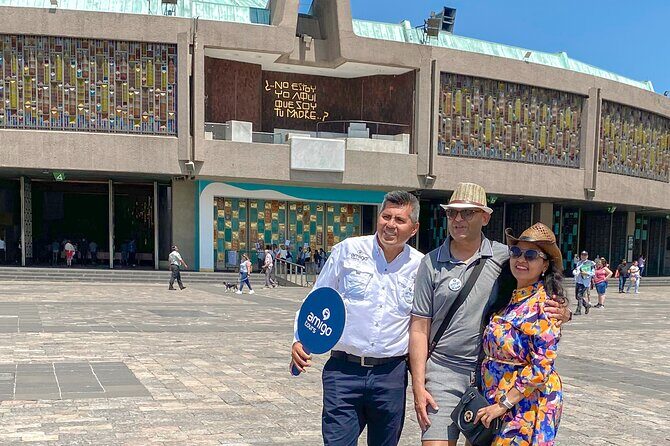
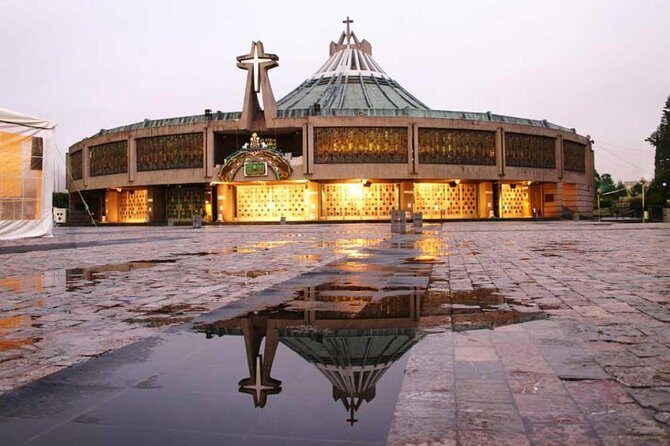
Next comes Basílica Nueva, completed in 1976. The design uses a circular floor plan, which is a clever way to solve a common problem in big churches: how do you keep the focal image visible and meaningful from many angles?
In this basilica, you get a view of the Virgin from basically wherever you’re standing inside. That shifts the experience from “tour photo spot” to “you are inside a worship flow.” The tour also points out pilgrims moving into the main aisle, and it helps you understand why this is a once-in-a-lifetime kind of pilgrimage for many people.
Feedback from past visitors also highlights that guides often don’t rush here. If you want time to look slowly, ask questions, and let the space sink in, this tour tends to support that pace—especially with guides praised for patience and thoughtful explanations (names like Ligia, Gabriel, Miriam, Jocelyn, and Anthony show up in feedback).
Tepeyac Hill walk: where the story begins on the ground
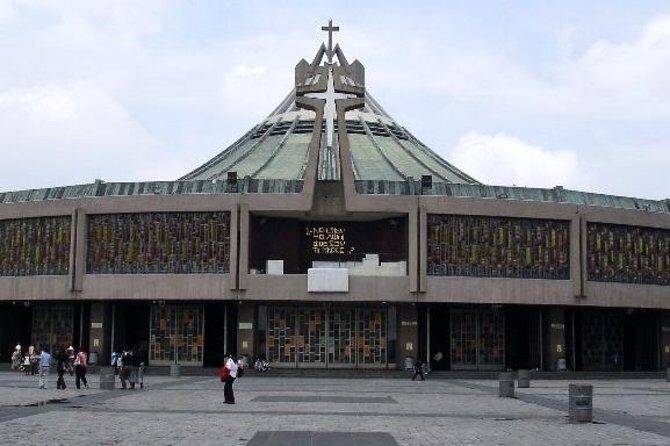
After the basilicas, you head up Tepeyac Hill. This is the part that turns the afternoon from “seeing” into “walking the same ground tied to the tradition.” The tour description frames it as where the miraculous events began, and even if you’re processing everything in a secular way, the hill gives you a sense of place.
The tour info says you should have moderate physical fitness. That typically means you should expect a climb, plus stairs. The good news is that the hill area is maintained for visitors, and the views help justify the effort.
If you’re bringing mobility needs—wheelchair users are mentioned in feedback where the guide helped find easier routes. Still, the safest move is to communicate your needs ahead of time and plan for slower pacing if required.
The museum behind the Old Basilica: 4,000 pieces of 17th-century religious art
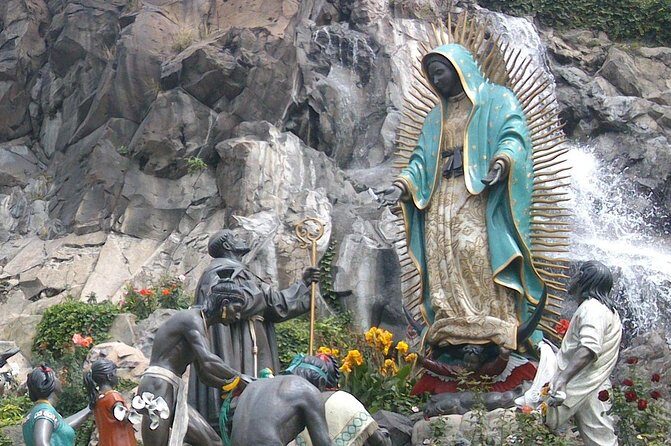
One of the smartest “extra value” pieces here is the museum behind the Old Basilica. Instead of leaving you with only modern devotional experience, the tour includes a museum with 17th-century religious art and notes 4,000 pieces.
This is where you start to see how the image traditions traveled, got copied, got interpreted, and became part of religious life and visual culture. It also helps explain why the shrine isn’t just a single moment in time—it’s a continuing conversation people have carried for generations.
A detail to watch: the tour listing marks the admission ticket as free for this stop. If that holds for your exact booking, you’ll get the museum context without an extra fee.
Free time and mass: how to use the last part of your afternoon
The tour wraps with free time to attend mass or stroll around the area on your own. This is a nice feature because it lets the shrine be more than a guided lecture. If you want prayer time, you have it. If you want to slow down and take in details, you can.
Just be realistic about timing. Because the tour starts at 3:00 pm and runs around 4 hours, you’ll want to plan your own expectations for extra exploring. One visitor noted that buildings can close around late afternoon, which is exactly why I’d treat the guided stops as the priority and keep any extra add-ons light.
If you’re hoping to attend a specific service, check in with the guide during the day if you can, and aim to arrive at the free-time window without rushing.
Comfort and group logistics: buses, crowds, and how guides shape the experience
The tour includes round-trip transportation, and group size is capped at 20 travelers. That cap matters at the shrine. The place gets crowded, and a guided pace prevents you from getting stuck in random lines or losing the thread of what you’re supposed to see next.
Feedback also points to comfortable vehicles and guides who adjust pacing. Names such as Herson, Ligia, Gabriel, and Miriam appear in feedback with praise for being friendly and not rushing. There’s also at least one example in the feedback where a late start created stress, and another where a cancellation happened. Those aren’t guaranteed outcomes, but they’re a reminder to keep your day flexible and to double-check any updates the day of your tour.
Practical note: at a place like this, patience is part of the ticket price. If you come in expecting a quiet museum visit, you might feel annoyed. If you come in expecting a living pilgrimage center, you’ll enjoy the experience more.
Is it worth it compared with DIY? My take
If you’re a first-timer in Mexico City and you want the Guadalupe Shrine as a real anchor stop, I think this tour is a strong value. For $51, you’re buying:
- A guided explanation of what you’re seeing
- Transportation that gets you out of the city hassle
- A structured sequence that hits both basilicas, Tepeyac Hill, and the museum
DIY can work if you’re confident navigating public transit, comfortable reading on-site info, and you don’t mind spending extra time figuring out routes and priorities. But if you’d rather have someone coordinate the afternoon and give you context you might otherwise miss, the guided format is the easier choice.
Also, the fact that this attraction draws huge numbers (the tour description notes over 20 million annual visitors) means crowd management is not a small detail. Prebooking and a guide’s flow help you spend more of your time looking at the miracle traditions and less of your time handling logistics.
Who should book this Guadalupe Shrine Tour, and who might skip
Book it if:
- You want an organized 4-hour visit that hits the core basilica sights plus Tepeyac Hill
- You care about understanding what the tilma display and devotional art mean in Mexican culture
- You’d benefit from English interpretation and a guide who explains without rushing
- You prefer group transportation over figuring out how to get there and back
You might consider skipping or doing a different style of visit if:
- You’re hoping for long, self-directed exploration beyond the main stops, because the late start (3:00 pm) can limit extra wandering
- You want a quieter experience, since the complex is highly visited and prayer moments naturally draw crowds
Should you book this Guadalupe Shrine Tour?
I’d book it if Guadalupe is on your Mexico City must-do list and you want the visit to feel clear, guided, and culturally grounded. The mix of Old Basilica, New Basilica, Tepeyac Hill, and the museum gives you more than the postcard view, and the price feels fair for a guided, prebooked, transportation-included experience.
If your schedule allows it, I’d plan your day so you’re not racing dinner reservations afterward. And if you have mobility needs, message the operator in advance and be ready to move at a careful pace on the hill.