REVIEW · MAZATLAN
Mazatlan Observatorio 1873 Ticket and Pass
Book on Viator →Operated by Observatorio 1873 · Bookable on Viator
One ticket, two Mazatlán worlds. Observatorio 1873 is an easy, family-friendly way to see the city from above, learn local culture, and mix in hands-on wildlife moments, and then you roll right into MUNBA, Mazatlán’s National Whale Museum. The big draw is 360-degree sky bar views from Cerro del Vigía and a day plan that feels more like a guided stroll through highlights than a checklist.
I especially like the way Observatorio 1873 packages variety into one ticket: a short film about Sinaloa, a funicular ride with big look-out views, and a museum explanation tied to the Revolution era. I also love the animal-focused stops, including an iguana area and a bird sanctuary with more than 13 species, which makes the whole visit feel alive.
One thing to plan around: this experience needs good weather. If conditions are poor, it may be canceled and you’ll be offered a different date or a refund, so bring a flexible mindset.
In This Review
- Key highlights at a glance
- First stop: getting your bearings at Observatorio 1873
- Funicular views that make the ticket feel worth it
- The Revolution-era museum and Sinaloa film story stops
- Iguanas, rescued birds, and the care-focused side of the park
- Cacao ceremony and agaves: local flavors without the tourist trap
- Sky Bar 360: where the city view meets a snack and a drink
- MUNBA whale museum: dolphin VR and hands-on learning
- The Talassa journey, whale songs, and the Sea Urchin Room
- Skeleton hall energy: family fun plus serious collections
- Timing and practical tips for a smooth 2–3 hour day
- Price and value: what $26.87 buys you in real terms
- Who this tour fits best (and who should consider skipping)
- Should you book Observatorio 1873 and MUNBA?
- FAQ
- How long is the Observatorio 1873 and MUNBA experience?
- Is this tour offered in English?
- What’s included with the ticket?
- Are snacks included?
- Where do I meet for ticket redemption?
- What are the operating hours?
- Is good weather required?
- What’s the cancellation policy?
- Is it suitable for kids and families?
Key highlights at a glance
- Funicular ride up to one of Mazatlán’s best viewpoints
- Bird sanctuary with 13+ species plus rescued animals
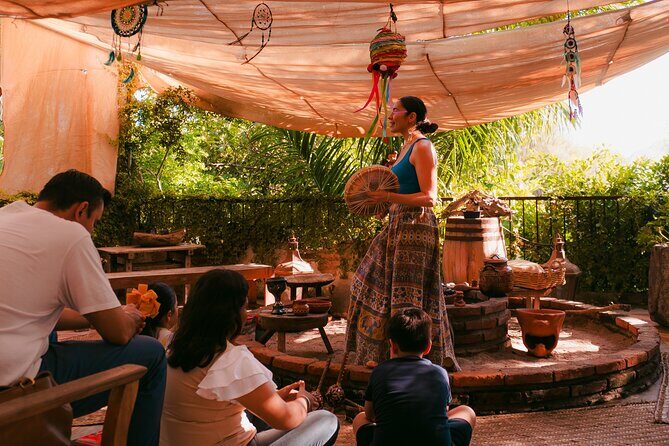
- Cacao ceremony experience in an ancestral meeting center area
- Sky Bar 360 for food and drinks with a panoramic feel
- MUNBA whale museum with dolphin VR and interactive phone activities
- Hands-on learning for families, including games for kids
First stop: getting your bearings at Observatorio 1873
I like this plan because it starts with a place that does a lot for you. Observatorio 1873 is a tourist park designed to compress Mazatlán’s big themes—views, nature, and local culture—into a few hours without feeling rushed.
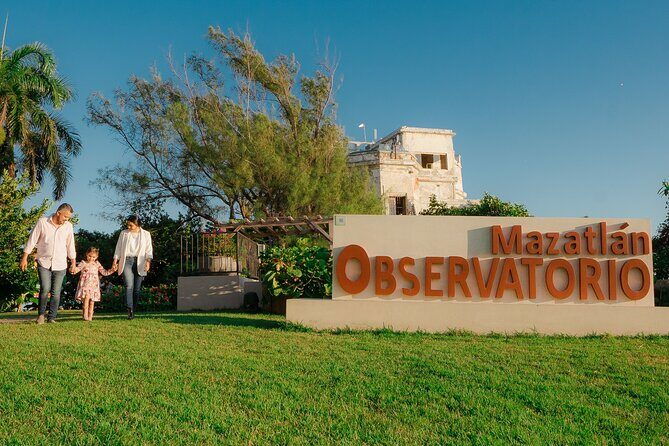
You meet at the Tirolesa area on P.º del Centenario 142 at Cerro del Vigía. That’s a helpful detail because it puts you right where the action is: this is hillside territory, and the park is built for moving between viewpoint areas, animal exhibits, and indoor spots without making you feel lost.
The tour runs about 2 to 3 hours, which is perfect if you’re trying to see something meaningful but don’t want to lock up your whole day. Plus, it’s offered in English, so you can follow the story beats without guessing.
A few more Mazatlan tours and experiences worth a look

Funicular views that make the ticket feel worth it
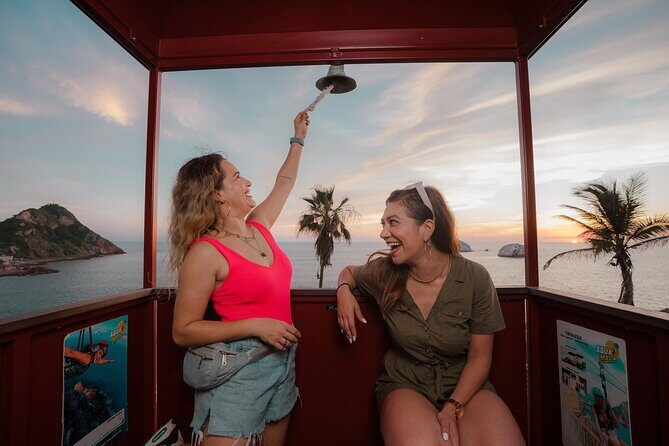
The funicular ride is the first “wow” moment for most people, and for good reason. You’re not just walking up to a view—you’re transported, and that changes how you experience the viewpoint areas. Expect the scenery to be the main event here, with the park positioned to give you dramatic angles over Mazatlán.
Observatorio 1873 also leans into guided context, so the view doesn’t feel random. You get explanations that help you understand what you’re seeing and why the place matters locally, and that makes it more satisfying than simply taking photos and moving on.
If you’re the type who likes to time photo breaks, aim to slow down at the viewpoint stops rather than rushing from one exhibit to the next. The park is designed to reward lingering, especially around the sky-bar-style zones where the city view expands.
The Revolution-era museum and Sinaloa film story stops
One of the smartest parts of this outing is that it mixes culture into the park flow. A short Sinaloa film sets the mood first, which is nice if you want a grounding start before you wander through exhibits.
Then you move into a museum explanation tied to the Revolution era. Even if you’re not a history fanatic, I think this works because it’s presented as part of the park experience, not as a long, lecture-style visit. You’ll get just enough background to connect the dots between place, people, and how Mazatlán tells its story.
Practical tip: if you’re traveling with kids, this cultural portion can actually help them stay engaged. It gives a clear “what are we learning now” moment between the more active nature stops.
Iguanas, rescued birds, and the care-focused side of the park
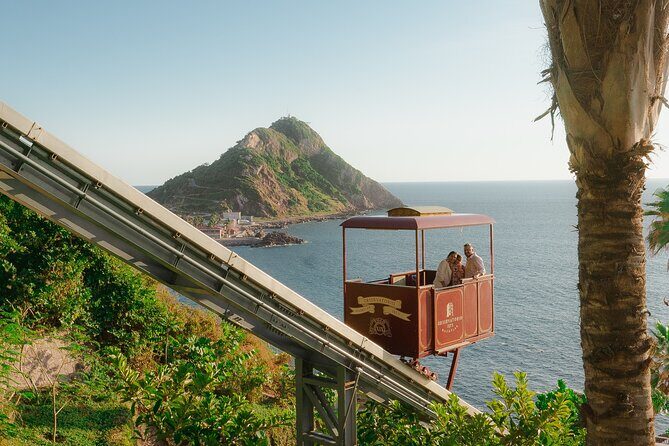
The animal areas are a major reason I’d put Observatorio 1873 on a “must” list for families. You’ll encounter an iguana component, which tends to be a natural attention magnet for kids and for the kid-in-you adult who can’t resist spotting one more creature.
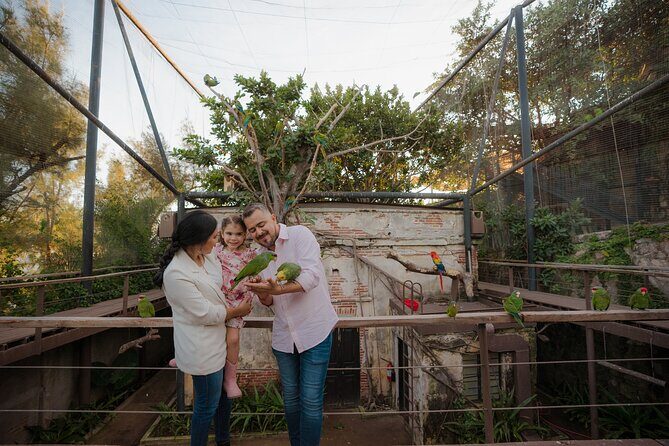
Then there’s the bird sanctuary with 13+ species. This is where you’ll feel the park’s care mindset. It’s not framed like a zoo quick-stop; it’s presented as a sanctuary space for rescued birds. That detail matters, because it changes the tone from entertainment to education and responsibility.
If you’re sensitive to how animals are portrayed, keep an eye out for signage and explanations during these sections. The best part is that it’s built right into the route, so you’re not hauling yourself across town for one small exhibit.
Cacao ceremony and agaves: local flavors without the tourist trap
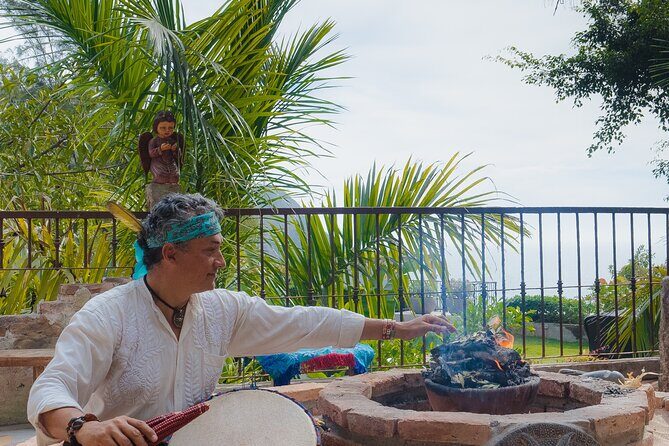
I like that Observatorio 1873 doesn’t rely only on views and animals. There’s also a ceremony of cacao experience in an ancestral meeting center area. It’s the kind of stop that turns your visit into more than pictures—especially if you pay attention to the cues during the presentation.
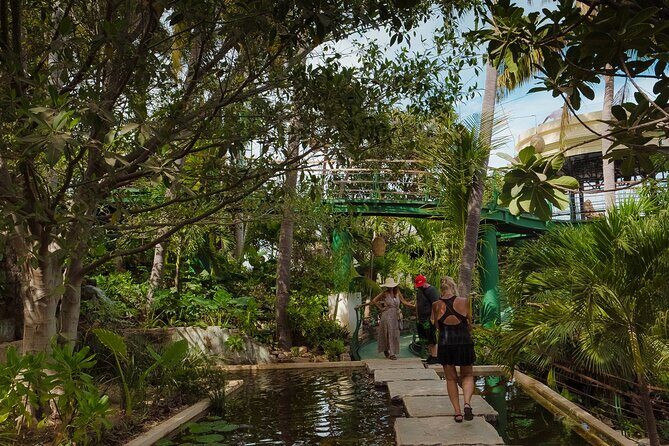
You’ll also find a garden of agaves, which fits the region and connects nicely to the broader Sinaloa theme. This is a good moment for travelers who want something “Mazatlán-specific” rather than just generic sightseeing.
Bring a curious attitude and you’ll get more out of these sections. The park is built so cultural stops feel woven into the same walk as the viewpoints and wildlife.






Sky Bar 360: where the city view meets a snack and a drink
At Observatorio 1873, the Sky Bar 360 area is the place to reset. It’s where the park’s panoramic idea becomes real—360-degree style viewing plus the option to buy gastronomy and drinks.
This is also where I recommend slowing down. If you’re traveling with anyone who gets tired walking, this is your natural break point. And if you like combining views with a casual meal, it’s convenient because you don’t have to leave the park to do it.
One heads-up: snacks aren’t included in the ticket. So if you want something to munch while you enjoy the view, plan to buy it on-site.
MUNBA whale museum: dolphin VR and hands-on learning
After Observatorio, you’ll shift to MUNBA, the Museo Nacional de la Ballena (National Whale Museum). This is a smart pairing because it flips from land-based nature to ocean life, all without changing your travel day rhythm.
MUNBA gives you a guided learning feel through immersive exhibits. You’ll experience dolphins through virtual reality, and then you’ll cover marine challenges and key ideas about how these animals live and what they face.
What I like here is the variety of formats. If you’ve got kids, the interactive elements can keep them moving and involved. If you’re more of an adult museum person, you still get deeper study moments.
The Talassa journey, whale songs, and the Sea Urchin Room
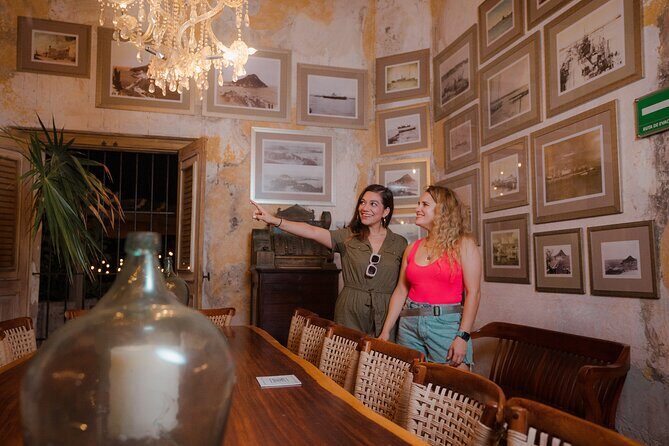
MUNBA doesn’t just show animals—it teaches you how to look. You’ll learn dolphin anatomy, plus there’s a whale journey called Talassa that helps connect the story in a way that feels less like isolated facts and more like a through-line.
You’ll also encounter the Sea Urchin Room, which adds texture to the marine-life focus. And there are sound moments too, including whale songs played during the experience. That combination of visuals and audio can make the museum feel more memorable than a typical exhibit layout.
One extra practical detail: you’ll use your phone to animate marine species. That means you’ll want a phone with battery power and the willingness to interact. If your phone battery is usually low, bring a small power plan just to be safe.
Skeleton hall energy: family fun plus serious collections
Kids get interactive games, which makes this museum work for mixed ages. Adults also have something to sink into: Latin America’s second-largest osteological collection, including rare whale and dolphin skeletons.
That blend is why this is more than a kid museum. You can watch the VR portion, then switch gears to the anatomical side when you’re ready. There’s also a café where you can relax afterward, and the museum supports marine conservation efforts after your visit.
MUNBA is scheduled for about 1 hour, so treat it like a focused museum stop. You’ll get enough time to enjoy the main exhibits, but you won’t have a whole half-day to wander endlessly—so prioritize what catches your eye first.
Timing and practical tips for a smooth 2–3 hour day
Your visit is scheduled with park hours from 10:00 AM to 6:00 PM, Tuesday through Sunday. Plan to arrive a few minutes early for the meeting point at Tirolesa so you’re not stress-scanning directions.
Wear comfortable shoes. Cerro del Vigía is a hillside setting, and a park built around viewpoints usually means ramps, stairs, and uneven walking paths. If you get warm easily, use breathable layers because you’ll be in sun and shade across outdoor areas.
Bring sun protection. Between the lookout spots and open-air exhibits, you’ll want sunscreen and a hat. Also, keep your phone charged because MUNBA uses it for animations.
Finally, check the sky. Since this experience requires good weather, you’ll enjoy it more when you’re not guessing whether you’ll lose outdoor viewpoint time. If the plan shifts due to weather, it’s still likely to be rescheduled with similar content.
Price and value: what $26.87 buys you in real terms
At $26.87 per person, this ticket-to-visit combo is priced like a value option for Mazatlán. You’re paying for access to all areas of Observatorio 1873, plus MUNBA admission is free and included as part of the stop.
The reason that matters is time. Instead of buying separate tickets and building transportation between two different destinations, you get one guided flow that keeps the day tight and logical. The park portion hits multiple interests—views, birds, iguanas, cacao, agaves—then the museum adds ocean-focused learning with VR and interactive phone moments.
It’s not just cheap for the sake of cheap. It’s a low-cost way to sample both land and sea highlights while still getting curated context.
Who this tour fits best (and who should consider skipping)
This works especially well for:
- Families looking for a “one-stop” day
- Travelers who want views plus animals plus a real museum stop
- People who like a guided rhythm rather than self-directed wandering
- Anyone curious about local culture through cacao and agave connections
You might want to rethink it if you prefer long, unhurried museum time or if you’re hoping for a lot of free time to roam on your own. The whole plan is built to run in roughly 2–3 hours, and MUNBA alone is about 1 hour, so it’s not designed as an all-day deep dive.
Should you book Observatorio 1873 and MUNBA?
Book it if you want a well-paced Mazatlán experience that covers viewpoints, nature, and marine life in one outing. The ticket gives you access to the park’s full variety—funicular views, bird sanctuary with 13+ species, iguanas, cacao, agaves, and the Sky Bar 360 area—then it hands you MUNBA’s dolphin VR, phone animations, whale songs, and the skeleton collection in a tight 1-hour museum window.
Skip or wait if weather reliability is hard for your dates or if you need a slower schedule. Since good weather is required and you’re on a viewpoint-driven hillside setting, it’s a better bet when your forecast looks friendly.
FAQ
How long is the Observatorio 1873 and MUNBA experience?
The total experience is about 2 to 3 hours. MUNBA is a separate stop with a scheduled duration of about 1 hour.
Is this tour offered in English?
Yes. The experience is offered in English.
What’s included with the ticket?
Your ticket includes access to all areas of the park at Observatorio 1873, and it includes admission to the National Whale Museum (MUNBA).
Are snacks included?
No. Snacks aren’t included.
Where do I meet for ticket redemption?
You’ll redeem your ticket at Tirolesa, P.º del Centenario 142, Cerro del Vigía, 82040 Mazatlán, Sin., Mexico.
What are the operating hours?
The experience runs Tuesday through Sunday from 10:00 AM to 6:00 PM.
Is good weather required?
Yes. The experience requires good weather, and if it’s canceled due to poor weather, you’ll be offered a different date or a full refund.
What’s the cancellation policy?
Free cancellation is available. You can cancel up to 24 hours in advance for a full refund.
Is it suitable for kids and families?
Yes. The Observatorio portion is described as ideal for all the family, and MUNBA includes interactive games for kids.
If you want, tell me your travel month and whether you’re going with kids or adults-only, and I’ll suggest the best time of day to aim for views and comfort.