REVIEW · LA PAZ
Gray Whale Watching Tour with Marine Biologist and Small Group
Book on Viator →Operated by Freefall Academy · Bookable on Viator
Gray whales feel huge even when you’re not close enough to touch. This La Paz tour gives you a small-group cruise (max 6) with a marine biologist and 3 hours on the water, and it’s run with an eco mindset that doesn’t pressure the whales to approach. One thing to plan for: the day includes a long drive to Puerto Chale.
I love that you get more time with the animals than the usual 60 to 90 minute boat tours, plus round-trip transport and a real sit-down-style fresh seafood lunch after you return to shore. The biggest potential drawback is timing: it’s a full-day outing (about 8 hours total), and the whales are wild, so sightings depend on conditions.
In This Review
- Key Highlights Worth Knowing
- Gray Whale Migration: What You’re Really Going to See
- Small-Group Cruise (Up to 6): Why It Feels Different
- The Puerto Chale Drive: The Part You Can’t Skip
- On Board with a Marine Biologist: Learning Without the Lecture Mood
- Three Hours on the Water: When to Expect Action
- Eco-Conscious Viewing: Close Encounters Happen, But Not by Force
- Lunch in Puerto Chale: Seafood, Local Ingredients, Real Break
- What to Pack: Sun, Wind, Cold, and a Long Day
- Price and Value: Why This $376.34 Can Make Sense
- Who This Tour Is For (and Who Might Want a Different Day)
- Quick Notes Before You Go: Checkpoints and Documents
- Should You Book This Gray Whale Watching Tour?
- FAQ
- How long is the gray whale watching experience?
- How many people are on the tour?
- Is pickup from La Paz included?
- Do you get a marine biologist guide?
- What’s included for meals?
- What should I bring for the day?
- Do I need a passport?
Key Highlights Worth Knowing
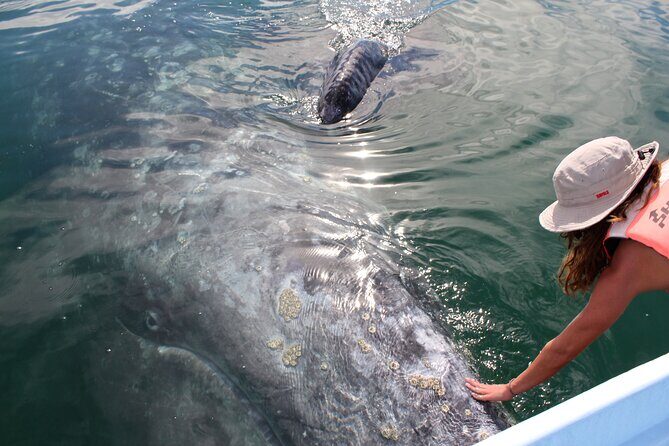
- Max 6 people on the boat for a calmer, easier viewing experience.
- Three hours on the water, which gives you more chances to catch spouts, spy-hops, and quick surprises.
- Marine biologist guide who explains gray whale behavior and conservation.
- Eco-conscious rules that avoid forcing interactions with the whales.
- Local seafood lunch in Puerto Chale, prepared with local, fresh ingredients.
Gray Whale Migration: What You’re Really Going to See
Gray whales migrate along Baja’s Pacific side, and winter is prime time. Your outing is built around that migration—roughly 3,000 whales moving through the lagoons in the season when the operator runs this trip (mid-January through late March).
What you’ll focus on isn’t just spotting whales. It’s behavior. Gray whales can be seen spouting, cruising, and showing more active surface behavior when conditions line up. If you’re into photography, you also want time for repeated looks—one burst of activity might happen early, and then you wait, reposition, and watch again.
I also like that the tour is clear about respectful viewing. The goal isn’t to manufacture close encounters. It’s to observe them as they choose to surface and move through the area.
You can also read our reviews of more whale watching tours in La Paz
Small-Group Cruise (Up to 6): Why It Feels Different
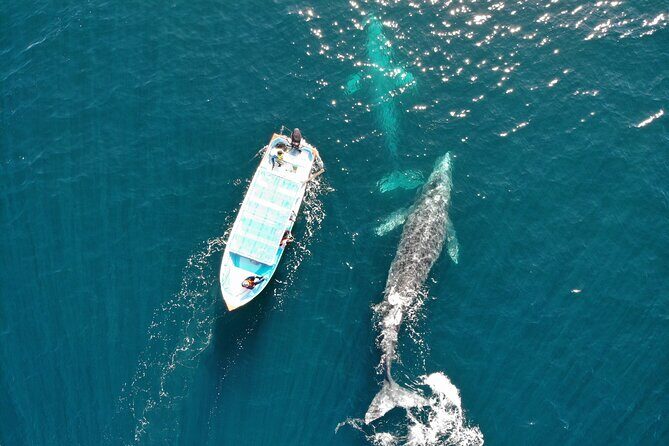
Most whale watching days feel like a crowded bus with flotation devices. This one is capped at six travelers, and that changes the whole rhythm.
With a small group, you usually get:
- More space to stand or sit for photos
- Less noise and less bumping around when whales surface
- A better chance to hear the marine biologist’s explanations without shouting over everyone
It’s also easier for the guide to watch the whole group’s needs—where everyone’s positioned, how you’re looking, and when it makes sense to adjust the boat.
The other quiet perk: when you’re not packed in, you’re less likely to miss something small. Gray whale behavior can be quick. A spout, a sudden turn, or a brief spy-hop can happen fast, and you want your attention ready.
The Puerto Chale Drive: The Part You Can’t Skip
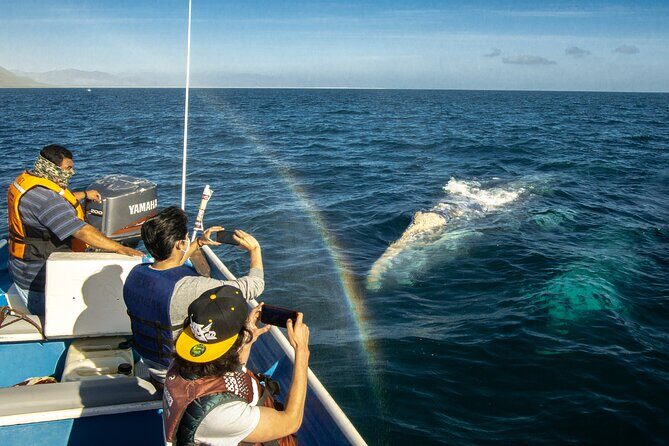
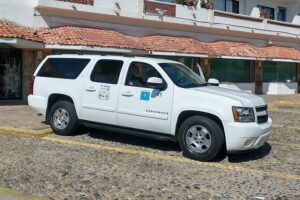
From La Paz, you’re looking at about 2 hours and 15 minutes of driving to Puerto Chale one way. Yes, it’s a commitment. But it matters because the viewing area is far enough from the city that you’re not just doing a quick coastal hop.
For your comfort, treat it like a day trip with purpose:
- Bring water and something simple to snack on if you get hungry before the boat
- Dress for temperature swings, since you’re heading out into coastal air that can feel colder and windier
If you’re prone to motion sickness, this is the part to manage. The tour includes transport both ways, but you still feel the road.
And remember: there’s no guarantee of whale behavior. But longer travel time tends to mean you’re getting to the right place at the right season, which is the foundation for a good day.
On Board with a Marine Biologist: Learning Without the Lecture Mood
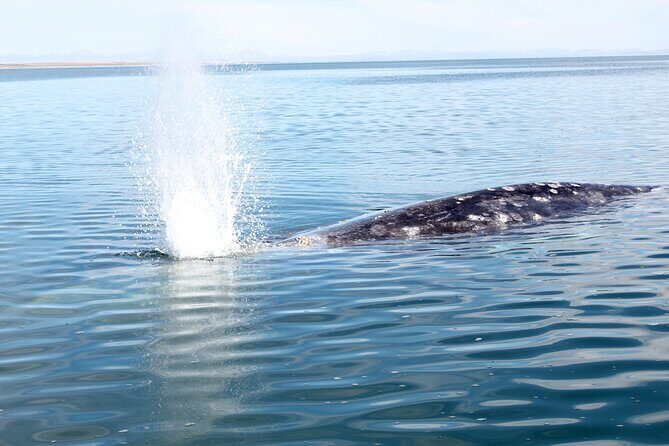
This tour includes a marine biologist guide who shares what matters about gray whales—biology and conservation—while you’re out on the water. The best part of having a specialist is that your viewing becomes more than a checklist.
Instead of only thinking I see a whale, you start noticing:
- How whales use the surface
- Patterns in what they’re doing (cruising versus more active surface behavior)
- Why conserving habitat and reducing disturbance is the real win
A lot of the value is also the tone. The tour is designed to avoid forcing the whales to interact. You’re there to watch their decisions, not to create a performance for your camera.
If you’re curious about who you might meet, you may see names like Valentina mentioned in guide reviews, and some groups also talk warmly about the captain and crew, including Captain Mike and Karla. Since staffing can vary by date, treat names as a hint of the kind of team you’ll likely encounter, not a guarantee.
Three Hours on the Water: When to Expect Action
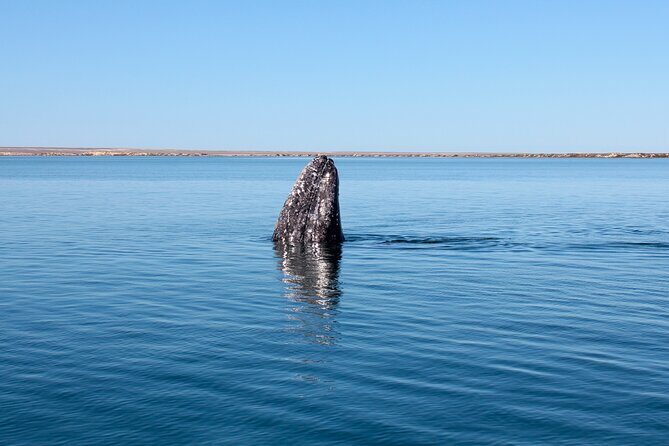
The biggest operational difference here is the time. You’ll spend about 3 hours on board. Many whale tours rush through viewing in one to two hours, which can feel like you spent half the time just getting to the good spot.
More time helps because whale behavior isn’t constant. You might get:
- Spouts and quick surface events early in the cruise
- Longer stretches where you’re scanning, then suddenly a bunch of whales appear together
- Moments later in the trip when activity ramps up again
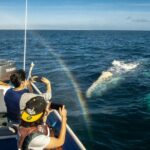
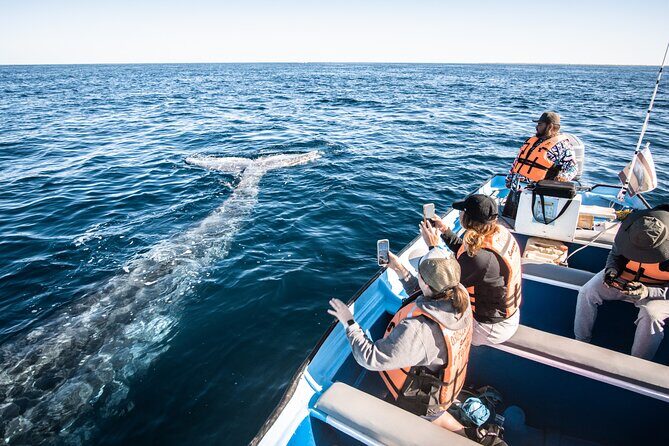
In the feedback tied to this experience, people specifically mention being surrounded by gray whales for long stretches and seeing behaviors like spouting and cruising, plus more dramatic events like spy-hopping and even breaching at certain points of the season.
Two practical tips for your viewing time:
- Keep your phone or camera ready, but also look with your eyes first. A good surface event can happen before you’ve even framed the shot.
- When the guide calls attention to a pattern, pay attention to where the boat is moving. The boat’s positioning affects your sight lines.
Also: if you’re hoping for a close encounter, manage expectations. This is still a wild-animal experience. Respectful distance rules are part of how the tour protects the whales.
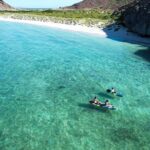

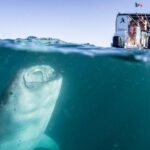
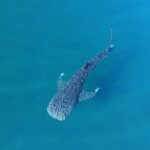
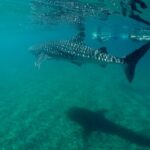
Eco-Conscious Viewing: Close Encounters Happen, But Not by Force
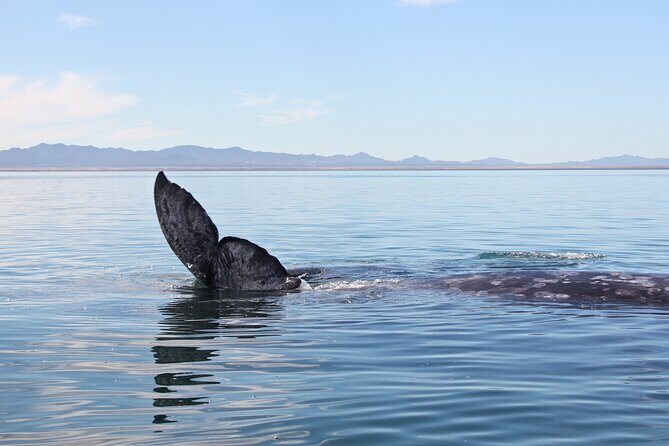
The tour is built around a simple idea: whales should not be forced to interact. That matters for two reasons.
First, it’s the ethical part. Whale watching shouldn’t turn into a chase scene. If the whales feel pressured, everyone loses—whales change behavior, and your viewing gets worse fast.
Second, it tends to produce better wildlife viewing long-term. When you’re not pushing the interaction, the whales keep doing what whales do. You’re more likely to see natural behaviors, not just stressed surface time.
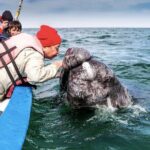
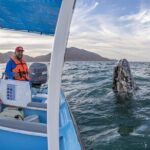
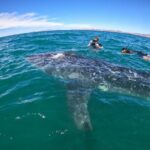
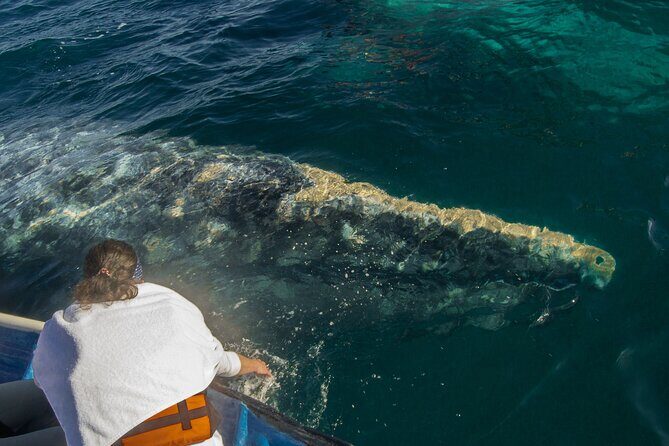
In some groups’ experiences, whales have come close enough for remarkable moments, even described as touch-distance encounters. But the consistent message is that the operator doesn’t create those moments by forcing it. You’re positioned to watch, and if whales choose to approach, you’re ready.
Lunch in Puerto Chale: Seafood, Local Ingredients, Real Break
After the cruise, you return to shore and take time for lunch. The tour includes a seafood feast made by the captain’s wife, using 100% local and fresh ingredients.
That’s a big deal because many tours feed you something that tastes like it survived two buses and a cooler. Here, the lunch is part of the Puerto Chale experience, not an afterthought.
Practically, this lunch also helps you reset for the ride back. You’re spending hours outside in sun, wind, and cool temperatures. Even if you didn’t get a full lunch appetite on the boat, you’ll likely want the calories and salt after.
One small planning note: bring layers. If you’re wearing a windbreaker on the boat, you’ll be glad to have it later, too. Even a good lunch doesn’t make you warmer if you’re soaked with wind chill.
What to Pack: Sun, Wind, Cold, and a Long Day
The operator’s packing advice is right on target: protect yourself for sun, wind, and cold. You’ll be out on the water, and coastal wind can slice through clothing quickly.
Bring:
- Hat and sunglasses
- Sunscreen
- Long-sleeve layers
- Sweater or warmer layer
- Windbreaker
- Closed shoes and socks
Even in winter, the sun on open water can be intense. And even if you’re warm at pickup, the boat ride and the breeze can flip the temperature feeling fast.
If you wear motion sickness meds, consider taking them before the long drive. The provided details don’t mention meds, but the length of the road trip is real, and it’s the part you can prepare for.
Price and Value: Why This $376.34 Can Make Sense
At $376.34 per person, this isn’t a bargain ticket. But when you look at what’s included, it reads more like a premium wildlife day than a discount excursion.
What you’re paying for:
- Round-trip transportation from La Paz
- A marine biologist guide
- A full 3-hour boat and captain time
- Lunch and snacks
- Beverages
- A true small-group cap at six people
So you’re not just buying boat time. You’re buying more time with whales, more instruction, and less crowding.
Also, the drive time and seasonal scheduling suggest the operator is aiming at the best odds for the season rather than selling a quick coastal cruise. If you’ve done whale tours where the boat time feels short, the longer schedule and bigger “windows” for whale behavior are often where the value shows up.
If you’re traveling solo, the price can sting. But if you’re comparing like-for-like—small groups, guide included, real lunch—the total picture starts to look more fair.
Who This Tour Is For (and Who Might Want a Different Day)
This experience fits best if you:
- Want a quieter, smaller group whale cruise
- Care about learning something about gray whales and conservation
- Appreciate a longer boat session so you can wait for behavior, not just pass through
- Prefer eco-conscious viewing over anything that tries to force interactions
You might consider a different style of tour if you:
- Hate long drive days and want short outings only
- Get cold easily and don’t like dressing in layers (you can manage this with the right gear, but the wind is real)
- Are looking for a guaranteed, scripted close-up show (this is still nature)
The day is also in English, which helps a lot for international travelers.
Quick Notes Before You Go: Checkpoints and Documents
One practical heads-up: there can be checkpoint stops on the route, and passports were requested in one group’s experience. Bring your passport even if you think it might not be needed. It’s one of those boring things that can save your trip.
Also confirm your pickup details. The tour asks you to message the operator via Viator or WhatsApp/text at +52 612 143 3959 or email [email protected] so they can coordinate your exact pickup time and location with the rest of the group.
Should You Book This Gray Whale Watching Tour?
Yes, if your top goal is a longer, calmer whale watching day with expert interpretation and less crowd chaos. The combination of small-group cruising, three full hours on the water, and an included seafood lunch turns it into a real day trip rather than a quick outing.
Book with confidence if you want respectful, eco-conscious viewing and you’re prepared for a long drive and changeable sea-breeze weather.
Skip it or consider another option if you’re only interested in a short boat ride, or if a full-day schedule doesn’t fit your energy level. And regardless of your plan, keep one expectation clear: whales are wild. Your best move is to dress for the elements, keep your eyes open, and let the day unfold.
FAQ
How long is the gray whale watching experience?
The tour runs about 8 hours total, including transportation. You’ll spend about 3 hours on the boat.
How many people are on the tour?
This activity is limited to a maximum of 6 travelers.
Is pickup from La Paz included?
Yes. Round-trip transportation from La Paz is included, and pickup is coordinated after booking.
Do you get a marine biologist guide?
Yes. The tour includes a marine biologist guide during the boat portion.
What’s included for meals?
Lunch and snacks are included, along with beverages. The lunch is described as a fresh seafood meal prepared with local ingredients.
What should I bring for the day?
Bring protection for sun, wind, and cold: hat, sunglasses, sunscreen, long sleeves, sweater, windbreaker, closed shoes, and socks.
Do I need a passport?
It’s a good idea to bring your passport. In one experience, a checkpoint requested passports during the trip.