REVIEW · LA PAZ
Small Group Whale Shark Snorkeling in La Paz, Mexico
Book on Viator →Operated by Tuna Tuna Tours · Bookable on Viator
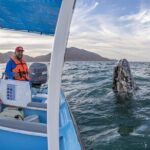
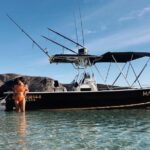
Whale sharks off La Paz feel unreal. This small-group snorkeling outing is built around conservation rules, timed swim rotations, and a marine biologist-led approach that helps you get real time in the water without crowding. You’ll start with a short safety talk on the way out, then gear up and head to the refuge area with a cap of ten swimmers and certified captains running the boat.
I love how much you get for the money: snorkeling equipment, wetsuit, snacks, and bottled water are included, so you show up and swim. I also like the human size of the operation, with guide support that helps everyone move through the process calmly, including people who aren’t elite swimmers.
One thing to consider: your departure time can depend on high demand. There are only 14 boats per turn across the day’s options (7 am, 9 am, 12 pm, 2 pm), and the morning slots use a first-come, first-served WhatsApp request the day before.
In This Review
- Key Points That Matter
- Whale Sharks in La Paz: What Makes This Swim Work
- Small-Group Setup: Ten People, Timed Swims, and Conservation Rules
- Price and Value: What $190.75 Buys You in Real Terms
- Getting There: Marina de La Paz and Your Start Time
- The Daily Slot System: 7 am, 9 am, 12 pm, 2 pm
- On the Boat: Safety Briefing and Marine Biologist Leadership
- Gear Up: Wetsuit, Life Jacket, and Snorkel Technique
- Entering the Water: What Your Close Encounter Feels Like
- How the Rotation Works: Multiple Chances, Not a Single Pass
- Snacks, Water, and the Post-Swim Reset
- Who This Tour Suits Best (and Who Might Want to Rethink)
- Weather and Water Visibility: How to Set Your Expectations
- Should You Book Tuna Tuna Tours for Whale Shark Snorkeling?
- FAQ
- What’s the price for this La Paz whale shark snorkeling tour?
- How long does the tour last?
- What group size is this tour capped at?
- What language is the tour offered in?
- Where do I meet for the tour?
- What’s included with the tour?
- How do the daily departure times work?
- Do I need to know how to swim well?
- What’s the cancellation policy if weather affects the trip?
Key Points That Matter
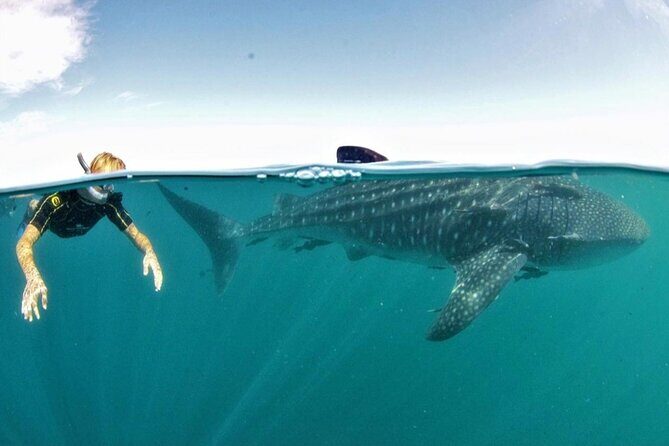
- Small group (maximum 10) keeps the vibe calm and helps you get a real shot at quality swim time.
- Marine biologist-led guidance means the safety and animal-protection rules are not an afterthought.
- Rotations in the water are structured so you’re not stuck waiting around while everyone else swims.
- All gear included (wetsuit, snorkel, fins) plus snacks and bottled water means fewer expenses and less hassle.
- Strict animal-protection practice includes keeping the number of humans close to a whale shark very limited.
Whale Sharks in La Paz: What Makes This Swim Work
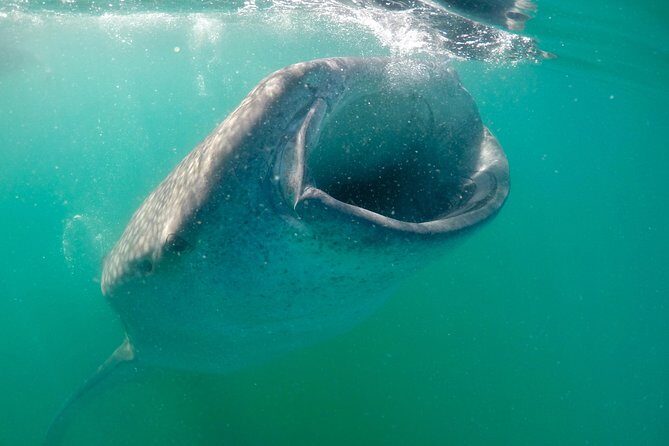
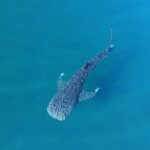
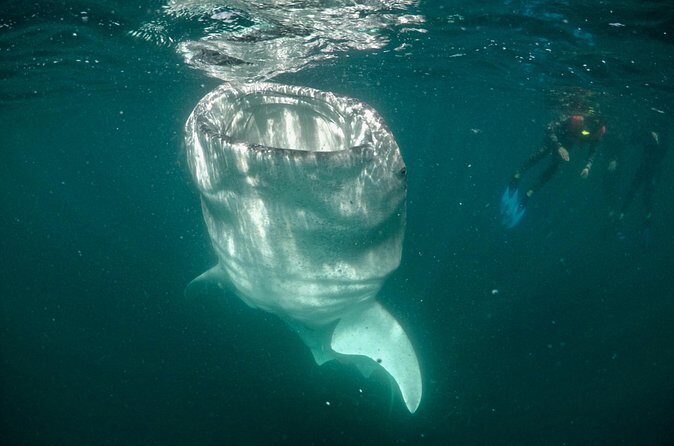
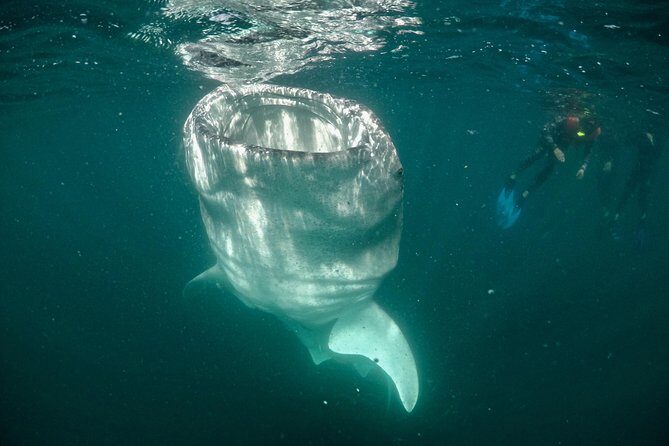
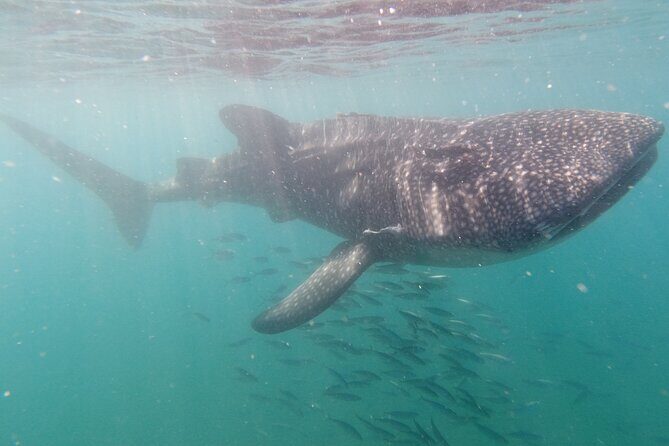
La Paz is one of those Baja places where nature throws you a curveball. The whale sharks are filter-feeding giants, and when you’re close enough to see the pattern on their skin, it stops being a “sightseeing moment” and starts feeling personal. The key is how this tour manages the experience: it’s built around respectful rules, not just chasing a photo.
I like that the tour is designed for time in the water instead of long stretches of waiting. The format focuses on getting you geared up efficiently, then letting you swim in multiple opportunities rather than a single short pass.
Also, this is a seasonal outing that not everyone gets to experience. If you’re in La Paz during the right period, this is the kind of activity that can become the centerpiece of your trip, because it’s both rare and genuinely different from the usual Mexico mix of markets and museums.
You can also read our reviews of more whale watching tours in La Paz
Small-Group Setup: Ten People, Timed Swims, and Conservation Rules
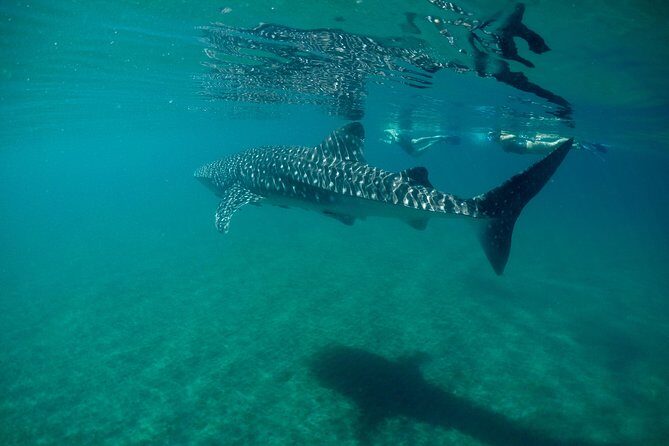
This is capped at ten travelers, which matters more than it sounds. When the group is smaller, the guide can coach your body position and breathing, help with finning, and keep the entry and exit smooth. That reduces the common problems that happen when snorkeling turns chaotic: splashing, scrambling, and people drifting too close to other swimmers.
The tour also uses structured rotation. In one recent experience, swimmers had about 10–15 minutes per group, and the on-water plan used a rotating schedule so time stayed fair across the boat. In another account, there were multiple chances to swim, with guidance that helped even a less-confident swimmer feel safe and included.
There’s also a practical conservation detail I really appreciate: the number of humans around a whale shark is limited. One review notes that only five people can be around a whale shark at a time. That kind of rule is exactly why small boats and small groups matter here.
Price and Value: What $190.75 Buys You in Real Terms
At $190.75 per person for about 3 hours, you’re paying for more than a boat ride. You’re paying for a protected wildlife experience with specialist leadership, plus the equipment and basics handled for you.
Here’s what makes the value make sense:
- Snorkeling gear and wetsuit are included, so you’re not pricing out rentals on top of the tour.
- Snacks and bottled water are provided, which is underrated when you’re out in saltwater and you come back hungry.
- The group size keeps the experience from turning into a crowded sprint.
Could this cost more than a standard snorkeling trip? Yes. But the whale shark part isn’t a “generic animal” situation. You’re paying for a tightly managed encounter where the team has to follow rules and coordinate timing so the animals aren’t overwhelmed.
If you want a bucket-list swim without guesswork, this kind of packaged setup is worth it.
Getting There: Marina de La Paz and Your Start Time
You’ll meet at Marina de La Paz, Calle Topete 3040 y Legaspy, Barrio Manglito, 23060 La Paz, B.C.S., Mexico. The tour is designed around set departure turns, and the activity is scheduled to start at 9:00 am in the standard listing info you’ll receive, but your actual turn may change based on slot availability.
Plan to arrive a bit early. Even though the location is described as near public transportation, showing up on time helps you get through check-in calmly and limits stress right before you gear up.
If you’re traveling from a cruise day, this matters even more. The experience is often smooth when you’re on the boat on time, because the whole day’s rotations depend on everyone hitting their window.
The Daily Slot System: 7 am, 9 am, 12 pm, 2 pm
This is the part I want you to treat like a mini-project. The operations run with a cap of 14 boats per turn and four daily turns: 7 am, 9 am, 12 pm, and 2 pm.
For the 7 am and 9 am turns, you request spots via WhatsApp the day before at 3 pm. Spots are assigned first-come, first-served. If you don’t secure a morning slot, the team can request a spot for the 12 pm or 2 pm turns the next morning.
This is why the tour asks you to plan your schedule accordingly. If you have tight connections, prepaid activities later in the day, or a must-do evening plan, give yourself flexibility. Being a little flexible is the easiest way to protect the part of the day you actually care about.
You can also read our reviews of more snorkeling tours in La Paz


On the Boat: Safety Briefing and Marine Biologist Leadership
Once you’re on board, you’ll get a safety orientation during the boat ride toward the refuge area. This isn’t a long lecture. It’s focused on how to snorkel safely, how to enter the water properly, and how to behave around whale sharks.
A marine biologist leads the group, and the vibe is scientific but practical. In the crew lineup you may encounter names like Maritza (marine biologist) and guides such as Chrissy or Stephanie, depending on the day’s staffing. Captains are also part of the process, with examples like Marco, Alejandro, and Pablo mentioned in past departures.
The practical benefit of having marine biologist leadership is that you get clear rules for animal protection, not vague “be nice to wildlife” advice. When those rules are explained well, it keeps the whole encounter smoother for you and safer for the animals.
Gear Up: Wetsuit, Life Jacket, and Snorkel Technique
You’ll gear up with the provided equipment: wetsuit, snorkel, and fins. One important detail is that you’re required to wear a life jacket under the wetsuit due to La Paz law.
I like this setup because it reduces uncertainty. You’re not fighting a rental kit, and the team can help you fit everything fast. It also means the crew can spend more time on guiding where it matters: your movement in the water.
For the best experience, go in ready for fin work. One tip that comes up repeatedly is to swim on your side so you reduce splashing and keep your position controlled. That’s not just etiquette. It helps you avoid accidentally bumping another swimmer and helps the guide manage the rotation.
And yes, it requires real comfort in the water. Most people can participate, but you’ll get more out of it if you can swim confidently while wearing fins and keeping breathing steady.
Entering the Water: What Your Close Encounter Feels Like
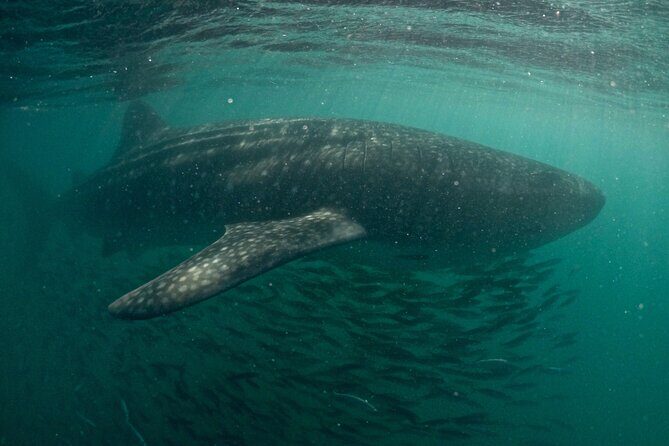
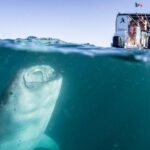
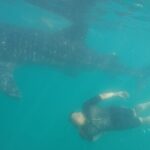
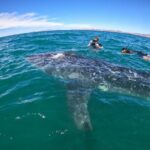
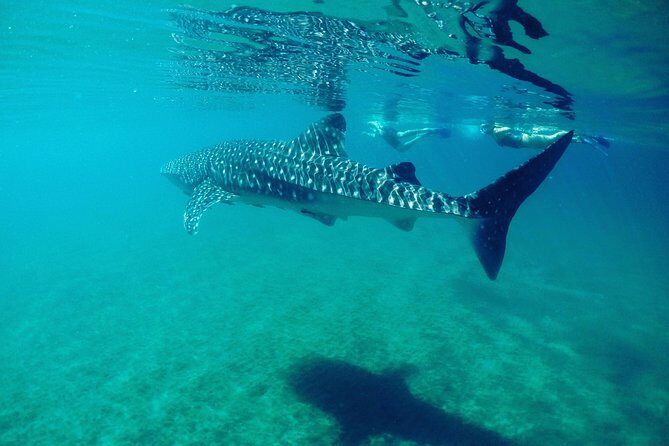
When you finally hit the water, the whale sharks are not background scenery. They’re right there, moving calmly but not slowly. Multiple accounts mention that whale sharks can be fast, so you’ll want to keep your body streamlined and avoid sudden thrashing.
What you’re aiming for is controlled closeness. That means gentle fin strokes, steady kicks, and a calm head position so you’re not losing your place every few seconds. The guides help with directions, and the captains’ boat skills matter on the surface as they set up the next group.
If the water is murky, don’t assume the experience is ruined. One review mentions murky water but still getting real opportunities to swim with the sharks, thanks to the timing and guidance.
Also: expect that your time may feel short on paper, but it’s paced for quality. One swimmer described multiple chances and enough water time to feel satisfied, not rushed out the second you see the animal.
How the Rotation Works: Multiple Chances, Not a Single Pass
The structure is what turns this from a lucky sighting into a consistent encounter. Instead of one quick moment, the day is organized into multiple swim opportunities.
A common pattern described is about three opportunities to swim with the whale sharks during the outing. Another account mentions that groups rotated with time like 5 minutes per group at key moments, plus a longer total feel because you cycle in and out rather than being stuck outside for long stretches.
For you, this means you get more than one shot at the “perfect moment.” If a whale shark shifts position right after your group enters, you’re not done. If you need a second try to get your finning and buoyancy right, you have another window.
Snacks, Water, and the Post-Swim Reset
You’ll get snacks and bottled water, and that little detail matters after your first snorkel. Saltwater dries you out, and your mouth feels it. Having a snack waiting after the swims is a simple comfort that makes the return trip more enjoyable.
The crew often also captures photos and video during the experience. That can be useful because a lot happens quickly once you’re in water. You can focus on being present, while someone else helps document what you’re seeing.
When you come back on board, the captain and guide help with smooth re-entry. That’s not glamorous, but it reduces the awkward part of snorkeling tours, especially if you’re coming from sandy steps or uneven surfaces.
Who This Tour Suits Best (and Who Might Want to Rethink)
This tour is a strong fit if you want a small-group whale shark encounter with clear rules and real coaching. It’s also a good match if you like having structure: limited human contact, guided entries, and rotation scheduling that keeps things fair.
It may not be ideal if you’re nervous about being in the water for several controlled swim windows, even if the tour welcomes most travelers. One review specifically warns that the experience can be intense and suggests kids should only go if they are strong swimmers.
So, if you can swim comfortably and follow instructions quickly, you’ll likely enjoy it much more. If you struggle with water confidence, consider practicing basic comfort skills before the trip so you’re not spending the whole time worrying.
Service animals are allowed, and the meeting point is near public transportation, which is helpful for planning.
Weather and Water Visibility: How to Set Your Expectations
Whale shark days depend on weather. The experience requires good conditions, and if it’s canceled due to poor weather, you’ll be offered another date or a full refund.
On the day, visibility can vary. One swimmer mentioned murky water but still had chances to get close. That tells me this operation doesn’t treat visibility like a requirement for fun. Instead, they rely on timing, position, and guided behavior to make the encounter happen.
Also, whale sharks move. Some of the magic is that you’re not standing still at a zoo tank. You’ll need to adjust, breathe calmly, and keep your movement controlled.
Should You Book Tuna Tuna Tours for Whale Shark Snorkeling?
If you want the bucket-list swim with less stress and more water time, I’d lean yes. The combination of small group size, marine biologist leadership, and included gear and refreshments makes this feel like a well-run wildlife experience, not a rushed activity.
Book it especially if:
- You care about conservation-style behavior and not crowding.
- You want a realistic shot at multiple swim moments.
- You’d rather pay for a guided, structured setup than piece together rentals and logistics.
I’d hesitate only if:
- You can’t be flexible with your departure turn due to the tight WhatsApp slot system.
- You’re not comfortable snorkeling and swimming for short guided windows.
If you’re in La Paz during whale shark season and you can follow instructions in the water, this is the kind of tour that tends to become the memory people talk about long after the saltwater dries off your skin.
FAQ
What’s the price for this La Paz whale shark snorkeling tour?
The price is $190.75 per person.
How long does the tour last?
The duration is about 3 hours.
What group size is this tour capped at?
The tour has a maximum of 10 travelers.
What language is the tour offered in?
The experience is offered in English.
Where do I meet for the tour?
You meet at Marina de La Paz, Calle Topete 3040 y Legaspy, Barrio Manglito, 23060 La Paz, B.C.S., Mexico.
What’s included with the tour?
Snorkeling equipment and wetsuit are provided, along with snacks and bottled water.
How do the daily departure times work?
There are four daily turns: 7 am, 9 am, 12 pm, and 2 pm. Morning slots (7 am and 9 am) use a WhatsApp request the day before at 3 pm, and slots are assigned first-come, first-served.
Do I need to know how to swim well?
You should be comfortable swimming and snorkeling. The tour says most travelers can participate, but it does require a certain comfort level in the water to enjoy it fully.
What’s the cancellation policy if weather affects the trip?
You can cancel for a full refund up to 24 hours before the experience’s start time. The tour requires good weather, and if it’s canceled due to poor weather, you’ll be offered a different date or a full refund.